
In the world of heavy-duty transportation and logistics, “Jake braking” is a term often overheard in truck stops and seen on roadside signage near steep mountain descents. To the layperson, it is synonymous with the loud, staccato “machine-gun” sound that echoes from a semi-truck as it slows down. However, from a technical and engineering perspective, a Jake brake—formally known as a Jacobs Engine Brake—is a sophisticated piece of mechanical technology that serves as a critical safety component in the operation of heavy-duty diesel engines.
The Jake brake is a compression release engine retarder. Unlike traditional friction brakes, which rely on physical contact between brake pads and drums to slow a vehicle, the Jake brake alters the internal mechanics of the engine itself to transform a power-producing machine into a power-absorbing one. Understanding how this technology works requires a deep dive into the thermodynamics of the internal combustion engine and the evolution of heavy-duty vehicle safety systems.

The Mechanics of Power Absorption: How the Jake Brake Functions
To understand the Jake brake, one must first understand the standard four-stroke cycle of a diesel engine: intake, compression, power, and exhaust. In a normal operating environment, the engine compresses air in the cylinder, fuel is injected and ignited, and the resulting explosion pushes the piston down, creating the force that moves the truck forward.
The Jake brake disrupts this cycle during the compression stroke. When a driver engages the engine brake and lifts their foot off the accelerator, the system utilizes a hydraulic circuit to open the exhaust valves near the top of the compression stroke.
The Physics of Air Compression
In a standard cycle, the energy used to compress the air in the cylinder is mostly recovered during the following stroke, as the compressed air acts like a spring, pushing the piston back down. When the Jake brake is activated, the exhaust valves are opened just before the piston reaches the top of its stroke (Top Dead Center).
By releasing the highly compressed air into the exhaust system, the energy that was spent compressing that air is “dumped” and lost. Because there is no fuel being injected at this stage, the piston then travels back down without the benefit of the “spring effect” from the compressed air or the force of combustion. This creates a net loss of energy, which manifests as a powerful retarding force on the crankshaft, effectively slowing the vehicle down through the drivetrain.
The Hydraulic Actuator Interface
The technical execution of this process involves a complex interaction between the engine’s rocker arms and the exhaust valves. Modern Jake brakes utilize a dedicated hydraulic housing mounted on top of the engine’s cylinder head. When the system is electronically triggered, oil is diverted through a high-pressure solenoid valve into a piston assembly.
This piston essentially “cheats” the engine’s timing. It uses the motion of either the fuel injector rocker arm or the intake/exhaust rocker arm of a neighboring cylinder to force the exhaust valve open at the precise microsecond required for compression release. This synchronization is a feat of mechanical engineering, as it must occur within a window of time measured in milliseconds to avoid physical contact between the piston and the valve, which would result in catastrophic engine failure.
Jake Braking vs. Friction Braking: A Comparative Technical Analysis
While every heavy-duty truck is equipped with standard pneumatic (air) friction brakes, these systems have inherent physical limitations when dealing with the massive kinetic energy of a 80,000-pound vehicle. The Jake brake serves as a primary non-friction deceleration tool, offering several technical advantages over traditional braking hardware.
Managing Thermal Loads
The primary enemy of friction brakes is heat. When a truck descends a long, steep grade, the constant application of brake pads against drums generates immense thermal energy. If the temperature exceeds the material’s operating threshold, the truck experiences “brake fade.” In this state, the friction coefficient of the brake linings drops significantly, and the system loses its ability to stop the vehicle.
The Jake brake solves this by offloading the deceleration task to the engine’s cooling system. The heat generated during the compression release process is absorbed by the engine block and the coolant circulating through the radiator. Because the engine is designed to manage high thermal loads continuously, it can provide retarding power indefinitely without the risk of thermal failure or “fading.”
Extending Hardware Longevity
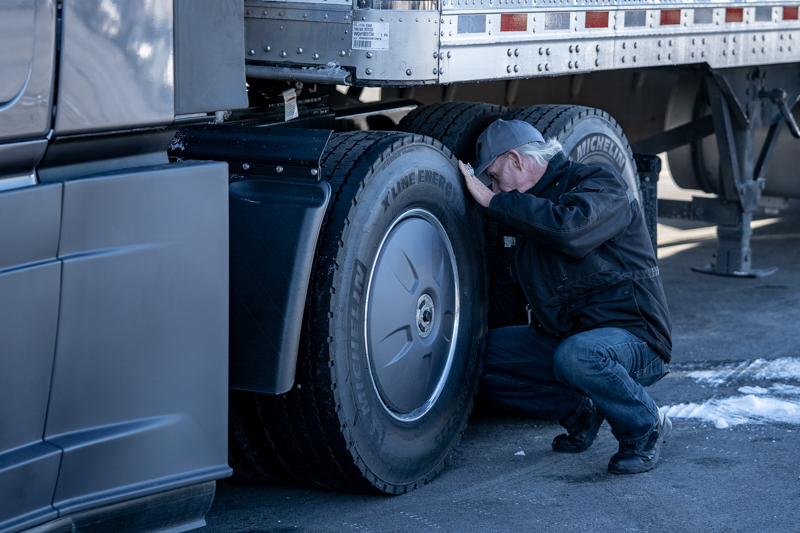
From a maintenance and cost-efficiency standpoint, the Jake brake is a vital tool for fleet operators. By using engine compression to maintain speed on descents or to slow down on highway off-ramps, drivers significantly reduce the wear and tear on friction brake components.
Technically, this means the intervals between brake shoe replacements and drum resurfacing are greatly extended. In a high-mileage commercial environment, the integration of engine braking technology can result in thousands of dollars in savings per vehicle annually, while simultaneously increasing the safety margins for the operator by keeping the service brakes cool and ready for emergency stops.
Integrated Digital Control and Sensor Networks
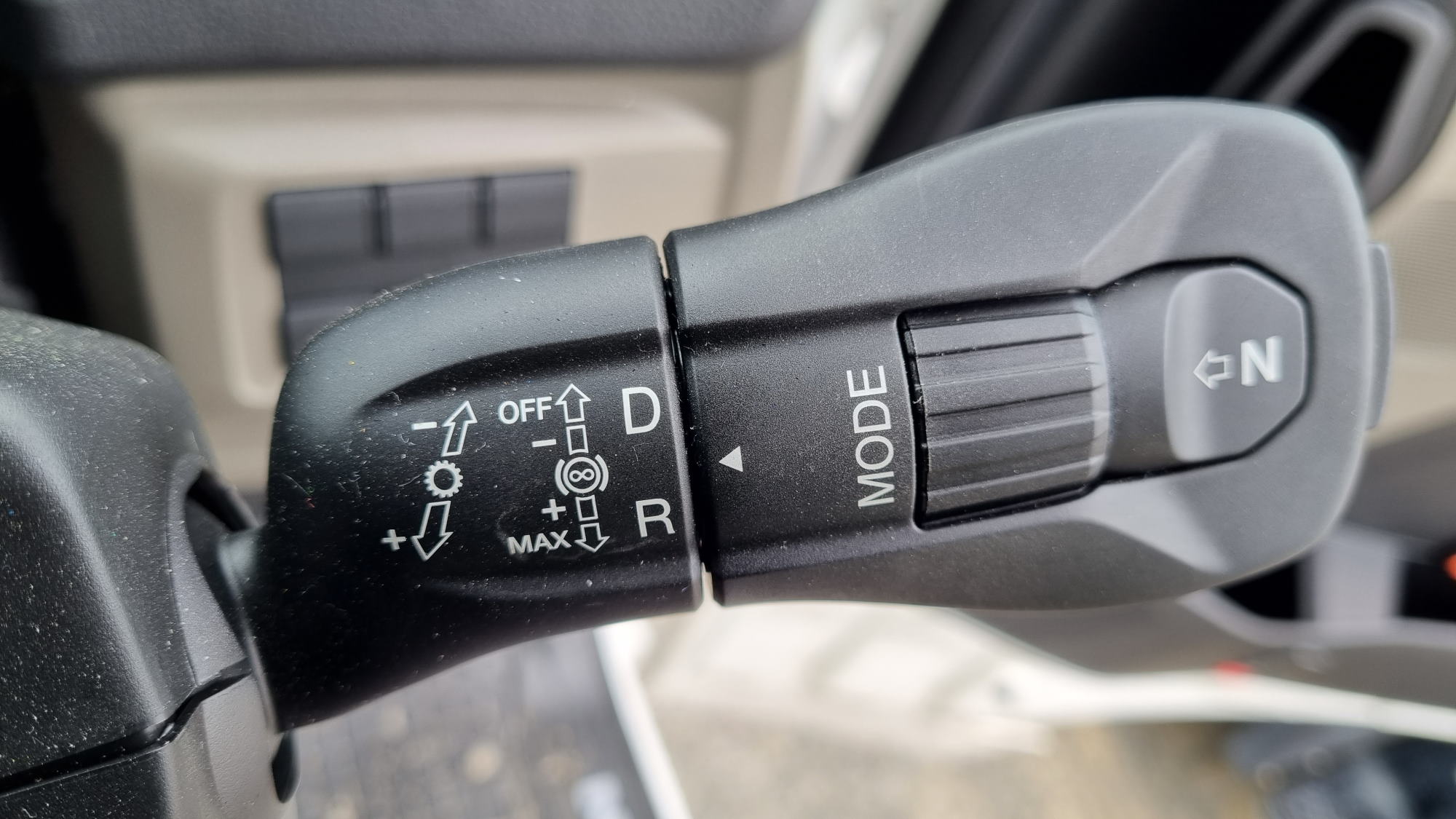
In the early decades of engine braking, the system was controlled by a simple toggle switch on the dashboard. Modern trucking technology has evolved, integrating the Jake brake into a complex network of Electronic Control Units (ECUs) and sensors that optimize performance based on real-time data.
The Role of the Engine Control Unit
Modern diesel engines are managed by high-speed processors that monitor everything from throttle position and gear selection to oil temperature and atmospheric pressure. When a driver selects an engine braking level, the ECU evaluates several parameters before activating the solenoids.
For instance, the ECU will typically disable the Jake brake if it senses that the tires are losing traction (via ABS sensors) to prevent a jackknife scenario. Furthermore, the system is often linked to cruise control. Advanced “predictive cruise” systems use GPS data and topographical maps to proactively engage the Jake brake before the truck even begins a descent, optimizing fuel efficiency and maintaining a steady velocity without driver intervention.
Progressive Braking Logic
Unlike older systems that were either “on” or “off,” contemporary Jake brakes offer progressive levels of retarding power. This is achieved by controlling how many cylinders are involved in the compression release process.
A common configuration offers three levels:
- Low: Only two cylinders are used for compression release.
- Medium: Four cylinders are engaged.
- High: All six cylinders are utilized for maximum retarding force.
This granularity allows the driver to match the retarding power to the specific weight of the load and the grade of the road, providing smoother deceleration and better control over the vehicle’s momentum.
Environmental Engineering and Noise Mitigation
One of the most recognizable aspects of Jake braking is the sound. The rapid release of high-pressure air into the exhaust system creates a series of shockwaves that produce the characteristic loud popping noise. As urban areas have grown, this has led to significant regulatory pressure and the ubiquity of “No Engine Braking” signs in residential zones.
Acoustic Signatures of Exhaust Release
The noise is essentially a series of small “sonic booms” occurring dozens of times per second. Engineering efforts have been directed toward muffling these sounds without sacrificing the efficiency of the retarding force. Modern exhaust systems and advanced muffler designs are capable of dampening much of this noise, but many aftermarket or older “straight-piped” trucks remain significantly louder.
Regulatory Technology Solutions
In response to noise ordinances, some manufacturers have developed “silent” retarders or integrated exhaust brakes. Unlike the compression release Jake brake, an exhaust brake works by closing a butterfly valve in the exhaust pipe, creating backpressure that slows the engine. While quieter, exhaust brakes generally offer less retarding horsepower than a true Jake brake. Engineers continue to balance the need for high-performance deceleration with the acoustic requirements of modern environmental standards.
The Next Frontier: Engine Braking in the Era of Electric and Autonomous Transit
As the trucking industry pivots toward electrification and autonomous operation, the role of the mechanical Jake brake is shifting. In a battery-electric vehicle (BEV) truck, the concept of compression release is obsolete because there are no pistons or exhaust valves.
Regenerative Systems vs. Mechanical Retarders
Electric trucks utilize regenerative braking, where the electric motors are run in reverse to act as generators. This process creates a massive amount of drag, slowing the vehicle while simultaneously converting kinetic energy back into electrical energy to be stored in the battery.
Technically, regenerative braking is even more efficient than a Jake brake because it recovers energy rather than simply wasting it. However, for internal combustion and hybrid heavy-duty vehicles, the Jake brake remains an irreplaceable piece of technology. Even in autonomous trucking, where AI systems control the vehicle, the mechanical logic of the Jake brake is a core part of the “safety stack,” ensuring that the vehicle can maintain control on the world’s most challenging mountain passes through the fundamental principles of mechanical engineering.
aViewFromTheCave is a participant in the Amazon Services LLC Associates Program, an affiliate advertising program designed to provide a means for sites to earn advertising fees by advertising and linking to Amazon.com. Amazon, the Amazon logo, AmazonSupply, and the AmazonSupply logo are trademarks of Amazon.com, Inc. or its affiliates. As an Amazon Associate we earn affiliate commissions from qualifying purchases.