
In the annals of entertainment, few brands have carved out a niche as distinct, audacious, and polarizing as “Jackass.” Far from being a mere collection of stunts, Jackass represents a potent brand phenomenon, a masterclass in identity creation, audience engagement, and the strategic leveraging of controversy. To understand “what is Jackass” is to delve into the deliberate construction of a brand that defied conventional wisdom, establishing its unique space through a relentless commitment to its core ethos of shocking, hilarious, and often cringe-inducing performance art.
The Genesis of a Rebel Brand Identity
The inception of Jackass was not a carefully orchestrated corporate launch but rather the organic convergence of a specific subculture and a burgeoning media landscape. It emerged from the fringes of skateboarding and alternative youth culture, a realm where daredevilry, irreverence, and a certain self-deprecating humor were already currency.

From Skate Videos to MTV Phenomenon
The roots of Jackass can be traced back to the late 1990s, when various independent video series, most notably Big Brother magazine’s skate videos and the CKY (Camp Kill Yourself) series, began showcasing amateur stunts, pranks, and general mayhem. These raw, unfiltered productions found a devout, underground following, resonating with a demographic hungry for authenticity and rebellion against mainstream polish. The brilliance lay in identifying this burgeoning content and packaging it for a wider audience. Spike Jonze, Johnny Knoxville, and Jeff Tremaine recognized the latent potential in these disparate segments, understanding that the raw energy and outrageousness, if properly curated, could translate into a compelling television concept.
When MTV picked up the show in 2000, it wasn’t just acquiring a program; it was adopting a nascent brand with an already established, if niche, following. The move from grainy VHS tapes to national television screens amplified the brand’s reach exponentially, transforming a subcultural curiosity into a mainstream sensation, albeit one still deeply rooted in its counter-culture origins. This transition highlighted a critical branding lesson: sometimes, the most disruptive brands emerge not from focus groups, but from genuinely engaging with an existing, passionate community.
Defining the Brand’s Core Ethos
At its heart, the Jackass brand is built on a simple, yet profoundly effective, premise: pushing boundaries. This isn’t just about physical stunts; it’s about challenging social norms, testing the limits of public decency, and exploring the fine line between humor and discomfort. The core ethos can be summarized by several key pillars:
- Authenticity: Despite its outrageousness, the brand always felt real. The stunts were performed by genuine friends, the reactions were unscripted, and the palpable risk contributed to a sense of unvarnished reality.
- Vulnerability: A significant part of the brand’s appeal lay in the willingness of its cast members to inflict pain upon themselves for entertainment. This self-inflicted vulnerability created a unique connection with the audience, fostering both empathy and morbid fascination.
- Irreverence: Jackass consistently defied authority, mocked conventions, and embraced a spirit of playful nihilism. This irreverence resonated deeply with audiences disenfranchised by more sanitized forms of entertainment.
- Community: The cast members were not just performers; they were a collective, a chosen family whose shared experiences of pain and laughter created a powerful sense of camaraderie that was infectious to viewers.
These foundational elements established a brand identity that was unmistakable and, crucially, difficult to replicate authentically, thereby securing its unique position in the market.
Crafting and Sustaining a Distinctive Brand Persona
The longevity and impact of Jackass as a brand stem from its masterful construction and consistent deployment of a distinctive persona. This persona is a multifaceted entity, built upon the individuals who embody it, the sensory experience it delivers, and the strategic use of provocation in its outreach.
The Anti-Heroes: Personalities as Brand Pillars
Unlike many entertainment franchises where characters are fictional constructs, the Jackass brand is inextricably linked to the real personalities of its main cast. Johnny Knoxville, Bam Margera, Steve-O, Wee Man, Chris Pontius, and others became iconic figures, each contributing a unique flavor to the collective brand. Knoxville, with his charismatic, mischievous Southern charm, served as the de facto leader and ringmaster. Margera brought a skate-punk edge and a penchant for elaborate pranks involving his own family. Steve-O pushed boundaries with his extreme self-mutilation and unwavering commitment to shock.
These individuals weren’t just actors; they were the brand’s living embodiments. Their real-life antics, their personal struggles, and their undeniable chemistry formed the bedrock of the Jackass identity. The brand leveraged these authentic personalities, allowing their quirks and courage (or lack thereof) to become defining attributes. This personal branding within the larger Jackass framework created a deeper, more emotional connection with the audience, who felt they were watching genuine friends engage in outlandish acts.
Visual & Auditory Branding: Chaos as a Signature
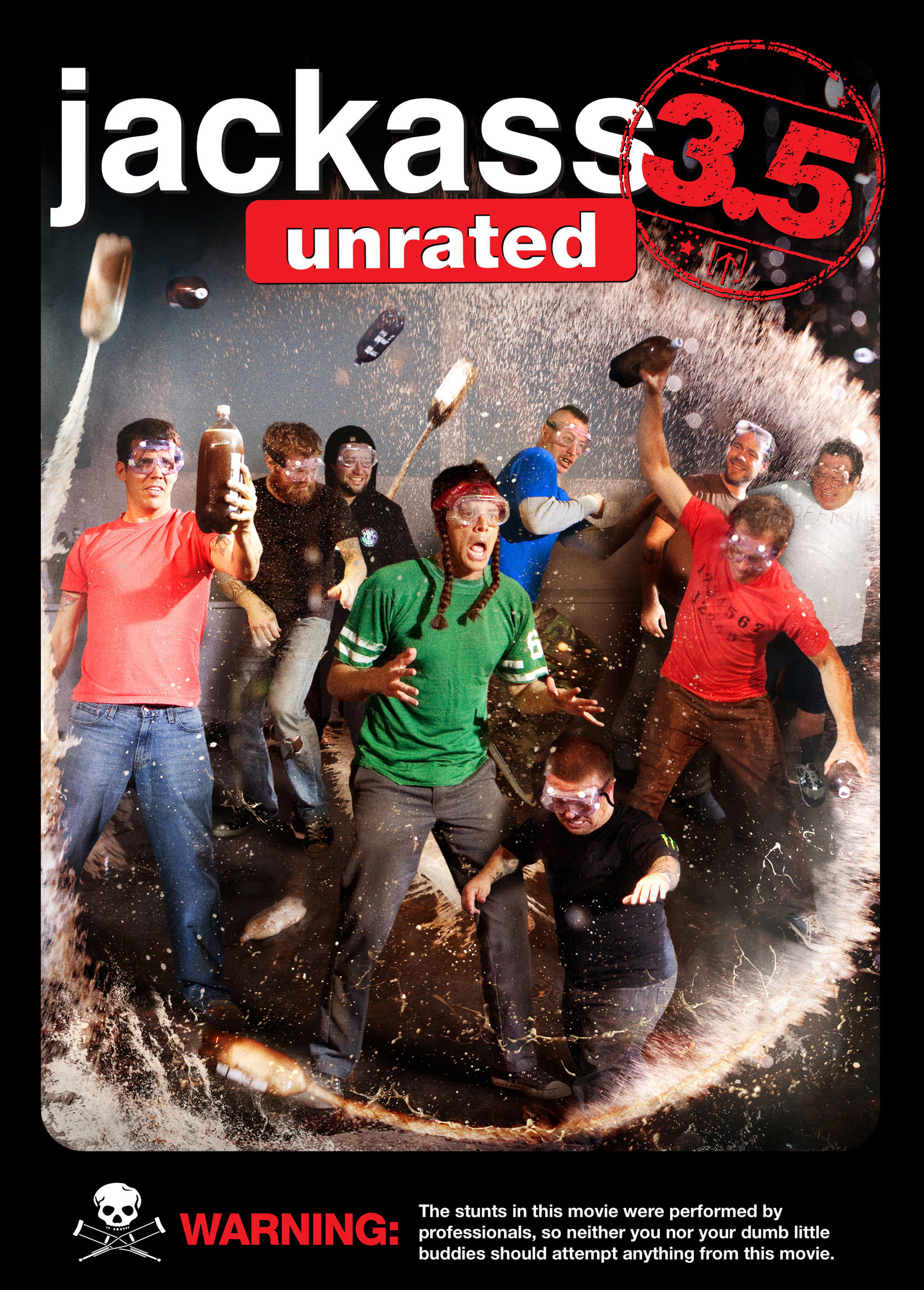
The sensory elements of the Jackass brand are as distinctive as its personalities. Visually, the brand cultivated an aesthetic of raw, unpolished, and often lo-fi production values. While eventually incorporating more polished film techniques, the foundational look remained gritty, handheld, and immediate, conveying a sense of “anything can happen.” The iconic skull and crutches logo, a morbidly playful symbol, became instantly recognizable, embodying the brand’s blend of danger and dark humor.
Auditorily, the brand employed a diverse soundtrack ranging from punk rock to surf rock, contributing to its energetic, rebellious vibe. Crucially, the sound of the stunts themselves—the painful thuds, the guttural screams, the nervous laughter—became an integral part of the brand experience, eliciting visceral reactions from viewers. This consistent and impactful sensory branding ensured that the Jackass experience was instantly identifiable and deeply immersive.
The Power of Provocation in Marketing
From a marketing perspective, Jackass masterfully utilized provocation. Its content was inherently shareable because it was so extreme, so shocking, and so unlike anything else on television. The mere mention of a new Jackass stunt would ignite conversations, debates, and word-of-mouth promotion. The brand didn’t shy away from controversy; it embraced it, understanding that outrage, particularly from moral guardians, only served to amplify its message and solidify its appeal to its target demographic.
Movie trailers and promotional materials were direct, showcasing the most outrageous moments without apology. This transparency built trust with its core audience, promising exactly what was delivered: unfiltered, boundary-pushing entertainment. In an era before viral content was fully understood, Jackass pioneered a form of marketing that relied on the sheer audacity of its product to generate buzz and cultural resonance.
Navigating Brand Perception and Evolution
For any brand, especially one as controversial as Jackass, managing public perception and adapting over time is critical. The Jackass brand, despite its seemingly unchanging formula, demonstrated a nuanced evolution, extending its reach and solidifying its legacy.
Balancing Risk with Resonance
A significant challenge for the Jackass brand was balancing the inherent risks of its content with its long-term viability. The stunts were genuinely dangerous, leading to injuries and, tragically, the untimely death of cast member Ryan Dunn. This required the brand to navigate difficult conversations about responsibility and ethics, particularly as its audience matured and its original cast aged.
However, the brand’s enduring resonance lay in its ability to adapt without losing its soul. Subsequent films, while still featuring outrageous stunts, often introduced a layer of nostalgia, acknowledging the passage of time and the enduring friendships among the cast. This allowed the brand to mature alongside its audience, transforming from pure shock value to a more reflective (though still deeply irreverent) celebration of its unique legacy.
Extending the Brand: From TV to Film and Beyond
The transition from a 30-minute TV show to feature films was a pivotal strategic move for the Jackass brand. This expansion allowed for bigger budgets, more elaborate stunts, and a deeper exploration of the cast’s dynamics, all while maintaining the core chaotic energy. Each film release became a cultural event, demonstrating the brand’s strong theatrical pull.
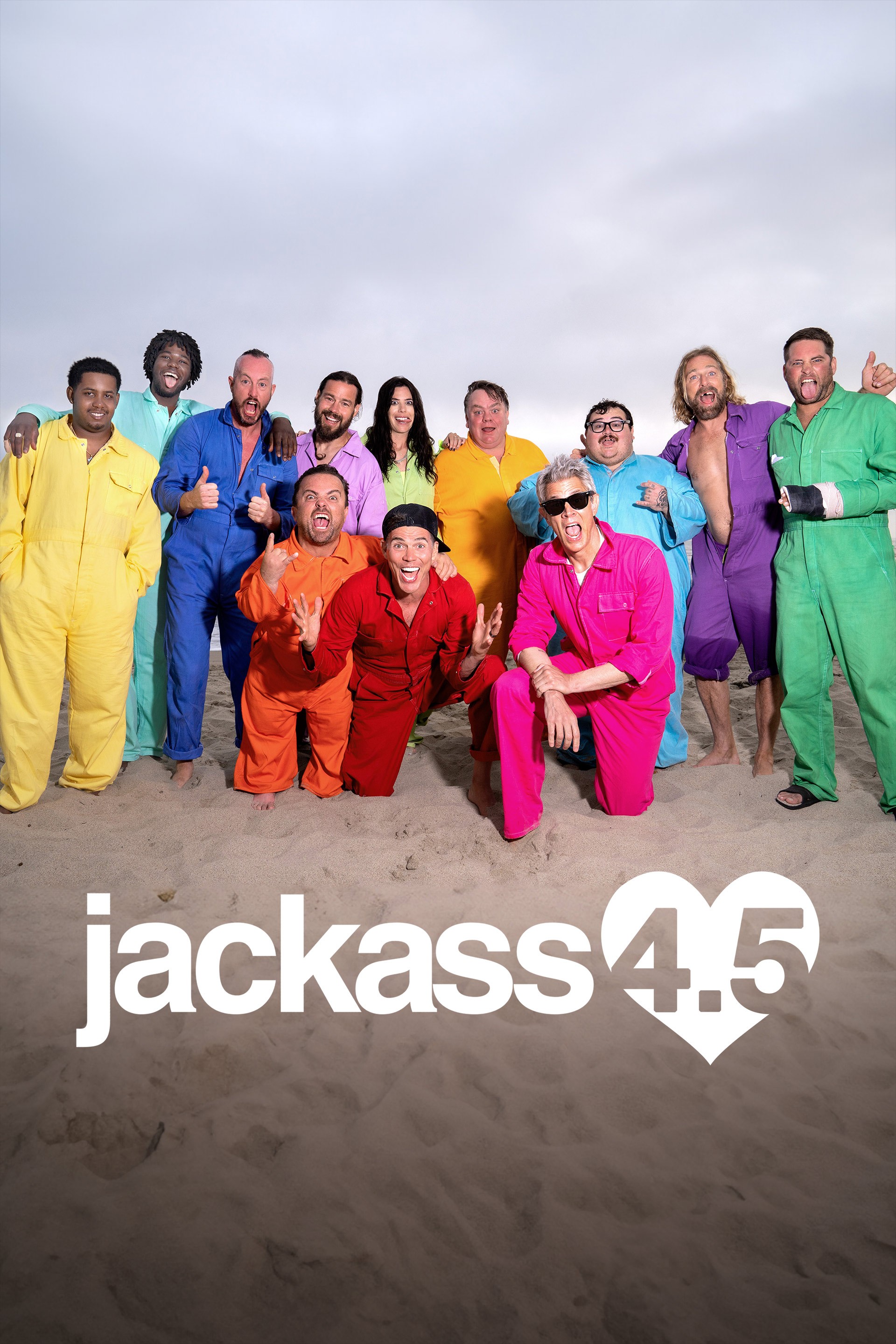
Beyond films, individual cast members launched spin-off shows, podcasts, and personal branding efforts, further extending the Jackass universe. While these ventures varied in success, they underscored the power of the original brand to launch and sustain related endeavors, a testament to the strong personal brands cultivated within the collective. This diversification proved that the Jackass brand was not just about a specific format, but a distinct sensibility that could be applied across different media.
The Legacy of a Brand That Defied Norms
The Jackass brand leaves an indelible mark on popular culture and the study of branding itself. It proved that a brand built on seemingly reckless abandon could achieve mainstream success and longevity. It challenged marketers to reconsider the power of authenticity, vulnerability, and carefully deployed provocation. Its legacy is not just one of outlandish stunts, but of a brand that carved out a truly unique identity by daring to be utterly, uncompromisingly itself. It showcased that even the most “unprofessional” content, when backed by genuine passion and a clear, unwavering identity, could become a highly valuable and enduring brand.
aViewFromTheCave is a participant in the Amazon Services LLC Associates Program, an affiliate advertising program designed to provide a means for sites to earn advertising fees by advertising and linking to Amazon.com. Amazon, the Amazon logo, AmazonSupply, and the AmazonSupply logo are trademarks of Amazon.com, Inc. or its affiliates. As an Amazon Associate we earn affiliate commissions from qualifying purchases.