
The journey to parenthood can, for many, involve navigating the complexities of assisted reproductive technologies (ART). Among the most common and widely discussed are Intrauterine Insemination (IUI) and In Vitro Fertilization (IVF). While both aim to help individuals and couples achieve pregnancy, they represent distinct approaches with varying levels of invasiveness, success rates, and cost implications. Understanding the fundamental differences between IUI and IVF is crucial for making informed decisions about fertility treatment. This article delves into the intricacies of each procedure, offering a comprehensive overview to guide those embarking on this path.
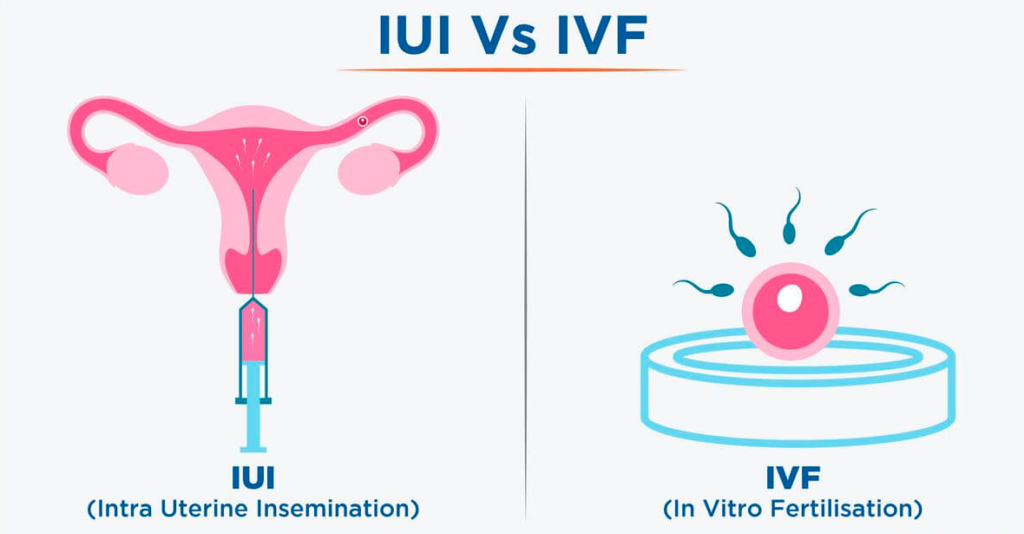
Understanding the Core Mechanisms of IUI and IVF
At their heart, both IUI and IVF are designed to overcome fertility challenges by assisting in the fertilization and implantation process. However, the way they achieve this is fundamentally different, impacting their suitability for various fertility issues and the overall patient experience.
Intrauterine Insemination (IUI): A Less Invasive Approach
IUI, often referred to as artificial insemination, is a relatively straightforward procedure that involves directly introducing sperm into a woman’s uterus around the time of ovulation. The primary goal of IUI is to increase the number of viable sperm that reach the fallopian tubes, thereby enhancing the chances of natural fertilization.
The IUI Process: Step-by-Step
The IUI process typically involves several key stages, designed to synchronize sperm delivery with the fertile window.
Ovulation Induction (Optional)
While IUI can be performed during a natural menstrual cycle, it is often combined with ovulation induction medications. These oral or injectable medications, such as Clomid or letrozole, stimulate the ovaries to produce multiple eggs, thereby increasing the chances of conception. Monitoring ovulation is crucial, and this is usually done through a combination of blood tests to track hormone levels and ultrasound scans to visualize follicle development.
Sperm Preparation
On the day of the procedure, the male partner (or a sperm donor) provides a semen sample. This sample is then processed in a laboratory to concentrate the healthiest and most motile sperm, separating them from seminal fluid. This “washed” sperm sample is crucial for optimizing the chances of fertilization and minimizing the risk of cramping or infection during the procedure.
Insemination
Once the optimal time for insemination is determined, the prepared sperm sample is loaded into a thin, flexible catheter. The catheter is then gently inserted through the cervix into the uterus, and the sperm are carefully deposited. The procedure itself is generally quick, painless, and requires no anesthesia, resembling a routine gynecological exam. Following the procedure, the patient is usually advised to rest for a short period.
Post-IUI Monitoring and Pregnancy Test
After the insemination, the patient will wait approximately two weeks before taking a pregnancy test. Hormonal support, such as progesterone, may be prescribed to help prepare the uterine lining for implantation.
In Vitro Fertilization (IVF): A More Complex, Laboratory-Based Process
IVF, a more advanced ART, involves fertilizing an egg with sperm outside the body, in a laboratory setting, and then transferring the resulting embryo(s) into the uterus. This method is typically recommended for more complex fertility issues where IUI is unlikely to be successful.
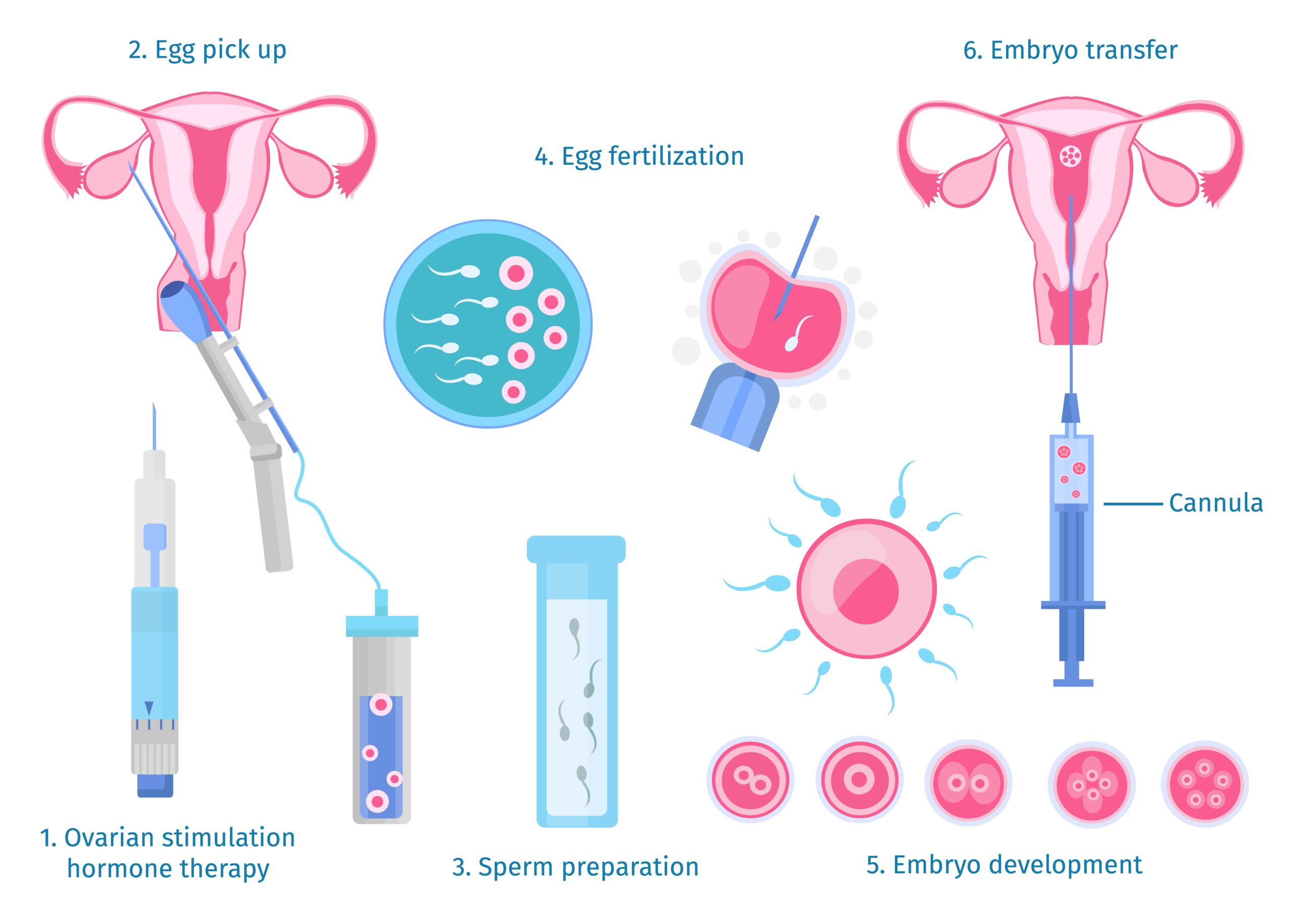
The IVF Process: A Multi-Stage Journey
The IVF process is more intricate and spans a longer timeframe than IUI, involving several distinct phases.
Ovarian Stimulation
Similar to IUI, IVF often begins with a more potent regimen of injectable hormone medications to stimulate the ovaries to produce a large number of mature eggs. This phase is closely monitored with ultrasounds and blood tests to track follicle growth and hormone levels. The goal is to retrieve as many high-quality eggs as possible.
Egg Retrieval
Once the eggs are mature, a minor surgical procedure called oocyte retrieval is performed. This is typically done under sedation or light anesthesia. Using ultrasound guidance, a thin needle is inserted through the vaginal wall into each mature follicle to aspirate the eggs. This procedure usually takes about 20-30 minutes.
Fertilization
The retrieved eggs are then taken to the laboratory, where they are combined with prepared sperm. Fertilization can occur in two primary ways: conventional IVF, where sperm are mixed with eggs in a culture dish, or Intracytoplasmic Sperm Injection (ICSI), where a single sperm is directly injected into each egg. ICSI is often used in cases of severe male factor infertility or previous fertilization failure.
Embryo Culture
After fertilization, the resulting embryos are cultured in the laboratory for three to five days. During this time, they are monitored for growth and development. The embryologists assess the quality and stage of development of each embryo.
Embryo Transfer
Once the embryos reach the appropriate stage, one or more are selected for transfer into the uterus. This is a simple, painless procedure similar to IUI, where a catheter is used to place the embryo(s) through the cervix into the uterine cavity. The number of embryos transferred is carefully considered to balance the chances of pregnancy with the risk of multiple births.
Luteal Phase Support and Pregnancy Test
Following embryo transfer, luteal phase support with progesterone is typically continued to aid implantation. A pregnancy test is usually performed about two weeks after the embryo transfer.
Key Differences and Considerations: IUI vs. IVF
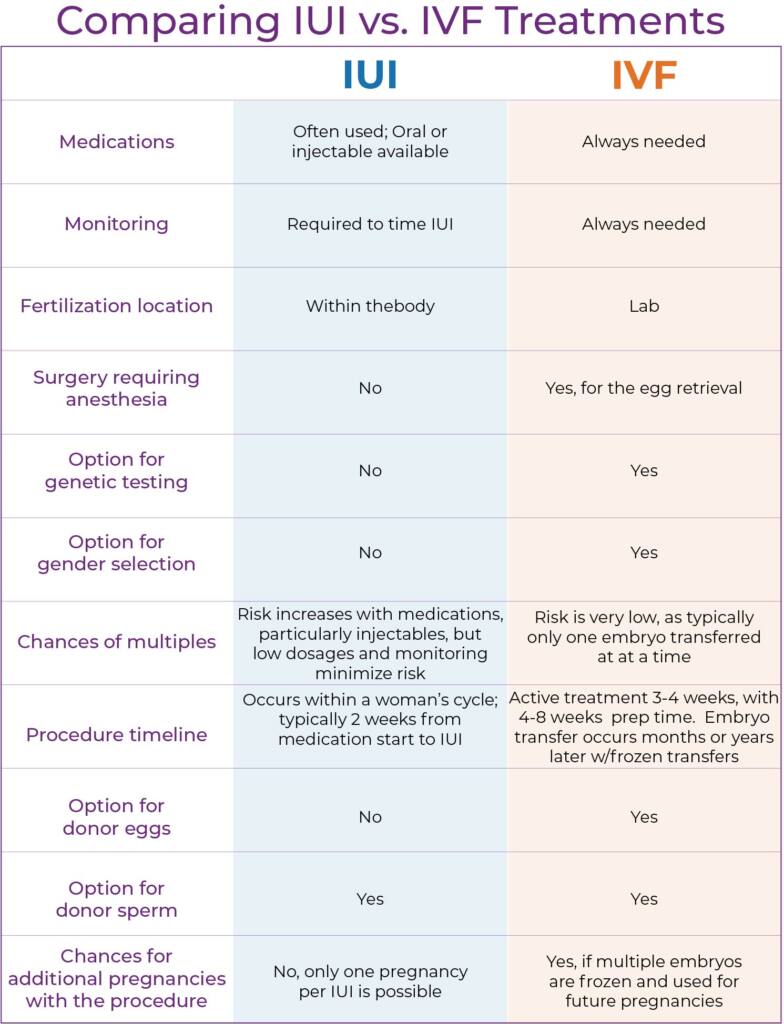
While both IUI and IVF are designed to facilitate conception, their differences in approach, cost, success rates, and suitability for various conditions are significant. Understanding these distinctions is paramount for patients and their fertility specialists.
Indicative Conditions and Suitability
The choice between IUI and IVF is heavily influenced by the underlying cause of infertility.
When IUI is Typically Recommended
IUI is often the first-line treatment for couples experiencing:
- Mild male factor infertility: When sperm count, motility, or morphology are slightly reduced.
- Cervical factors: Issues with the cervix that may impede sperm from reaching the uterus.
- Unexplained infertility: When no specific cause for infertility has been identified.
- Ovulatory dysfunction: When a woman has irregular ovulation patterns that can be managed with medication.
- Couples using donor sperm: IUI is a common and effective method for insemination with donor sperm.
When IVF is Typically Recommended
IVF is generally reserved for more severe or complex fertility issues, including:
- Moderate to severe male factor infertility: Significantly low sperm count, poor motility, or abnormal morphology.
- Fallopian tube damage or blockage: When eggs cannot naturally travel to the uterus or sperm cannot reach the eggs.
- Endometriosis: Particularly moderate to severe forms, which can affect egg quality, sperm transport, and implantation.
- Diminished ovarian reserve: When a woman has a lower number of eggs or reduced egg quality.
- Previous failed IUI cycles: If multiple IUI attempts have not resulted in pregnancy.
- Genetic disorders: When preimplantation genetic testing (PGT) of embryos is desired to screen for chromosomal abnormalities or specific genetic diseases.
- Fertility preservation: For individuals undergoing medical treatments that may affect fertility, such as chemotherapy or radiation.
Success Rates and Efficiency
The success rates of both IUI and IVF can vary significantly based on numerous factors, including the age of the woman, the quality of sperm and eggs, the specific infertility diagnosis, and the expertise of the fertility clinic.
IUI Success Rates
IUI success rates are generally lower per cycle compared to IVF. For women under 35, a typical IUI cycle might have a success rate of 10-20%. These rates tend to decrease with age. Multiple cycles of IUI may be recommended before considering more aggressive treatments.
IVF Success Rates
IVF success rates are generally higher per cycle, especially for younger women with no significant fertility barriers. For women under 35, success rates can range from 40-60% per embryo transfer, depending on the clinic and individual patient factors. However, these rates also decline with age, particularly after 40. The availability of advanced techniques like ICSI and genetic testing can also influence IVF success.
Cost and Accessibility
The financial investment required for fertility treatments is a significant consideration for many individuals and couples.
Cost of IUI
IUI is typically less expensive than IVF. The cost can vary widely depending on whether ovulation induction medications are used and the clinic’s fees, but a single IUI cycle might range from $500 to $3,000. Insurance coverage for IUI also varies.
Cost of IVF
IVF is considerably more expensive due to the complexity of the procedures, laboratory services, medications, and monitoring involved. A single IVF cycle can range from $12,000 to $30,000 or more, not including the cost of medications, which can add several thousand dollars. Success rates per cycle being higher might sometimes make IVF more cost-effective over multiple failed IUI cycles. Insurance coverage for IVF is more common but still varies greatly by policy and state mandates.
Navigating Your Fertility Journey: Making the Right Choice
The decision between IUI and IVF is a personal one, best made in consultation with a fertility specialist who can assess individual circumstances, diagnose the cause of infertility, and recommend the most appropriate treatment pathway.
The Consultation and Diagnostic Process
Before embarking on any ART, a thorough diagnostic workup is essential. This typically includes:
- Semen Analysis: To evaluate sperm count, motility, and morphology.
- Ovulation Assessment: Blood tests and ultrasounds to confirm regular ovulation.
- Hormone Level Testing: To assess reproductive hormones like FSH, LH, estradiol, and progesterone.
- Hysterosalpingogram (HSG): An X-ray procedure to check the patency of the fallopian tubes and the shape of the uterus.
- Ovarian Reserve Testing: Blood tests (like AMH) and ultrasounds to estimate the number and quality of remaining eggs.
Based on these results, the fertility specialist will discuss the pros and cons of IUI and IVF, tailor treatment protocols, and help set realistic expectations.
Factors Influencing the Decision
Several key factors will guide the choice between IUI and IVF:
- Age of the woman: Fertility declines significantly with age, making timely and effective treatment crucial.
- Specific diagnosis of infertility: The cause of infertility is the primary determinant of the most suitable treatment.
- Previous fertility treatment history: Prior failed attempts with IUI may prompt a move to IVF.
- Financial considerations: The cost of each procedure is a significant practical constraint.
- Emotional and psychological readiness: The invasiveness and emotional toll of each treatment should be considered.
- Desire for genetic testing: If there’s a concern for genetic abnormalities, IVF with PGT becomes a necessary consideration.
The Evolving Landscape of Assisted Reproduction
Both IUI and IVF are continuously evolving with advancements in technology and medical understanding. New medications, improved laboratory techniques, and refined protocols are constantly enhancing their effectiveness and accessibility. For instance, advancements in embryo culture media and genetic screening technologies are improving IVF outcomes. Similarly, more precise ovulation tracking methods can optimize the timing of IUI.
Ultimately, the journey through assisted reproduction is a deeply personal one. While the technical differences between IUI and IVF are significant, the ultimate goal remains the same: to provide a pathway to parenthood. By understanding the distinct mechanisms, indications, success rates, and costs associated with each, individuals and couples can embark on their fertility treatment with confidence, making informed decisions in collaboration with their healthcare providers.
aViewFromTheCave is a participant in the Amazon Services LLC Associates Program, an affiliate advertising program designed to provide a means for sites to earn advertising fees by advertising and linking to Amazon.com. Amazon, the Amazon logo, AmazonSupply, and the AmazonSupply logo are trademarks of Amazon.com, Inc. or its affiliates. As an Amazon Associate we earn affiliate commissions from qualifying purchases.