
To understand what Microsoft is in the modern era, one must look beyond the green-and-blue logo of the 1990s. While once defined solely by the personal computer revolution, today’s Microsoft is a sprawling, multi-faceted technology powerhouse that underpins the digital transformation of the global economy. From the operating systems that power our laptops to the massive cloud infrastructures that host the world’s data, and more recently, the cutting-edge artificial intelligence reshaping human-computer interaction, Microsoft has successfully reinvented itself for the 21st century.
At its core, Microsoft is a platform and productivity company. Its mission—to empower every person and every organization on the planet to achieve more—manifests through a diverse portfolio of software, hardware, and services. To truly answer “what is it,” we must explore the four pillars of its modern identity: the productivity suite, the cloud infrastructure, the AI frontier, and the integrated hardware ecosystem.

The Core Foundation: Windows and the Modern Productivity Suite
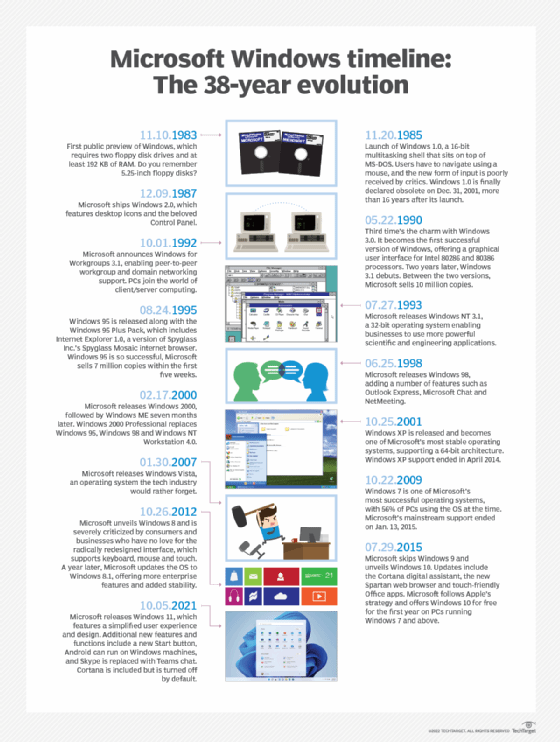
For many users, Microsoft is synonymous with Windows. As the most widely used desktop operating system in the world, Windows remains the gateway through which billions of people interact with technology. However, the definition of Windows has shifted from a static product to a service-based platform that bridges the gap between local computing and the cloud.
Windows 11 and the Future of the Operating System
Windows 11 represents Microsoft’s attempt to modernize the desktop experience for a post-pandemic world. It isn’t just about a centered taskbar or rounded corners; it is about integration. With features like Snap Layouts for multitasking and deep integration with Microsoft Teams, the OS is designed to be a “digital office.” Furthermore, Windows is increasingly becoming a hybrid OS, where local processing power is supplemented by cloud-based features, ensuring that even modest hardware can perform complex tasks.
Microsoft 365: From Desktop Software to Cloud-First Productivity
Perhaps the most significant shift in Microsoft’s history was the transition from Office (a one-time purchase) to Microsoft 365 (a subscription service). This “Software as a Service” (SaaS) model ensures that users always have the latest versions of Word, Excel, and PowerPoint, while also providing massive amounts of OneDrive cloud storage. Microsoft 365 is more than a set of writing tools; it is a collaborative ecosystem. Through SharePoint and Teams, it enables real-time collaboration across continents, turning the “office” into a fluid, digital space rather than a physical location.
Azure and the Backbone of the Modern Internet
If Windows is the face of Microsoft, Azure is its nervous system. Azure is Microsoft’s cloud computing platform, and it is currently the company’s primary engine of growth. It provides the infrastructure that allows businesses to build, manage, and deploy applications on a global network using their favorite tools and frameworks.
Infrastructure as a Service (IaaS) and Beyond
Cloud computing is often misunderstood as simple “online storage,” but Azure offers far more. It provides Infrastructure as a Service (IaaS), Platform as a Service (PaaS), and Software as a Service (SaaS). This means a startup can rent the computing power of a thousand servers for an hour to run a complex simulation, or a global bank can host its entire database across multiple continents to ensure 100% uptime. By removing the need for physical on-site servers, Azure has democratized high-level computing power for businesses of all sizes.
Why Enterprises Choose Azure for Digital Transformation
One of Microsoft’s greatest strengths in the cloud space is its “hybrid” approach. Many large corporations aren’t ready to move everything to the public cloud due to security or legacy requirements. Azure allows these companies to keep some data on-premises while using the cloud for data analytics and AI. This flexibility, combined with Microsoft’s deep roots in corporate IT, has made Azure the preferred choice for the Fortune 500, positioning Microsoft as an indispensable partner in the global “digital transformation” movement.
The AI Revolution: Microsoft Copilot and the OpenAI Partnership
In recent years, the answer to “what is Microsoft” has become increasingly tied to Artificial Intelligence. Through a multi-billion dollar partnership with OpenAI (the creators of ChatGPT), Microsoft has positioned itself at the absolute forefront of the Generative AI revolution.
Integrating Generative AI across the Ecosystem
Microsoft’s flagship AI product is Copilot. Unlike standalone chatbots, Copilot is designed to live inside the apps people use every day. In Word, it can draft an entire report based on a few bullet points; in Excel, it can analyze complex data sets and generate visualizations instantly; in Outlook, it can summarize long email threads. This integration represents a fundamental shift in computing—moving from a world where we “command” software to a world where we “collaborate” with it.
The Impact of AI on Developer Tools and GitHub
Microsoft’s acquisition of GitHub was a masterstroke in securing the loyalty of the developer community. With GitHub Copilot, Microsoft has applied AI to the very act of writing code. By suggesting snippets of code and identifying bugs in real-time, AI is significantly accelerating the pace of software development. This tool doesn’t just make coding faster; it lowers the barrier to entry, allowing a new generation of developers to build complex applications with the assistance of an AI “pair programmer.”
Beyond Software: Surface Hardware and the Gaming Ecosystem
While Microsoft is primarily a software and services company, its hardware and gaming divisions are essential components of its brand identity. These sectors allow the company to demonstrate the full potential of its software in a controlled, premium environment.
Surface: Defining the Windows Premium Experience
The Surface line of devices—ranging from the Pro tablets to the Laptop Studio—serves as a “north star” for the Windows ecosystem. Much like Google has the Pixel or Apple has the Mac, Microsoft uses Surface to show other manufacturers (like Dell or HP) what is possible when hardware and software are designed in tandem. Surface devices are often at the forefront of touch-screen innovation, stylus integration, and portable workstation design, catering to creative professionals and corporate executives alike.
Xbox and the Vision of Gaming Everywhere
Microsoft’s gaming division, headlined by Xbox, has shifted its focus from selling consoles to building a “Netflix for Games.” Through Xbox Game Pass, Microsoft offers a massive library of titles for a monthly fee, accessible on consoles, PCs, and even smartphones via cloud streaming. With the massive acquisition of Activision Blizzard, Microsoft now owns some of the biggest franchises in history, including Call of Duty and World of Warcraft. This move signals that Microsoft views gaming not just as a hobby, but as a critical pillar of the future “Metaverse” and digital entertainment landscape.
Security and the Future of Integrated Tech Ecosystems
As the world becomes more digital, the threats become more sophisticated. Microsoft has quietly become one of the world’s largest cybersecurity companies. This is a critical part of “what it is” today—a protector of the digital frontier.
Microsoft Security: Protecting the Cloud and the Edge
Because Microsoft software is everywhere, the company has a unique view of the global threat landscape. Microsoft Security (including tools like Microsoft Entra and Defender) uses AI to analyze trillions of signals every day, identifying and neutralizing cyberattacks before they can do damage. For modern enterprises, Microsoft isn’t just a provider of spreadsheets; it is a primary defense mechanism against ransomware and state-sponsored hacking.
The Road Ahead: Quantum Computing and Mixed Reality
Looking to the future, Microsoft is investing heavily in “moonshot” technologies. This includes Quantum Computing, which aims to solve problems that would take today’s most powerful supercomputers millions of years to crack. Additionally, through HoloLens and Microsoft Mesh, the company is exploring “Mixed Reality,” where digital information is overlaid onto the physical world. While these technologies are still in their infancy, they represent the next logical step in Microsoft’s journey: making technology so seamless and integrated that it disappears into the fabric of our daily lives.
Conclusion: A Platform for the Future
So, what is Microsoft? It is no longer just the “Windows company.” It is a massive, integrated tech ecosystem that provides the tools for modern life. It is the platform upon which developers build, the cloud where businesses grow, the AI that assists our creativity, and the security that keeps it all safe.
By successfully pivoting from the desktop era to the mobile and cloud era—and now to the AI era—Microsoft has proven to be one of the most resilient and influential entities in the history of technology. For the average user, Microsoft is an assistant; for the global enterprise, it is a foundation; and for the future of tech, it remains one of the most important architects of what comes next.
aViewFromTheCave is a participant in the Amazon Services LLC Associates Program, an affiliate advertising program designed to provide a means for sites to earn advertising fees by advertising and linking to Amazon.com. Amazon, the Amazon logo, AmazonSupply, and the AmazonSupply logo are trademarks of Amazon.com, Inc. or its affiliates. As an Amazon Associate we earn affiliate commissions from qualifying purchases.