
In the modern enterprise, technology is no longer just a support function; it is the central nervous system of every operation. As organizations migrate to the cloud, adopt artificial intelligence, and manage vast quantities of sensitive data, the regulatory environment surrounding these technologies has become increasingly complex. This brings us to a critical pillar of modern business operations: IT compliance.
At its core, IT compliance is the process of ensuring that an organization’s digital infrastructure, data management practices, and software deployments align with established legal requirements, industry regulations, and internal corporate policies. While often discussed alongside cybersecurity, compliance is a distinct discipline focused on the “how” and “why” of data governance, ensuring that technical systems meet the rigorous standards set by governments and international bodies.

Understanding the Core Framework of IT Compliance
To understand IT compliance, one must first distinguish it from IT security. While the two are inextricably linked, they serve different purposes. IT security is the implementation of technical controls—such as firewalls, encryption, and multi-factor authentication—to protect assets from unauthorized access. IT compliance, conversely, is the administrative and legal framework that dictates which security controls must be in place and provides the evidence that they are functioning correctly.
Regulatory vs. Contractual Compliance
Compliance generally falls into two categories: regulatory and contractual. Regulatory compliance refers to laws enacted by government bodies that carry legal weight and potential criminal or civil penalties. Examples include the General Data Protection Regulation (GDPR) or the Health Insurance Portability and Accountability Act (HIPAA).
Contractual compliance involves adhering to standards mandated by business partners or industry groups. For instance, any company processing credit card payments must adhere to the Payment Card Industry Data Security Standard (PCI-DSS). While not a federal law in every jurisdiction, failing to comply can result in the loss of the ability to process payments, which is effectively a death sentence for most modern businesses.
The Role of Governance, Risk, and Compliance (GRC)
In larger organizations, IT compliance is often managed through a framework known as GRC (Governance, Risk, and Compliance).
- Governance ensures that IT activities align with business goals.
- Risk Management identifies the digital threats that could compromise data integrity or availability.
- Compliance ensures the organization meets the standards identified during the governance and risk assessment phases.
By integrating these three elements, companies can move away from “check-the-box” compliance and toward a holistic strategy where technical excellence and legal adherence work in tandem.
Key Regulations Shaping the Modern Tech Landscape
The global regulatory landscape is a patchwork of regional and industry-specific mandates. Navigating these requires a deep understanding of where your data resides, who has access to it, and the nature of the information being stored.
Data Privacy and Sovereignty (GDPR and CCPA)
The General Data Protection Regulation (GDPR) in the European Union and the California Consumer Privacy Act (CCPA) represent a paradigm shift in how technology handles personal information. These regulations grant individuals the “right to be forgotten” and require companies to provide transparency regarding data collection. From a technical perspective, this requires robust data indexing and the ability to purge specific user records across distributed databases—a significant engineering challenge.
Industry-Specific Standards (HIPAA, PCI-DSS, SOC 2)
For tech companies operating in specialized sectors, the requirements are even more granular:
- HIPAA: Requires healthcare providers and their tech vendors to implement “Administrative, Physical, and Technical Safeguards” for protected health information (PHI). This includes audit logs that track every instance a record is viewed.
- PCI-DSS: Focuses on the security of the “Cardholder Data Environment.” It mandates strict network segmentation to ensure that payment data is isolated from the rest of the corporate network.
- SOC 2 (System and Organization Controls): Developed by the AICPA, SOC 2 is a technical audit specifically for service providers (SaaS, cloud storage). It evaluates a company’s systems based on five “Trust Services Criteria”: security, availability, processing integrity, confidentiality, and privacy.
The Importance of Audit Trails
A common thread across all these regulations is the necessity of documentation. In the world of IT compliance, if an action wasn’t logged, it didn’t happen. Automated logging and monitoring tools are essential for maintaining an audit trail that proves to external auditors that security protocols were active during a specific timeframe.
The Strategic Implementation of Compliance Protocols
Achieving IT compliance is not a one-time project; it is a continuous lifecycle of assessment, implementation, and monitoring. As a company’s tech stack evolves—perhaps by adding a new API or moving from a monolithic architecture to microservices—the compliance requirements change as well.
Developing an Internal Policy Framework
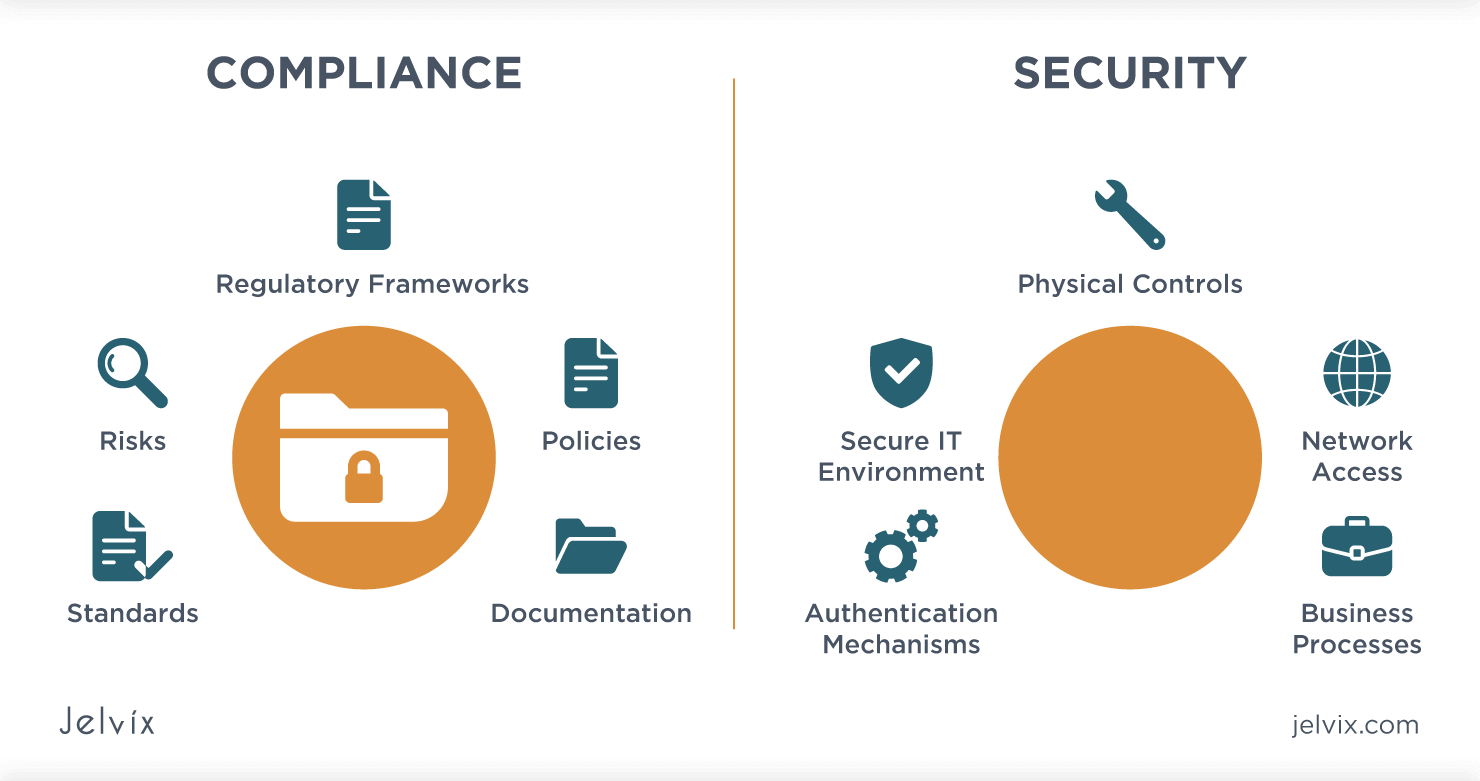
The first step in any compliance journey is the creation of a comprehensive policy manual. This document serves as the “North Star” for the IT department. It defines:
- Access Control Policies: Who has access to what, and how is that access revoked? (Least Privilege Principle).
- Data Retention Policies: How long is data kept, and how is it securely destroyed?
- Incident Response Plans: What are the technical and legal steps taken if a breach occurs?
Role of Automated Tools and Monitoring
In an era of cloud-scale infrastructure, manual compliance checks are impossible. Modern organizations utilize Cloud Compliance Monitoring tools that scan environments in real-time. These tools can automatically detect “configuration drift”—for example, when a developer accidentally leaves an Amazon S3 bucket public—and either alert the security team or automatically remediate the issue.
Furthermore, Compliance-as-Code (CaC) is an emerging trend where compliance requirements are written into the deployment scripts. This ensures that every new server or application deployed is compliant by design, reducing the “human error” factor that leads to most regulatory failures.
The Cost of Non-Compliance: Risks and Remediation
The consequences of failing an IT compliance audit or suffering a breach while out of compliance are severe. These risks are categorized into financial, operational, and reputational categories.
Financial Penalties and Legal Repercussions
Regulatory bodies have the authority to levy massive fines. Under GDPR, for example, fines can reach up to €20 million or 4% of a company’s global annual turnover, whichever is higher. Beyond fines, non-compliance often leads to class-action lawsuits and the high cost of forensic investigations required to identify the extent of a failure.
Reputational Damage and Operational Downtime
While a fine is a one-time hit to the balance sheet, reputational damage can be permanent. In the B2B tech world, compliance certifications like SOC 2 or ISO 27001 are often prerequisites for closing deals. If a vendor cannot prove compliance, they lose the trust of their clients and their place in the market.
Additionally, remediation—the process of fixing the gaps discovered during an audit—is often more expensive than maintaining compliance in the first place. It involves emergency software patches, re-architecting databases, and often, significant downtime for critical services.
Future Trends: AI and the Evolution of Regulatory Technology (RegTech)
As technology moves faster, the methods we use to regulate it must also evolve. We are currently witnessing the rise of “RegTech”—technology designed specifically to help companies manage the burden of compliance.
AI-Driven Compliance
Artificial Intelligence is being leveraged to analyze thousands of pages of new regulations and map them to a company’s existing controls. AI can also perform “predictive compliance,” analyzing system logs to identify patterns that might indicate a future compliance failure before it actually happens. This moves the organization from a reactive posture to a proactive one.
Continuous Compliance in the DevOps Lifecycle
The traditional model of an annual “audit season” is becoming obsolete. With the shift toward CI/CD (Continuous Integration and Continuous Deployment), compliance is being integrated directly into the software development lifecycle. This is often called “shifting left.” By testing for compliance vulnerabilities during the coding phase, developers can fix issues before they ever reach a production environment.
Sovereignty and Localized Tech Stacks
As more countries introduce their own data localization laws (requiring that data on citizens be stored on physical servers within that country’s borders), IT compliance will become increasingly geographic. Tech stacks will need to become more modular, allowing companies to “swap out” data storage components based on the local laws of the region they are serving.

Conclusion: Compliance as a Competitive Advantage
Many organizations view IT compliance as a hurdle—a set of restrictive rules that slow down innovation. However, the most forward-thinking tech leaders view compliance as a competitive advantage. In an age where data breaches are daily news, a robust compliance posture is a powerful marketing tool. It signals to customers, investors, and partners that the organization treats its digital responsibilities with the utmost seriousness.
By building a culture that prioritizes digital governance, companies do more than just avoid fines. They build more resilient systems, foster deeper trust with their users, and create a solid foundation for the next wave of technological innovation. IT compliance is no longer a niche concern for the legal department; it is a fundamental requirement for any organization that seeks to thrive in the digital economy.
aViewFromTheCave is a participant in the Amazon Services LLC Associates Program, an affiliate advertising program designed to provide a means for sites to earn advertising fees by advertising and linking to Amazon.com. Amazon, the Amazon logo, AmazonSupply, and the AmazonSupply logo are trademarks of Amazon.com, Inc. or its affiliates. As an Amazon Associate we earn affiliate commissions from qualifying purchases.