
In today’s interconnected and increasingly complex global marketplace, businesses of all sizes are constantly seeking ways to build trust, demonstrate competence, and achieve a competitive edge. One of the most universally recognized symbols of such dedication to quality, consistency, and customer satisfaction is an “ISO certification.” But what exactly does it mean when a company, product, or service is labeled as ISO certified? Far from being a mere badge of honor, ISO certification represents a commitment to rigorous international standards that can significantly impact various aspects of a business, from its operational efficiency and product quality to its market reputation and financial performance.
The International Organization for Standardization (ISO) is an independent, non-governmental international organization that develops and publishes voluntary international standards. These standards are designed to ensure that products and services are safe, reliable, and of good quality. When a company achieves ISO certification for a specific standard, it means they have undergone a thorough external audit and demonstrated that their processes and systems consistently meet the stringent requirements of that standard. This process is not a one-time event; it involves ongoing surveillance and recertification to ensure continued compliance.
The impact of ISO certification ripples across the core pillars of any successful enterprise. In the realm of Tech, it signifies a commitment to robust digital security, reliable software development, and efficient operational processes. For Brand, it solidifies a reputation for excellence, consistency, and customer-centricity, underpinning effective marketing and corporate identity. And in terms of Money, it can translate into increased profitability, reduced operational costs, and enhanced investor confidence.
Understanding the Foundation: The ISO Framework and Its Significance
At its heart, ISO certification is about establishing and maintaining effective management systems. These systems are documented sets of policies, processes, and procedures that define how an organization operates and achieves its objectives. The beauty of ISO standards lies in their universality. Developed by experts from around the world, they provide a common language and framework that transcends geographical boundaries and industry silos. This standardization fosters global trade by creating a level playing field and reducing the need for country-specific certifications.
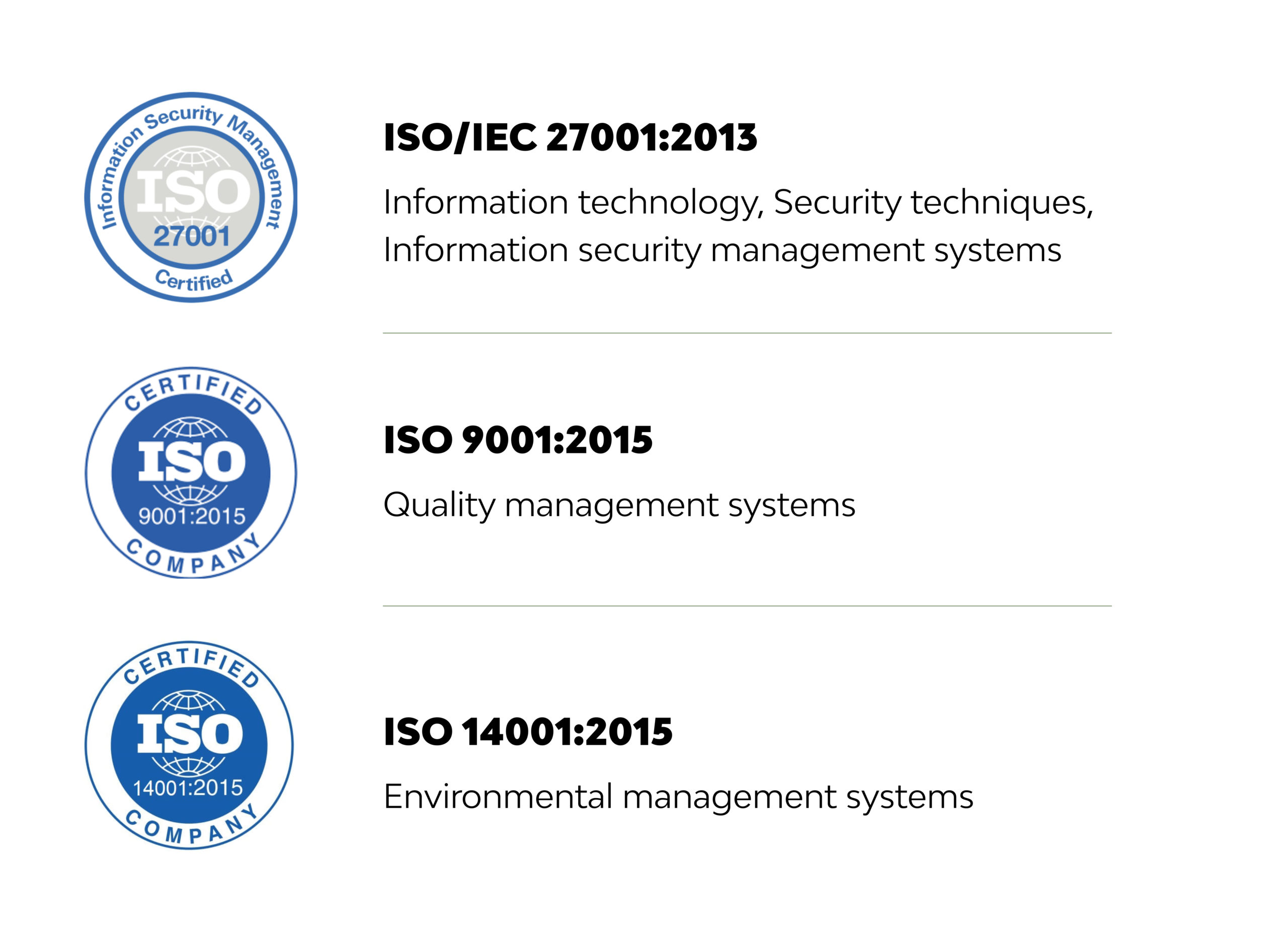
The most well-known and widely adopted ISO standard is ISO 9001, which focuses on Quality Management Systems (QMS). Achieving ISO 9001 certification demonstrates an organization’s ability to consistently provide products and services that meet customer and regulatory requirements. It emphasizes a process-based approach, risk-based thinking, and a commitment to continuous improvement. This means that an ISO 9001 certified company has clearly defined procedures for everything from product design and development to customer service and corrective actions.
Beyond ISO 9001, there are hundreds of other ISO standards covering a vast array of fields. For instance, in the Tech sector, ISO 27001 is paramount for Information Security Management Systems (ISMS). This standard outlines requirements for establishing, implementing, maintaining, and continually improving an ISMS. It is crucial for organizations handling sensitive data, ensuring robust cybersecurity measures, and building trust with clients concerned about data breaches and privacy. Similarly, standards like ISO 14001 (Environmental Management Systems) and ISO 45001 (Occupational Health and Safety Management Systems) demonstrate a company’s commitment to responsible business practices, which can be increasingly important for corporate reputation and attracting socially conscious investors.
The Pillars of ISO Certification: Quality, Security, and Operational Excellence
The core benefits of ISO certification can be broadly categorized, aligning perfectly with the key focus areas of modern business:
Driving Tech Innovation and Security Through Standards
In the fast-paced world of Tech, where rapid innovation is coupled with increasing threats to digital infrastructure, ISO certification provides a vital framework for ensuring both progress and protection. For software development companies, achieving ISO 9001 certification means their development processes are streamlined, well-documented, and focused on delivering high-quality, bug-free software. This not only enhances customer satisfaction but also reduces costly rework and support issues.
The implications of ISO 27001 for tech companies are profound. In an era of sophisticated cyberattacks and stringent data privacy regulations (like GDPR or CCPA), demonstrating a robust ISMS is no longer optional. It signals to clients and partners that their sensitive information is handled with the utmost care, adhering to internationally recognized best practices for data protection, risk assessment, and incident response. This can be a significant differentiator when bidding for contracts, particularly with government agencies or large corporations with strict security requirements. Furthermore, the continuous improvement inherent in ISO standards encourages tech firms to constantly review and upgrade their security protocols, staying ahead of evolving threats.
For developers of AI tools and applications, adhering to relevant ISO standards can lend credibility and trust to their offerings. While AI ethics and bias are burgeoning areas of concern, an ISO certification in quality management or information security can signal a company’s commitment to responsible development and deployment. This can be crucial for gaining wider adoption and building user confidence in complex and sometimes opaque technologies.
Elevating Brand Reputation and Building Trust
In the competitive landscape of Brand building and marketing, ISO certification acts as a powerful testament to an organization’s commitment to excellence. When a company proudly displays its ISO certification, it sends a clear message to customers, partners, and stakeholders: “We are dedicated to consistent quality, customer satisfaction, and continuous improvement.” This can significantly enhance brand perception and build invaluable trust.
For businesses focused on personal branding, while individual certifications might be more prevalent, understanding and aligning with ISO principles can still be beneficial. For instance, a consultant or freelancer who adopts a structured, quality-driven approach to their work, even without formal ISO certification, can communicate that professionalism and reliability to their clients. For larger organizations, corporate identity is deeply intertwined with their operational standards. An ISO certification for quality management, for example, can become a cornerstone of their marketing collateral, website, and sales pitches, demonstrating a tangible commitment to delivering on brand promises.
Case studies of ISO-certified companies often highlight how this certification has opened doors to new markets, secured larger contracts, and improved customer loyalty. In industries where safety, reliability, and adherence to specifications are paramount, such as aerospace, automotive, or medical devices, ISO certification is often a prerequisite for doing business. The rigorous external audits involved in obtaining and maintaining certification provide a level playing field, ensuring that all certified entities meet a baseline of quality. This uniformity also simplifies marketing efforts, as the inherent trust associated with ISO standards reduces the need for extensive validation by potential customers.
Enhancing Financial Performance and Market Access
The impact of ISO certification extends directly to the bottom line, affecting Money matters in several crucial ways. Primarily, the focus on efficiency and process optimization inherent in ISO standards, particularly ISO 9001, leads to reduced waste, fewer errors, and improved productivity. This translates into lower operational costs, which can significantly boost profitability. By streamlining workflows and minimizing defects, companies can save money on rework, scrap, and customer complaints.
Moreover, ISO certification can unlock new market opportunities and attract investment. Many government tenders and large corporate procurement processes mandate ISO certification for suppliers. By meeting these requirements, businesses gain access to a broader range of clients and larger contracts, directly impacting revenue. Investors, too, often view ISO certification as a sign of a well-managed, stable, and risk-averse company. This can make a business a more attractive investment prospect, potentially leading to better funding opportunities and higher valuations.
For businesses operating in sectors that require specific financial tools or regulatory compliance, adherence to ISO standards can ensure that their financial processes are robust and auditable. While ISO doesn’t directly certify financial processes in the same way it does quality management, the principles of documentation, risk assessment, and continuous improvement are transferable. For online income or side hustle ventures, understanding and implementing quality-focused practices, even if not formally certified, can lead to more reliable service delivery and a stronger reputation, ultimately driving more consistent income. Business finance departments can leverage the structured approach of ISO to improve internal controls, financial reporting accuracy, and compliance with financial regulations.
The Journey to Certification: Process and Benefits
Achieving ISO certification is a deliberate and systematic process. It typically involves:
Selecting the Right Standard(s)
The first step is to identify which ISO standard(s) are most relevant to the organization’s operations and strategic goals. This depends on the industry, the types of products or services offered, and the specific areas the company wishes to improve or demonstrate competence in.
Implementing the Management System
This involves developing and documenting the policies, processes, and procedures required by the chosen standard. This is often an extensive undertaking that requires commitment from all levels of the organization.
Internal Audits and Management Review
Before external assessment, the organization conducts internal audits to verify that the implemented system conforms to the standard and is effectively operating. Management reviews are also conducted to assess the system’s suitability, adequacy, and effectiveness.
External Certification Audit
A third-party accredited certification body conducts an on-site audit to assess the organization’s conformance to the standard. This audit usually involves two stages: a documentation review and an on-site assessment of the system’s implementation and effectiveness.
Obtaining Certification and Maintaining Compliance
Upon successful completion of the audit, the organization is awarded ISO certification. However, this is not the end of the journey. Regular surveillance audits are conducted by the certification body to ensure that the management system continues to meet the standard’s requirements, along with periodic recertification audits.
The benefits of embarking on this journey are multifaceted and long-lasting. Beyond the enhanced reputation and improved financial performance discussed earlier, ISO certification fosters a culture of quality and continuous improvement within an organization. It empowers employees by providing clear guidelines and responsibilities, leading to increased engagement and a shared sense of purpose. For tech companies, it can mean a more robust development pipeline and fewer security vulnerabilities. For brands, it solidifies customer trust and market positioning. And for financial operations, it leads to greater efficiency and reduced risk. In essence, ISO certification is a strategic investment that pays dividends across every facet of a modern business, enabling it to thrive in an increasingly demanding global landscape.
aViewFromTheCave is a participant in the Amazon Services LLC Associates Program, an affiliate advertising program designed to provide a means for sites to earn advertising fees by advertising and linking to Amazon.com. Amazon, the Amazon logo, AmazonSupply, and the AmazonSupply logo are trademarks of Amazon.com, Inc. or its affiliates. As an Amazon Associate we earn affiliate commissions from qualifying purchases.