
In the realm of personal finance and business operations, navigating the complexities of taxation can often feel like deciphering a foreign language. Among the many acronyms and identifiers encountered, the term “IRS number” frequently arises. But what exactly does it refer to, and why is it so crucial? This article will demystify the concept of IRS numbers, breaking down the various types, their applications, and their significance across different financial and business contexts, drawing connections to the core themes of Tech, Brand, and Money.
Understanding the IRS and Its Identification System
The Internal Revenue Service (IRS) is the United States’ tax agency, responsible for collecting taxes and enforcing tax laws. To effectively manage this colossal task, the IRS relies on a robust identification system that assigns unique numbers to individuals, businesses, and other entities. These numbers are the bedrock upon which tax filings, financial transactions, and regulatory compliance are built. Without them, distinguishing between taxpayers and processing countless returns would be an insurmountable challenge.
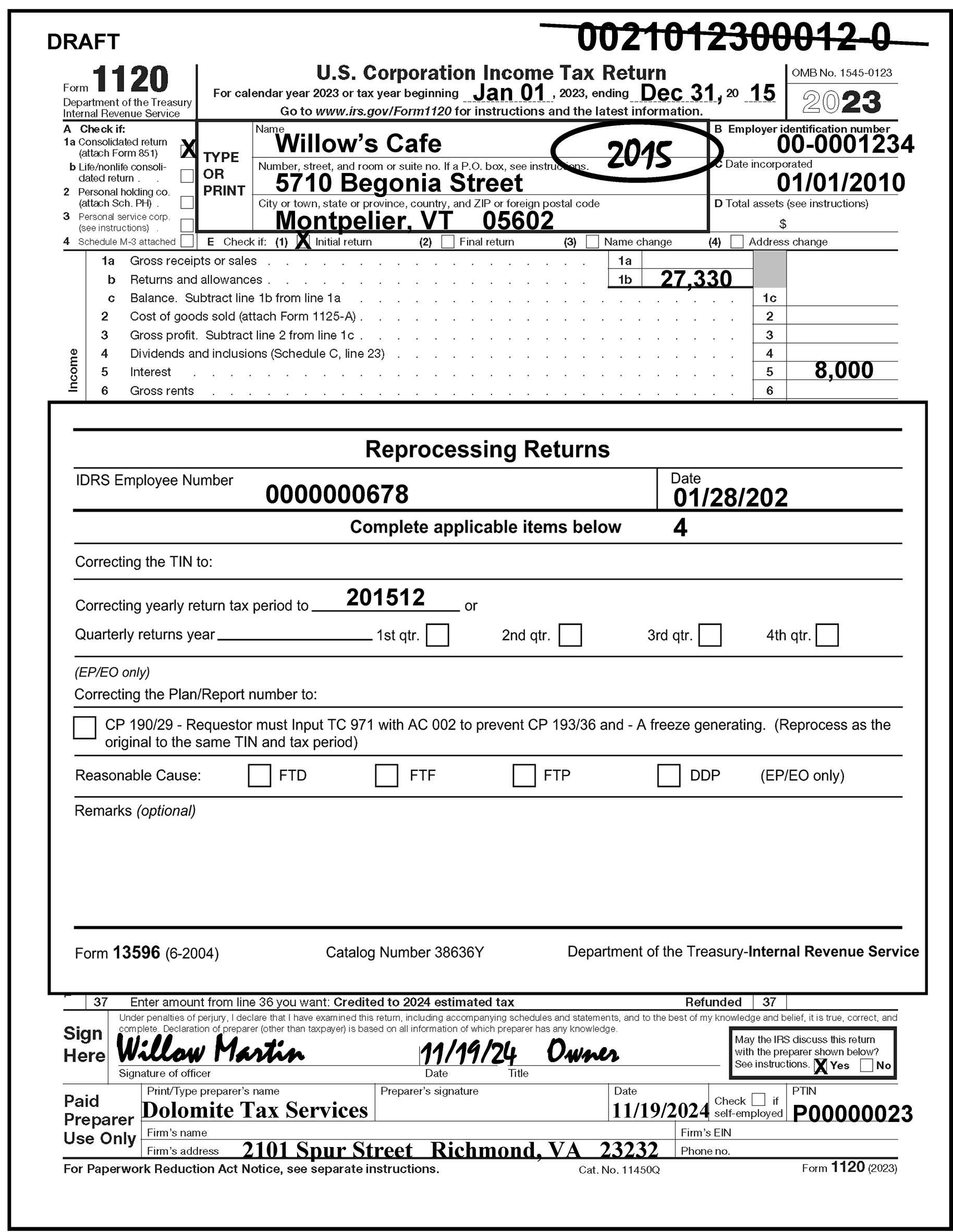
The concept of an “IRS number” isn’t a single, monolithic entity. Instead, it encompasses several distinct identifiers, each serving a specific purpose. The most common and widely recognized is the Social Security Number (SSN), but for businesses and certain other entities, different identifiers are used. Understanding these distinctions is paramount for accurate financial record-keeping, efficient business operations, and avoiding potential legal or financial repercussions.
The Pillars of Tax Identification: SSN and EIN
When most people think of an “IRS number,” their minds immediately go to the Social Security Number (SSN). This nine-digit number, issued by the Social Security Administration (SSA), is not solely a tax identifier but also a fundamental tool for tracking earnings and determining benefits. However, its role in taxation is undeniably central.
The Social Security Number (SSN): The Individual’s Tax Cornerstone
What is an SSN?
The SSN is primarily used to track an individual’s earnings and contributions to Social Security and Medicare. For taxpayers, it’s the key identifier used on every tax form filed with the IRS. When you file your individual income tax return (Form 1040), your SSN is your personal fingerprint, ensuring that your tax liability and any refunds are correctly attributed to you.
Why is the SSN Important for Individuals?
- Tax Filing: Your SSN is mandatory for filing any federal income tax return. Without it, the IRS cannot process your return, leading to significant delays and potential penalties.
- Employment: Employers use your SSN to report your wages to the government. This information is crucial for calculating your tax obligations and determining your eligibility for Social Security and Medicare benefits later in life.
- Financial Accounts: Banks and other financial institutions require your SSN to open accounts, issue loans, and report interest income to the IRS.
- Government Benefits: Beyond Social Security and Medicare, your SSN is used to access other government services and benefits.
Who Needs an SSN?
Generally, U.S. citizens, permanent residents, and eligible temporary workers are issued SSNs. While it’s not technically an “IRS number” at its origin, its indispensable role in taxation makes it a de facto IRS identifier for individuals.
The Employer Identification Number (EIN): The Business’s Tax Mandate
For businesses and a variety of other organizations, the Employer Identification Number (EIN), also known as the Federal Tax Identification Number (FTIN), serves a similar purpose to the SSN, but on a corporate or organizational level.
What is an EIN?
The EIN is a nine-digit number assigned by the IRS to business entities operating in the United States for identification purposes. It’s essentially the “social security number” for a business.
Why is an EIN Important for Businesses?
- Business Operations: An EIN is required for most business structures, including corporations, partnerships, limited liability companies (LLCs), and even sole proprietorships that hire employees or operate certain types of retirement plans.
- Tax Filing: Businesses use their EIN to file all tax returns, including those for income tax, employment tax, and excise tax.
- Banking: Businesses need an EIN to open business bank accounts, obtain business loans, and conduct other financial transactions under the company’s name.
- Hiring Employees: If your business intends to hire employees, an EIN is mandatory for reporting payroll taxes to the IRS.
- Business-to-Business Transactions: Many vendors and clients will require your EIN for their own record-keeping and tax purposes.
Who Needs an EIN?
The IRS mandates EINs for a wide range of entities, including:
- Corporations
- Partnerships
- Limited Liability Companies (LLCs)
- Sole proprietorships that have employees
- Sole proprietorships that file for bankruptcy or are involved in specific types of trusts or estates.
Applying for an EIN:
Obtaining an EIN is a relatively straightforward process, typically done online through the IRS website. It’s a free service, and businesses should be wary of any third-party services that charge significant fees for this application.
Beyond the Core: Other Tax-Related Identifiers
While SSNs and EINs are the most prevalent “IRS numbers,” the tax landscape includes other identifiers that individuals and businesses might encounter, particularly in specialized financial or technological contexts.
The Individual Taxpayer Identification Number (ITIN): For Non-Resident Aliens and Others
What is an ITIN?
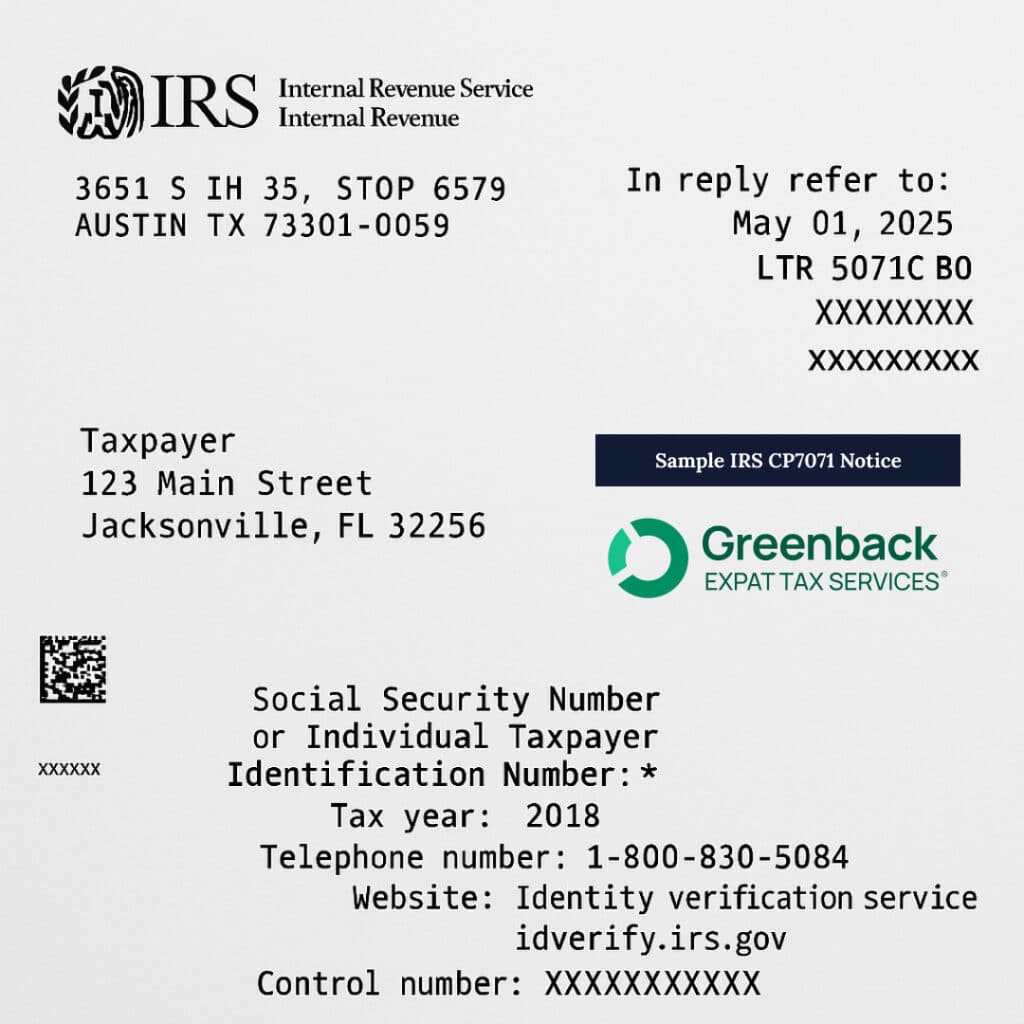
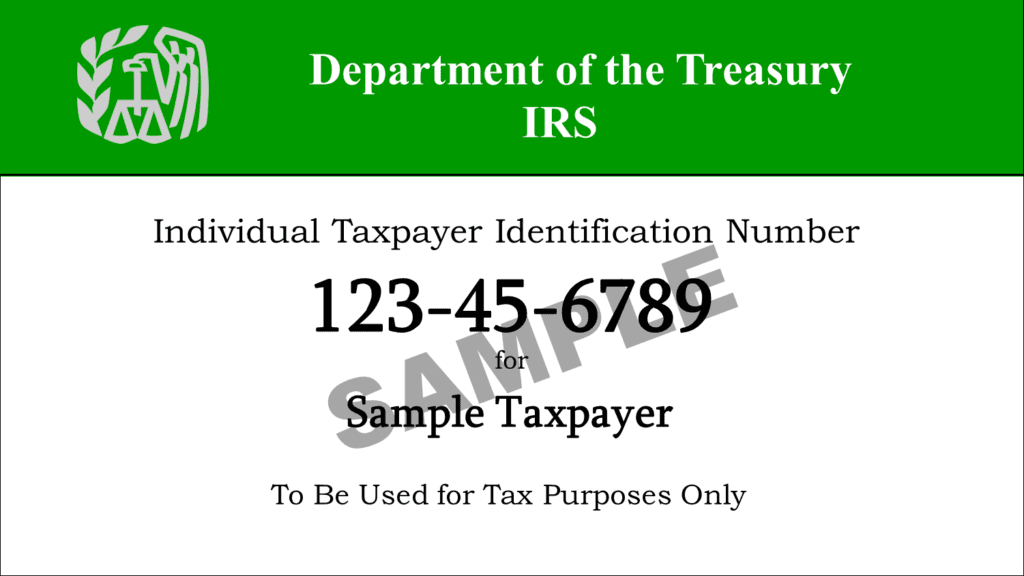
The Individual Taxpayer Identification Number (ITIN) is issued by the IRS to individuals who are required to have a U.S. taxpayer identification number but do not have, and are not eligible to obtain, a Social Security number.
Who Needs an ITIN?
ITINs are primarily for non-resident aliens who have U.S. tax obligations, resident aliens who are not eligible for an SSN, and dependents or spouses of U.S. citizens or resident aliens who cannot obtain an SSN. This might include individuals who earn income in the U.S. but are not U.S. citizens or permanent residents.
Why is an ITIN Important?
- Tax Filing: Like an SSN, an ITIN is used to file federal tax returns. This allows individuals who would otherwise be unable to file to comply with U.S. tax laws.
- Financial Opportunities: Having an ITIN can open doors to certain financial opportunities, such as opening U.S. bank accounts or obtaining certain types of loans, although this can vary by financial institution.
Applying for an ITIN:
Applications for ITINs are submitted using Form W-7, along with the required supporting documentation. The process can take several weeks.
Other Tax Identifiers: A Glimpse into Specialized Needs
In addition to the above, there are other tax identification numbers that are less common for the average individual or small business but are crucial for specific industries or operations. These can include:
- Dependent Identification Numbers: In some limited cases, dependents who are not eligible for an SSN but need to file a tax return may be assigned a unique identifier.
- Estate and Trust Identification Numbers: Estates and trusts that are required to file tax returns will also have their own identification numbers, similar in principle to an EIN.
These less common identifiers underscore the IRS’s need for comprehensive tracking across all financial activities that intersect with U.S. tax law.
The Intersection of IRS Numbers, Tech, Brand, and Money
The concepts of IRS numbers are not isolated within the dusty halls of tax law. They are deeply intertwined with the modern landscapes of Technology, Brand, and Money.
Tech and IRS Numbers: Streamlining Compliance and Security
The digital age has revolutionized how we interact with the IRS.
- E-filing: The widespread adoption of e-filing for both individuals and businesses has made the accurate input of SSNs and EINs more critical than ever. Tax software and online portals rely on these numbers for secure authentication and accurate data transmission.
- Digital Security: Protecting your SSN and your business’s EIN is paramount in an era of increasing cyber threats. Data breaches can lead to identity theft and financial fraud. Robust digital security measures, strong passwords, and awareness of phishing scams are essential to safeguard these vital identifiers.
- AI and Tax Tools: Artificial intelligence is increasingly being used to develop advanced tax software, personalized financial advice, and even to help businesses automate compliance processes. These tools often require access to your tax identification numbers to function effectively. The ethical implications of AI handling such sensitive data are also a growing concern.
Brand and IRS Numbers: Building Trust and Reputation
For businesses, an EIN is more than just a tax ID; it’s a component of their overall brand identity.
- Legitimacy and Professionalism: Having a registered business with an EIN signals legitimacy and professionalism to customers, suppliers, and investors. It builds trust and credibility, which are cornerstones of a strong brand.
- Brand Reputation: Conversely, issues related to tax compliance, which are directly linked to accurate identification numbers, can severely damage a brand’s reputation. Tax evasion or penalties can lead to negative publicity and erode consumer trust.
- Corporate Identity: The EIN is an integral part of a company’s official corporate identity, appearing on legal documents, financial statements, and official communications.
Money and IRS Numbers: The Foundation of Financial Life
The primary function of IRS numbers is to manage and track financial activities.
- Personal Finance: Your SSN is the key to managing your personal finances, from opening bank accounts and applying for credit to tracking investments and understanding your tax liability on income and capital gains.
- Business Finance: For businesses, the EIN is essential for managing cash flow, securing financing, managing payroll, and ensuring compliance with all financial regulations. It underpins every financial transaction and reporting requirement.
- Investing and Income Generation: Whether you’re earning money through a traditional job, a side hustle, or investments, your SSN or EIN will be used to report that income to the IRS. Understanding how your income is taxed is fundamental to sound financial planning.
Conclusion: The Unseen Architects of Our Financial Lives
In essence, an “IRS number” is not a singular entity but a category of vital identification numbers that enable the functioning of the U.S. tax system. The Social Security Number (SSN) serves as the individual’s primary tax identifier, while the Employer Identification Number (EIN) is the cornerstone for businesses. For those unable to obtain an SSN, the Individual Taxpayer Identification Number (ITIN) provides a pathway for tax compliance.
These numbers are the unseen architects of our financial lives, underpinning everything from individual tax filings and employment to the very existence and operations of businesses. In our increasingly digital and interconnected world, understanding and safeguarding these critical identifiers has never been more important. By recognizing their significance and their interplay with technology, branding, and financial management, individuals and businesses can navigate the complexities of taxation with greater confidence and security.
aViewFromTheCave is a participant in the Amazon Services LLC Associates Program, an affiliate advertising program designed to provide a means for sites to earn advertising fees by advertising and linking to Amazon.com. Amazon, the Amazon logo, AmazonSupply, and the AmazonSupply logo are trademarks of Amazon.com, Inc. or its affiliates. As an Amazon Associate we earn affiliate commissions from qualifying purchases.