
In the complex world of finance and taxation, understanding the various identification numbers issued by the Internal Revenue Service (IRS) is paramount for individuals, businesses, and non-profits alike. Often referred to broadly as an “IRS number,” this term actually encompasses several distinct identifiers, each serving a unique and critical purpose in the U.S. financial system. Far more than just a sequence of digits, these numbers are the keys to tax compliance, opening bank accounts, conducting business, and ensuring individuals can participate fully in the economic landscape. This comprehensive guide will demystify what an IRS number entails, breaking down its various forms, their specific applications, and the essential steps involved in obtaining and protecting them.

Decoding the IRS Number: More Than Just a String of Digits
At its core, an IRS number is a unique identifier used by the Internal Revenue Service to keep track of financial activities and ensure tax compliance. However, the singular term “IRS number” is often a simplification that masks the diversity of these identifiers. Depending on whether you are an individual, a business, or a foreign entity, the “IRS number” you encounter or require will differ significantly. Understanding these distinctions is the first step toward navigating your financial obligations and opportunities efficiently.
The Core Function of Identification
Every financial transaction, every tax filing, and every economic interaction within the U.S. system relies on a precise method of identification. IRS numbers provide this critical function, linking specific entities—be they individuals, corporations, or trusts—to their financial records. Without these identifiers, the IRS would be unable to process returns, collect taxes, or enforce tax laws, leading to a chaotic and unsustainable financial ecosystem. This identification system is the backbone of transparency and accountability in the nation’s fiscal operations.
Navigating the Tax Landscape with IRS Identifiers
From filing your annual income tax return to establishing a multi-million dollar corporation, an IRS number is your indispensable companion. For individuals, it dictates how your personal income and deductions are recorded. For businesses, it enables you to hire employees, operate legally, and even open a basic checking account. These numbers are not mere bureaucratic formalities; they are the fundamental tools that allow you to interact with the federal government for financial purposes, ensuring that you meet your tax responsibilities while also accessing the rights and privileges afforded by the system.
A Gateway to Financial Transactions
Beyond tax compliance, IRS numbers serve as a gateway to a wide array of financial transactions. Need a loan to expand your business? An EIN will likely be required. Planning to open a brokerage account or invest in real estate? Your SSN or ITIN will be necessary. These identifiers are often a prerequisite for engagement with banks, investment firms, credit agencies, and various government programs. They authenticate your financial identity, enabling institutions to verify your eligibility and track your financial footprint, thereby protecting both you and the financial system from fraud and misuse.
The Many Faces of IRS Numbers: EIN, ITIN, and SSN
While the public might colloquially refer to an “IRS number,” the agency primarily uses three distinct types of identification numbers, each assigned based on specific criteria and serving different constituencies. These are the Employer Identification Number (EIN), the Individual Taxpayer Identification Number (ITIN), and the Social Security Number (SSN). Understanding the unique purpose and application of each is crucial for proper financial planning and compliance.
Employer Identification Number (EIN): For Businesses and Beyond
The Employer Identification Number (EIN), also known as a Federal Tax Identification Number, is a nine-digit number assigned by the IRS to identify businesses for tax purposes. It is analogous to an SSN for individuals but is specifically for entities.
- What it is and who needs it: An EIN is essential for nearly all types of businesses and many other organizations. If you have employees, operate as a corporation or partnership, file excise, employment, or alcohol, tobacco, and firearms taxes, or if you withhold taxes on income paid to a non-resident alien, you need an EIN. Furthermore, trusts (except certain grantor trusts), estates, real estate mortgage investment conduits (REMICs), non-profit organizations, farmer’s cooperatives, and plan administrators also typically require an EIN.
- Examples of entities requiring an EIN: This includes sole proprietors with employees, LLCs, corporations (S-Corp, C-Corp), partnerships, non-profit organizations, estates, trusts, and even individuals who might file bankruptcy and need a separate tax identity for the bankruptcy estate. Obtaining an EIN is a foundational step for formalizing your business and engaging in legal commerce.
Individual Taxpayer Identification Number (ITIN): For Non-Citizens
The Individual Taxpayer Identification Number (ITIN) is a nine-digit tax processing number issued by the IRS to individuals who are required to have a U.S. taxpayer identification number but who do not have, and are not eligible to obtain, a Social Security Number (SSN).
- Purpose and common users: ITINs are issued regardless of immigration status because both resident and non-resident aliens may have U.S. tax filing or reporting requirements. Common users include non-resident aliens who own U.S. rental property, foreign students or scholars who earn income, and dependents of U.S. citizens or resident aliens who are not eligible for an SSN. It allows these individuals to comply with U.S. tax laws and pay taxes on U.S.-sourced income.
- Distinction from SSN: It is critical to understand that an ITIN is only for federal tax reporting purposes. It does not authorize work in the U.S., provide eligibility for Social Security benefits, or qualify an individual for the Earned Income Tax Credit. It is purely a tax processing number, distinct from the broader uses of an SSN.
Social Security Number (SSN): The Personal Identifier
The Social Security Number (SSN) is a nine-digit number issued to citizens and permanent residents of the United States, and some temporary residents with work authorization. While issued by the Social Security Administration (SSA), it is profoundly integrated into the IRS’s tax collection efforts.
- Primary use for individuals: The SSN is the primary individual identifier for tax purposes. It is used to report wages to the government, track earnings, and determine Social Security benefits. When you file your personal income tax return (Form 1040), your SSN is the central identifier used by the IRS.
- Importance beyond taxes: Beyond taxes, the SSN is a vital number for virtually every aspect of personal finance. It’s used for opening bank accounts, applying for credit cards, obtaining loans (mortgages, auto loans), enrolling in Medicare, applying for government benefits, and even in certain employment verification processes. Its pervasive use makes its security paramount.
Why Do You Need an IRS Number? Critical Applications and Compliance
The necessity of an IRS number extends far beyond merely satisfying a bureaucratic requirement. These identifiers are fundamental to legal and financial participation in the United States economy. Without the correct IRS number, individuals and businesses would be severely restricted in their ability to engage in crucial financial activities, access services, and fulfill their legal obligations.
Filing Tax Returns (Federal and State)
This is perhaps the most obvious and universal application. Whether it’s an individual reporting their annual income, a corporation declaring profits, or a non-profit organization filing an informational return, an IRS number (SSN, ITIN, or EIN) is essential. It ensures that the correct entity is associated with the tax documents and that the government can accurately assess and collect due taxes. This also applies to state-level tax filings, which often require the federal identifier.
Business Operations and Legal Requirements
For businesses, an EIN is a cornerstone. It’s needed for:
- Hiring Employees: You cannot legally hire employees and run payroll without an EIN. This number is used to report wages, withholdings, and pay employment taxes.
- Opening Bank Accounts: Nearly all financial institutions require an EIN to open a business checking or savings account, crucial for separating personal and business finances.
- Obtaining Permits and Licenses: Many federal, state, and local permits and licenses necessary for business operations require an EIN.
- Applying for Business Loans: Lenders use your EIN to identify your business, assess its creditworthiness, and process loan applications.
- Forming Legal Entities: When forming an LLC, corporation, or partnership, an EIN is typically obtained shortly after formation to establish the entity’s financial identity.
Financial Transactions
IRS numbers are critical for a vast range of personal and business financial transactions:
- Investments: Opening brokerage accounts, purchasing stocks, bonds, or other securities, and engaging in real estate transactions often require an SSN (for individuals) or EIN (for businesses) for tax reporting purposes (e.g., reporting capital gains).
- Loans and Credit: Applying for mortgages, car loans, personal loans, or credit cards necessitates providing your SSN, which lenders use to check your credit history and assess risk.
- Banking: Beyond business accounts, individuals need an SSN or ITIN to open personal bank accounts, establish credit unions memberships, or utilize certain financial services.
Employee Identification and Payroll
For employers, the EIN is indispensable for managing payroll and employment taxes. It’s used to:
- Identify the employer on all tax forms related to employment (e.g., Form W-2, Form 941).
- Report FICA taxes (Social Security and Medicare), federal unemployment tax (FUTA), and income tax withholdings.
- Communicate with state unemployment and workers’ compensation agencies.
Employees, in turn, use their SSN on Form W-4 to provide their employer with the necessary information for tax withholdings.
Accessing Government Benefits
For individuals, the SSN is essential for accessing various government benefits and programs. This includes applying for Social Security retirement, disability, or survivor benefits, enrolling in Medicare, and receiving certain other federal assistance programs. Without an SSN, eligibility for these vital safety nets can be significantly hindered.
Obtaining Your IRS Number: A Step-by-Step Guide
The process for obtaining an IRS number varies depending on the specific type you need. While generally straightforward, each application requires attention to detail and specific documentation. Understanding the correct procedure ensures a smooth and timely acquisition of your necessary identifier.
Applying for an EIN: Online, Fax, Mail, or Phone
Obtaining an EIN is often one of the first steps for a new business. The most common and recommended method is online.
- Eligibility and required information: To apply for an EIN, you must have a legal U.S. address. The “responsible party” (the individual or entity who ultimately owns or controls the entity or who exercises ultimate effective control over the entity) must have a valid SSN, ITIN, or existing EIN. You will need to provide the legal name of the entity, its address, the type of entity, and the reason for applying (e.g., “Started a New Business”).
- Process and timelines:
- Online: The quickest method. Most applicants receive their EIN immediately after completing the online application on the IRS website during business hours (Monday to Friday, 7 a.m. to 10 p.m. ET).
- Fax: Fill out Form SS-4, “Application for Employer Identification Number,” and fax it to the appropriate IRS service center. The processing time is typically around four business days.
- Mail: Mail Form SS-4 to the IRS. This is the slowest method, with processing times often taking several weeks.
- Phone: International applicants without a legal residence, principal place of business, or office in the U.S. may call to apply.
Applying for an ITIN: Form W-7 and Supporting Documents
Applying for an ITIN is a more involved process due to the need for identity verification.
- Who can apply and what’s needed: You must meet specific criteria to apply for an ITIN, primarily demonstrating a U.S. tax filing requirement. You must complete Form W-7, “Application for IRS Individual Taxpayer Identification Number.” Along with Form W-7, you must submit original or certified copies of foreign status and identity documents (e.g., passport, national identity card, foreign driver’s license). The IRS will review these documents, and they will be returned to you.
- Certification Acceptance Agents: To simplify the process and avoid mailing original documents, you can apply through a Certifying Acceptance Agent (CAA) authorized by the IRS. CAAs verify your identity and foreign status documents, review your Form W-7, and submit the application package on your behalf. This can significantly reduce the risk of delays or errors. Processing typically takes 7-14 weeks.
Applying for an SSN: SSA Requirements
An SSN is primarily issued by the Social Security Administration (SSA).
- Eligibility and required documentation:
- U.S. Citizens: Typically, newborns are assigned an SSN automatically if parents request it during the birth registration process. Others can apply at any age. You’ll need proof of U.S. citizenship (e.g., U.S. birth certificate or passport) and proof of identity (e.g., state-issued driver’s license or non-driver ID card).
- Non-Citizens with Work Authorization: Legal permanent residents and individuals authorized to work in the U.S. (e.g., with certain visas) can apply. They will need proof of immigration status, work authorization, and identity.
- Process for new applicants and replacements: Applications are submitted using Form SS-5, “Application for a Social Security Card,” at a local SSA office. While the SSN itself is assigned instantly, the physical card might take a few weeks to arrive by mail. For replacements, the process is similar, requiring proof of identity.
Managing and Protecting Your IRS Number: Best Practices for Financial Security
Given the critical role IRS numbers play in your financial life, safeguarding them is paramount. Identity theft involving these numbers can lead to severe financial disruption, tax fraud, and long-term credit issues. Proactive management and protection are essential components of sound financial hygiene.
Safeguarding Against Identity Theft
Your SSN, ITIN, or EIN is a prime target for identity thieves.
- Shred documents: Securely shred any documents containing your IRS number before discarding them.
- Limit sharing: Do not carry your Social Security card with you. Provide your SSN or other identifiers only when legally required or absolutely necessary (e.g., tax forms, banking, employment).
- Secure online access: Use strong, unique passwords for online accounts that store your financial information. Enable multi-factor authentication whenever possible.
- Monitor financial statements: Regularly review bank statements, credit card statements, and your credit report for any suspicious activity.
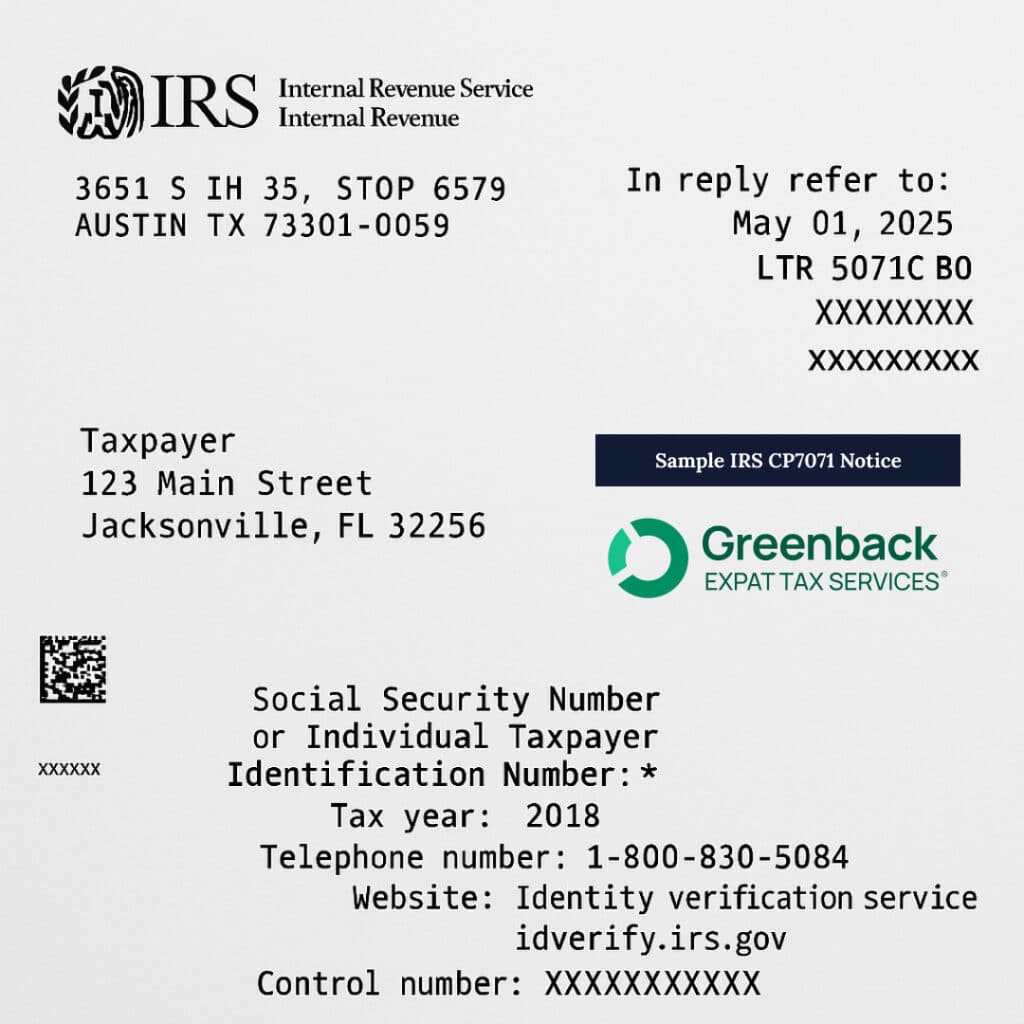
- Be wary of phishing: The IRS will typically initiate contact by mail, not by phone calls, emails, or text messages demanding immediate payment or personal information.
When and How to Share Your Number
Knowing when to share your IRS number is key to protection.
- Legitimate requests: Employers, financial institutions (banks, lenders), government agencies (IRS, SSA, DMV), and healthcare providers (for Medicare) are legitimate entities that may request your SSN/ITIN. Businesses require your EIN for tax purposes, banking, and certain vendor relationships.
- Question suspicious requests: If an entity asks for your IRS number and you’re unsure why, ask for clarification. Don’t provide it over unsecured channels like email.
- Secure transmission: When submitting your number online, ensure the website uses secure encryption (look for “https://” in the URL and a padlock icon).
Verifying IRS Communications
Fraudsters often impersonate the IRS to trick individuals into divulging personal information or sending money.
- Mail first: The IRS typically initiates contact via physical mail for most tax matters.
- No unsolicited calls/emails: The IRS generally does not call, text, or email taxpayers to request personal or financial information. They will not demand immediate payment via specific methods (like gift cards or wire transfers) or threaten arrest or legal action for non-payment without prior correspondence.
- IRS website verification: If you receive a suspicious communication claiming to be from the IRS, do not respond directly. Instead, go to the official IRS website (irs.gov) or call their official helpline to verify.
Record Keeping and Accuracy
Accurate record-keeping is vital for both compliance and security.
- Keep copies: Maintain secure copies of your application forms (SS-4, W-7, SS-5) and any correspondence from the IRS or SSA regarding your identifier.
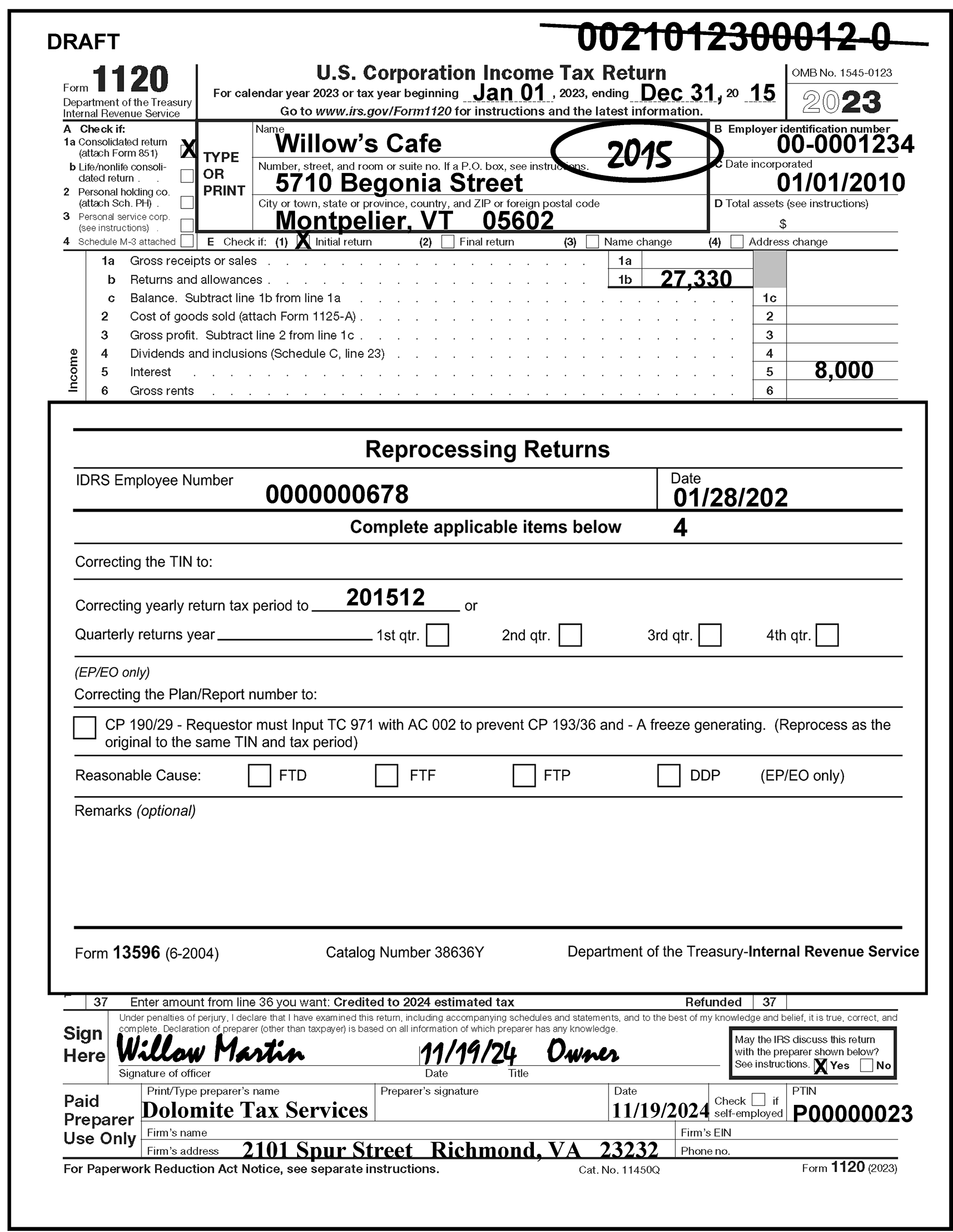
- Verify data: Always double-check that your IRS number is correctly entered on all tax forms, financial documents, and employment records. Errors can lead to processing delays and potential tax issues.
- Secure storage: Store physical documents containing your IRS number in a safe, secure location (e.g., a locked safe or safety deposit box).
Common Pitfalls and How to Avoid Them
- Applying for an EIN unnecessarily: Sole proprietors without employees often don’t need an EIN; their SSN suffices for business tax purposes. Applying for one when not needed can create unnecessary paperwork.
- Mixing personal and business finances: Using your SSN for business activities when an EIN is required can complicate accounting, tax filings, and limit liability protection.
- Ignoring IRS notices: Disregarding official IRS mail can lead to penalties, interest, and legal issues. Always open and review correspondence from the IRS promptly.
- Not updating information: If your business name, address, or responsible party changes, you may need to inform the IRS to update your EIN records.
Understanding what an IRS number is, its various forms, and its profound implications for your financial life is not just about tax compliance—it’s about financial empowerment and security. By carefully managing these critical identifiers, individuals and businesses can navigate the U.S. financial landscape with confidence and integrity.
aViewFromTheCave is a participant in the Amazon Services LLC Associates Program, an affiliate advertising program designed to provide a means for sites to earn advertising fees by advertising and linking to Amazon.com. Amazon, the Amazon logo, AmazonSupply, and the AmazonSupply logo are trademarks of Amazon.com, Inc. or its affiliates. As an Amazon Associate we earn affiliate commissions from qualifying purchases.