
Understanding the intricate workings of our bodies often involves delving into various biological markers, and one such crucial indicator is iron saturation. This seemingly simple term holds significant implications for our overall health, impacting everything from energy levels to immune function. In the realm of medical diagnostics, iron saturation, typically assessed through a blood test, provides a snapshot of how effectively our bodies are utilizing and transporting this vital mineral. This article aims to demystify iron saturation, explaining its fundamental principles, how it’s measured, what the results signify, and its broader implications for health management.

The Crucial Role of Iron in the Body
Iron is an indispensable mineral that plays a multifaceted role in sustaining life. Its primary and most well-known function is its integral involvement in the production of hemoglobin, the protein within red blood cells responsible for transporting oxygen from the lungs to all tissues and organs. Without sufficient iron, the body cannot produce adequate hemoglobin, leading to a reduced oxygen-carrying capacity of the blood, a condition known as iron-deficiency anemia. This deficiency can manifest in a wide array of symptoms, including fatigue, weakness, shortness of breath, and pale skin.
Beyond oxygen transport, iron is also a vital component of myoglobin, a protein that stores oxygen in muscle cells, enabling them to function efficiently. Furthermore, iron is a critical cofactor for numerous enzymes involved in energy metabolism, DNA synthesis, and immune system function. This broad spectrum of essential roles underscores why maintaining appropriate iron levels is paramount for optimal health and well-being.
Hemoglobin and Oxygen Transport
Hemoglobin, a complex protein molecule, is central to iron’s role in oxygen transport. Each molecule of hemoglobin contains four iron atoms, each capable of binding to one molecule of oxygen. As blood circulates through the lungs, where oxygen concentration is high, hemoglobin readily binds to oxygen. This oxygenated hemoglobin is then transported throughout the body. In tissues where oxygen concentration is lower, hemoglobin releases its oxygen, thereby supplying the necessary fuel for cellular respiration and energy production. The efficiency of this process is directly influenced by the amount of available iron. When iron stores are low, the body struggles to produce sufficient hemoglobin, leading to fewer red blood cells or red blood cells with a reduced capacity to carry oxygen.
Iron’s Role in Cellular Metabolism and Immune Function
The influence of iron extends far beyond the circulatory system. It acts as a critical component in the electron transport chain, a series of protein complexes embedded in the inner mitochondrial membrane that is responsible for generating adenosine triphosphate (ATP), the primary energy currency of the cell. Without adequate iron, this energy production pathway is compromised, contributing to feelings of fatigue and reduced physical stamina.
Moreover, iron is essential for the proper functioning of the immune system. It plays a role in the proliferation and maturation of immune cells, including lymphocytes and phagocytes, which are crucial for defending the body against pathogens. Certain immune responses also involve iron-dependent enzymes. Therefore, iron deficiency can impair immune defenses, making individuals more susceptible to infections.
Understanding Iron Saturation: The Nuance of Measurement
While total iron levels in the blood are important, they don’t tell the whole story. Iron saturation, specifically Transferrin Saturation (TSAT), provides a more nuanced understanding of how effectively the body is utilizing and distributing this mineral.
What is Transferrin?
Transferrin is the primary protein in the blood responsible for binding and transporting iron. It is synthesized in the liver and circulates in the bloodstream, picking up iron absorbed from the diet in the intestines and iron released from the breakdown of old red blood cells. Transferrin then delivers this iron to tissues that require it, such as the bone marrow for red blood cell production, the liver for storage, and muscles for myoglobin synthesis. Transferrin acts as a sophisticated delivery service for iron, ensuring it reaches its intended destinations.
Calculating Transferrin Saturation
Transferrin Saturation (TSAT) is a calculation that reflects the percentage of transferrin molecules that are currently carrying iron. It is typically determined by measuring three key components in a blood sample:
-
Serum Iron: This measures the amount of iron circulating in the blood, bound to transferrin.
-
Total Iron-Binding Capacity (TIBC) or Transferrin Level: TIBC represents the maximum amount of iron that can be bound by transferrin in the blood. Alternatively, direct measurement of transferrin levels can be used.
-
Calculation: The formula for Transferrin Saturation is:
TSAT (%) = (Serum Iron / TIBC) * 100or, if transferrin levels are measured directly:
TSAT (%) = (Serum Iron / Transferrin Level) * 100(Note: This calculation requires conversion of transferrin levels to a comparable unit as serum iron).
This calculation essentially tells us how “full” the iron transport vehicles (transferrin) are. A high saturation indicates that most transferrin molecules are carrying iron, suggesting good iron availability for the body’s needs. Conversely, a low saturation suggests that transferrin molecules are mostly empty, indicating that iron may not be readily available for transport to tissues.
Why is TSAT More Informative than Serum Iron Alone?
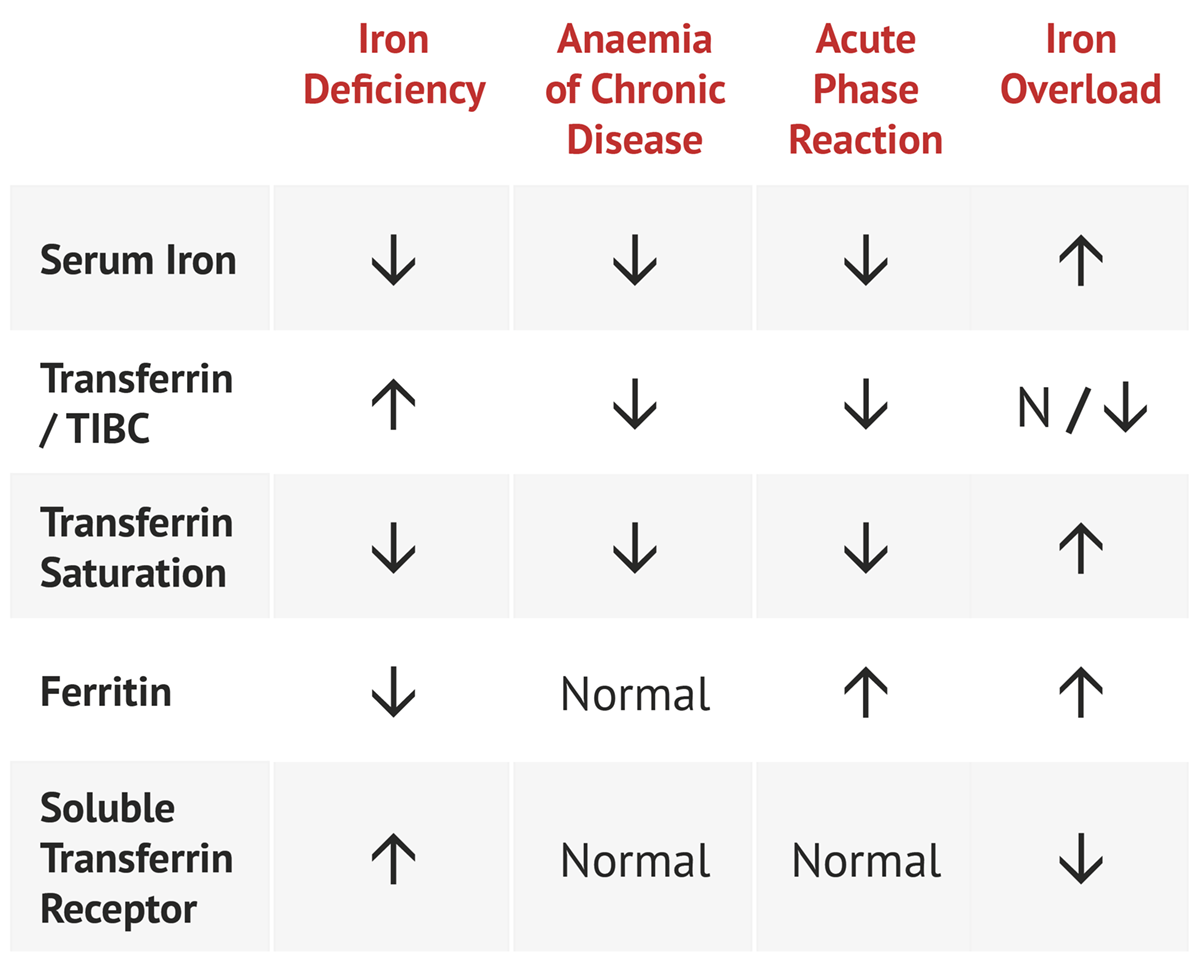
While serum iron provides a snapshot of circulating iron, it can fluctuate significantly throughout the day and is influenced by recent dietary intake. For example, consuming an iron-rich meal can temporarily elevate serum iron levels, giving a misleading impression of overall iron status. TIBC or transferrin levels, on the other hand, tend to rise when the body is actively trying to acquire more iron. For instance, in cases of iron deficiency, the liver produces more transferrin in an attempt to capture any available iron. Therefore, by considering both serum iron and TIBC (or transferrin), TSAT offers a more comprehensive picture of iron metabolism and transport efficiency, revealing whether the available iron is being effectively utilized or if there’s a potential bottleneck in its delivery.
Interpreting Iron Saturation Results: What Do the Numbers Mean?
The interpretation of iron saturation results is crucial for diagnosing and managing various health conditions. There are typical reference ranges for TSAT, but these can vary slightly between laboratories. It’s essential to discuss your results with a healthcare professional for personalized interpretation.
Normal Iron Saturation Range
A typical normal range for Transferrin Saturation is generally between 20% and 50%. This range indicates that the body has adequate iron available for transport and utilization, supporting normal physiological functions like red blood cell production and energy metabolism. Within this range, the body can efficiently meet its iron demands.
Low Iron Saturation: What it Indicates
A low iron saturation, typically below 20%, is a strong indicator of iron deficiency. This can arise from several factors:
- Insufficient Dietary Iron Intake: Not consuming enough iron-rich foods can lead to a depletion of iron stores.
- Poor Iron Absorption: Certain medical conditions (e.g., celiac disease, inflammatory bowel disease), medications, or the presence of dietary inhibitors (like phytates in grains and tannins in tea) can impair the body’s ability to absorb iron from food.
- Blood Loss: Chronic or acute blood loss, such as from heavy menstrual periods, gastrointestinal bleeding (ulcers, polyps, or cancer), or frequent blood donations, can deplete iron reserves.
- Increased Iron Demand: Periods of rapid growth (childhood, adolescence, pregnancy) or increased red blood cell production (e.g., after blood loss) can outstrip the body’s available iron supply.
When TSAT is low, it suggests that while the body might be producing transferrin (as it tries to scavenge for iron), there simply isn’t enough iron available to bind to it. This directly impacts the body’s ability to create hemoglobin, leading to iron-deficiency anemia with its associated symptoms of fatigue, weakness, and pallor.
High Iron Saturation: Potential Concerns
A high iron saturation, typically above 50%, can also signal underlying health issues, though it is less common than low saturation. Potential causes include:
- Hemochromatosis: This is a genetic disorder where the body absorbs and stores too much iron from the diet. Over time, this excess iron can accumulate in organs like the liver, heart, and pancreas, leading to damage. High TSAT is a hallmark of hemochromatosis.
- Iron Overload: This can occur due to frequent blood transfusions (e.g., in individuals with certain blood disorders like thalassemia or sickle cell anemia) where iron from the transfused blood accumulates.
- Certain Liver Diseases: The liver plays a crucial role in iron metabolism. Damage to the liver can sometimes lead to abnormal iron accumulation and elevated TSAT.
- Hemolytic Anemias: In some conditions where red blood cells are destroyed prematurely, iron is released from these cells, which can lead to elevated serum iron and potentially higher TSAT.
Elevated TSAT in the absence of iron deficiency suggests that either there is an excess of iron being absorbed or released, or there’s a problem with how the body is processing and storing iron.
Clinical Significance and Health Management
The interpretation of iron saturation is an integral part of diagnosing and managing a spectrum of health conditions. It guides healthcare professionals in making accurate diagnoses and developing effective treatment strategies.
Diagnosing Anemia and Iron Deficiency
Iron saturation is a cornerstone in the diagnostic workup for anemia. While a complete blood count (CBC) can reveal low hemoglobin and hematocrit, indicating anemia, it doesn’t pinpoint the cause. TSAT, along with other iron studies like serum ferritin (which reflects iron stores) and serum iron, helps differentiate between various types of anemia. A low TSAT, combined with low ferritin, strongly suggests iron-deficiency anemia. This distinction is vital because the treatment for iron-deficiency anemia (iron supplementation) differs significantly from that of other anemias, such as those caused by vitamin deficiencies or chronic diseases.
Monitoring Treatment Effectiveness
For individuals diagnosed with iron deficiency anemia, iron saturation tests play a crucial role in monitoring the effectiveness of treatment. After initiating iron supplementation, healthcare providers will periodically re-evaluate TSAT. A rising TSAT indicates that the iron supplements are being absorbed and utilized by the body, and that iron levels are improving. This helps adjust dosage and duration of treatment to ensure the anemia is resolved and iron stores are replenished.
Identifying Underlying Conditions
As discussed, high iron saturation can be a key indicator of genetic disorders like hemochromatosis or other conditions leading to iron overload. Early identification through TSAT testing allows for timely intervention to prevent or mitigate organ damage. For hemochromatosis, treatment typically involves phlebotomy (therapeutic blood removal) to reduce iron levels, and TSAT monitoring is essential to ensure the treatment is effective in bringing iron levels within a safe range. Similarly, for individuals receiving frequent blood transfusions, TSAT monitoring helps manage iron overload and guide chelation therapy, which helps remove excess iron from the body.
In conclusion, iron saturation, particularly Transferrin Saturation, is a critical blood test parameter that offers invaluable insights into the body’s iron status. It moves beyond simply measuring iron levels to assessing the efficiency of iron transport and availability. By understanding what iron saturation is, how it’s measured, and how to interpret its results, individuals can gain a more comprehensive appreciation of their health and collaborate more effectively with healthcare providers in managing conditions related to iron metabolism. Regular monitoring, especially for those with known iron imbalances or at risk, is key to maintaining optimal health and preventing potential complications.
aViewFromTheCave is a participant in the Amazon Services LLC Associates Program, an affiliate advertising program designed to provide a means for sites to earn advertising fees by advertising and linking to Amazon.com. Amazon, the Amazon logo, AmazonSupply, and the AmazonSupply logo are trademarks of Amazon.com, Inc. or its affiliates. As an Amazon Associate we earn affiliate commissions from qualifying purchases.