
In the high-stakes ecosystem of the National Football League (NFL), players are more than just athletes; they are high-value human capital assets. When a star quarterback or a veteran linebacker goes down with a torn ACL, the immediate concern for fans is the win-loss column. However, for the front office—the General Managers, Chief Financial Officers, and cap analysts—the concern shifts immediately to the “Money” category of the business.
The Injured Reserve (IR) list is the primary mechanism the NFL uses to manage these assets when they are physically unable to perform. While it may seem like a simple medical designation, IR is, in fact, a complex financial tool designed to navigate the league’s rigorous salary cap, protect team liquidity, and manage the risk associated with multimillion-dollar contracts. Understanding “what is IR” requires a deep dive into the business finance of professional sports.
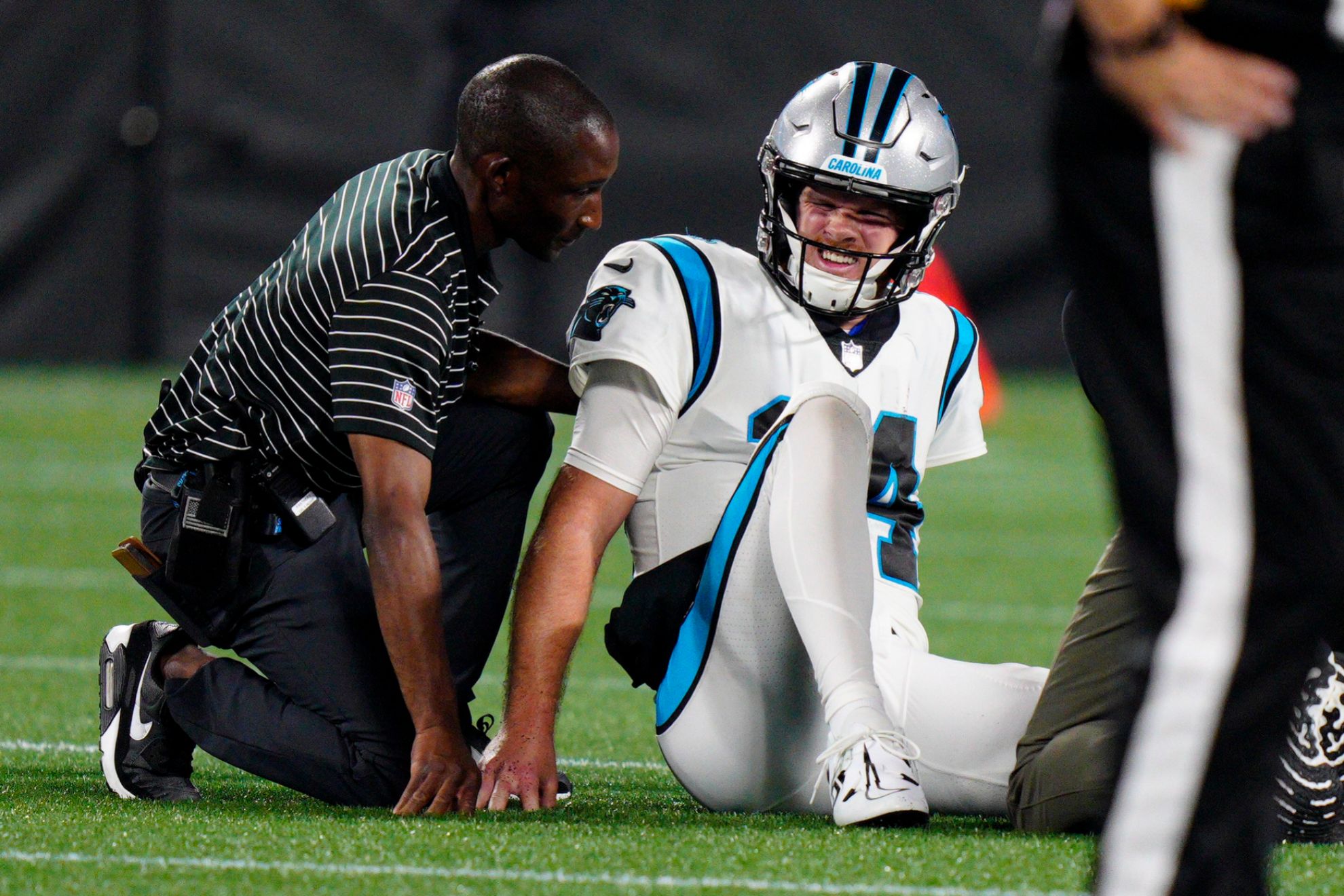
1. What is IR? The Financial Framework of the Injured Reserve
At its most basic level, the Injured Reserve (IR) list is a roster designation for players who have sustained injuries that prevent them from practicing or playing for a significant period. From a financial perspective, placing a player on IR is an exercise in asset management.
The Definition of Asset Protection
In any other business, if a piece of critical machinery breaks down, the company must decide whether to repair it, replace it, or write it off. In the NFL, players are the machinery. When a player is placed on IR, they are effectively moved from the “active” ledger to the “inactive” ledger. This move allows the team to free up a roster spot to hire a replacement worker without having to terminate the contract of the injured employee. This protects the team’s long-term investment in the player while allowing for short-term operational continuity.
How IR Impacts the 53-Man Roster Budget
The NFL mandates a 53-man active roster limit. Each of these 53 spots is a precious financial commodity. If a player is injured but remains on the active roster, they are taking up a “seat” that could be filled by a healthy, productive worker. By moving a player to IR, the team retains the rights to that player (preventing competitors from “buying” the asset) while opening a slot for a new hire. This is a critical move for maintaining the “product” on the field, which generates the revenue that fuels the entire organization.
2. The Salary Cap Implications of Placing Players on IR
The most significant financial hurdle in the NFL is the Salary Cap—a hard limit on the total amount a team can spend on player salaries. In 2024, this figure is north of $255 million. Every dollar spent on the IR list is a dollar that cannot be spent on an active player.
Guaranteed Money vs. Cap Hits
When a player is placed on IR, their financial impact on the team does not vanish. In most cases, players on IR still receive their full base salary, which continues to count against the team’s salary cap. This creates a “dead money” scenario where the team is paying for a non-performing asset. For teams with high-priced stars on IR, this can lead to a financial bottleneck. If a $20-million-per-year wide receiver is on IR, the team must still find a way to pay a replacement player within the remaining cap space. This requires intricate financial maneuvering, such as restructuring other players’ contracts to “kick the debt down the road.”
Split Contracts and Wage Protection
For younger players or those further down the depth chart, teams often use “split contracts.” This is a financial clause that specifies a different, lower salary if the player is placed on IR. For example, a player might earn $750,000 while on the active roster but only $450,000 if they end up on IR. This serves as a form of “disability insurance” for the team, reducing the financial burn of injuries among non-core personnel. It is a shrewd business tactic used to preserve cap space for late-season acquisitions or emergency signings.
3. Strategic Investment: The Business Logic of Short-Term vs. Season-Ending IR
In recent years, the NFL has updated its rules regarding IR, making it a more flexible financial and strategic tool. These rules allow teams to designate certain players to return from IR, which has significant implications for how a team manages its “human capital pipeline.”

Managing the Return Designation as a Financial Strategy
Currently, teams can bring back a limited number of players from IR during the season (usually up to eight). Deciding which players get this “Return Designation” is a high-level business decision. Does the team invest the roster spot in a veteran who might help in a playoff run, or do they save it for a young prospect with long-term equity? This is a “return on investment” (ROI) calculation. Bringing a player back too early can lead to re-injury, essentially wasting the financial resources spent on their rehabilitation.
Practice Squad Elevations and Budgetary Flexibility
The interplay between the IR list and the Practice Squad is a vital component of a team’s micro-economy. When a player goes on IR, the team often “elevates” a player from the practice squad. These players are typically paid at a much lower rate. This “low-cost labor” allows the team to balance the books when they are carrying the heavy salary of an injured star. It is a classic business strategy of using lower-cost entry-level talent to fill gaps in the production line created by the absence of senior management (star players).
4. Risk Management and Insurance in the NFL Business Model
Managing an NFL team is essentially an exercise in risk management. Injuries are the single greatest variable that can disrupt a team’s financial health.
The Role of Player Insurance
For the highest-paid players in the league, teams often take out insurance policies. If a player with a $100 million guaranteed contract suffers a career-ending injury and is placed on IR, an insurance policy may reimburse the team for a portion of the remaining salary. This mitigates the catastrophic financial loss that would otherwise hit the team’s bottom line. In this context, IR is the administrative waiting room where the financial details of these insurance claims are processed.
Injury Settlements and Closing the Books
Sometimes, a team and an injured player decide to part ways financially through an “Injury Settlement.” Instead of keeping the player on IR for the entire season and paying their full salary, the team pays a lump sum representing the weeks the player is expected to be sidelined. This allows the team to remove the player from their books entirely, providing immediate cap relief and financial clarity. It is a “buyout” of the contract’s remaining short-term liability, allowing both parties to move on.
5. The Market Impact: IR’s Effect on Team Valuation and Betting Markets
The financial reach of the IR list extends far beyond the team’s internal ledger. It impacts the broader economy of the NFL, including franchise valuations and the massive sports betting and fantasy football industries.
Roster Depth as an Indicator of Brand Value
From an investment perspective, a team’s “depth chart”—the quality of players behind the starters—is a key indicator of its resilience. A team that can lose multiple players to IR and still remain competitive is seen as a better-managed “firm.” This resilience contributes to the overall brand value of the franchise. Investors and owners look at how effectively a front office uses the IR list as a sign of organizational health. Poor management of the IR list can lead to “lost seasons,” which result in lower ticket sales, reduced merchandise revenue, and a decline in the team’s market prestige.
Information Transparency and Financial Stakeholders
The NFL’s reporting requirements for the IR list provide essential data for financial stakeholders. In the world of sports betting—a multi-billion dollar industry—the movement of a player to IR is a market-shifting event. It changes the “valuation” of a team’s probability of winning, which in turn moves millions of dollars in the betting markets. While this might seem separate from “business finance,” the NFL’s partnership with betting platforms means that the transparency of the IR list is a critical component of the league’s revenue-sharing model.

Conclusion: The Bottom Line on IR
What is IR in the NFL? While the casual observer sees a medical list, the professional analyst sees a sophisticated financial instrument. The Injured Reserve list is where the cold realities of business finance meet the physical toll of professional sports. It is a tool for salary cap management, a mechanism for risk mitigation, and a strategy for human capital optimization.
For an NFL franchise, managing the IR list effectively is the difference between a fiscally responsible organization that can weather a storm and one that collapses under the weight of non-performing assets. In the business of football, the IR list is where the “Money” category is most intensely managed, proving that in the NFL, the health of the ledger is just as important as the health of the players.
aViewFromTheCave is a participant in the Amazon Services LLC Associates Program, an affiliate advertising program designed to provide a means for sites to earn advertising fees by advertising and linking to Amazon.com. Amazon, the Amazon logo, AmazonSupply, and the AmazonSupply logo are trademarks of Amazon.com, Inc. or its affiliates. As an Amazon Associate we earn affiliate commissions from qualifying purchases.