
In the rapidly evolving landscape of home climate technology, the humble electric fan has undergone a significant digital and functional transformation. No longer just a rotating set of blades designed to move air, modern fans are now sophisticated gadgets integrated with air purification systems, smart sensors, and advanced electronic components. One of the most common features appearing on the control panels of high-end tower fans and air circulators is the “Ion” setting. While it may seem like a buzzword found in marketing brochures, the inclusion of ionic technology represents a specific branch of atmospheric physics applied to consumer electronics.
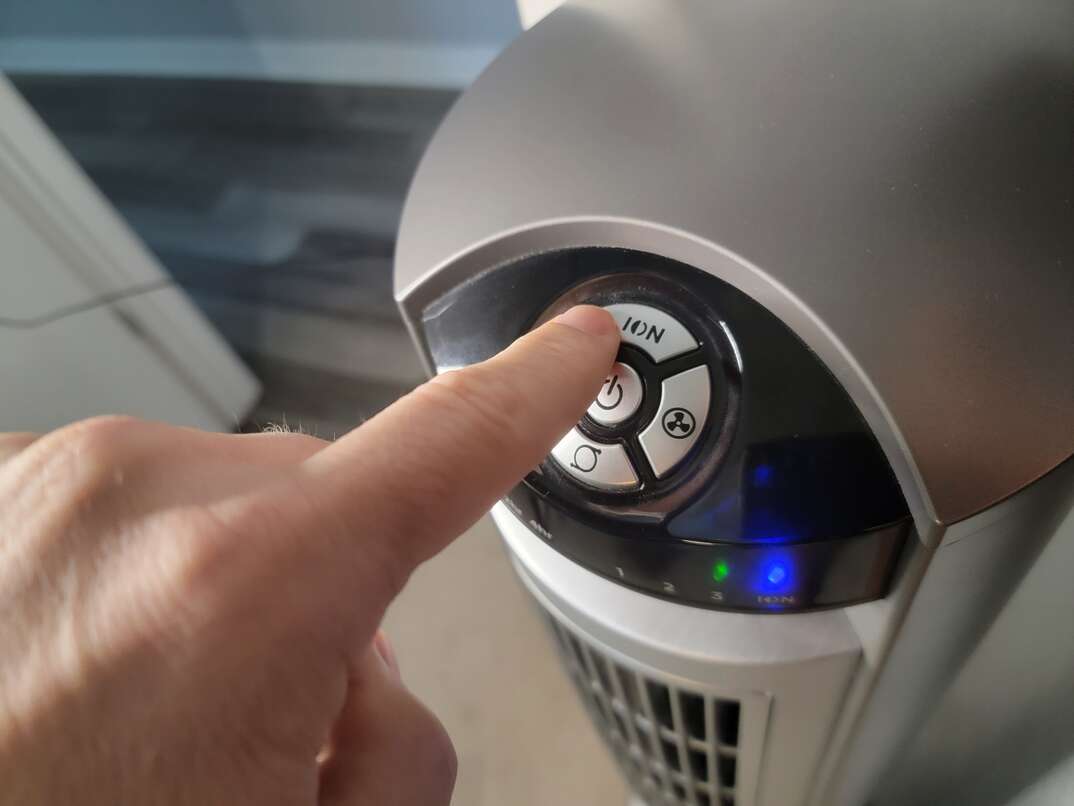
Understanding what the “Ion” function does requires a dive into the intersection of electrical engineering and environmental science. At its core, an ionizing fan is a device that combines traditional air-movement technology with a built-in negative ion generator. This component serves a purpose beyond simple cooling; it is designed to improve the quality of the air you breathe by altering its molecular composition.
The Mechanics of Ionic Technology: How It Works
To understand the “Ion” button on a fan, one must first understand the behavior of particles at a microscopic level. The air inside a typical home or office is filled with various particulates, including dust, pollen, pet dander, and smoke. These particles are often positively charged or neutral, allowing them to remain suspended in the air for long periods, where they are easily inhaled.
The Role of Negative Ions (Anions)
The “Ion” feature on a fan activates an internal component called an ionizer. This device uses a high-voltage wire or a carbon fiber brush to create an electronic discharge. This discharge adds an extra electron to the nitrogen and oxygen molecules in the air, transforming them into negative ions, also known as anions. In nature, these ions are generated by lightning, crashing ocean waves, and waterfalls, which is why the air in those environments often feels exceptionally “fresh.”
In the context of a gadget, the fan serves as the delivery mechanism. As the blades or the internal turbine move air through the device, the air passes through the ionizing field. The fan then propels these newly formed negative ions into the room, where they begin to interact with the environment.
The Process of Agglomeration
Once negative ions are dispersed into a room, they seek out positively charged particles. Through a process known as electrostatic attraction, the negative ions bond with airborne pollutants. This causes a phenomenon called agglomeration—the particles become too heavy to remain airborne and fall to the ground or stick to nearby surfaces like walls and furniture. By removing these particles from the breathing zone, the fan effectively acts as a passive air purifier without necessarily requiring a physical HEPA filter to trap every single molecule.
Needle-Point Discharge vs. Plasma Technology
Within the tech niche, it is important to distinguish between different types of ionization. Basic fans typically use “needle-point” ionization, which uses sharp metal points to emit electrons. More advanced gadgets may utilize “bipolar ionization” or “plasma” technology, which creates both positive and negative ions. These advanced systems are even more effective at neutralizing pathogens by robbing them of necessary hydrogen atoms, though this technology is more commonly found in high-end HVAC integrations and premium smart fans.
Key Benefits of Using an Ionizing Fan in Your Tech Ecosystem
Integrating an ionic fan into a modern living space offers several advantages that go beyond the basic thermodynamic cooling of the skin. For tech-savvy users who prioritize health-tracking and environmental control, these gadgets provide a multi-layered approach to indoor wellness.
Enhanced Air Quality for Allergy Sufferers
The primary technological advantage of an ionic fan is its ability to reduce the concentration of allergens in the air. While a standard fan simply circulates dust and pollen throughout a room, the ionic function works to ground these particles. For users with sensitive respiratory systems, this can lead to a noticeable reduction in allergy symptoms. It is a proactive tech solution that works in real-time as the fan operates.
Odor Neutralization and Volatile Organic Compounds (VOCs)
Modern homes are often filled with VOCs—gases emitted from paints, cleaning supplies, and even electronic components. Ionic technology is particularly adept at breaking down the molecular structures of certain odors and chemical vapors. When the negative ions interact with these gaseous molecules, they can neutralize the scent, making the ionic fan an excellent tool for kitchens, workshops, or rooms that have recently been renovated.
Psychological and Physiological Impact
There is a growing body of research in the field of environmental psychology suggesting that high concentrations of negative ions can have a positive impact on human mood and cognitive function. By simulating the “waterfall effect” indoors, ionic fans may help reduce stress levels and improve focus. For those working in home offices surrounded by heat-generating hardware and stagnant air, the freshening effect of an ionic fan can create a more conducive environment for productivity.

Technical Considerations and Safety Standards
As with any consumer technology that manipulates the environment at a molecular level, there are technical specifications and safety standards that users should be aware of. Not all ion-generating fans are created equal, and understanding the specs is key to selecting a high-performance device.
The Ozone Question
A common concern in the tech community regarding ionizers is the production of ozone (O3). Ozone is a byproduct of the ionization process, specifically when oxygen molecules are split by high-voltage discharge. While ozone in the upper atmosphere is beneficial, ground-level ozone can be a lung irritant.
When shopping for an ionic fan, it is crucial to look for devices that are “UL 867” or “CARB” certified (California Air Resources Board). These certifications ensure that the gadget produces negligible amounts of ozone—well below the safety threshold of 0.05 parts per million. Modern high-quality fans are engineered with specialized voltage regulators to minimize ozone production while maximizing ion output.
Energy Efficiency and Power Consumption
From a hardware perspective, the ionic generator itself is incredibly energy-efficient. Activating the “Ion” setting on a fan typically consumes less than 1 to 2 watts of additional power. Compared to the motor that drives the fan blades, the energy draw of the ionizer is statistically insignificant. This makes it an “always-on” feature for many users who want cleaner air without a spike in their electricity bill.
Maintenance of Ionic Components
Unlike traditional air purifiers that require expensive HEPA filter replacements every six months, many ionic fans are marketed as “filter-less.” However, they still require maintenance. Over time, the ionizing pins or needles can accumulate a coating of dust and debris—a phenomenon sometimes called “black wall syndrome.” This buildup reduces the efficiency of the electron discharge. Users should periodically clean the emission points with a soft brush or compressed air to ensure the device continues to output a high density of ions.
Buying Guide: What to Look for in an Ion-Enabled Fan
If you are looking to upgrade your home tech with an ionic fan, several specifications will help you determine the quality and effectiveness of the device.
Ion Density Ratings
Higher-end gadgets will specify the “ion density,” often measured in ions per cubic centimeter (ions/cm³). A high-performance unit might output millions of ions per second. When reviewing product specs, look for units that provide clear data on their ion output rather than just using the word “Ion” as a marketing tag.
Integration with Smart Home Hubs
The latest generation of fans features Wi-Fi connectivity and integration with platforms like Amazon Alexa, Google Home, or Apple HomeKit. This allows users to automate the ionic function. For instance, you can set a routine where the fan runs on its highest ion setting for an hour before you arrive home, ensuring the air is scrubbed of particulates before the room is occupied. Integrated air quality sensors can also trigger the ion function automatically when a spike in particulate matter is detected.
Motor Technology: DC vs. AC
When choosing a fan, the motor technology is just as important as the ionizer. Brushless DC motors are the gold standard for modern fans. They are quieter, more energy-efficient, and offer more granular speed control than traditional AC motors. A DC-powered ionic fan provides the quietest operation, which is essential if you plan to use the device in a bedroom or office where white noise needs to be kept to a minimum.

The Future of Integrated Climate Tech
The inclusion of “Ion” settings on fans is just the beginning of a broader trend toward multifunctional household gadgets. As we move toward smarter, more health-conscious living spaces, the boundaries between cooling, heating, and air purification are blurring.
We are seeing the emergence of “climate hubs”—devices that monitor humidity, CO2 levels, and VOCs, and then automatically adjust their output of ions and airflow to maintain an optimal environment. The “Ion” button is no longer a niche feature; it is a fundamental component of the modern digital home, bridging the gap between simple mechanical ventilation and advanced atmospheric engineering. By understanding the science and hardware behind this technology, users can make informed decisions that enhance both their comfort and their long-term well-being.
aViewFromTheCave is a participant in the Amazon Services LLC Associates Program, an affiliate advertising program designed to provide a means for sites to earn advertising fees by advertising and linking to Amazon.com. Amazon, the Amazon logo, AmazonSupply, and the AmazonSupply logo are trademarks of Amazon.com, Inc. or its affiliates. As an Amazon Associate we earn affiliate commissions from qualifying purchases.