
In the complex ecosystem of business finance, the invoice stands as one of the most critical documents a company will ever produce. Far from being a mere request for payment, an invoice is a formal commercial instrument that signifies the transition of value from a provider to a consumer. It represents the legal and financial claim to revenue, serving as the primary bridge between the operational delivery of services and the actual realization of cash flow. For business owners, financial controllers, and investors, understanding the invoice is fundamental to mastering the art of liquidity management.
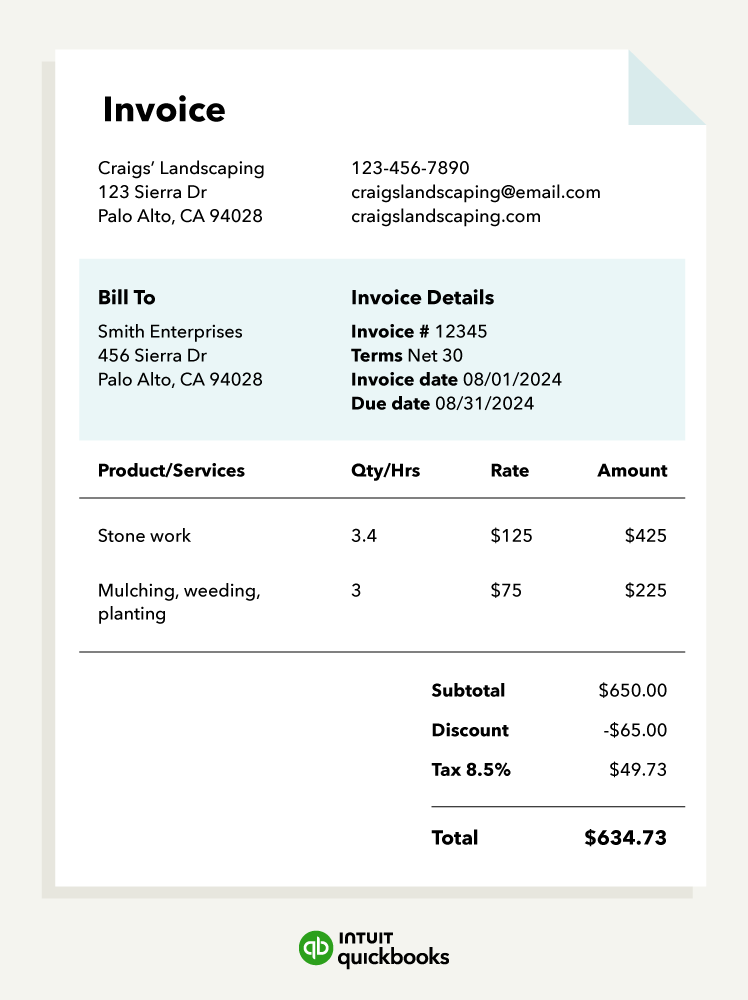
Defining the Invoice: More Than Just a Bill
At its core, an invoice is a time-stamped document that itemizes and records a transaction between a buyer and a seller. If a business provides a product or service on credit—meaning the payment is not made immediately at the point of sale—the invoice becomes the official record of that debt.
The Legal and Financial Significance
From a financial perspective, an invoice is a source document. It provides the empirical evidence required for accounting entries. When an invoice is issued, it moves from being a simple “to-do” item into the realm of accounts receivable (AR). For the seller, it represents an asset; for the buyer, it represents a liability (accounts payable).
Legally, an invoice serves as a non-negotiable instrument that outlines the terms of the agreement. While it is not a contract in itself, it reflects the terms of an underlying contract or purchase order. In the event of a payment dispute or legal action, the invoice is the primary piece of evidence used to prove that a service was rendered and that a specific amount of money is owed.
Anatomy of a Professional Invoice
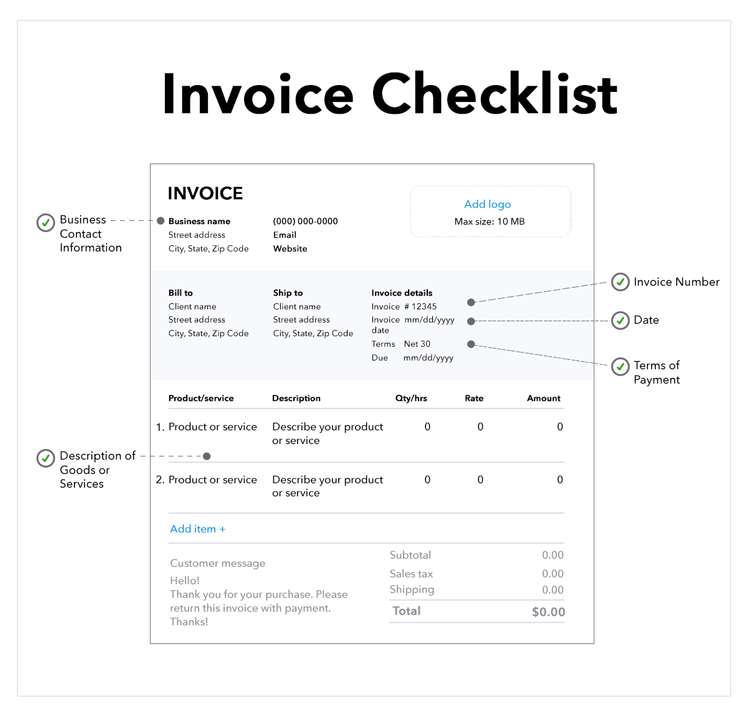
To ensure financial clarity and legal protection, a professional invoice must contain specific data points. These include:
- Unique Identifier: An invoice number is essential for tracking and auditing.
- Contact Information: Names and addresses of both the seller and the buyer.
- Date of Issue: The “invoice date” marks the beginning of the credit term.
- Itemized List: A detailed breakdown of the goods or services provided, including quantities and unit prices.
- Payment Terms: Clearly stated deadlines (e.g., Net 30, Net 60) and preferred payment methods.
- Total Amount Due: Including any applicable taxes, discounts, or shipping fees.
The Role of Invoicing in Business Finance Management
Invoicing is the heartbeat of business finance. Without a structured invoicing process, a company’s financial health can deteriorate rapidly, regardless of how high its sales volume might be. The primary function of the invoice is to manage and predict the movement of money.
Accelerating Cash Flow
Cash flow is the lifeblood of any enterprise. A sale is not a success until the money is in the bank. Invoicing acts as the catalyst for this conversion. The speed and accuracy of the invoicing process directly correlate to the company’s liquidity. If a business delays sending an invoice by five days, it essentially grants the client five days of interest-free credit, which could have been used to reinvest in the business or pay down high-interest debt.
Accounts Receivable and Revenue Recognition
In accrual-based accounting, revenue is recognized when it is earned, not necessarily when the cash is received. When an invoice is generated, the revenue is recorded on the income statement, even if the bank account hasn’t moved yet. This allows businesses to track their performance and profitability in real-time. However, the “Accounts Receivable” line on the balance sheet must be watched closely. A high AR balance relative to cash can indicate that a company is profitable on paper but “cash poor,” a dangerous state that often leads to insolvency.
Minimizing Bad Debt and Late Payments
Late payments are a significant drain on corporate resources. Every day an invoice remains unpaid, its “present value” decreases due to inflation and the opportunity cost of that capital. A disciplined invoicing strategy includes clear follow-up protocols. By utilizing aging reports—financial statements that categorize unpaid invoices by the number of days they have been outstanding—finance teams can prioritize collections and identify clients who represent a high credit risk. This proactive management helps in minimizing “bad debt,” which occurs when an invoice becomes uncollectible and must be written off as a loss.
Types of Invoices Every Business Owner Should Know
Not all invoices are created equal. Depending on the nature of the industry and the specific financial agreement, different types of invoices are utilized to manage the exchange of funds.
Pro Forma vs. Interim Invoices
A Pro Forma Invoice is a preliminary bill of sale sent to buyers in advance of a shipment or delivery of goods. It is essentially a “good faith” estimate that outlines the work to be done and the costs involved. Unlike a final invoice, it is not a demand for payment and is not recorded as accounts receivable. It is often used in international trade to declare the value of goods to customs.
An Interim Invoice (or Progress Billing) is common in long-term projects, such as construction or large-scale consulting. Instead of waiting until the end of a six-month project to get paid, the business issues invoices at specific milestones. This ensures a steady stream of cash flow to cover the ongoing operational costs of the project.
Recurring and Commercial Invoices
Recurring Invoices are the standard for subscription-based models or service retainers. These are generated automatically at set intervals (monthly or annually). This model provides the most predictable financial forecasting for a business, as it creates a “sticky” revenue stream.
A Commercial Invoice is a specialized document used in foreign trade. It includes details necessary for customs, such as the country of origin, weight, and freight insurance details. From a financial standpoint, these are vital for calculating duties and ensuring international compliance.
Optimizing the Invoicing Process for Financial Growth
Strategic invoicing is a competitive advantage. Companies that optimize their invoicing cycles often find they have more working capital available for expansion, R&D, and marketing without needing to seek external financing.
Leveraging Financial Tools and Automation
The transition from manual paper invoicing to digital financial tools has revolutionized business finance. Automation reduces the “human error” factor—such as incorrect totals or forgotten line items—which can delay payments. Furthermore, automated systems can send “friendly reminders” to clients before an invoice is due, significantly reducing the average Days Sales Outstanding (DSO).
Strategies for Prompt Payment
To improve the “Money” aspect of the business, many firms employ financial incentives within their invoices.
- Early Payment Discounts: Offering a “2/10 Net 30” term means the client gets a 2% discount if they pay within 10 days; otherwise, the full amount is due in 30. This is a powerful way to pull cash forward.
- Late Payment Penalties: Explicitly stating interest charges for overdue invoices discourages clients from using your business as a de facto bank.
- Invoice Factoring: For businesses in a cash crunch, an invoice can act as collateral. Factoring involves selling your unpaid invoices to a third party at a discount in exchange for immediate cash. While this reduces total profit, it provides the liquidity needed for immediate growth opportunities.
Compliance and Taxation: The Invoice as a Paper Trail
In the eyes of tax authorities like the IRS or HMRC, the invoice is the ultimate record of truth. It is the primary document used during audits to verify a company’s reported income and deductible expenses.
Audit Preparedness
A disorganized invoicing system is a major red flag during a financial audit. Businesses must maintain a chronological and complete record of all invoices issued. This ensures that every dollar reflected in the bank statements can be traced back to a specific transaction. Proper record-keeping also ensures that the business is not paying more tax than necessary by accurately tracking deductible expenses recorded in incoming invoices from suppliers.
VAT and Sales Tax Considerations
In many jurisdictions, an invoice is a legal requirement for the collection and remittance of Value Added Tax (VAT) or Sales Tax. The invoice must clearly show the tax rate applied and the total tax amount. Failing to invoice correctly for taxes can lead to severe financial penalties and legal repercussions. For businesses operating across state or national borders, the invoice is the tool used to determine which tax jurisdiction the revenue falls under, making it a cornerstone of international financial compliance.

Conclusion
In the realm of business finance, the invoice is much more than a piece of paper or a digital file. It is a strategic instrument that dictates cash flow, facilitates revenue recognition, ensures tax compliance, and protects the legal interests of the enterprise. By viewing the invoicing process not as an administrative chore, but as a critical component of financial management, business owners can unlock greater liquidity, reduce financial risk, and build a more resilient and profitable organization. Mastery of the invoice is, quite literally, mastery of the money.
aViewFromTheCave is a participant in the Amazon Services LLC Associates Program, an affiliate advertising program designed to provide a means for sites to earn advertising fees by advertising and linking to Amazon.com. Amazon, the Amazon logo, AmazonSupply, and the AmazonSupply logo are trademarks of Amazon.com, Inc. or its affiliates. As an Amazon Associate we earn affiliate commissions from qualifying purchases.