
The term “introversion” often conjures up images of shy, reclusive individuals, perhaps hunched over a book in a quiet corner. While there’s a grain of truth in the quiet aspect, it’s a significant oversimplification of a complex and vital personality trait. In today’s hyper-connected, always-on world, understanding introversion is more crucial than ever. It’s not a flaw to be fixed, but a different way of processing the world, influencing how we interact with technology, build our personal and professional brands, and manage our finances.
This article delves into the core of introversion, exploring what it truly means beyond common misconceptions. We’ll examine how introverts experience and navigate the digital landscape, the unique challenges and opportunities introversion presents in the realm of branding and marketing, and how introverts can leverage their strengths in managing their personal and business finances.
Understanding the Introvert’s Battery: Energy and Stimulation
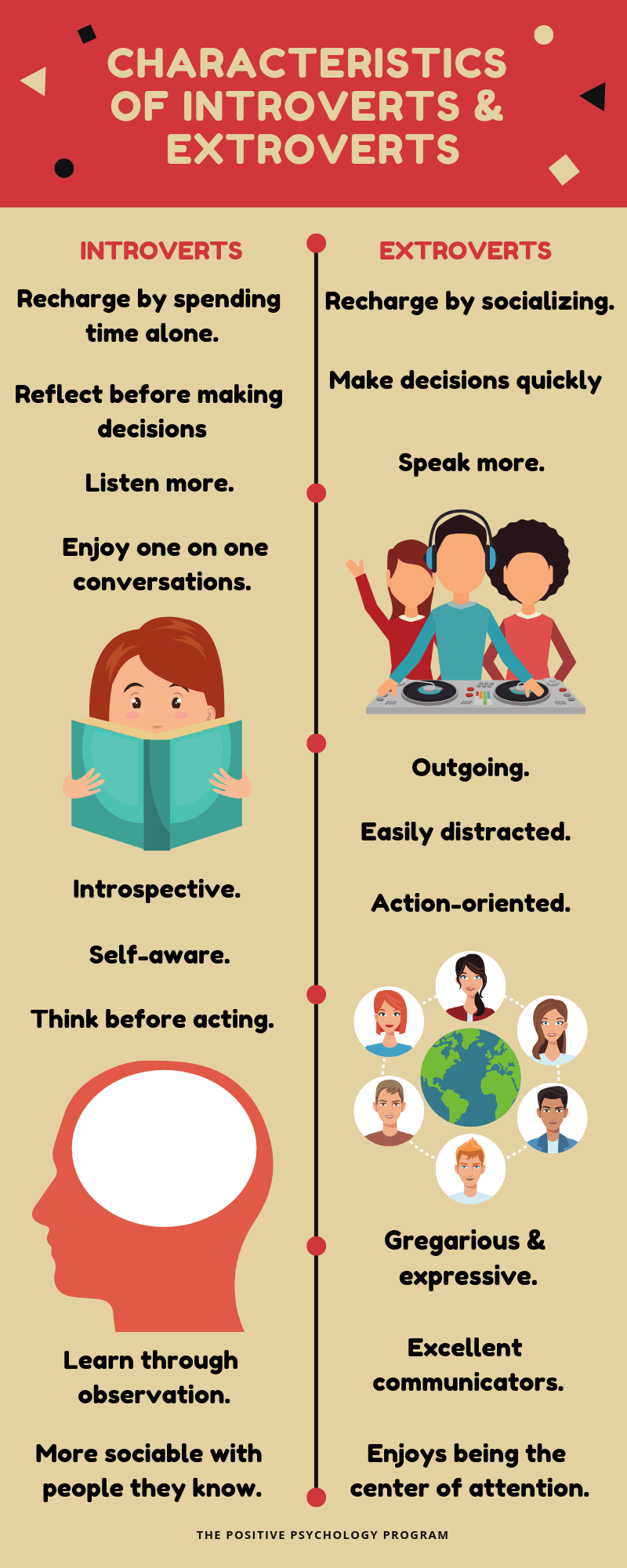
At its heart, introversion is about how individuals gain and expend energy. It’s not about being anti-social, but about being differently social. The primary differentiator lies in how introverts and extroverts respond to external stimulation.
The Extrovert’s External Recharge
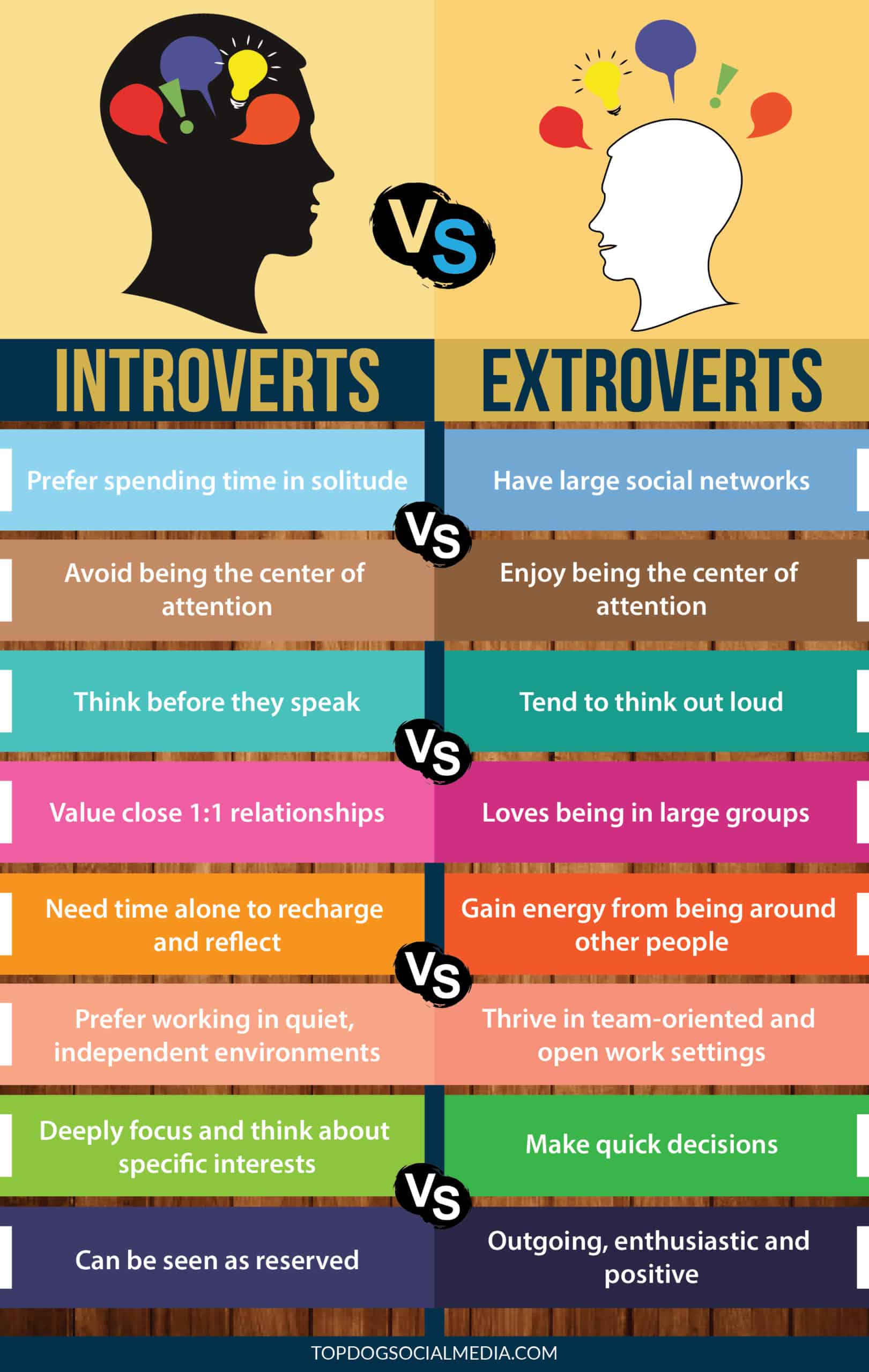
Extroverts tend to be energized by social interaction and external stimuli. Large groups, bustling environments, and a constant stream of new information can feel invigorating and stimulating. They often feel drained by too much solitude and seek out social engagement to “recharge” their batteries. This outward focus means they are often the ones driving conversations, initiating interactions, and readily sharing their thoughts and experiences.
The Introvert’s Internal Recharge
Introverts, on the other hand, gain energy from internal reflection and quiet contemplation. While they can enjoy social interactions, prolonged or intense social engagements tend to deplete their energy reserves. They often need periods of solitude to process information, recharge their mental batteries, and regain their equilibrium. This internal focus means they often think before they speak, prefer deep one-on-one conversations over large group settings, and can find constant external stimulation overwhelming. It’s crucial to understand that this isn’t a moral judgment; it’s simply a difference in how the brain is wired and how it processes the world.
This fundamental difference in energy management has profound implications for how introverts engage with the three core pillars of our modern lives: technology, branding, and finance.
The Spectrum of Introversion
It’s also important to recognize that introversion exists on a spectrum. Not all introverts are the same. Some might be deeply introverted, finding even small social gatherings draining. Others might be ambiverts, leaning towards introversion but capable of enjoying social situations without becoming completely depleted. Understanding where you or others fall on this spectrum is key to developing effective strategies for navigating the world.
Introversion and the Digital Frontier: Navigating Tech and Productivity
The digital age, with its constant connectivity and information overload, presents a unique set of challenges and opportunities for introverts. While the internet can feel like a constant bombardment of external stimuli, it also offers a sanctuary for quiet contemplation and focused work.
The Double-Edged Sword of Online Connectivity
For introverts, the internet can be a paradox. On one hand, the sheer volume of notifications, emails, social media updates, and the pressure to constantly be “online” can be overwhelming, leading to what is sometimes called “digital burnout.” The rapid-fire nature of online communication, often lacking the nuances of face-to-face interaction, can be exhausting. The expectation of immediate responses can be particularly draining, forcing introverts to engage when they are not mentally prepared.
However, the digital world also offers a powerful and often preferred way for introverts to connect and engage. Online platforms allow for more controlled interactions, where introverts can take their time to formulate their thoughts before responding. This is particularly evident in written communication – emails, instant messaging, and forum discussions – where they can express themselves thoughtfully without the pressure of immediate verbal responses.
Leveraging Technology for Introvert Strengths
Technology can be a powerful ally for introverts looking to enhance their productivity and manage their energy.
- Productivity Tools: Many apps and software are designed to help individuals manage their tasks, focus their attention, and minimize distractions. For introverts, these tools can be invaluable. Task management apps allow them to break down projects into manageable steps, providing a sense of control and accomplishment. Focus apps, which block distracting websites or limit screen time, can help introverts create the quiet, concentrated environments they thrive in.
- AI for Deeper Engagement: Artificial intelligence (AI) tools can also be harnessed by introverts. AI-powered writing assistants can help with drafting emails and documents, allowing introverts to articulate their ideas more efficiently. AI tools for research can sift through vast amounts of information, presenting distilled insights that introverts can then process and synthesize in their own time. This frees up mental energy that would otherwise be spent on the initial, often overwhelming, information gathering.
- Curated Information Consumption: Introverts can use technology to create curated information feeds, following specific interests and avoiding the constant deluge of irrelevant content. This allows for deeper dives into topics of interest without feeling overwhelmed. Subscribing to newsletters, using RSS feeds, and carefully selecting social media follows can create a more manageable and enriching digital experience.
- Digital Security and Privacy: Introverts often value their personal space and can be more concerned about digital privacy. Investing time in understanding digital security practices, using strong passwords, and utilizing privacy-focused apps and browsers can provide a sense of control and safety in the digital realm, reducing anxiety.
Ultimately, introverts can use technology not just to survive, but to thrive. By being intentional about their digital consumption and leveraging tools that support their natural inclinations, they can harness the power of technology for deeper work, more meaningful connections, and greater personal efficiency.

Crafting Your Brand as an Introvert: Authenticity in the Spotlight
The world of personal and corporate branding often seems to favor the loud, the bold, and the constantly visible. For introverts, stepping into the branding arena can feel like being asked to perform on a stage when you prefer the intimacy of a small, familiar room. However, introversion offers unique strengths that, when properly leveraged, can lead to exceptionally powerful and authentic brands.
Redefining Visibility: Depth Over Breadth
The common misconception is that branding requires constant self-promotion and a relentless outward presence. For introverts, this approach can be not only exhausting but also inauthentic, leading to a disconnect between their brand and their true selves. Instead, introverts can excel by focusing on depth over breadth.
- Thought Leadership: Introverts often possess a remarkable ability for deep thinking, analysis, and careful consideration. This makes them natural thought leaders. Instead of constantly broadcasting opinions, they can cultivate a reputation for providing insightful, well-researched, and considered perspectives. This can be achieved through written content such as blog posts, articles, or even academic papers, where they can meticulously craft their arguments.
- Niche Expertise: Introverts often gravitate towards areas of deep interest. This allows them to develop profound expertise in specific niches. Their branding efforts can then focus on showcasing this specialized knowledge, attracting a dedicated audience that values their in-depth understanding.
- Authentic Storytelling: While introverts might not readily share every detail of their lives, they can be masters of authentic storytelling. When they do share, their narratives are often poignant, insightful, and deeply resonant. Their personal branding can be built on sharing their journey, their challenges, and their growth in a way that feels genuine and relatable.
- Quality Over Quantity in Networking: Large networking events can be draining for introverts. Instead, they can focus on building strong, meaningful relationships with a smaller, curated group of people. This might involve more intentional one-on-one meetings, thoughtful email exchanges, or engaging in online communities where deeper connections can be formed.
The Power of Quiet Authority
Introverts often possess a “quiet authority” – a presence that commands respect not through loudness, but through competence, thoughtfulness, and integrity. This can be a powerful asset in branding.
- Corporate Identity: For businesses, a corporate identity that emphasizes quality, reliability, and meticulous attention to detail can resonate strongly with introverted values. Think of brands known for their craftsmanship, their commitment to sustainability, or their focus on providing exceptional customer service through thoughtful, personalized interactions.
- Design and Aesthetics: Introverts often appreciate well-designed, minimalist, and functional aesthetics. Their branding efforts can reflect this by favoring clean design, sophisticated color palettes, and clear, concise messaging. This can create a sense of calm and trustworthiness that appeals to a broad audience.
- Reputation Management: A strong reputation is built on consistency and trust. Introverts, with their tendency to be deliberate and careful, can excel at managing their reputation by consistently delivering on promises and demonstrating integrity in all their interactions.
By embracing their natural inclinations and focusing on authenticity, depth, and quality, introverts can build brands that are not only successful but also deeply fulfilling and sustainable.
Introversion and Financial Savvy: Strategic Planning for Inner Wealth
The world of personal and business finance often appears fast-paced and aggressive, seemingly favoring the bold and the decisive. However, introversion’s inherent qualities of thoughtfulness, careful planning, and a preference for deep understanding can be significant assets in managing money and building financial security.
The Introvert’s Approach to Personal Finance
Introverts tend to approach decisions with a degree of caution and thoroughness, which can be highly beneficial when it comes to personal finance.
- Prudent Spending and Saving: The tendency to introspect and consider consequences can lead to more deliberate spending habits. Introverts are less likely to engage in impulsive purchases and are more inclined to save for future goals. This natural inclination towards delayed gratification is a cornerstone of sound personal finance.
- In-Depth Research for Investing: When it comes to investing, introverts are likely to do their homework. They will research different investment vehicles, understand the risks involved, and make informed decisions rather than chasing speculative trends. This analytical approach can lead to more stable and sustainable investment portfolios over the long term.
- Value of Financial Tools: Introverts can find immense value in financial tools that provide clarity and control. Budgeting apps that help track expenses, investment platforms that offer detailed market analysis, and online banking tools that provide instant access to financial information can all support an introvert’s need for understanding and organization.
- Focus on Long-Term Security: The introspective nature of introverts can lead to a greater focus on long-term financial security and stability rather than rapid wealth accumulation. This mindset can foster disciplined saving, wise investing, and a proactive approach to planning for retirement and other future financial needs.
Introversion in Business Finance and Online Income
For introverts venturing into business or seeking online income streams, their personality traits can be strategically applied.
- Careful Business Planning: The deliberate nature of introverts lends itself to meticulous business planning. They are likely to conduct thorough market research, develop detailed financial projections, and consider potential risks before launching a venture. This methodical approach can significantly reduce the likelihood of costly mistakes.
- Online Income Streams Requiring Focus: Many online income opportunities, such as freelance writing, web development, graphic design, or data analysis, benefit from the deep focus and concentration that introverts naturally possess. These roles often require solitary work, allowing introverts to perform at their best without feeling drained by constant social interaction.
- Content Creation as a Strength: As discussed in the branding section, introverts can excel at creating valuable, insightful content. This can translate directly into online income through blogging, affiliate marketing, creating online courses, or developing digital products. The ability to articulate complex ideas clearly and thoughtfully is a highly marketable skill.
- Strategic Negotiation and Partnership: While introverts might not relish aggressive negotiation tactics, their ability to analyze situations, understand underlying motivations, and communicate precisely can make them effective in business dealings. They can approach partnerships and negotiations with a focus on mutual benefit and long-term viability, rather than short-term gains.
- Leveraging Financial Tools for Business: For business owners, utilizing accounting software, tax preparation tools, and online payment processors can streamline financial management, freeing up mental energy for core business operations. Introverts can appreciate the efficiency and accuracy these tools provide.
In conclusion, introversion is not a barrier to financial success; rather, it’s a personality trait that, when understood and leveraged, can lead to a more deliberate, strategic, and ultimately more secure financial future, both personally and professionally.
Embracing the Introverted Advantage
Introversion is a fundamental aspect of human personality, characterized by how individuals gain and expend energy. It is not a deficit to be overcome, but a distinct way of experiencing and interacting with the world. In our increasingly digital, brand-conscious, and financially-driven society, understanding and embracing introverted strengths is more important than ever.
From navigating the complexities of technology and maximizing productivity, to crafting authentic and impactful brands, and building robust financial futures, introverts possess a unique set of advantages. By recognizing these strengths and consciously applying them, introverts can not only thrive but lead in their chosen fields, proving that quiet contemplation, deep thought, and a measured approach are not weaknesses, but powerful assets in the modern age. The introverted advantage is real, and it’s time to celebrate it.
aViewFromTheCave is a participant in the Amazon Services LLC Associates Program, an affiliate advertising program designed to provide a means for sites to earn advertising fees by advertising and linking to Amazon.com. Amazon, the Amazon logo, AmazonSupply, and the AmazonSupply logo are trademarks of Amazon.com, Inc. or its affiliates. As an Amazon Associate we earn affiliate commissions from qualifying purchases.