
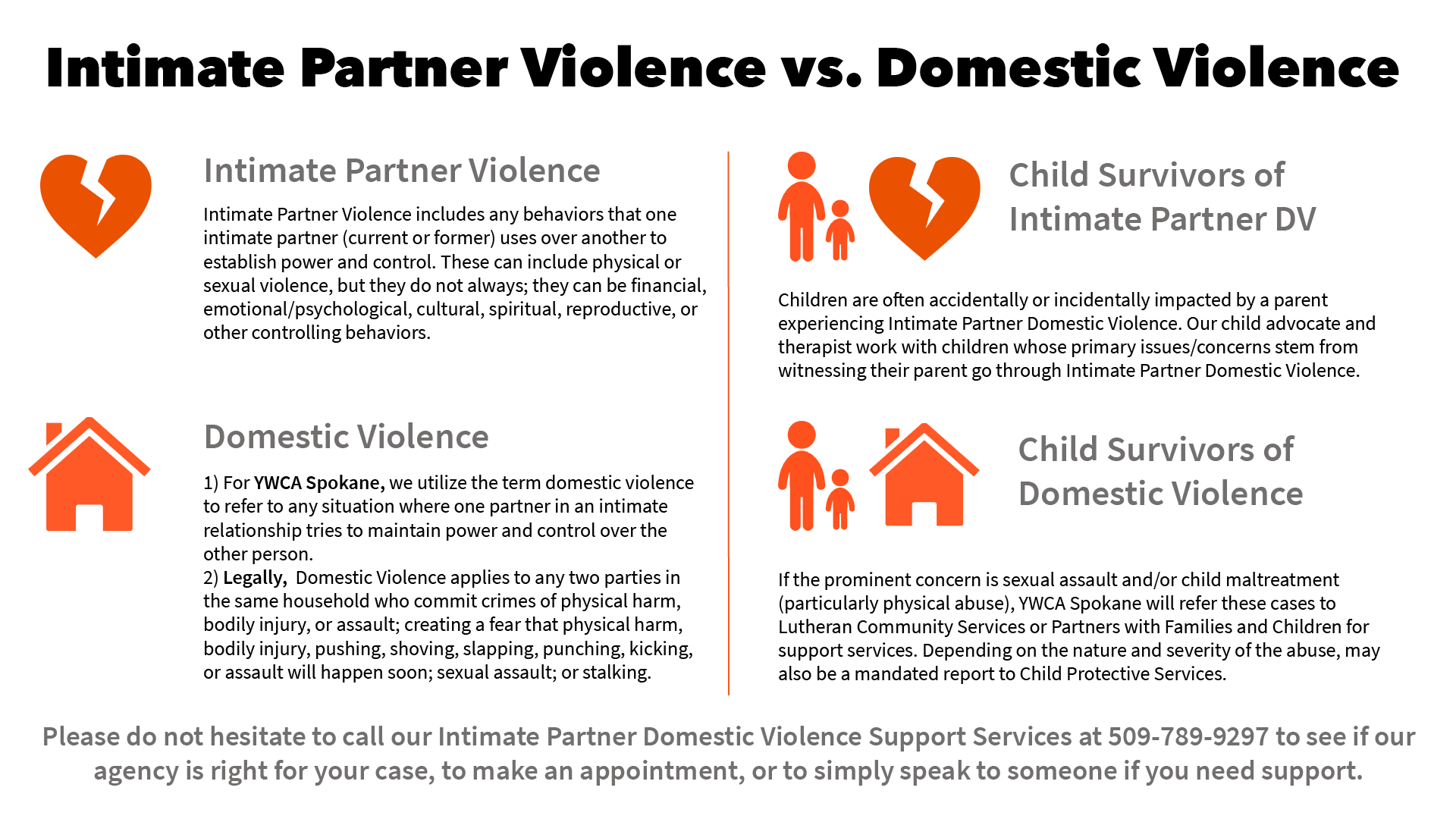
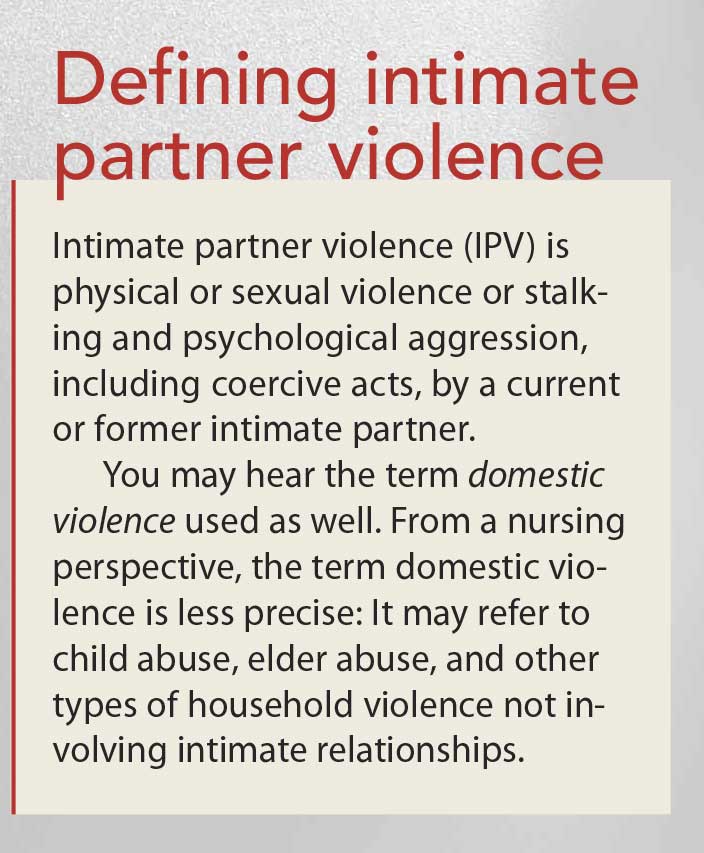
Intimate partner violence (IPV) is a complex and pervasive issue that affects individuals across all demographics, regardless of gender, sexual orientation, socioeconomic status, or cultural background. While the term “violence” often conjures images of physical harm, IPV encompasses a much broader spectrum of abusive behaviors, including psychological, emotional, sexual, and financial coercion, all aimed at establishing and maintaining power and control over an intimate partner. Understanding the multifaceted nature of IPV is the first crucial step towards prevention, intervention, and ultimately, fostering healthier relationships.
This article will delve into the definition and various forms of intimate partner violence. We will explore the underlying dynamics that perpetuate such abuse, examining how power and control manifest in destructive ways. Furthermore, we will discuss the profound impact of IPV on victims and society at large, and touch upon resources available for those affected. While the core of this discussion centers on the human element of IPV, we will also briefly consider how advancements in technology and strategic branding, when applied responsibly, can play a role in raising awareness and supporting victims.
Understanding the Spectrum of Abuse
Intimate partner violence is not a singular event but rather a pattern of coercive behaviors. It’s vital to recognize that IPV can occur in any type of intimate relationship, including dating relationships, marriages, and even familial partnerships where there is a sexual component. The defining characteristic is the abuse of power and control by one partner over the other within the context of an intimate relationship.
Physical Abuse
Physical abuse is perhaps the most commonly recognized form of IPV. It involves the use of force or the threat of force to intimidate, harm, or control an intimate partner. This can range from relatively minor actions like shoving, slapping, or restraining, to more severe acts such as punching, kicking, strangulation, or using weapons. The intent behind physical abuse is to inflict pain, cause injury, or instill fear, thereby asserting dominance. It’s important to note that even seemingly minor physical altercations can escalate and cause significant physical and psychological damage. Victims often experience a range of injuries, from bruises and cuts to broken bones and internal damage. The constant threat of physical violence also creates a pervasive sense of fear and insecurity.
Psychological and Emotional Abuse
Often more insidious and harder to detect, psychological and emotional abuse erodes a victim’s self-esteem, sense of self-worth, and emotional well-being. This type of abuse employs tactics designed to manipulate, demean, and control a partner’s thoughts, feelings, and behaviors. Common tactics include:
- Verbal abuse: Constant criticism, insults, name-calling, yelling, threats, and humiliation.
- Belittling and demeaning: Making the victim feel stupid, incompetent, or worthless.
- Gaslighting: Manipulating the victim into doubting their own sanity, memory, or perception of reality. This can involve denying things that happened, making up stories, or accusing the victim of being overly sensitive or imagining things.
- Isolation: Preventing the victim from seeing friends, family, or engaging in activities they enjoy, thereby increasing their dependence on the abuser.
- Controlling behavior: Dictating what the victim wears, where they go, who they talk to, and how they spend their time.
- Threats: Threatening to harm themselves, the victim, loved ones, pets, or to spread embarrassing information.
- Jealousy and possessiveness: Accusing the victim of infidelity, monitoring their communications, and displaying extreme jealousy.
The cumulative effect of psychological and emotional abuse can be devastating. Victims may develop anxiety, depression, post-traumatic stress disorder (PTSD), and a profound sense of hopelessness. Their ability to trust their own judgment and form healthy relationships can be severely compromised.
Sexual Abuse
Sexual abuse within an intimate relationship constitutes rape or sexual assault. This occurs when one partner forces, coerces, or manipulates the other into unwanted sexual activity. Consent must be enthusiastic, voluntary, and ongoing. Any sexual act performed without explicit consent is a form of sexual abuse. This can include:
- Rape: Forcing sexual intercourse or other sexual acts.
- Unwanted sexual touching: Touching or fondling without consent.
- Forced oral sex or other sexual acts: Requiring the partner to perform or engage in specific sexual activities against their will.
- Sexual coercion: Using threats, manipulation, or guilt to force sexual activity.
- Degrading sexual acts: Forcing the partner to engage in humiliating or degrading sexual behaviors.
- Denial of contraception or protection: Forcing a partner to engage in unprotected sex or refusing to use protection, thereby putting them at risk of pregnancy or STIs.
The trauma of sexual abuse is profound and can lead to severe psychological distress, including shame, guilt, anxiety, depression, and difficulty with intimacy in future relationships.
Financial Abuse
Financial abuse is a powerful tool of control that can trap victims in abusive relationships by limiting their access to resources and creating dependence. It involves controlling money, assets, and financial decisions to gain power and maintain control. Tactics include:
- Controlling all household finances: Preventing the victim from having their own bank account or access to money.
- Withholding money: Refusing to provide funds for basic necessities like food, clothing, or healthcare.
- Sabotaging employment: Discouraging the victim from working, making them late for work, or even getting them fired.
- Forcing the victim to take out loans or incur debt: Using the victim’s name to borrow money or accrue credit card debt without their knowledge or consent.
- Stealing money or assets: Taking the victim’s personal savings or property.
- Demanding an accounting of every penny spent: Creating immense pressure and scrutiny over the victim’s spending habits.
Financial abuse can make it incredibly difficult for victims to leave an abusive relationship, as they may lack the financial means to support themselves and any children. It perpetuates a cycle of dependence and can extend the duration and severity of the abuse.
The Dynamics of Power and Control
At its core, intimate partner violence is about power and control. Abusers employ a variety of tactics to assert dominance and manipulate their partners, creating an imbalance in the relationship that allows them to exert their will. This cycle of abuse, often described by the Duluth Model, involves distinct phases that can repeat:
Building Trust and Rapport
In the initial stages, an abuser may appear charming, loving, and attentive. They may shower their partner with affection, gifts, and promises of a perfect future. This phase is crucial for establishing trust and creating a deep emotional bond, making it harder for the victim to recognize the signs of abuse later on.
Escalation of Abuse
Once trust is established, the abuser’s behavior begins to shift. This escalation might start subtly with minor criticisms or controlling behaviors that are dismissed as “lovers’ quarrels” or “jealousy.” Over time, these incidents become more frequent and severe, gradually encroaching on the victim’s autonomy and well-being.
Justification and Rationalization
Abusers often attempt to justify their actions, blaming the victim for their behavior. They might claim the victim provoked them, deserved the abuse, or that they were “just trying to help.” This rationalization is a key component of gaslighting and aims to shift responsibility away from the abuser and onto the victim.
The Cycle of Hope and Remorse
Following a period of intense abuse, the abuser may experience a phase of remorse or “honeymoon.” They might apologize profusely, promise to change, and revert to their loving behavior. This phase offers the victim a glimmer of hope, reinforcing their belief that the abuser can change and making it harder to leave. However, this remorse is often a manipulation tactic to keep the victim engaged and prevent them from leaving. The cycle then begins anew, with the tension building again until the next abusive incident.
The persistent nature of this cycle traps victims in a state of confusion, fear, and despair, making it incredibly challenging to break free from the abusive relationship.
The Impact and Support Systems
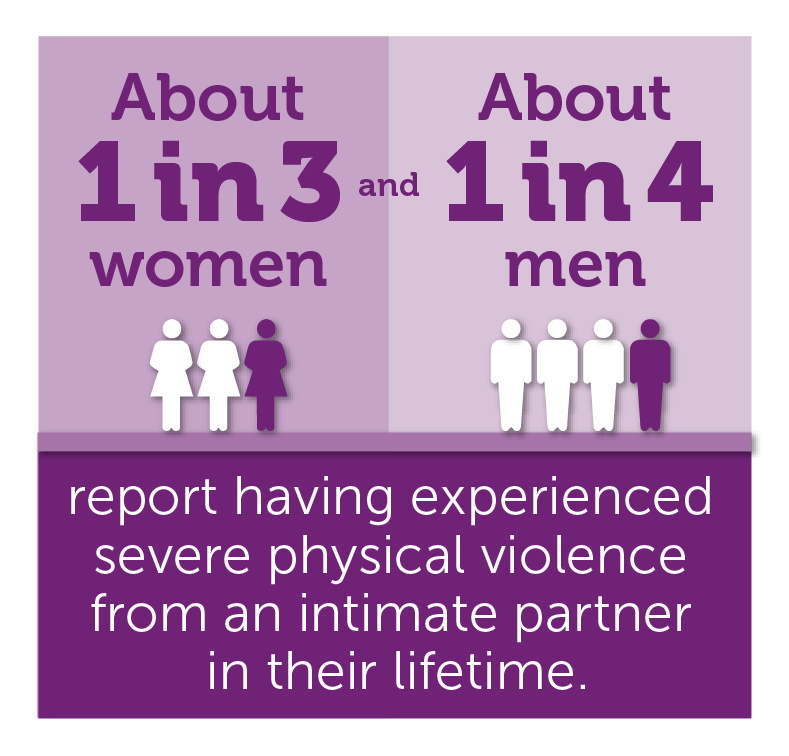
The consequences of intimate partner violence are far-reaching, impacting not only the immediate victim but also their children, families, and the wider community. The physical, psychological, and emotional toll can be devastating and long-lasting.
Impact on Victims
Victims of IPV often suffer from a range of physical injuries, from minor bruises to severe trauma. Beyond the physical, the psychological and emotional scars can be profound. They may experience:
- Anxiety and depression: A constant state of worry, fear, and sadness.
- Post-Traumatic Stress Disorder (PTSD): Flashbacks, nightmares, and hypervigilance related to the abuse.
- Low self-esteem and self-worth: Internalizing the abuser’s criticisms and feeling inadequate.
- Social isolation: Feeling ashamed or embarrassed, and being prevented from connecting with support networks.
- Substance abuse: As a coping mechanism to deal with the trauma.
- Suicidal ideation: In severe cases, victims may feel that suicide is their only escape.
The impact on children exposed to IPV is also significant, contributing to behavioral problems, emotional difficulties, and a higher risk of perpetuating abusive cycles in their own future relationships.
The Role of Technology and Branding in Awareness and Support
While technology and branding are often associated with commerce and innovation, they can also be powerful tools in the fight against intimate partner violence.
- Technology for Safety: Apps and digital tools can offer discrete ways for victims to access information, safety plans, and emergency contacts. Encrypted communication platforms can help victims connect with support services without their abuser’s knowledge. However, it’s crucial to be aware of the risks of digital surveillance and ensure that technology is used with extreme caution by those in abusive situations.
- Brand Awareness Campaigns: Strategic branding and marketing campaigns can be instrumental in raising public awareness about IPV. By creating compelling narratives and accessible messaging, organizations can educate the public, challenge societal norms that enable abuse, and encourage help-seeking behavior. Personal branding can also be used by survivors to share their stories, advocate for change, and inspire others.
- Financial Empowerment and Online Income: For victims seeking to escape abusive relationships, financial independence is often a critical factor. Access to online resources for personal finance education, learning new skills for remote work, or exploring side hustles can provide a pathway to economic freedom. This can be facilitated through accessible online tutorials and financial tools that empower individuals to rebuild their lives.
Seeking Help and Resources
If you or someone you know is experiencing intimate partner violence, it is crucial to seek help. You are not alone, and there are resources available to support you.
- National Domestic Violence Hotline: Provides confidential support and resources 24/7. (1-800-799-SAFE or text START to 88788)
- Local Shelters and Support Groups: Offer safe housing, counseling, and legal assistance.
- Law Enforcement: If you are in immediate danger, call 911.
- Therapists and Counselors: Can provide specialized support for trauma survivors.
Understanding intimate partner violence is the first step towards breaking its cycle. By recognizing the diverse forms of abuse, the underlying dynamics of power and control, and the profound impact it has, we can work towards creating a society where all intimate relationships are founded on respect, equality, and safety.
aViewFromTheCave is a participant in the Amazon Services LLC Associates Program, an affiliate advertising program designed to provide a means for sites to earn advertising fees by advertising and linking to Amazon.com. Amazon, the Amazon logo, AmazonSupply, and the AmazonSupply logo are trademarks of Amazon.com, Inc. or its affiliates. As an Amazon Associate we earn affiliate commissions from qualifying purchases.