
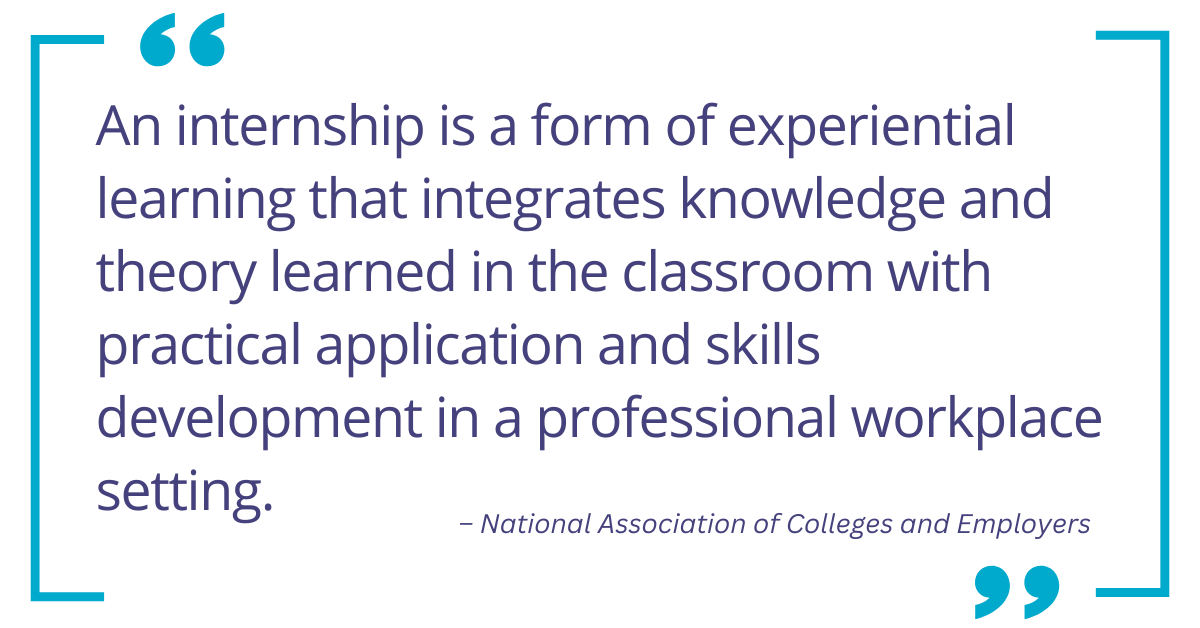
An “intern” at its core refers to an individual, typically a student or recent graduate, undergoing a period of supervised practical training in a professional setting. This experiential learning opportunity is designed to bridge the gap between academic theory and real-world application, offering participants a firsthand look into an industry or company culture. While often perceived as a temporary position focused on learning, the role of an intern carries significant financial implications and strategic value for both the individual and the host organization, establishing it as a critical component in the broader ecosystem of personal finance, business investment, and career development.
The Foundational Investment: Defining the Intern Role
Understanding what an intern is requires moving beyond a simplistic definition of a temporary worker. From a financial perspective, an internship represents a mutual investment. For the individual, it’s an investment of time, effort, and often financial resources (e.g., relocation costs, foregone immediate higher earnings) in exchange for future returns. For the organization, it’s an investment of mentorship, resources, and often direct compensation, with the expectation of tangible contributions, fresh perspectives, and a pipeline for future talent acquisition. This dual investment model underpins the entire internship paradigm.
More Than Just a Stepping Stone
While an internship is undeniably a stepping stone into a career, its financial significance is far more profound. It’s an early-stage career investment where the “currency” isn’t solely monetary. It involves the acquisition of human capital – skills, knowledge, professional network, and practical experience – which directly correlates with future earning potential. The financial wisdom in pursuing an internship often lies in understanding this long-term capital appreciation rather than focusing solely on immediate remuneration. It’s an act of investing in oneself, akin to strategic financial planning for one’s professional life.
The Dual Financial Perspective
The definition of an intern is thus bifurcated by financial lenses. From the intern’s perspective, it’s about gaining financially valuable experience, potentially earning immediate income, and improving their marketability for higher-paying roles post-graduation. From the company’s standpoint, it’s a cost-effective strategy for talent acquisition, a mechanism for project support, and an investment in corporate social responsibility and future workforce development. Recognizing this dual financial narrative is crucial for both parties to maximize the value derived from the internship experience.
Unpacking the Financial Value for the Intern
For the individual, the financial benefits of an internship extend far beyond any immediate paycheck. These benefits can be categorized into direct compensation, the accumulation of valuable career capital, and the acceleration of long-term earning potential.
Immediate Returns: Compensation Models
Internship compensation models vary widely, ranging from unpaid positions to competitive salaries and stipends. Unpaid internships, particularly common in non-profit sectors or for academic credit, represent a significant personal financial investment, demanding careful consideration of one’s ability to cover living expenses without an income. Paid internships, conversely, offer immediate financial relief and can be structured as hourly wages, fixed stipends, or even full-time salaries, particularly in high-demand fields like technology and finance. The choice of an internship often involves a calculated financial decision, weighing immediate income needs against the perceived long-term career benefits and networking opportunities inherent in the role. Many students use these stipends to offset tuition, living costs, or to build an early savings base, making the internship a direct contributor to their personal financial management.
Long-Term ROI: Skill Building and Network Capital
Perhaps the most significant financial return for an intern is the acquisition of tangible and intangible skills. Practical experience in project management, data analysis, client communication, software proficiency, and industry-specific tools directly enhances an individual’s resume and capabilities. These skills are currency in the job market, making an intern a more attractive and valuable candidate to future employers. Furthermore, an internship provides unparalleled access to professional networks. Connections made with mentors, colleagues, and industry leaders are invaluable assets, opening doors to future job opportunities, collaborations, and insights that can significantly impact career trajectory and earning capacity. This “network capital” is an investment that compounds over time, often leading to lucrative opportunities not accessible through traditional job applications alone.
Career Acceleration and Enhanced Earning Potential
The impact of an internship on post-graduation employment and salary is well-documented. Graduates with relevant internship experience often secure full-time positions faster, receive more job offers, and command higher starting salaries compared to their counterparts without such experience. This is a direct reflection of the perceived lower risk and higher immediate value that experienced candidates bring to employers. For instance, an internship can shave months off a job search, translating into earlier income generation. Moreover, the insights gained during an internship can help individuals refine their career goals, potentially steering them towards more specialized or high-demand roles that offer greater financial rewards in the long run. It’s an investment that accelerates the accumulation of wealth through enhanced human capital and market positioning.
Strategic Financial Implications for Businesses
For organizations, establishing and maintaining an internship program is a strategic financial decision, aligning with both immediate operational needs and long-term human capital development. It’s an investment in talent that yields returns in productivity, innovation, and reduced recruitment costs.
Talent Pipeline and Reduced Recruitment Costs
One of the most compelling financial arguments for businesses to hire interns is the creation of a robust talent pipeline. Internship programs serve as extended interviews, allowing companies to evaluate potential full-time hires in a real-world work environment before committing to a permanent position. This significantly reduces the financial risks associated with hiring, such as the costs of recruitment agencies, lengthy interview processes, and potential mis-hires. Companies that convert interns into full-time employees often see lower onboarding costs, as these individuals are already familiar with the company culture, systems, and processes. This efficiency translates directly into savings in a company’s operational budget and improves the overall return on investment (ROI) in human resources.
Innovation, Efficiency, and Project Support
Interns often bring fresh perspectives, new ideas, and up-to-date academic knowledge to the workplace. This influx of contemporary thinking can foster innovation, challenge existing norms, and introduce efficiencies that might otherwise be overlooked. From a financial standpoint, interns can provide cost-effective support for specific projects, absorb overflow work, or contribute to initiatives that might not warrant a full-time employee’s salary. Their contributions can free up senior staff to focus on more complex, high-value tasks, thereby increasing overall team productivity and potentially accelerating project timelines – all of which have direct financial benefits for the organization.
Building a Future-Ready Workforce: The Human Capital Investment
Investing in interns is also an investment in the future workforce. Companies that consistently offer quality internship programs build a reputation as desirable employers, attracting top talent year after year. This continuous influx of skilled individuals ensures a steady supply of potential leaders and innovators, crucial for long-term business sustainability and competitive advantage. From a business finance perspective, this is a proactive investment in human capital, hedging against future talent shortages and ensuring the company remains agile and capable of adapting to evolving market demands. It’s a strategic allocation of resources towards cultivating the intellectual assets that will drive future revenue and growth.
Navigating the Financial Landscape of Internships
Both interns and businesses must approach the internship experience with a clear understanding of its financial dimensions to maximize mutual benefit.
Maximizing Your Internship’s Financial Impact (for interns)
For individuals, maximizing the financial return from an internship involves strategic planning. This includes carefully researching potential employers and their compensation structures, negotiating stipends where appropriate, and actively seeking opportunities to develop high-demand skills. Beyond the immediate paycheck, interns should focus on networking aggressively, seeking mentorship, and building a portfolio of work that demonstrates tangible contributions. Documenting achievements and quantifying their impact during the internship can significantly strengthen future job applications and salary negotiations. Ultimately, viewing the internship as an investment in one’s personal human capital and long-term financial security is key.

Optimizing Internship Programs for Business ROI (for businesses)
Businesses can optimize their internship programs for maximum ROI by clearly defining intern roles, providing meaningful work, and offering structured mentorship. Investing in a robust program, even with competitive compensation, can yield significant returns by attracting higher-caliber candidates, fostering loyalty, and ultimately leading to higher conversion rates to full-time hires. Tracking the performance and retention of former interns, as well as the cost savings associated with internal talent pipelines, allows companies to measure the financial impact of their programs and continually refine their approach. This strategic view ensures that internship programs are not just a cost center, but a vital component of a company’s long-term financial health and talent strategy.
aViewFromTheCave is a participant in the Amazon Services LLC Associates Program, an affiliate advertising program designed to provide a means for sites to earn advertising fees by advertising and linking to Amazon.com. Amazon, the Amazon logo, AmazonSupply, and the AmazonSupply logo are trademarks of Amazon.com, Inc. or its affiliates. As an Amazon Associate we earn affiliate commissions from qualifying purchases.