
In the realm of high-performance computing, aerospace engineering, and consumer electronics, we often focus on the macro-level achievements: the gigahertz of a processor, the resolution of an 8K display, or the capacity of a solid-state drive. However, the true frontier of technological innovation exists at a scale invisible to the naked eye. At the heart of every technological breakthrough lies a fundamental principle of physics and chemistry: the intermolecular force.
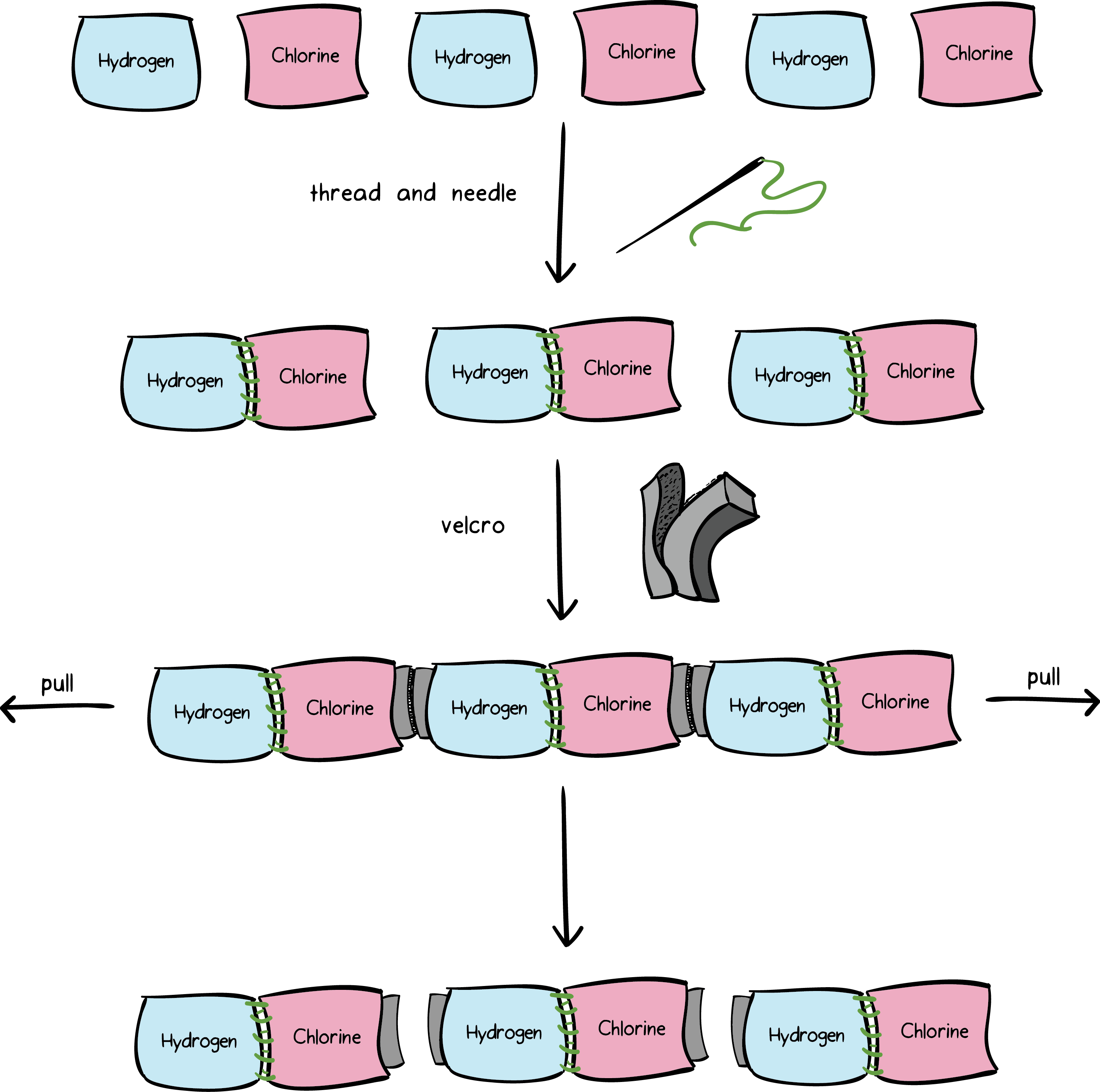
Intermolecular forces (IMFs) are the attractive or repulsive forces that act between neighboring particles (atoms, molecules, or ions). While intramolecular forces hold a single molecule together (like the covalent bonds in a water molecule), intermolecular forces determine how those molecules interact with one another. In the tech industry, understanding and manipulating these forces is the “secret sauce” behind everything from the thermal paste on your CPU to the foldable screens on the latest smartphones.
The Molecular Foundation of Modern Hardware: Why IMFs Matter
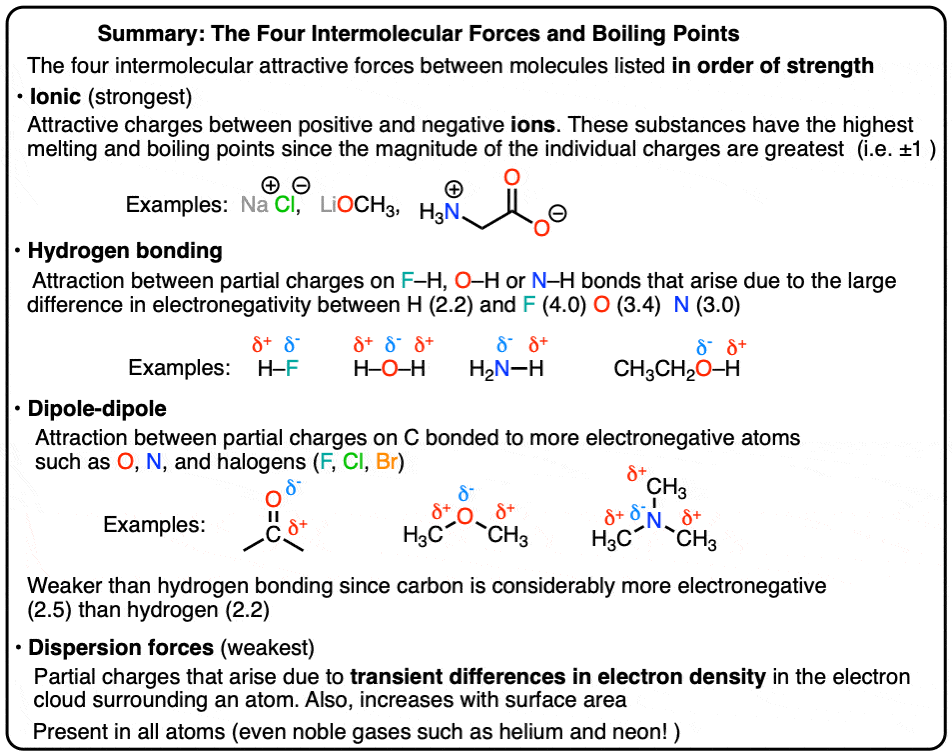
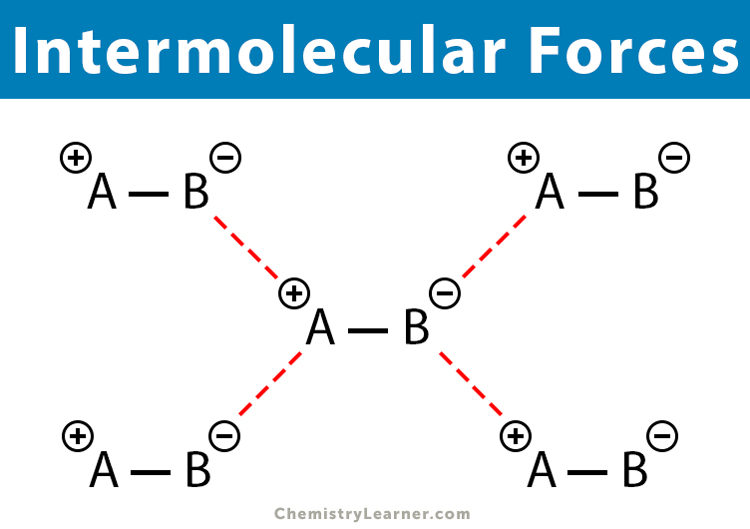
To understand the trajectory of modern hardware, one must first grasp the three primary types of intermolecular forces: London dispersion forces, dipole-dipole interactions, and hydrogen bonding. In the context of technology, these aren’t just textbook definitions; they are engineering parameters.
Thermal Management and Dipole Interactions
As transistors shrink and clock speeds increase, heat becomes the primary enemy of performance. The efficacy of thermal interface materials (TIMs)—the substances placed between a heat source (like a GPU) and a cooling solution—depends entirely on intermolecular forces. High-performance thermal pastes are engineered to have specific dipole-dipole interactions that allow the material to remain viscous enough to fill microscopic gaps while maintaining high thermal conductivity. Without the precise calibration of these forces, our most powerful AI servers would melt under their own computational load within seconds.
The Role of Van der Waals Forces in Nanofabrication
Van der Waals forces, the weakest of the IMFs, become unexpectedly powerful at the nanoscale. In the manufacturing of semiconductors, particularly at nodes below 5nm, these forces dictate how photoresist chemicals adhere to silicon wafers. Engineers must account for these subtle attractions to prevent “pattern collapse,” where the tiny structures of a circuit are literally pulled together and destroyed by intermolecular attraction during the drying process. Mastering these “weak” forces is what allows companies like TSMC and Intel to continue pushing the boundaries of Moore’s Law.
Material Science: The Engine of Tech Innovation
The tech industry is currently undergoing a shift from “silicon-centric” to “materials-centric” development. This transition is driven by our ability to manipulate intermolecular forces to create “smart” materials with properties that were once thought impossible.
Organic Light-Emitting Diodes (OLED) and Molecular Alignment
The vibrant colors and deep blacks of an OLED screen are a direct result of molecular engineering. Unlike traditional LEDs, OLEDs utilize organic molecules that rely on specific intermolecular arrangements to conduct electricity and emit light efficiently. By adjusting the intermolecular forces within the organic layers, engineers can control the “stacking” of molecules. This alignment determines the device’s lifespan, brightness, and energy efficiency. The “Organic” in OLED refers to carbon-based molecules whose interactions are governed by complex hydrogen bonding and pi-stacking—a specific type of intermolecular force vital for electron mobility.
The Physics of Foldable and Flexible Displays
The emergence of foldable technology is perhaps the most visible application of IMF manipulation. A foldable screen must be durable enough to withstand hundreds of thousands of folds without losing its structural integrity or optical clarity. This requires polymers where the intermolecular bonds are strong enough to maintain a cohesive surface but flexible enough to allow for molecular sliding. Tech giants are investing billions into “molecular glues” and polymer chains designed to optimize these forces, ensuring that the screen doesn’t “creep” or deform over time.
Scaling Down: How Atomic-Level Forces Dictate the Future of Moore’s Law
For decades, the tech industry followed Moore’s Law—the observation that the number of transistors on a microchip doubles roughly every two years. As we approach the atomic limit, we are no longer just fighting the laws of economics; we are fighting the laws of physics, specifically intermolecular and interatomic forces.
Quantum Tunneling and Intermolecular Interference
As the barriers between transistors become only a few atoms thick, intermolecular forces begin to facilitate a phenomenon known as quantum tunneling. This is where electrons “leak” through barriers because the forces holding them in place are superseded by quantum effects. To combat this, the tech industry has turned to High-k dielectric materials. These materials utilize strong intermolecular polarization to create a more effective “gate,” allowing transistors to shrink further without the catastrophic loss of data integrity caused by unintended electron migration.
3D Chip Stacking and Adhesive Engineering
The future of computing lies in “3D packaging,” where chips are stacked on top of one another rather than spread out on a 2D plane. This creates a massive challenge: how do you bond two pieces of silicon so tightly that they act as one, while allowing for electrical signals to pass through seamlessly? The answer lies in molecular bonding. By treating the surfaces of silicon wafers to maximize intermolecular attraction (often through covalent or metallic bonding interfaces), manufacturers can create “hybrid bonding” architectures. This allows for a density of interconnects that was previously unreachable, paving the way for the next generation of AI accelerators.
The Impact on Green Tech and Sustainable Hardware
As the digital economy grows, its environmental footprint becomes a critical concern. Intermolecular force research is at the forefront of making technology more sustainable, particularly in the fields of battery tech and recyclability.
Electrolyte Stability in Lithium-Ion Batteries
The quest for longer-lasting smartphone batteries and long-range electric vehicles (EVs) is essentially a quest for better intermolecular stability. The liquid electrolytes in current batteries often degrade because the intermolecular forces between the solvent and the lithium ions break down over repeated charge cycles. Tech researchers are now developing “solid-state” batteries, which use solid electrolytes where intermolecular forces are much stronger and more stable, significantly reducing the risk of fire and increasing energy density.
Circular Economy and Molecular De-manufacturing
One of the biggest challenges in tech is e-waste. Modern gadgets are held together by ultra-strong adhesives that make them nearly impossible to repair or recycle. However, a new wave of “reversible” adhesives is being developed. These materials are designed with intermolecular forces that can be “switched off” using a specific trigger, such as a certain frequency of UV light or a precise temperature. This would allow a robot in a recycling plant to instantly disassemble an iPhone into its constituent parts, reclaiming rare earth metals and high-grade plastics with minimal energy expenditure.
Conclusion: The Invisible Frontier
When we ask, “What is intermolecular force?” in the context of the technology industry, the answer is far more than a scientific definition. It is the fundamental framework upon which our digital world is built. It is the force that keeps our processors cool, the bond that makes our screens flexible, and the barrier that challenges the future of computing.
As we move toward an era of quantum computing, nanotechnology, and deep-space hardware, our mastery of these invisible forces will be the primary differentiator between stagnation and innovation. The next “big thing” in tech likely won’t be a piece of software or a new app; it will be a breakthrough at the molecular level—a new way to harness the silent, powerful interactions that hold our universe together. For the tech professional, the engineer, and the enthusiast alike, looking small is the only way to continue thinking big.
aViewFromTheCave is a participant in the Amazon Services LLC Associates Program, an affiliate advertising program designed to provide a means for sites to earn advertising fees by advertising and linking to Amazon.com. Amazon, the Amazon logo, AmazonSupply, and the AmazonSupply logo are trademarks of Amazon.com, Inc. or its affiliates. As an Amazon Associate we earn affiliate commissions from qualifying purchases.