
Interest rates are the pulse of the global economy. They dictate the cost of borrowing, the reward for saving, and the overall rhythm of consumer spending and corporate investment. After a decade of historically low rates, the financial world has undergone a seismic shift. Today, understanding what the interest rate is—and more importantly, what it means for your wallet—is essential for anyone looking to navigate the complexities of personal finance and investing.
The current interest rate environment is characterized by a “higher for longer” sentiment. Central banks, led by the Federal Reserve in the United States, have utilized aggressive rate hikes as their primary tool to combat persistent inflation. While the headline figures fluctuate based on central bank meetings and economic data releases, the broader landscape remains one of elevated costs compared to the post-2008 era. To understand the current rate, one must look beyond a single percentage and examine how these figures ripple through mortgages, savings, and the broader market.
The Mechanics of the Modern Interest Rate Environment
At the heart of the current financial discussion is the Federal Funds Rate. This is the interest rate at which commercial banks borrow and lend their excess reserves to each other overnight. While it might sound like a niche banking metric, it is the benchmark that sets the floor for almost every other interest rate in the economy.
The Role of the Federal Reserve
The Federal Reserve (the Fed) operates under a dual mandate: to promote maximum employment and stable prices. When inflation rises above the target 2% threshold, the Fed typically raises interest rates to “cool” the economy. By making it more expensive to borrow money, consumer demand drops, and businesses scale back expansion, which ideally slows the rate of price increases. Currently, we are in a phase where the Fed is balancing the need to keep inflation in check without tipping the economy into a recession. This delicate balancing act is why every “dot plot” and Fed chair speech is scrutinized by investors worldwide.
Global Benchmarks and the Yield Curve
While the U.S. Federal Funds Rate is a primary driver, it does not exist in a vacuum. Other central banks, such as the European Central Bank (ECB) and the Bank of England, follow similar trajectories to stabilize their respective currencies and inflation rates. Another critical indicator is the Treasury Yield Curve. Specifically, the 10-year Treasury note serves as a benchmark for long-term debt, including 30-year fixed-rate mortgages. When short-term rates are higher than long-term rates—a phenomenon known as an inverted yield curve—it often signals that investors are bracing for an economic slowdown.
Inflation and Real Interest Rates
To truly understand the “real” interest rate, one must subtract the current inflation rate from the nominal interest rate. If a high-yield savings account offers 5% APY but inflation is running at 3%, your real rate of return is 2%. In the current environment, real interest rates have finally turned positive after years of being negative, meaning savers are finally seeing their purchasing power grow in real terms for the first time in a generation.
The Direct Impact on Household Borrowing and Debt
For the average consumer, the “interest rate right now” is most visible in the cost of debt. The transition from a 3% interest rate world to a 5% or 7% world has profound implications for lifestyle choices and long-term financial health.
The Mortgage Market Transformation
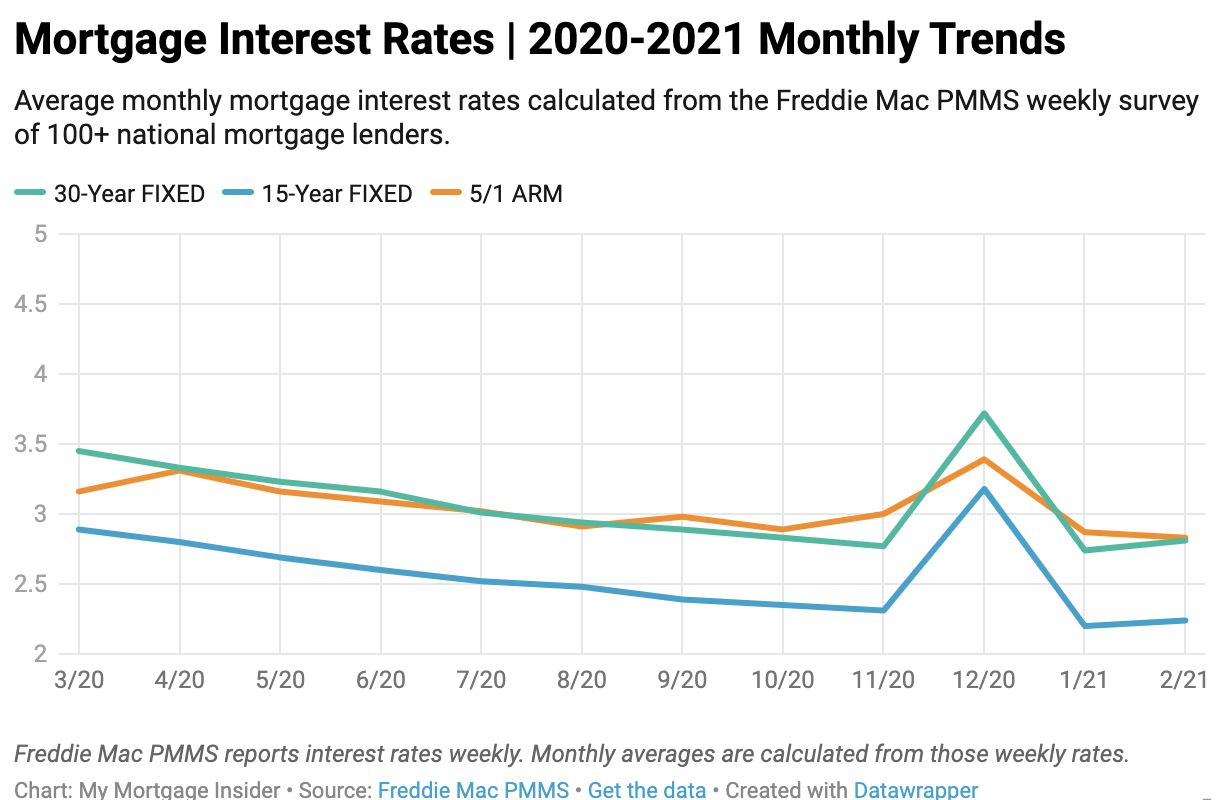
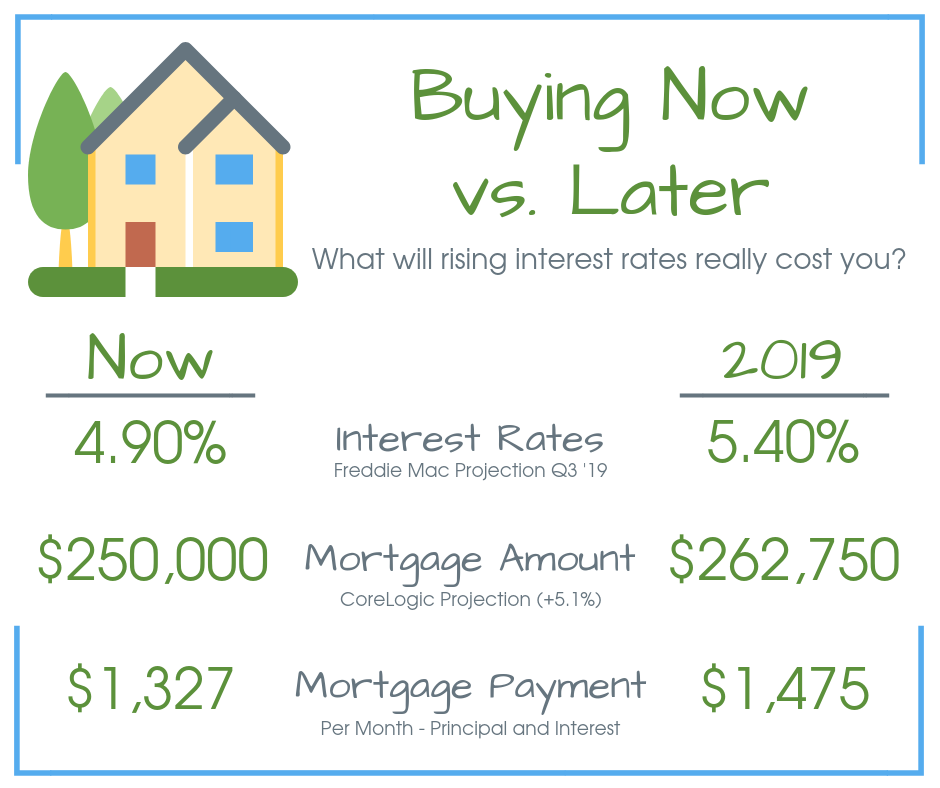
The housing market is perhaps the most sensitive sector to interest rate fluctuations. For years, homeowners enjoyed 30-year fixed mortgages at rates below 4%. In the current environment, those rates have frequently hovered between 6.5% and 8%. This change has created a “lock-in effect,” where homeowners with low rates are reluctant to sell, leading to lower inventory and sustained high home prices despite higher borrowing costs. For new buyers, the monthly payment on a standard mortgage has increased significantly, forcing many to reconsider their budgets or opt for adjustable-rate mortgages (ARMs) in hopes of refinancing later.
Credit Cards and Variable Interest Debt
Most credit cards carry variable interest rates tied to the Prime Rate, which moves in lockstep with the Federal Funds Rate. As the Fed raised rates, the average credit card APR surged to record highs, often exceeding 20%. For those carrying a balance, the cost of debt has become a significant drain on monthly cash flow. In this climate, debt consolidation and aggressive repayment strategies are no longer just good advice—they are financial necessities to avoid a compounding debt spiral.
Auto Loans and Personal Borrowing
The days of 0% financing on new vehicles have largely vanished. Auto loan rates have climbed, making the total cost of ownership for a vehicle much higher over the life of the loan. Similarly, personal loans and lines of credit have seen upward adjustments. Borrowers now face stricter lending standards as banks become more cautious about credit risk in a high-rate environment. This shift encourages a return to “savings-first” purchasing rather than relying on cheap credit.
Capitalizing on High Rates: Strategies for Savers and Fixed-Income Investors
While high interest rates are a burden for borrowers, they represent a golden age for savers. For the first time in over a decade, cash is no longer “trash.” It is a viable asset class that provides both liquidity and respectable returns.
High-Yield Savings Accounts (HYSA)
The current rate environment has breathed new life into High-Yield Savings Accounts. While traditional brick-and-mortar banks may still offer negligible interest, online banks and fintech platforms are offering APYs that often exceed 4.5% or 5%. Moving an emergency fund from a standard savings account to a high-yield option can result in hundreds, or even thousands, of dollars in passive income annually with zero risk to the principal.
The Resurgence of Certificates of Deposit (CDs)
CDs have regained popularity as a tool to “lock in” current high rates. If an investor believes that interest rates will decrease in the next 12 to 24 months, opening a long-term CD allows them to guarantee a high return regardless of future Fed decisions. CD laddering—a strategy where you open multiple CDs with different maturity dates—remains a sophisticated way to maintain liquidity while capturing high yields.
Treasury Bills and Bonds
Direct investment in government debt has become a mainstream strategy. Series I Savings Bonds, which are indexed to inflation, and short-term Treasury bills (T-Bills) offer state and local tax advantages that make them even more attractive than traditional savings accounts in certain jurisdictions. For conservative investors, the ability to earn a 5% return on a risk-free government asset has shifted the “60/40” portfolio dynamic, providing a stable foundation during stock market volatility.
The Investment Pivot: Managing Portfolios in a High-Yield World
In a low-rate environment, “There Is No Alternative” (TINA) to stocks. However, with higher interest rates, the investment calculus has changed. Investors must now be more discerning about where they allocate capital.
Growth vs. Value Investing
High interest rates generally put pressure on “growth” stocks, particularly in the tech sector. These companies often rely on future earnings, which are worth less today when discounted at a higher interest rate. Conversely, “value” stocks—companies with strong current cash flows and dividends—often become more attractive. Investors are increasingly looking for companies with “fortress balance sheets” that do not need to borrow heavily to sustain operations.
Real Estate Investment Trusts (REITs)
The impact on real estate investing is nuanced. While higher rates increase the cost of financing for REITs, they also often coincide with periods of economic strength where rent growth can offset interest expenses. However, sectors like commercial office space face a double whammy of high rates and changing work habits, whereas residential and industrial REITs may show more resilience.
The Role of Fintech in Rate Management
Technology has democratized access to interest rate optimization. Fintech tools now allow users to automatically sweep excess cash into the highest-yielding accounts available or trade fractional shares of Treasury ETFs. Managing the “interest rate right now” is no longer the exclusive domain of institutional investors; digital platforms provide the data and execution power for individuals to manage their interest rate exposure in real-time.
Looking Ahead: The Economic Indicators That Will Dictate Future Rates
The question of “what is the interest rate right now” is always followed by “where is it going?” Predicting the path of interest rates requires a close look at several key economic indicators that influence central bank policy.
The Consumer Price Index (CPI) and PCE
Inflation data remains the primary driver of rate decisions. The Fed specifically looks at the Personal Consumption Expenditures (PCE) price index. If these numbers show a consistent downward trend toward the 2% target, the pressure to maintain high rates subsides. Conversely, any “sticky” inflation or unexpected spikes will likely keep rates elevated for a longer duration.
Employment and Labor Market Strength
A strong labor market gives central banks the “green light” to keep rates high to fight inflation without worrying about immediate mass unemployment. However, if the unemployment rate begins to climb significantly, the Fed may be forced to cut rates to stimulate the economy, even if inflation isn’t perfectly at the target. This “soft landing” is the goal: reducing inflation without triggering a severe recession.
Strategic Financial Planning for a High-Rate Future
Regardless of the immediate fluctuations, the era of “free money” is over for the foreseeable future. Financial planning in this environment requires a focus on debt reduction, maximizing yield on cash reserves, and maintaining a diversified investment portfolio that can withstand various rate scenarios. By staying informed about the current interest rate landscape, individuals and businesses can make proactive decisions that protect their wealth and capitalize on the unique opportunities that a high-rate environment provides.
In conclusion, the interest rate right now is a reflection of a global economy in transition. While it presents challenges in the form of higher borrowing costs, it also offers a renewed opportunity for savers and a return to fundamental investing principles. Understanding these dynamics is the first step toward achieving long-term financial stability in an ever-changing economic world.
aViewFromTheCave is a participant in the Amazon Services LLC Associates Program, an affiliate advertising program designed to provide a means for sites to earn advertising fees by advertising and linking to Amazon.com. Amazon, the Amazon logo, AmazonSupply, and the AmazonSupply logo are trademarks of Amazon.com, Inc. or its affiliates. As an Amazon Associate we earn affiliate commissions from qualifying purchases.