
For the vast majority of individuals, a home is the most significant purchase they will ever make. However, the sticker price of the property is only one part of the financial equation. The mortgage interest rate is the secondary, and often more impactful, price tag that dictates the long-term cost of borrowing. In essence, the interest rate is the “rent” you pay to a financial institution for the use of their capital over a designated period. Understanding what this rate represents, how it is calculated, and the macroeconomic forces that drive it is essential for any savvy borrower or investor.
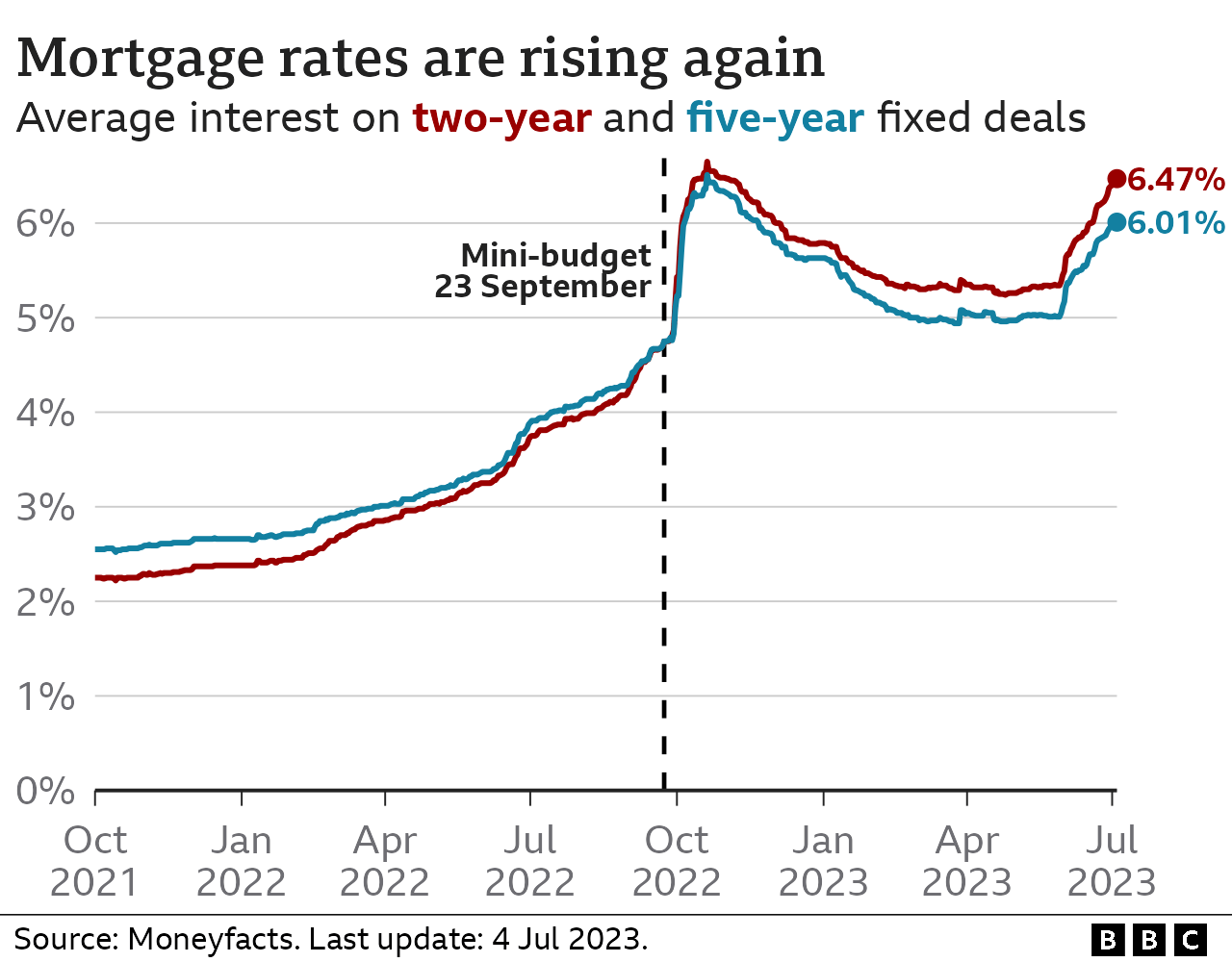
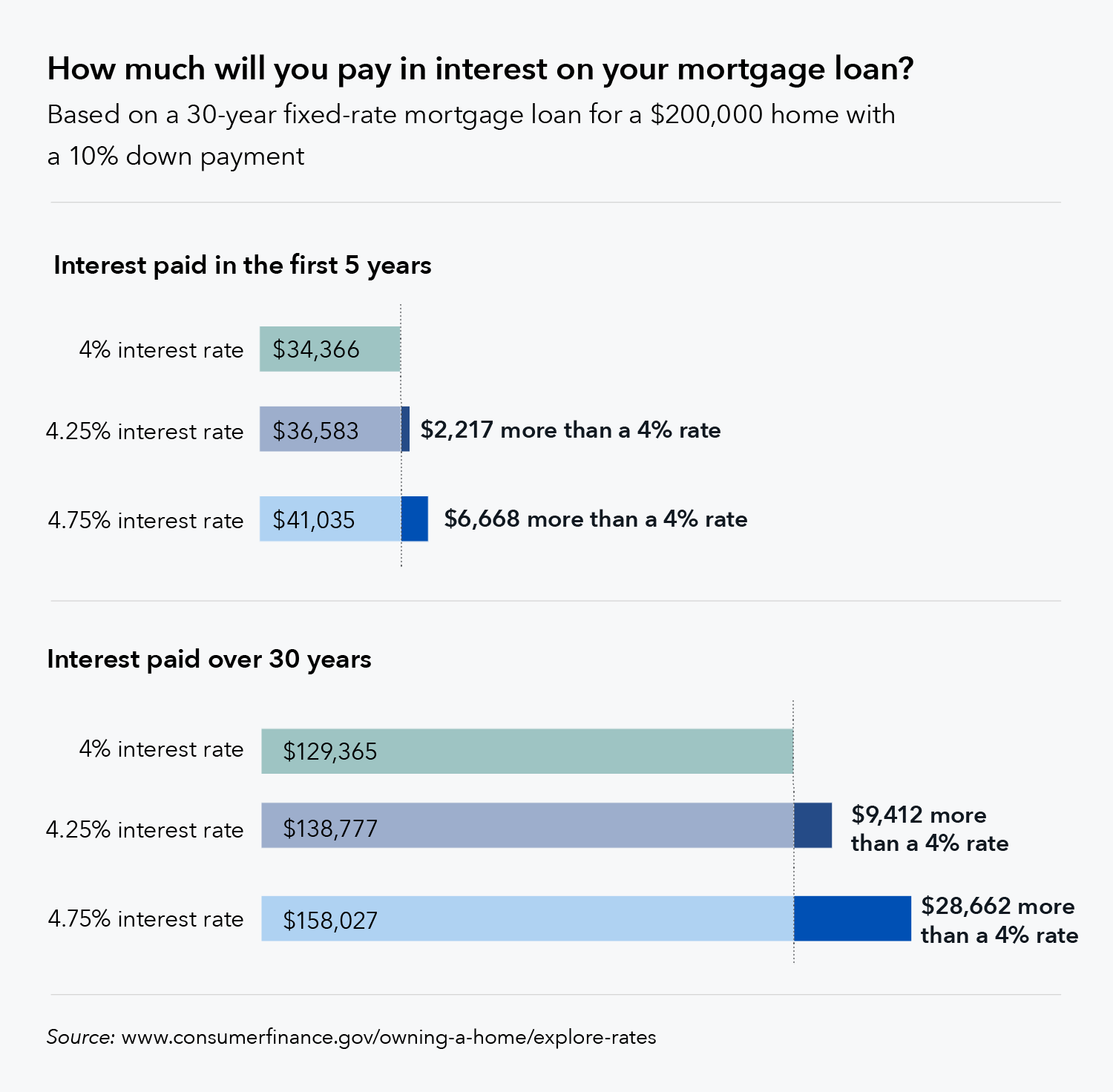
The mortgage interest rate is expressed as a percentage of the total loan amount. Over a standard 30-year term, even a fractional difference in this percentage can translate into tens of thousands, or even hundreds of thousands, of dollars in interest payments. As such, the interest rate is the primary lever in determining monthly affordability and the total “all-in” cost of homeownership.
The Core Mechanics of Mortgage Interest
To fully grasp what a mortgage interest rate is, one must first distinguish between the nominal interest rate and the Annual Percentage Rate (APR). While the nominal rate is used to calculate your monthly principal and interest payment, the APR provides a more comprehensive view of the loan’s cost, including origination fees, mortgage insurance, and other closing costs. For a borrower, comparing APRs across different lenders is often a more accurate way to measure the true cost of credit.
The Difference Between Interest Rate and APR
The nominal interest rate is the figure most commonly advertised by lenders. It is applied to the declining principal balance of your loan each month. However, the APR reflects the total annual cost of the loan to the borrower. Because it includes upfront fees, the APR is almost always higher than the interest rate. If a lender offers a very low interest rate but charges high “discount points” or processing fees, the APR will reveal the hidden costs that the nominal rate obscures.
How the Federal Reserve Influences Your Mortgage
A common misconception is that the Federal Reserve sets mortgage rates directly. In reality, the Fed sets the “federal funds rate,” which is the short-term rate at which banks lend to one another overnight. While mortgage rates tend to track the movement of the federal funds rate, they are more closely correlated with the yield on the 10-year Treasury note.
When the Fed raises rates to combat inflation, it typically signals a broader increase in the cost of borrowing across the economy. This ripple effect reaches the mortgage market, as lenders demand higher yields to compensate for the increased cost of their own capital and the potential for inflation to erode the value of future payments.
The Role of Amortization
Mortgage interest is typically calculated through a process called amortization. In the early years of a mortgage, the majority of your monthly payment is directed toward interest rather than principal. As the balance of the loan decreases over time, the portion of the payment allocated to interest shrinks, and the portion allocated to principal grows. This “front-loading” of interest means that the effective cost of the loan is highest in the first decade, making the interest rate a critical factor for those who plan to sell or refinance within five to ten years.
Types of Mortgage Rates: Fixed vs. Adjustable
The structure of your interest rate can vary significantly depending on the type of loan product you select. The two primary categories are fixed-rate mortgages and adjustable-rate mortgages (ARMs), each serving different financial strategies and risk tolerances.
Fixed-Rate Mortgages: The Safe Haven
The fixed-rate mortgage is the bedrock of the American housing market. Whether it is a 15-year or 30-year term, the interest rate remains identical from the first payment to the last. This provides the borrower with absolute certainty in their monthly housing costs, protecting them against future market volatility.
In a low-interest-rate environment, locking in a fixed rate is a powerful hedge against inflation. If inflation rises to 5% but your mortgage is locked at 3.5%, you are effectively paying back the bank with “cheaper” dollars, increasing your personal net worth as the real value of your debt diminishes.
Adjustable-Rate Mortgages (ARMs): Risk vs. Reward
An adjustable-rate mortgage offers an initial period of fixed interest—usually three, five, seven, or ten years—after which the rate fluctuates based on a specific market index, such as the Secured Overnight Financing Rate (SOFR).
ARMs typically offer a lower starting interest rate than fixed-rate loans, making them attractive for buyers who plan to sell the property before the initial period ends. However, they carry the risk of “rate shock.” If interest rates rise significantly by the time the adjustment period arrives, the borrower’s monthly payment could skyrocket. Modern ARMs usually include “caps” that limit how much the rate can increase in a single year and over the life of the loan, but the inherent uncertainty requires a more sophisticated financial plan.
External Economic Forces Driving Rate Fluctuations
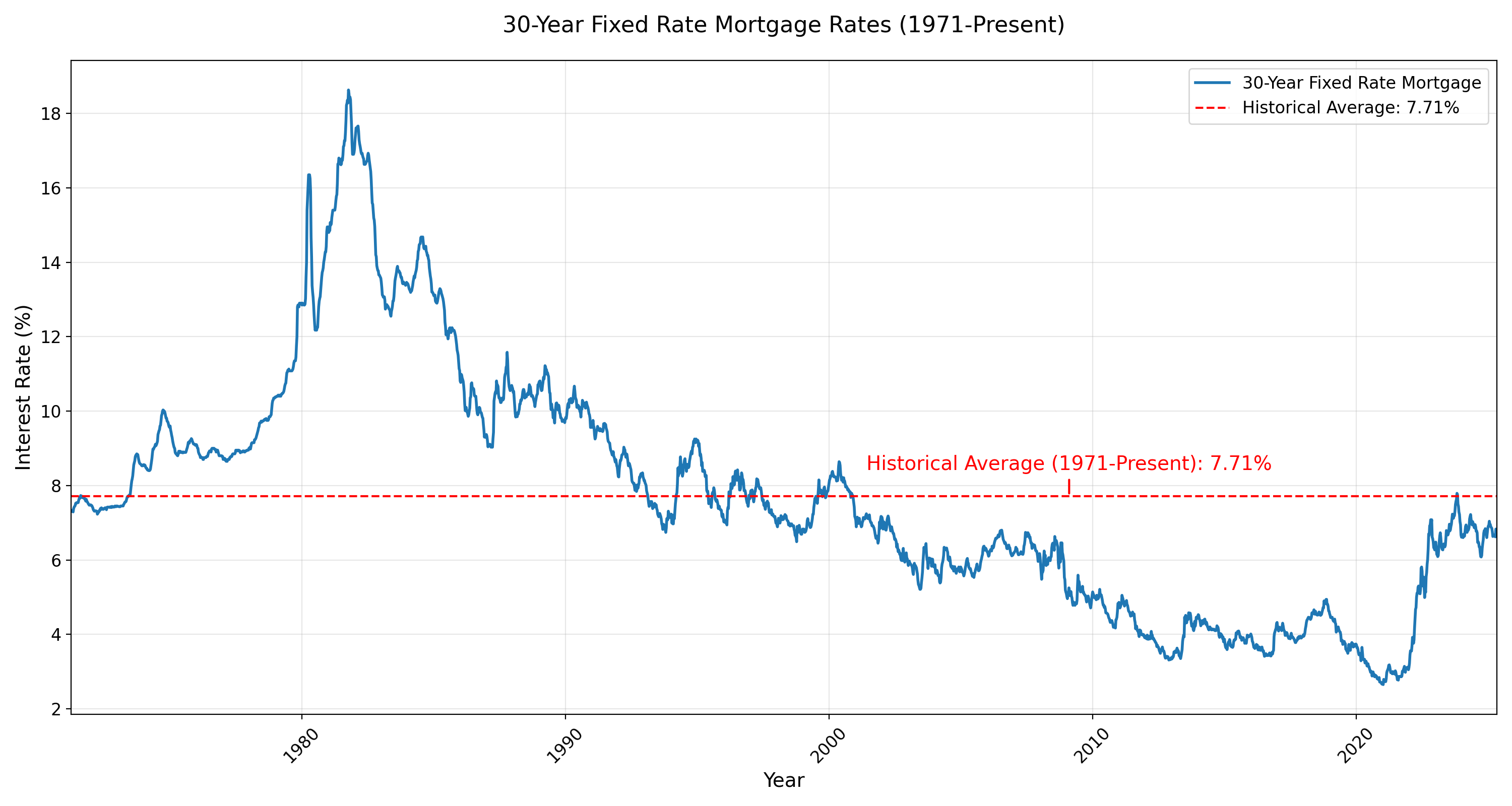
Mortgage rates do not exist in a vacuum; they are highly sensitive to the broader economic climate. Investors who purchase mortgage-backed securities (MBS) drive the pricing of these rates based on their expectations of risk and return.
Inflation and the Value of Money
Inflation is the primary enemy of mortgage lenders. Because a mortgage is a long-term fixed-income asset, the lender is concerned that the money they are paid back in the future will have less purchasing power than the money they lent out today. When inflation expectations rise, lenders increase interest rates to maintain their profit margins. This is why mortgage rates often climb even before official central bank policy changes occur.
The Impact of the Bond Market
Mortgage-backed securities compete with other low-risk investments, primarily U.S. Treasury bonds. When investors are confident in the economy, they may move money out of bonds and into the stock market, causing bond prices to fall and yields (interest rates) to rise. Conversely, during times of geopolitical instability or economic recession, investors flock to the safety of bonds—a “flight to quality”—which drives bond prices up and mortgage rates down.
Secondary Market Liquidity
The availability of capital in the secondary market also dictates rates. Institutions like Fannie Mae and Freddie Mac buy mortgages from lenders and package them into securities for investors. If there is high demand for these securities, lenders can offer lower interest rates to consumers because they know they can easily sell the loans. If demand for mortgage-backed securities dries up, rates must rise to attract investors back to the market.
Personal Financial Factors and Rate Determination
While macroeconomic trends set the “floor” for mortgage rates, your personal financial profile determines the specific rate a lender will offer you. This is known as “risk-based pricing.”
The Weight of Your Credit Profile
Your credit score is the single most influential factor in your personal mortgage rate. Lenders use credit scores to predict the likelihood of default. A borrower with a score above 760 will typically receive the “prime” rate, while a borrower with a score in the 620s might face a rate that is 1% to 1.5% higher. Over 30 years, this discrepancy can cost a borrower a fortune, highlighting the importance of credit maintenance as a financial tool.
Loan-to-Value Ratios and Down Payments
The amount of equity you have in the property also affects your rate. The Loan-to-Value (LTV) ratio is the percentage of the home’s value that is being borrowed. A lower LTV (e.g., a 20% down payment) represents less risk to the lender. If the LTV is high (above 80%), not only will the interest rate likely be higher, but the borrower will also be required to pay Private Mortgage Insurance (PMI), further increasing the effective cost of the loan.
Debt-to-Income (DTI) and Employment Stability
Lenders look for a “qualified mortgage” profile, which includes a Debt-to-Income ratio that generally stays below 43%. While DTI primarily affects your ability to get approved, a very low DTI combined with significant cash reserves can sometimes help you negotiate a more favorable rate or reduce the “add-ons” that lenders apply to riskier profiles.
Strategic Optimization: Reducing the Cost of Borrowing
Sophisticated borrowers do not simply accept the first rate they are quoted. There are several financial strategies available to lower the interest rate and maximize the efficiency of the loan.
Mortgage Points and Buydowns
A “point” is equal to 1% of the loan amount, paid upfront at closing in exchange for a lower interest rate. This is essentially “prepaying” interest to reduce the long-term cost. To determine if buying points is a wise financial move, one must calculate the “break-even point”—the number of months it takes for the monthly savings to equal the upfront cost. If you plan to stay in the home for 15 years, paying for points usually makes sense. If you plan to move in three years, it is a poor use of capital.
Recasting vs. Refinancing
When rates drop significantly below your current rate, refinancing is the standard tool to lower your interest costs. However, refinancing involves thousands of dollars in closing costs. An alternative for those with extra capital is “mortgage recasting.” In a recast, the borrower makes a large principal payment, and the lender recalculates the monthly payments based on the new, lower balance while keeping the original interest rate and term. While it doesn’t lower the rate, it significantly reduces the interest paid over time without the fees associated with a new loan.
The Power of Short-Term Loans
Choosing a 15-year mortgage instead of a 30-year mortgage almost always results in a lower interest rate. Lenders view shorter terms as lower risk because the capital is returned faster. While the monthly payments are significantly higher, the total interest paid over the life of the loan is drastically lower. For a borrower focused on long-term wealth accumulation rather than monthly cash flow, the 15-year fixed-rate mortgage is one of the most efficient wealth-building tools available.
In conclusion, the interest rate on a mortgage is far more than a simple percentage; it is a complex reflection of global economics, investor sentiment, and individual financial health. By understanding the mechanics behind these rates, borrowers can make informed decisions that align with their broader financial goals, ensuring that their home remains an asset rather than a liability.
aViewFromTheCave is a participant in the Amazon Services LLC Associates Program, an affiliate advertising program designed to provide a means for sites to earn advertising fees by advertising and linking to Amazon.com. Amazon, the Amazon logo, AmazonSupply, and the AmazonSupply logo are trademarks of Amazon.com, Inc. or its affiliates. As an Amazon Associate we earn affiliate commissions from qualifying purchases.