
For many, purchasing a car is a significant life event, a blend of excitement and practical necessity. Whether it’s a first car, a family upgrade, or a reliable workhorse, the dream often hinges on a car loan. And at the heart of every car loan is its interest rate – a critical, yet often misunderstood, component that dictates the true cost of your vehicle. Understanding what an interest rate is, how it’s calculated, and the factors that influence it, is not just about financial literacy; it’s about making smarter decisions, saving money, and ultimately, driving away with a deal that genuinely serves your financial well-being. This article will delve deep into the mechanics of car loan interest rates, equipping you with the knowledge to navigate the complexities and secure the best possible terms for your next vehicle purchase.
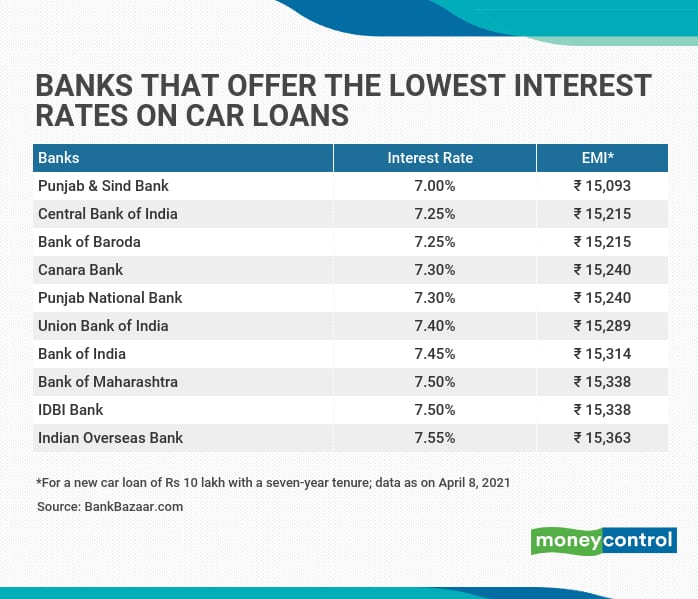
Understanding the Fundamentals of Car Loan Interest Rates
To demystify car loan interest rates, we must first establish a foundational understanding of what interest actually represents and how it functions within the context of automotive financing. It’s more than just a percentage; it’s the invisible hand shaping your monthly payments and the total amount you’ll ultimately pay for your car.
Defining Interest: The Cost of Borrowing
At its core, interest is the cost of borrowing money. When a lender (such as a bank, credit union, or dealership finance company) provides you with a car loan, they are essentially taking a risk. They are giving you a sum of money today, with the expectation that you will repay it over time, plus an additional charge for the privilege of using their capital. This additional charge is the interest. It compensates the lender for their risk, for the administrative costs associated with processing the loan, and for the opportunity cost of not using that money elsewhere. For you, the borrower, the interest rate is expressed as a percentage of the principal loan amount – the initial sum borrowed.
How Interest Rates Work on Car Loans
When you take out a car loan, the principal amount (the cost of the car minus any down payment) is subject to an interest rate. This rate is usually an annual percentage. However, your loan payments are typically made monthly. Each month, a portion of your payment goes towards reducing the principal, and another portion goes towards paying the accrued interest. In the early stages of a loan, a larger percentage of your monthly payment often goes towards interest, gradually shifting towards a greater principal reduction as the loan matures. This is known as amortization. The higher the interest rate, the larger the interest portion of each payment, and the more you will pay over the life of the loan.
Simple vs. Compound Interest: What to Expect
While the concept of interest can involve complex calculations, most car loans primarily utilize simple interest. This means that the interest is calculated only on the remaining principal balance of the loan. As you make payments and reduce the principal, the amount of interest you accrue each month decreases. This is generally beneficial for borrowers, as it directly rewards timely payments and principal reduction.
- Simple Interest: Interest is calculated solely on the outstanding principal balance.
- Compound Interest: (Less common for standard car loans, but important to understand in finance generally) Interest is calculated on the principal and on the accumulated interest from previous periods. This can lead to rapid growth in debt if not managed, but is primarily seen in investments or certain types of credit cards where unpaid interest is added to the principal.
For car loans, knowing it’s typically simple interest means that every extra payment you make towards the principal directly reduces the future interest you’ll pay, highlighting the value of early or larger payments if your budget allows.
Factors Influencing Your Car Loan Interest Rate
The interest rate you’re offered for a car loan isn’t random; it’s a carefully calculated figure based on a multitude of variables. Understanding these factors empowers you to improve your standing as a borrower and negotiate more favorable terms.
Your Credit Score: The Primary Determinant
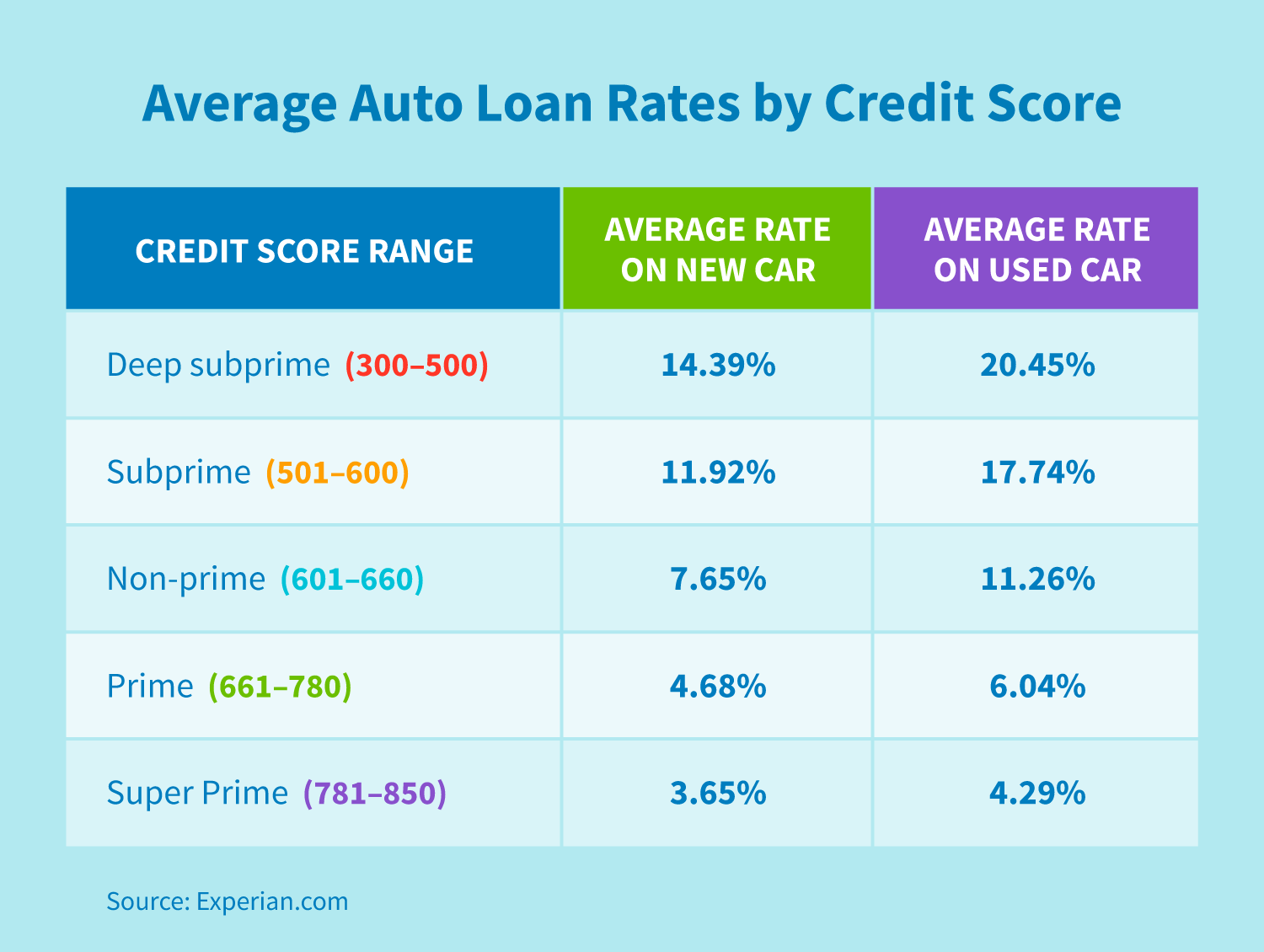
Without a doubt, your credit score is the single most influential factor in determining the interest rate you’ll receive. Lenders use your credit score as a quick snapshot of your creditworthiness and your likelihood of repaying the loan. A higher credit score (generally 700+) indicates a lower risk to lenders, often resulting in lower interest rates. Conversely, a lower score suggests a higher risk, leading to higher rates to compensate the lender for that perceived risk. Factors like payment history, amount of debt, length of credit history, and types of credit used all contribute to this score.
Loan Term Length: Short vs. Long
The duration of your loan, often expressed in months (e.g., 36, 48, 60, 72, or even 84 months), significantly impacts the interest rate.
- Shorter loan terms typically come with lower interest rates. This is because the lender’s money is tied up for a shorter period, reducing their risk. While monthly payments will be higher, the total interest paid over the life of the loan will be considerably less.
- Longer loan terms often have higher interest rates. Lenders perceive more risk over a longer period. While these loans offer lower monthly payments, making them more affordable in the short term, you’ll end up paying much more in total interest.
Down Payment Amount: Reducing Risk for Lenders
A substantial down payment reduces the amount you need to borrow, which in turn reduces the lender’s risk. If you put down a larger percentage of the car’s purchase price, you’re financing less, and the lender views you as a more responsible borrower. This can lead to a lower interest rate offer. A larger down payment also means you’re less likely to be “upside down” on your loan (owing more than the car is worth) early in the loan term.
Vehicle Type and Age: Depreciation Considerations
The specific car you choose can also play a role.
- New cars generally qualify for lower interest rates than used cars. This is because new cars hold their value better initially, making them better collateral for the loan.
- Used cars, especially older models or those with high mileage, carry a higher risk for lenders due to faster depreciation and potential mechanical issues. This often translates to higher interest rates. Lenders want to ensure the collateral (the car itself) retains enough value to cover the loan in case of default.
Market Conditions and Lender Policies
The broader economic environment, including the Federal Reserve’s interest rate policies, can influence car loan rates. When benchmark rates are low, car loan rates tend to follow suit. Conversely, in a high-interest rate environment, car loans become more expensive. Individual lender policies and their competitiveness also play a role. Some lenders might specialize in certain types of loans or have more aggressive rate offerings to attract borrowers.
Debt-to-Income Ratio and Other Financial Obligations
Lenders will also look at your overall financial picture, including your debt-to-income (DTI) ratio. This ratio compares your total monthly debt payments to your gross monthly income. A lower DTI ratio indicates that you have sufficient income to comfortably manage your existing debts and take on a new car loan, making you a more attractive borrower and potentially qualifying you for better rates. Other factors like employment history and housing status (renting vs. owning) can also be considered.
Types of Car Loan Interest Rates
While the goal is always to secure the lowest possible rate, it’s equally important to understand the different structures these rates can take. The choice between a fixed and variable rate loan can have long-term implications for your budget and financial planning.
Fixed-Rate Car Loans: Stability and Predictability
The vast majority of car loans are fixed-rate loans. With a fixed-rate loan, the interest rate remains constant throughout the entire life of the loan. This means your monthly principal and interest payment will never change, providing unparalleled stability and predictability for your budget. You know exactly what you’ll owe each month and the total amount of interest you’ll pay over the loan term, assuming you make all payments on time. This stability is highly valued by borrowers who prefer consistency and want to avoid potential increases in their payments due to market fluctuations.
Variable-Rate Car Loans: Opportunities and Risks
While less common for standard car loans, variable-rate loans do exist. With a variable-rate loan, the interest rate can fluctuate over the life of the loan, typically tied to a benchmark interest rate (like the prime rate). This means your monthly payments could increase or decrease.
- Opportunity: If market rates fall, your interest rate and payments could decrease, saving you money.
- Risk: If market rates rise, your interest rate and payments could increase, potentially straining your budget.
Variable-rate loans are generally riskier for borrowers who prefer stable payments and may not be able to absorb potential increases. They are more common in other types of lending, such as mortgages or personal lines of credit, but it’s crucial to be aware of their existence and understand their implications if encountered.
APR vs. Interest Rate: The True Cost
When comparing car loan offers, you’ll often encounter two terms: the “interest rate” and the “Annual Percentage Rate” (APR). It’s crucial to understand the distinction, as the APR provides a more accurate picture of the total cost of borrowing.
- Interest Rate: This is the percentage you pay on the principal loan amount for the privilege of borrowing. It’s the core cost of the money itself.
- Annual Percentage Rate (APR): The APR is a broader measure of the total cost of borrowing, expressed as an annual percentage. It includes not only the interest rate but also any additional fees associated with the loan, such as origination fees, application fees, or sometimes even closing costs. Because it incorporates these extra charges, the APR is almost always higher than the stated interest rate.
When comparing loan offers, always use the APR to get a true “apples-to-apples” comparison. A loan with a slightly lower interest rate but higher fees (resulting in a higher APR) might actually be more expensive than a loan with a slightly higher interest rate but no fees.
Strategies to Secure a Lower Car Loan Interest Rate
Armed with an understanding of interest rates and the factors that influence them, your next step is to actively implement strategies to secure the most favorable terms possible. A lower interest rate can save you hundreds, if not thousands, of dollars over the life of your car loan.
Improving Your Credit Score
Since your credit score is paramount, investing time in improving it can yield significant returns.
- Pay bills on time: Payment history is the biggest factor. Set up automatic payments to avoid missing due dates.
- Reduce existing debt: Lowering your credit utilization ratio (the amount of credit you’re using compared to your total available credit) can boost your score.
- Check your credit report: Regularly review your credit report for errors and dispute any inaccuracies.
- Avoid new credit applications: Opening multiple new credit accounts in a short period can temporarily ding your score.
Making a Larger Down Payment
As discussed, a larger down payment reduces the principal amount you need to borrow and lowers the lender’s risk. Aim for at least 10-20% of the car’s purchase price if possible. This not only can secure a lower interest rate but also reduces your monthly payments and lessens the chance of being underwater on your loan.
Choosing a Shorter Loan Term
Opting for a shorter loan term (e.g., 48 or 60 months instead of 72 or 84 months) often results in a lower interest rate. While your monthly payments will be higher, the total interest paid will be significantly less. Ensure the higher monthly payment is comfortably within your budget, as defaulting on a loan can severely damage your credit.
Shopping Around and Comparing Offers
Never take the first loan offer you receive, whether it’s from a dealership or your bank. Shop around extensively.
- Get pre-approved: Apply for pre-approval from multiple banks, credit unions, and online lenders before you even set foot in a dealership. This provides you with leverage and a concrete offer to compare against dealership financing. Multiple inquiries for the same type of loan within a short window (typically 14-45 days) are usually treated as a single hard inquiry on your credit report, so don’t be afraid to compare.
- Compare APRs: Always compare the APR, not just the interest rate, to get the true cost of each offer.
Considering a Co-signer (Carefully!)
If your credit isn’t stellar, having a co-signer with excellent credit can help you qualify for a lower interest rate. However, this decision should not be taken lightly. A co-signer is equally responsible for the loan, and any missed payments will negatively impact both your credit scores. It can strain relationships if not handled with extreme care and responsibility.
Negotiating with Dealerships and Lenders
Don’t be afraid to negotiate. With pre-approval offers in hand, you can push dealerships to beat those rates. Lenders also have some flexibility, especially if you present yourself as a low-risk borrower. Be confident, informed, and prepared to walk away if the terms aren’t favorable.
The Long-Term Impact of Interest Rates on Your Car Purchase
While the immediate focus might be on the monthly payment, the interest rate you secure has profound long-term implications that extend far beyond the initial transaction. Understanding this broader impact is crucial for responsible financial planning.
Total Cost of Ownership: Beyond the Sticker Price
The sticker price of a car is just the beginning. The interest rate on your loan significantly contributes to the total cost of ownership. A higher interest rate means you’ll pay substantially more for the car over time, even if the initial purchase price is the same. For example, a $30,000 loan at 3% APR over 60 months might cost you around $2,300 in interest, whereas the same loan at 7% APR could cost you over $5,500 – a difference of more than $3,000. This extra money could have gone towards maintenance, insurance, or other investments.
Monthly Payment Implications
While a lower interest rate reduces your total cost, it also directly impacts your monthly payment. Even a fractional difference in the interest rate can translate into a noticeable change in your budget. A higher monthly payment due to a high interest rate can strain your finances, potentially leading to difficulties in making payments, which in turn can damage your credit score. Conversely, a lower interest rate provides more financial breathing room, allowing you to allocate funds to savings or other financial goals.
Building or Harming Your Financial Health
Responsibly managing a car loan with a favorable interest rate can positively impact your financial health by building a strong credit history. Consistent, on-time payments demonstrate reliability and can improve your credit score, opening doors to better rates on future loans (like mortgages) or credit cards. Conversely, struggling with a high-interest loan and missing payments can severely harm your credit, making it more challenging and expensive to borrow money in the future.
Refinancing Options: When and Why
If you find yourself with a high interest rate car loan due to poor credit at the time of purchase, or if market rates have dropped significantly since you bought your car, refinancing might be an option.
- When to consider: If your credit score has improved substantially, if interest rates have fallen, or if you simply found a better offer, refinancing could lower your interest rate, reduce your monthly payment, or shorten your loan term, saving you money in the long run.
- Why it helps: Refinancing involves taking out a new loan to pay off your existing car loan, ideally at a lower interest rate. This new loan can offer more favorable terms, reducing your overall cost and easing your financial burden. However, consider any fees associated with refinancing to ensure the savings outweigh the costs.
Navigating the Car Loan Application Process
The journey to securing a car loan doesn’t end with understanding interest rates; it involves strategic navigation of the application process itself. Being prepared and knowing what to expect can prevent common pitfalls and ensure a smooth, financially sound transaction.
Pre-approval vs. Dealership Financing
One of the most powerful tools in your car-buying arsenal is pre-approval.
- Pre-approval: This is when you apply for and get approved for a car loan from a bank, credit union, or online lender before you visit a dealership. It provides you with a firm interest rate and loan amount, giving you the power of a cash buyer. With pre-approval, you know your budget and can focus on negotiating the car’s price rather than being swayed by the dealership’s financing offers.
- Dealership Financing: Dealerships often act as intermediaries, connecting you with their network of lenders. While convenient, their primary goal is to make a sale, and their financing options might not always be the most competitive. They may mark up interest rates or include additional products.
Always get pre-approved, then see if the dealership can beat your pre-approved rate. If they can’t, you have a solid backup.
Essential Documents and Information
When applying for a car loan, whether for pre-approval or at the dealership, be prepared to provide several key documents and pieces of information:
- Personal Identification: Driver’s license, social security number.
- Proof of Income: Pay stubs (typically for the last 1-2 months), W-2 forms, tax returns (especially if self-employed).
- Proof of Residence: Utility bill, lease agreement, mortgage statement.
- Credit History Information: Be ready for a credit check; know your approximate credit score.
- Vehicle Information: If you’ve already chosen a car, details like make, model, year, and VIN.
- Existing Debt Information: Details on other loans (mortgage, student loans, other car loans) and credit card balances.
Having these documents ready will streamline the application process and demonstrate your preparedness and reliability to lenders.

Avoiding Common Pitfalls
Several common mistakes can lead to less favorable car loan terms:
- Not shopping around: Settling for the first offer can cost you significantly.
- Focusing only on monthly payment: While important, an overly long loan term or high interest rate to achieve a low monthly payment can lead to paying much more overall and potentially being upside down on your loan.
- Ignoring the APR: Always look at the APR, not just the advertised interest rate, to understand the true cost.
- Adding unnecessary extras: Dealerships might try to add expensive warranties, rustproofing, or other add-ons that significantly increase your loan amount and total cost. Evaluate each extra carefully.
- Lying on your application: Providing false information can lead to loan denial, legal issues, and severe damage to your credit.
- Not understanding the fine print: Read all loan documents thoroughly before signing. Ask questions about anything you don’t understand, including prepayment penalties or late fees.
By understanding the intricacies of interest rates and adopting a proactive, informed approach to the car loan process, you can transform a potentially overwhelming experience into a financially savvy decision that puts you in the driver’s seat of your financial future. A car loan is a major commitment; ensure you enter it with eyes wide open and a strategy for success.
aViewFromTheCave is a participant in the Amazon Services LLC Associates Program, an affiliate advertising program designed to provide a means for sites to earn advertising fees by advertising and linking to Amazon.com. Amazon, the Amazon logo, AmazonSupply, and the AmazonSupply logo are trademarks of Amazon.com, Inc. or its affiliates. As an Amazon Associate we earn affiliate commissions from qualifying purchases.