
While seemingly a simple musical instrument, the maraca, at its core, is a fascinating example of how material science, acoustic principles, and design converge to create a distinct sonic signature. Understanding what lies within a maraca is not just about identifying its contents; it’s about appreciating the deliberate engineering that transforms inert materials into a vibrant source of rhythm and sound. This exploration delves into the components of a maraca, examining their impact on its auditory output and, by extension, its utility within various musical and even technological contexts.

The Vessel: Materiality and Resonance
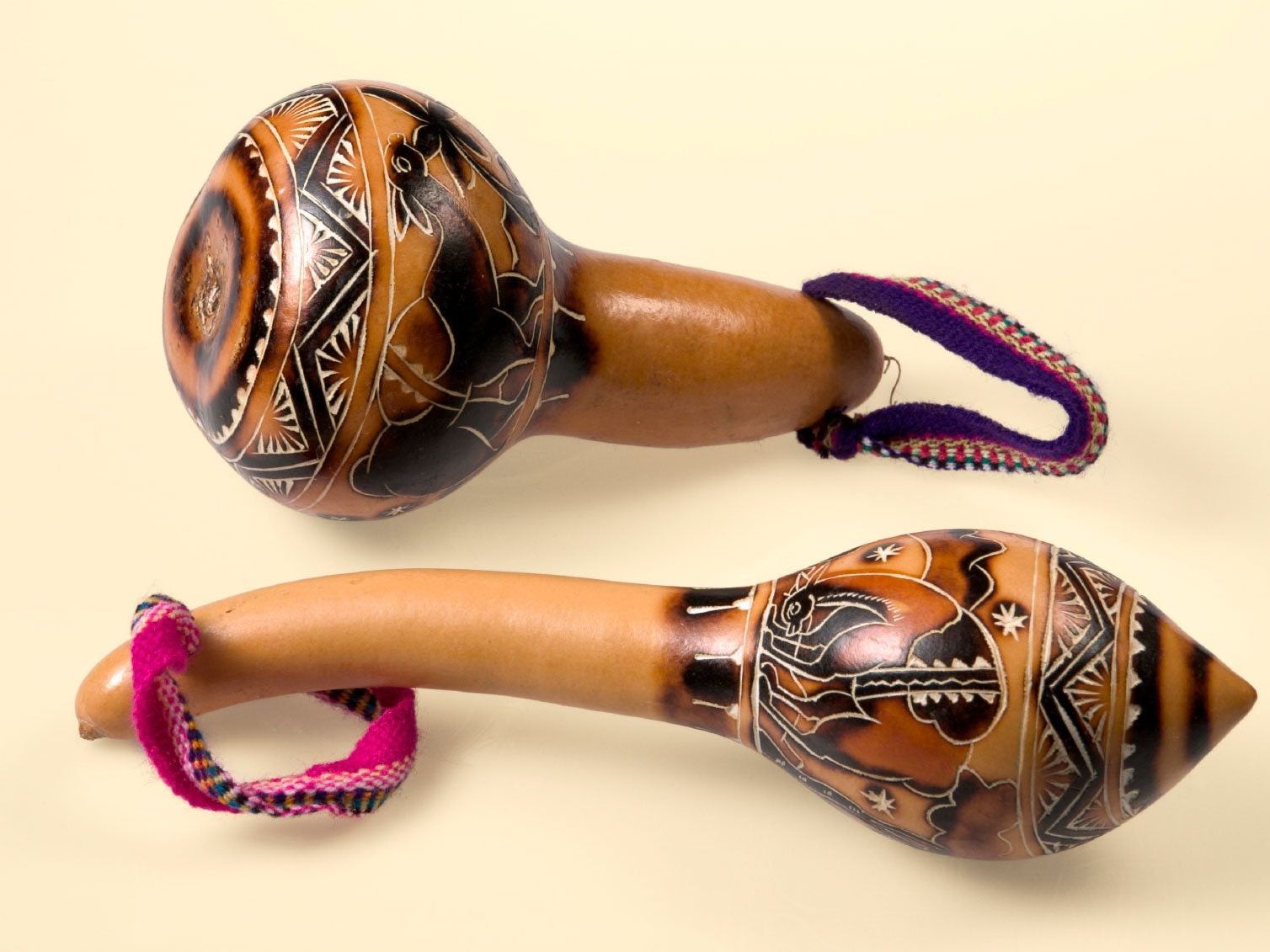
The outer shell of a maraca, often referred to as the gourd or rattle, is the primary chamber that houses the sound-producing elements. Its material composition is crucial, influencing the resonance, projection, and overall timbre of the instrument. Historically, maracas were crafted from dried gourds, a natural material that offered a unique combination of lightness and a naturally resonant hollow structure.
Natural Gourds: The Traditional Foundation
The use of natural gourds, typically from plants like the Lagenaria siceraria (bottle gourd), provided a blueprint for maraca construction. These gourds, when dried and hollowed, possess inherent acoustic properties. The thickness of the gourd wall plays a significant role. Thinner walls tend to vibrate more readily, producing a brighter, sharper sound with a quicker decay. Thicker walls, conversely, dampen vibrations, resulting in a warmer, more sustained sound with a mellower tone. The shape and size of the gourd also contribute to the tonal character. Larger gourds, with a greater internal volume, generally produce a fuller, more resonant sound, while smaller gourds yield a more focused and higher-pitched rattle.
The surface texture of the natural gourd can also subtly affect the sound. A smoother surface might allow for a cleaner reflection of sound waves, while a slightly rougher surface could introduce micro-resonances or diffusion, adding a subtle complexity to the rattle. In many traditional designs, the gourd is often left unadorned or minimally decorated, prioritizing its acoustic function.
Modern Materials: Engineered Acoustics
As manufacturing techniques evolved, so did the materials used for maraca shells. Today, a variety of synthetic materials are employed, each offering distinct advantages in terms of durability, consistency, and acoustic tuning.
Plastics: Durability and Consistency
Plastics, such as ABS or polypropylene, have become ubiquitous in modern maraca production. Their primary advantage lies in their robustness and uniformity. Plastic maracas are less prone to cracking or damage than their natural gourd counterparts, making them ideal for prolonged use in educational settings, stage performances, or even as durable percussive elements in electronic music setups.
The acoustic properties of plastic can be engineered through varying wall thickness, internal ribbing, and the addition of specific fillers. Manufacturers can achieve a wide spectrum of sounds by controlling these parameters. For instance, thinner plastic shells with strategically placed internal baffles can mimic the bright, sharp sound of small gourds, while thicker, more robust shells can produce a deeper, more sustained rattle. The consistent manufacturing process ensures that each maraca of the same model will have a predictable and reliable sound profile, a crucial factor for studio musicians and live performers seeking sonic consistency.
Wood: Warmth and Nuance
While natural gourds are a form of wood, dedicated wooden maracas are also crafted from various hardwoods like maple, birch, or even exotic woods. Wood offers a different resonant quality compared to plastics. It tends to produce a warmer, richer tone with a more complex harmonic content. The grain structure and density of the wood are critical. Denser woods generally produce a brighter sound, while softer woods can yield a warmer, more mellow rattle.
Wooden maracas often exhibit a satisfying sustain and a nuanced tonal response that can be particularly appealing to musicians seeking a more organic percussive texture. The craftsmanship involved in shaping and finishing wooden maracas can also contribute to their aesthetic appeal and sonic quality.
Metal: Brightness and Projection
In some specialized applications, metal shells are used for maracas, often to achieve a very bright, cutting, and highly projective sound. Materials like aluminum or brass can be employed. Metal’s inherent rigidity and conductivity of vibrations lead to a distinct, often metallic, ringing quality that can cut through dense musical arrangements. However, metal maracas are generally less common due to their weight and the potential for a less nuanced sound compared to organic materials.
The Filling: The Heart of the Rattle
The true essence of a maraca’s sound, however, lies not solely in its vessel but in what it contains – the filling. This granular material is what generates the characteristic rattling sound when the maraca is shaken. The type, quantity, and size of the filling particles are meticulously chosen to achieve specific sonic outcomes.
Traditional Fillings: Beans, Seeds, and Pebbles
Historically, a wide array of natural materials has been used to fill maracas. These often included dried beans (like lentils or small peas), seeds (such as rice or small grains), or even tiny pebbles.
Beans and Seeds: Organic Timbre
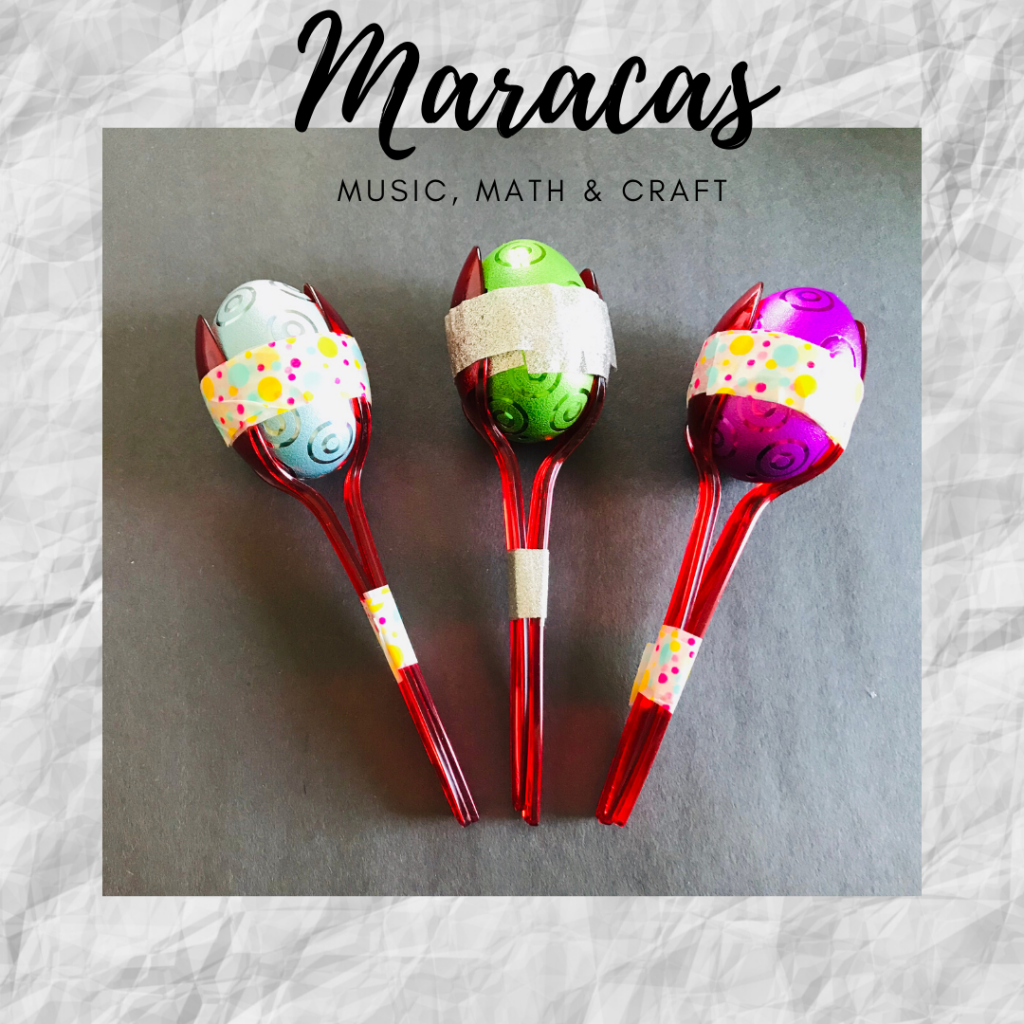
The use of dried beans and seeds provides a natural, organic rattle. The shape and density of these small particles create a complex interplay of collisions, producing a sound that is often described as “gritty,” “textured,” or “earthy.” The specific type of bean or seed matters. Lentils, for instance, might produce a softer, more diffused rattle, while smaller grains like rice could offer a sharper, more defined sound. The slight imperfections and variations in size and shape of these natural fillings contribute to a less uniform but often more musically interesting sonic texture.
Pebbles and Beads: Sharpness and Clarity
Smaller, harder pebbles or beads, such as tiny polished stones or glass beads, introduce a sharper, more distinct rattling sound. These tend to produce a brighter, more articulate rattle with a quicker attack and decay. The uniformity in size and shape of these fillings can lead to a more consistent and piercing sound, which can be useful for driving rhythms or creating percussive accents.
Modern Fillings: Engineered Soundscapes
Contemporary maraca manufacturers utilize a range of synthetic and processed materials to achieve precise sonic characteristics and ensure consistency.
Plastic Beads: Controlled Brightness
Small plastic beads are a popular choice for modern maracas. They can be manufactured to uniform sizes and densities, offering a predictable and bright rattling sound. The material composition of the plastic beads themselves can influence the timbre, with some offering a sharper, more metallic-like sound, while others might be slightly softer for a more muted brightness. Their durability also makes them a reliable choice for repeated use.
Metal Spheres: Intense Articulation
Tiny metal spheres, such as ball bearings or specially manufactured metal shot, can create an incredibly sharp, articulate, and loud rattle. This type of filling is often used in maracas designed for powerful percussive impact or when the instrument needs to cut through a loud ensemble. The weight of metal spheres also contributes to the tactile feel of the maraca.
Sand and Powders: Subtle Texture
In some designs, finer materials like sand or specialized powders might be used, either alone or in combination with other fillings. These can create a very subtle, sibilant, or “shushing” sound, adding a delicate textural layer rather than a distinct rattle. This approach is often employed for creating atmospheric effects or subtle rhythmic underpinning.
The Assembly: Craftsmanship and Acoustic Tuning
Beyond the individual components, the way a maraca is assembled – the sealing of the shell, the distribution of the filling, and the attachment of the handle – is crucial to its acoustic performance. This process involves a degree of craftsmanship and an understanding of how these elements interact to produce the desired sound.
Sealing and Containment
The integrity of the maraca’s shell is paramount. The filling must be securely contained within the hollow chamber. Traditional gourds were often sealed with natural resins or pitch, while modern maracas are typically sealed with adhesives or by fusing plastic components. A well-sealed maraca prevents leakage of the filling and ensures that the sound is projected outwards from the shell rather than escaping through gaps. The quality of the seal can also influence resonance; a perfectly sealed shell allows for maximum vibration transfer from the filling to the outer walls.
Filling Distribution and Quantity
The amount of filling and its distribution within the maraca are critical. Too little filling will result in a weak, infrequent rattle, while too much can create a muffled, muddy sound with little articulation. The way the filling is distributed – whether it’s loose and free-flowing or strategically packed – can also affect the percussive attack and decay. For instance, a maraca filled such that the material can cascade freely will have a different sonic character than one where the material is more compact. Manufacturers often experiment with different ratios and densities to fine-tune the instrument’s responsiveness.
The Handle: Ergonomics and Vibration Transfer
While the handle might seem purely functional, its design impacts the player’s ability to manipulate the maraca and, indirectly, its sound. A comfortable and ergonomic handle allows for a wider range of shaking techniques, from subtle wrist movements to powerful arm swings, each producing different rhythmic patterns and intensities. Furthermore, the material and attachment of the handle can influence how vibrations from the shaking action are transferred to the player’s hand. A well-attached, solid handle will transmit more of the maraca’s resonant energy, enhancing the player’s connection to the instrument’s sound. Materials like wood or sturdy plastic are common, chosen for their durability and grip.
In conclusion, the humble maraca, when dissected, reveals a sophisticated interplay of materials and design principles. From the resonant properties of its shell – whether natural gourd or engineered plastic – to the sonic character of its filling – be it organic beans or precisely manufactured beads – every element contributes to its distinctive percussive voice. Understanding what lies inside a maraca is to appreciate the subtle yet significant engineering that transforms simple components into an enduring source of rhythmic expression.
aViewFromTheCave is a participant in the Amazon Services LLC Associates Program, an affiliate advertising program designed to provide a means for sites to earn advertising fees by advertising and linking to Amazon.com. Amazon, the Amazon logo, AmazonSupply, and the AmazonSupply logo are trademarks of Amazon.com, Inc. or its affiliates. As an Amazon Associate we earn affiliate commissions from qualifying purchases.