
Inflation is often described as the “silent thief” of the economy. In the United States, the inflation rate represents the percentage increase in the price of a specific basket of goods and services over a set period, typically a month or a year. To the average consumer, it is the reason why a gallon of milk or a tank of gas costs more today than it did twelve months ago. To the investor, it is a critical metric that dictates market volatility and asset valuation. To the Federal Reserve, it is the primary compass used to navigate the nation’s monetary policy.
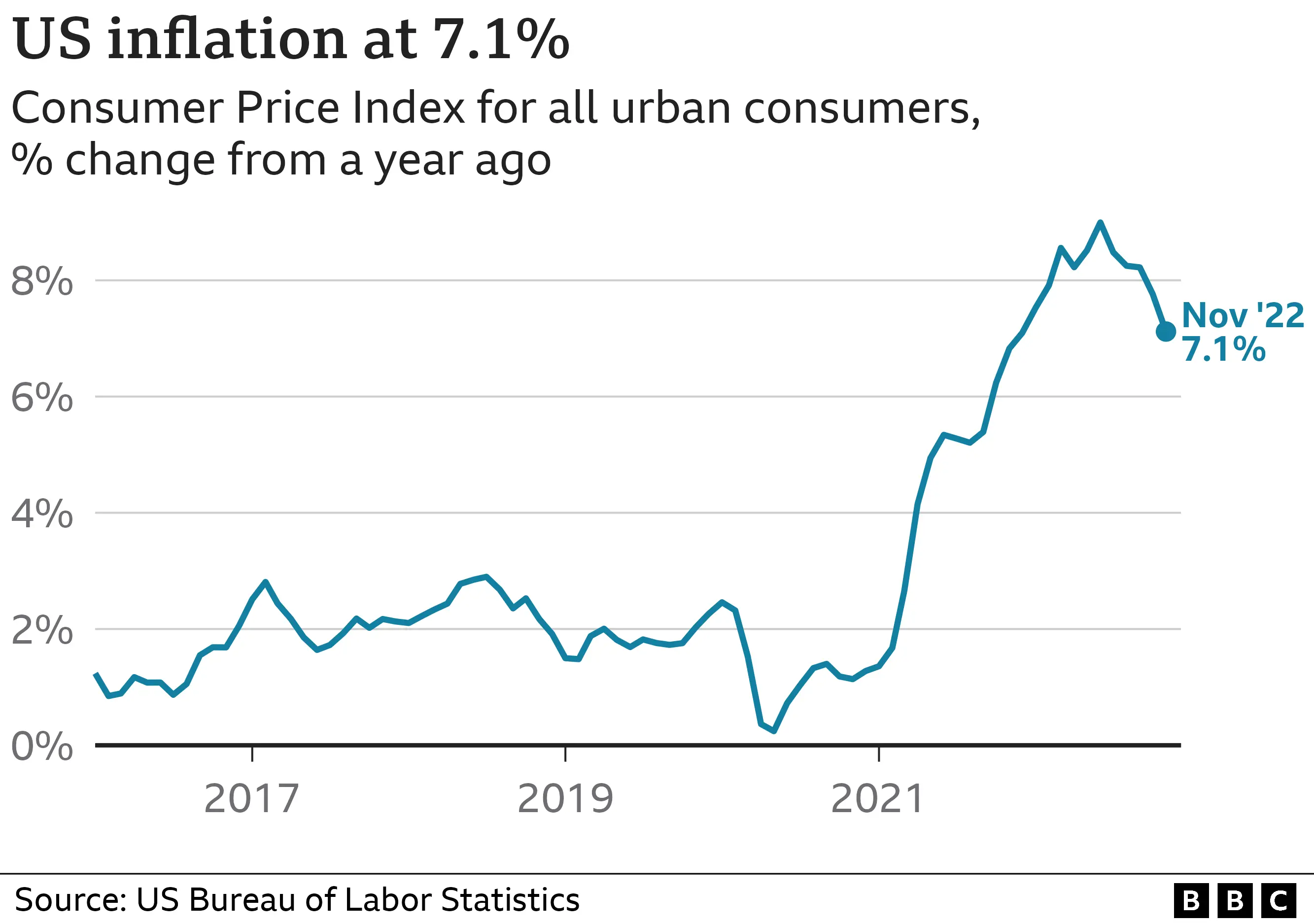
Understanding the inflation rate in the USA requires moving beyond the headlines and looking at the mechanics of how it is measured, the factors that drive its fluctuations, and the profound impact it has on personal wealth and corporate strategy. As the global economy becomes increasingly interconnected, the U.S. inflation rate serves as a benchmark for financial health, influencing everything from mortgage rates to the strength of the dollar on the international stage.
Understanding the Consumer Price Index (CPI) and How It’s Calculated
In the United States, the most widely cited measure of inflation is the Consumer Price Index (CPI). Produced monthly by the Bureau of Labor Statistics (BLS), the CPI tracks the average change over time in the prices paid by urban consumers for a market basket of consumer goods and services. This “basket” is designed to represent the spending habits of the typical American household.
The Basket of Goods and Services
The BLS categorizes the CPI basket into eight major groups: food and beverages, housing, apparel, transportation, medical care, recreation, education and communication, and other goods and services. Housing typically carries the most weight, often accounting for more than a third of the index. This weighting is crucial because a 10% increase in the price of jewelry will have a much smaller impact on the overall inflation rate than a 10% increase in rent or homeownership costs.
To keep the data accurate, the BLS employs thousands of data collectors who visit or call retail stores, service establishments, and rental units across the country to track the prices of approximately 80,000 items. This granular approach ensures that the CPI reflects the actual economic reality faced by consumers in diverse geographic locations.
Headline vs. Core Inflation
When analyzing the inflation rate, economists often distinguish between “headline” inflation and “core” inflation. Headline inflation is the raw figure that includes all items in the CPI basket. While this provides a comprehensive view of price changes, it can be highly volatile due to the fluctuating prices of food and energy. A sudden geopolitical conflict can spike oil prices, or a drought can send produce prices soaring, creating “noise” that doesn’t necessarily reflect the long-term trend of the economy.
Core inflation, on the other hand, excludes food and energy prices. By stripping away these volatile components, policymakers can get a clearer picture of the underlying inflationary pressures in the economy. The Federal Reserve often pays closer attention to core inflation when making long-term interest rate decisions, as it provides a more stable outlook on the economy’s trajectory.
Why the Federal Reserve Targets a 2% Inflation Rate
It may seem counterintuitive to desire any inflation at all; after all, wouldn’t it be better if prices remained flat or even decreased? However, the Federal Reserve (the “Fed”) purposefully targets a long-term inflation rate of 2%. This target is not arbitrary; it is rooted in the “dual mandate” assigned to the Fed by Congress: to promote maximum employment and stable prices.
The Dangers of Deflation
The primary reason the Fed avoids a 0% inflation target is the fear of deflation—a general decline in prices. While cheaper goods sound appealing, deflation can lead to a vicious economic cycle. If consumers expect prices to fall further, they delay purchases. This reduced demand leads to lower business revenues, which in turn leads to layoffs and wage cuts. As unemployment rises, demand falls even further, potentially resulting in a severe economic depression. A 2% inflation target provides a “buffer” against deflationary risks, encouraging consumers to spend and businesses to invest.
The Role of Monetary Policy
The Federal Reserve manages the inflation rate primarily through the manipulation of the federal funds rate—the interest rate at which commercial banks borrow and lend to each other overnight. When inflation rises significantly above the 2% target, the Fed typically raises interest rates. Higher rates make borrowing more expensive for consumers (e.g., mortgages and car loans) and businesses (e.g., expansion loans). This cools economic activity and reduces the demand that drives up prices.
Conversely, if the economy is sluggish and inflation is too low, the Fed lowers interest rates to encourage borrowing and spending. This delicate balancing act is the cornerstone of American economic stability.
Causes of Inflation in the Modern American Economy

Inflation is rarely the result of a single factor. Instead, it is usually driven by a combination of forces that can be categorized into three main types: demand-pull, cost-push, and monetary expansion.
Demand-Pull Inflation
Demand-pull inflation occurs when the demand for goods and services exceeds the economy’s ability to produce them. This is often summarized as “too much money chasing too few goods.” In a booming economy, when unemployment is low and consumer confidence is high, people spend more. If manufacturers and service providers cannot keep up with this surge in demand, they raise prices to maintain their margins and manage their inventory.
Cost-Push Inflation
Cost-push inflation happens when the costs of production increase, forcing companies to pass those costs on to consumers. A classic example is a spike in the price of crude oil. Since oil is used in the production and transportation of almost every consumer good, an increase in energy costs ripples through the entire supply chain. Similarly, widespread labor shortages can drive up wages. While higher wages are good for workers, companies often raise prices to offset the increased cost of labor, contributing to the inflationary cycle.
Monetary Expansion
The money supply itself plays a role in inflation. If the government prints more money or the central bank injects liquidity into the financial system at a rate that outpaces economic growth, the value of each individual dollar decreases. This devaluation means that it takes more dollars to purchase the same goods, effectively raising the inflation rate. This was a significant topic of discussion following the massive stimulus programs enacted during the COVID-19 pandemic.
The Real-World Impact on Personal Finance and Investing
For the individual, the inflation rate is not just a statistic—it is a factor that dictates the long-term viability of their financial plan. Understanding how inflation interacts with various financial instruments is essential for wealth preservation.
Erosion of Purchasing Power
The most direct impact of inflation is the loss of purchasing power. If the inflation rate is 3% and your wages remain stagnant, you have effectively received a 3% pay cut. Over decades, this erosion can be devastating. A dollar today will buy significantly less than it will in twenty years. This is why financial planners emphasize that “cash is a depreciating asset” in an inflationary environment. While keeping money in a savings account is safe, if the interest rate on that account is lower than the inflation rate, the real value of that money is shrinking every day.
Impact on Fixed-Income Investments
Inflation is particularly challenging for retirees or those relying on fixed-income investments like bonds. Most bonds pay a fixed interest rate. If inflation rises, that fixed payment becomes less valuable. Furthermore, when inflation rises and the Fed responds by raising interest rates, the market value of existing bonds typically falls. This “interest rate risk” is a primary concern for conservative investors during periods of rising inflation.
Inflation-Hedged Assets
To combat the effects of rising prices, many investors turn to assets that historically perform well during inflationary periods.
- Real Estate: Property values and rents often rise in tandem with inflation, providing a natural hedge.
- Commodities: Gold, oil, and agricultural products often see price appreciation when the value of the dollar declines.
- TIPS (Treasury Inflation-Protected Securities): These are government bonds specifically designed to protect against inflation. The principal of a TIPS increases with inflation and decreases with deflation, as measured by the CPI.
- Equities: While stocks can be volatile in the short term, companies with strong “pricing power”—the ability to raise prices without losing customers—often thrive during inflationary periods because their revenues grow along with rising prices.
Navigating High Inflation Environments: Strategies for Wealth Preservation
When the inflation rate in the USA spikes, both individuals and businesses must adapt their financial strategies to ensure they are not left behind. Passive management of finances rarely suffices when the cost of living is on a sharp upward trajectory.
Budgeting and Expense Management
The first step in navigating high inflation is a rigorous review of expenditures. Inflation does not hit every sector equally. For instance, while technology prices might remain stable or even fall, the cost of healthcare and education might rise much faster than the average CPI. By identifying which categories are seeing the most significant price hikes, consumers can adjust their spending habits—opting for generic brands, reducing discretionary travel, or locking in fixed-rate debt before interest rates climb higher.
Diversification and Asset Allocation
From an investment perspective, diversification is the best defense against inflation. A portfolio heavily weighted in cash or long-term fixed-rate bonds is vulnerable. Reallocating toward “value” stocks—companies that are currently profitable and have stable cash flows—can provide more protection than “growth” stocks, which rely on future earnings that may be worth less in tomorrow’s dollars. Additionally, maintaining exposure to international markets can provide a hedge if the U.S. dollar weakens relative to other currencies.

The Importance of Liquidity
Finally, while it is important to invest in assets that grow faster than inflation, maintaining adequate liquidity remains vital. High inflation often leads to market volatility and economic uncertainty. Having an emergency fund that is easily accessible ensures that you won’t be forced to sell your long-term, inflation-hedged investments during a market downturn just to cover immediate living expenses.
The inflation rate in the USA is a complex but essential indicator of economic health. By monitoring the CPI, understanding the Federal Reserve’s objectives, and recognizing the drivers of price increases, individuals and businesses can make informed decisions to protect their financial future. While we cannot control the national inflation rate, we can control how we position our assets and manage our finances in response to it.
aViewFromTheCave is a participant in the Amazon Services LLC Associates Program, an affiliate advertising program designed to provide a means for sites to earn advertising fees by advertising and linking to Amazon.com. Amazon, the Amazon logo, AmazonSupply, and the AmazonSupply logo are trademarks of Amazon.com, Inc. or its affiliates. As an Amazon Associate we earn affiliate commissions from qualifying purchases.