
The world of plant-based dyes and natural pigments has a rich and fascinating history, with certain species standing out for their historical significance and enduring utility. Among these, Indigofera, a genus of flowering plants, holds a particularly prominent place, primarily due to its ancestral connection to the coveted indigo dye. While the scientific classification and botanical details are important for understanding its place in the natural world, the true allure of Indigofera lies in its multifaceted applications and its impact on human culture and commerce, particularly within the realm of Brand development and its historical association with textile industries.
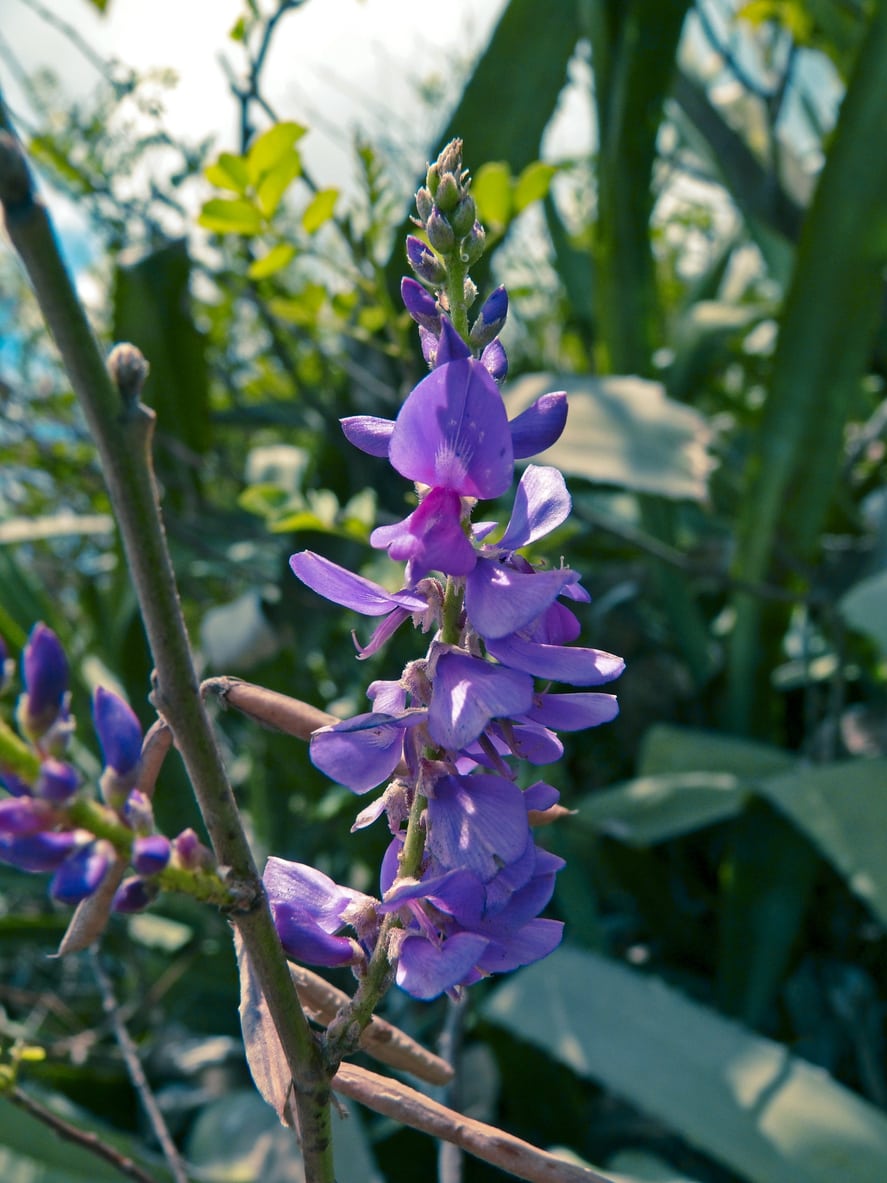
The Indigofera genus encompasses a vast array of species, many of which are found in tropical and subtropical regions. Their common characteristic, and the source of their fame, is the presence of indoxyl, a chemical precursor that, through a process of oxidation, yields the deep blue pigment known as indigo. This pigment has been prized for millennia, adorning textiles and influencing fashion across diverse civilizations. The journey of indigo from plant to fabric is a testament to early human ingenuity in harnessing natural resources, and the brands that have historically relied on or emerged from this process are intrinsically linked to the plant’s legacy.
Understanding Indigofera requires delving into its botanical essence, its historical significance in the dye industry, and its contemporary relevance, particularly through the lens of how these natural resources have shaped and continue to influence branding and design.
The Botanical Roots of a Blue Revolution
The genus Indigofera belongs to the Fabaceae family, commonly known as the legume or pea family. This classification is significant, as it hints at the plant’s biological characteristics, including its ability to fix nitrogen in the soil, making it a valuable component in various ecosystems. However, for many, the most compelling aspect of Indigofera is its biochemical composition.
Key Species and Their Indigo Potential
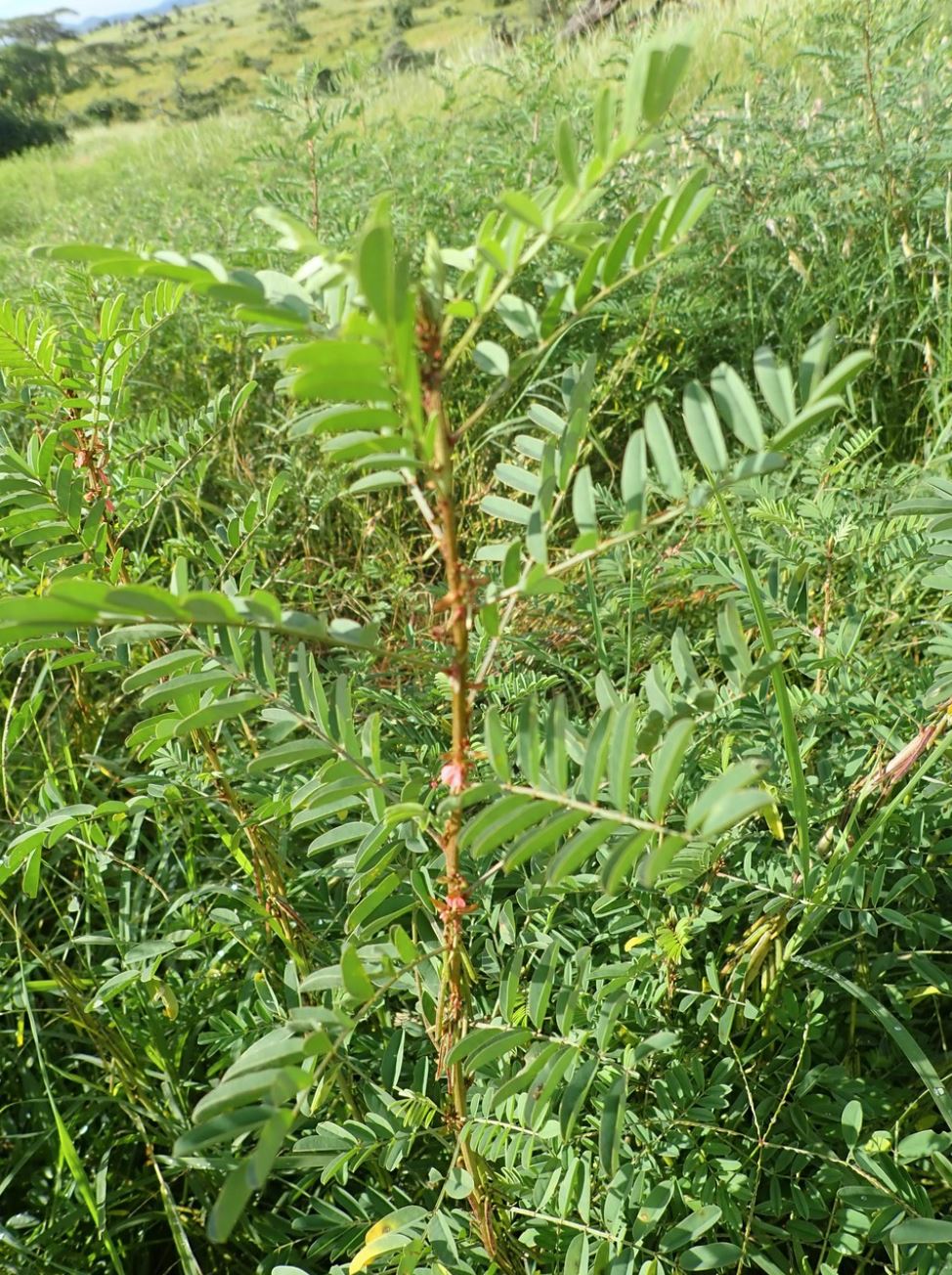
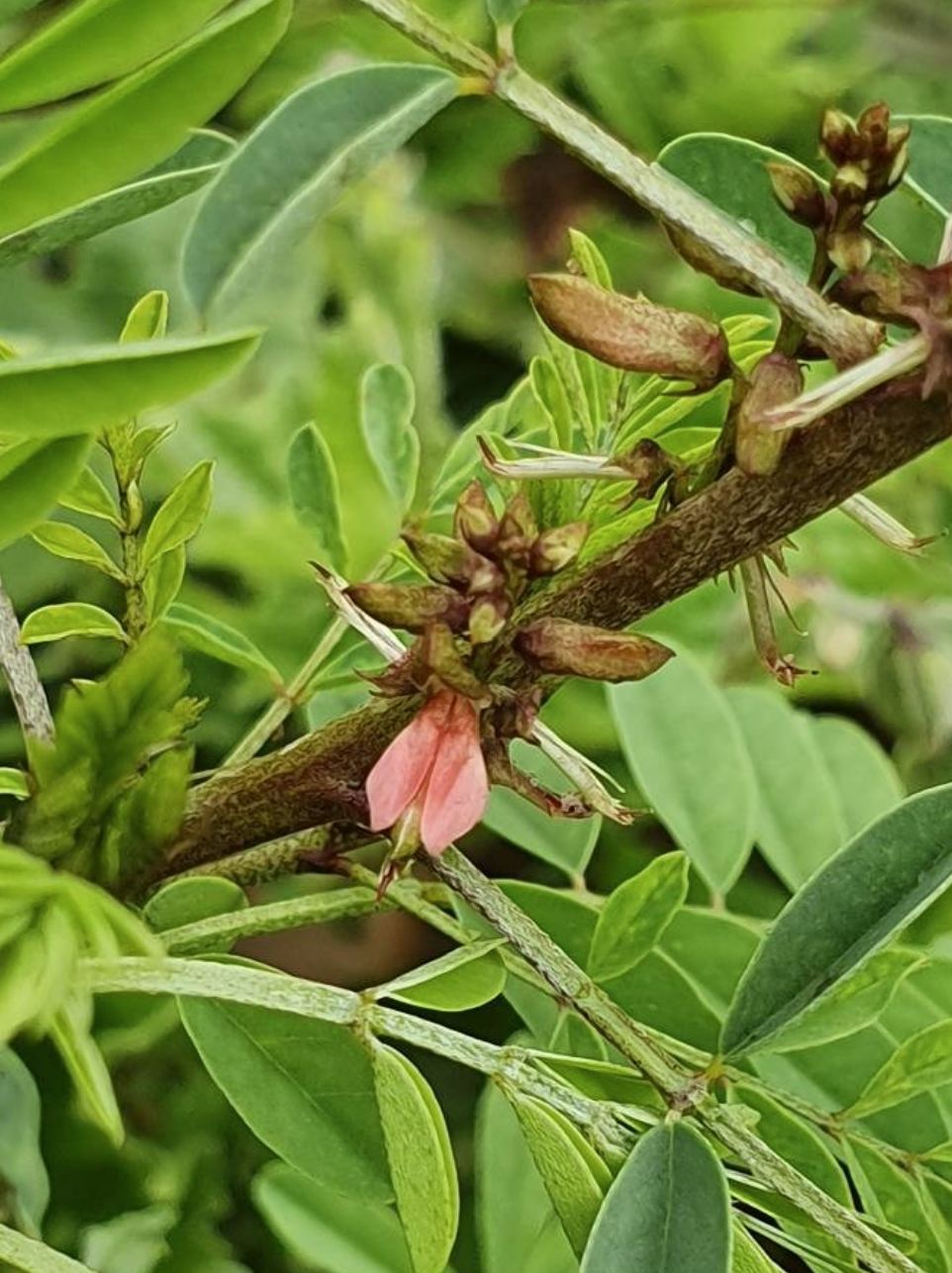
While there are hundreds of Indigofera species, a select few are particularly renowned for their high concentration of the indigo precursor. The most famous among these is Indigofera tinctoria, native to the Indian subcontinent. This species has been cultivated for indigo production for thousands of years, making it the historical cornerstone of the global indigo trade. Other important species include Indigofera suffruticosa (woad, though more commonly associated with Isatis tinctoria, it’s worth noting the genus’s broad connection to blue dyes), native to the Americas, and various other species found across Africa and Asia, each with varying degrees of indigo-yielding capacity.
The process of extracting indigo from Indigofera plants is an ancient art form. It typically involves harvesting the leaves and stems, which are then fermented in water. This fermentation process releases the indoxyl. Subsequently, the mixture is agitated, allowing the indoxyl to oxidize and precipitate out of the solution as a vibrant blue pigment. This pigment is then collected, dried, and processed into cakes or powders for use in dyeing. The manual labor and specific environmental conditions required for this extraction process highlight the artisanal nature of early textile production and the challenges that brands once faced in sourcing and standardizing their materials.
Beyond Blue: Other Uses of Indigofera
While indigo dye is undoubtedly the most celebrated product derived from Indigofera, the plants themselves offer a broader spectrum of benefits. As legumes, many species are valuable nitrogen-fixers, improving soil fertility and making them useful in agricultural systems and for land reclamation. Some species are also used as fodder for livestock, and a few have traditional medicinal applications in certain cultures. These secondary uses, though less commercially dominant than indigo production, contribute to the plant’s overall significance and its potential for sustainable brand narratives.
The very existence of these diverse uses underlines the inherent value of Indigofera as a natural resource. Brands looking for authentic stories and sustainable practices can draw inspiration from this plant’s multifaceted utility. The ability to be more than just a source of color positions Indigofera as a symbol of resourcefulness and natural abundance, themes that resonate strongly with modern consumers seeking authenticity.
The Historical Tapestry of Indigo and Brand Identity
The impact of Indigofera on human history is inextricably linked to the development of the indigo dye industry. For centuries, indigo was one of the most sought-after and valuable dyes in the world, coloring the fabrics that defined status, culture, and identity across continents. The demand for indigo fueled trade routes, shaped economies, and played a pivotal role in the evolution of textile manufacturing and, consequently, brand development.
From Ancient Civilizations to Colonial Empires
Evidence of indigo dyeing dates back to ancient Egypt, Peru, and India, where the vibrant blue hue was used to adorn garments, tapestries, and religious artifacts. The sophisticated dyeing techniques developed by these early civilizations demonstrate a profound understanding of the plant’s properties and the chemical processes involved. As trade expanded, indigo became a crucial commodity, traversing the Silk Road and reaching markets in Europe.
The Age of Exploration saw European powers actively seeking to control the lucrative indigo trade. Vast plantations were established in the Americas, particularly in the Caribbean and North America, often under brutal colonial conditions. This era marked a significant shift in the scale of indigo production, moving from artisanal workshops to large-scale agricultural enterprises. The economic power derived from indigo production influenced colonial policies and contributed to the wealth of nations, laying the groundwork for the brand empires that would later emerge.
The association of specific shades of blue with certain cultures and social classes solidified indigo’s role in visual identity. For brands, this meant that the color itself could evoke feelings of prestige, reliability, or even rebellion, depending on its context and application. The enduring appeal of “indigo” as a color name in fashion and design speaks volumes about its deep-seated cultural resonance, a resonance built upon centuries of history originating with plants like Indigofera.
The Rise of Textile Mills and Mass Production
The Industrial Revolution brought about radical changes in textile production, and indigo played a central role in this transformation. The development of mechanized looms and dyeing processes allowed for mass production of indigo-dyed fabrics. This democratization of color meant that the once-exclusive hue became accessible to a wider population.
Brands that emerged during this period, particularly those in the apparel sector, often relied heavily on indigo-dyed denim and other textiles. The durability and distinctive fade of indigo denim, for instance, became a hallmark of workwear and later, casual wear. The iconic blue jeans, a product of American ingenuity, owe their color and character directly to the indigo dye. This established a strong, lasting association between indigo and specific brand archetypes – rugged, authentic, and timeless.
The standardization of indigo production, whether through natural extraction or later, synthetic alternatives, allowed brands to achieve consistent color palettes across their product lines. This consistency was crucial for building brand recognition and ensuring customer loyalty. The visual language of brands began to incorporate specific shades of blue, becoming an integral part of their corporate identity and marketing strategies. The very concept of a “signature color” for a brand often owes its existence to the reliable and visually impactful nature of dyes like indigo.
Contemporary Relevance: Sustainability and Brand Storytelling
In the 21st century, the story of Indigofera is being rewritten through the lens of sustainability, ethical sourcing, and conscious consumerism. As global brands increasingly prioritize environmental responsibility and transparent supply chains, the natural origins of materials like indigo are experiencing a resurgence of interest. This shift offers compelling opportunities for brands to leverage the heritage and natural attributes of Indigofera in their marketing and product development.
The Appeal of Natural Dyes in a Synthetic World
The widespread use of synthetic dyes, while offering cost-effectiveness and color consistency, has also raised environmental concerns. The production and disposal of synthetic dyes can lead to water pollution and other ecological issues. In contrast, natural dyes, including those derived from Indigofera, are often biodegradable and produced through more eco-friendly processes.
This growing awareness has led to a renewed appreciation for traditional dyeing methods and natural pigments. Brands that choose to incorporate natural indigo into their products can tap into a market segment that values authenticity, sustainability, and a connection to nature. This is not merely about color; it’s about a narrative. A brand that can tell the story of sourcing indigo from Indigofera plants, highlighting the regenerative agricultural practices involved and the reduced environmental impact, can build a powerful and resonant brand identity. This narrative can differentiate them in a crowded marketplace, appealing to consumers who seek more than just a product, but a product with a purpose and a positive impact.
Weaving Authenticity into Brand Narratives
The historical significance of Indigofera and its association with centuries of human artistry and innovation provide a rich tapestry for brand storytelling. Companies can build their brand identity around themes of heritage, craftsmanship, and natural beauty. For instance, a fashion brand might feature a collection inspired by the historical indigo trade, highlighting the journey of the dye from plant to garment. This approach not only showcases the product but also educates consumers and fosters a deeper connection with the brand.
Furthermore, the ethical and sustainable aspects of natural indigo production align perfectly with the principles of corporate social responsibility. Brands can partner with farming communities, ensuring fair wages and supporting sustainable agricultural practices. This commitment to ethical sourcing can become a core pillar of their brand strategy, attracting conscious consumers and building trust. The transparency of such a supply chain can be a powerful marketing tool, demonstrating a brand’s commitment to people and the planet.
The very name “Indigofera” evokes a sense of natural wonder and historical depth. Brands that can effectively weave this essence into their messaging can create a unique and memorable identity. This might involve visually representing the plant in their branding, sharing the story of its cultivation, or emphasizing the unique characteristics of indigo-dyed textiles. In a world saturated with fleeting trends, the enduring legacy of Indigofera offers brands a foundation of authenticity and timeless appeal. It represents a conscious choice to embrace the organic, the historical, and the sustainable, creating a brand that is not only seen but also felt and believed in.
aViewFromTheCave is a participant in the Amazon Services LLC Associates Program, an affiliate advertising program designed to provide a means for sites to earn advertising fees by advertising and linking to Amazon.com. Amazon, the Amazon logo, AmazonSupply, and the AmazonSupply logo are trademarks of Amazon.com, Inc. or its affiliates. As an Amazon Associate we earn affiliate commissions from qualifying purchases.