
In the modern marketplace, where fusion cuisines and high-tech food manufacturing dominate the shelves, the name “Indian Pudding” often strikes a chord of curiosity and nostalgia. To the uninitiated, it sounds like a dish from the subcontinent of India; to the historian, it is a quintessential piece of New England heritage; but to the brand strategist, Indian Pudding represents a fascinating case study in legacy positioning, regional identity, and the “slow food” movement before it was a trend. Understanding what Indian Pudding is—and why it has survived for centuries—requires looking beyond the ingredients of cornmeal and molasses and examining the brand equity of one of America’s oldest culinary traditions.
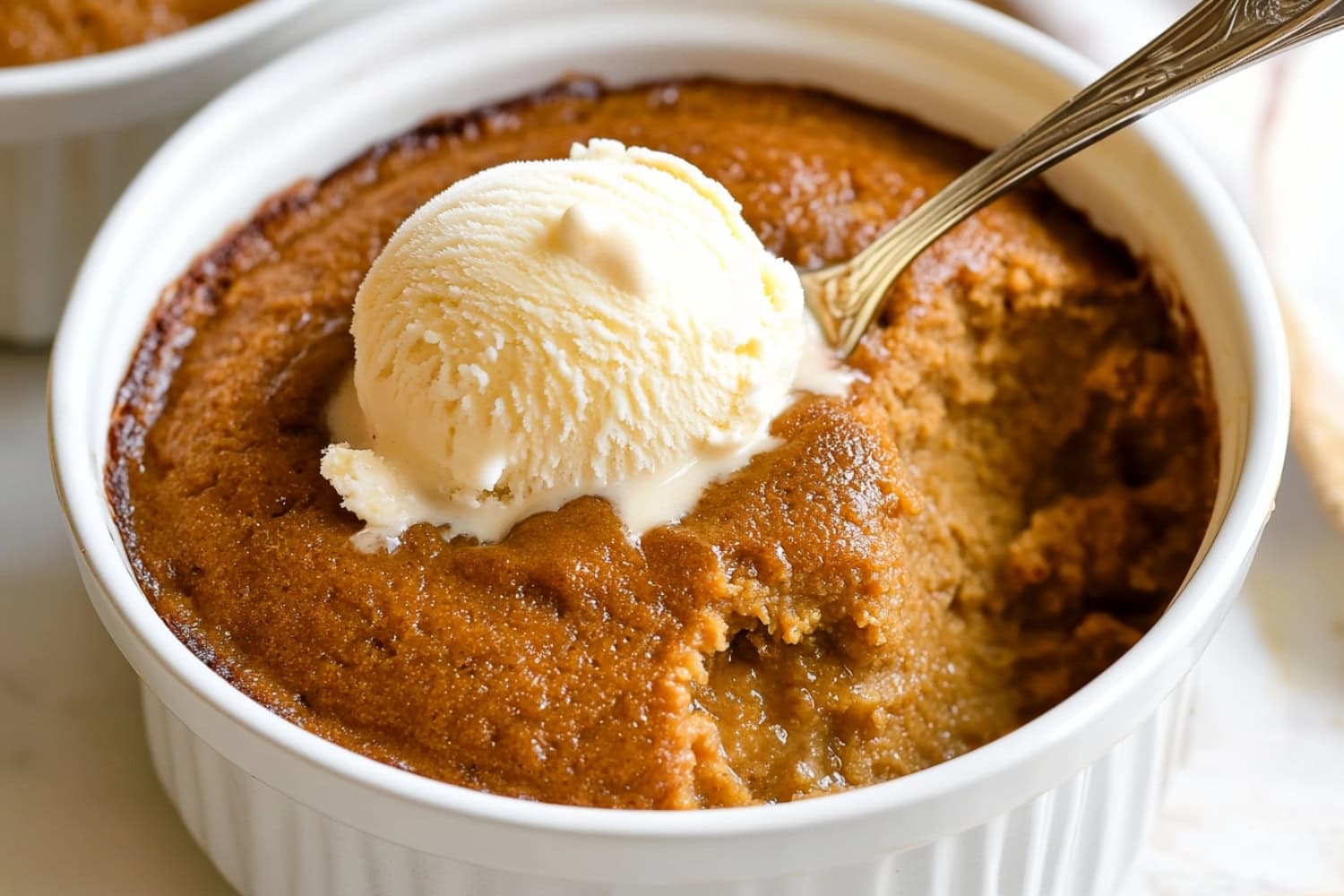
The Heritage Brand: Understanding the Origins of Indian Pudding
Every iconic brand has an “origin story” that defines its purpose and its target audience. For Indian Pudding, that story begins in the 17th century. It is a brand born out of necessity and the merging of two distinct cultural identities. When English settlers arrived in North America, they brought with them a longing for their traditional “Hasty Pudding,” typically made with wheat flour. However, wheat was scarce, and the local resource—maize—was abundant.
The Naming Paradox: Why “Indian” and Why “Pudding”?
In branding, the name of a product is its first point of contact with the consumer. The “Indian” in Indian Pudding does not refer to the country of India, but rather to “Indian corn” (maize), which was the term used by settlers to describe the corn provided by Native Americans. This is a classic example of an “ingredient brand” defining the product’s name.
The term “pudding” in the 17th-century context also differed from modern expectations. Today, “pudding” implies a smooth, gelatinous, or creamy dessert. Historically, it referred to a boiled or baked grain-based dish. By keeping the name “Indian Pudding,” the dish maintained a brand identity that signaled its origins: a localized, adapted version of a British classic. This naming convention served as a bridge between the old world and the new, creating a sense of familiarity for a product that was essentially an innovation of the time.
Regionalism as a Brand Moat
In the world of corporate identity, a “moat” is a competitive advantage that protects a brand from its rivals. For Indian Pudding, its moat is its fierce regionalism. It is inextricably linked to the New England brand. You rarely find it in the South, the Midwest, or on the West Coast, except in niche specialty shops. This geographic exclusivity has transformed Indian Pudding from a mere dessert into a “destination brand.” Much like how Champagne must come from France, authentic Indian Pudding is perceived through the lens of the Northeastern United States. This regional loyalty has allowed the dish to survive despite the rise of more modern, flashy desserts.
Marketing the “Slow” in a Fast-Food World
One of the most significant challenges for any legacy brand is staying relevant in a fast-paced digital age. Indian Pudding is inherently “slow.” It requires hours of baking at low temperatures to achieve its signature texture—a custardy, porridge-like consistency where the cornmeal has softened and the molasses has caramelized.
The Value Proposition of Time
In contemporary brand strategy, “time” is often marketed as a luxury. High-end watchmakers and luxury car manufacturers emphasize the hours of craftsmanship that go into their products. Indian Pudding utilizes a similar value proposition. Because it cannot be whipped up in five minutes, it carries a brand promise of patience, authenticity, and home-cooked care. In a world of “instant” everything, the slow-baked nature of Indian Pudding allows it to be marketed as an antidote to modern frenzy. It is the “slow-burn” brand of the dessert world, appealing to consumers who value depth of flavor and traditional methods over convenience.
The Visual Identity of Homeliness
From a design perspective, Indian Pudding is not traditionally “beautiful.” It is a brown, textured mush that often looks unappealing in high-definition photography. However, this “un-polished” look has become a core part of its brand identity. In an era of “Instagrammable” food, there is a counter-movement toward “ugly-delicious” food—dishes that prioritize substance over style.
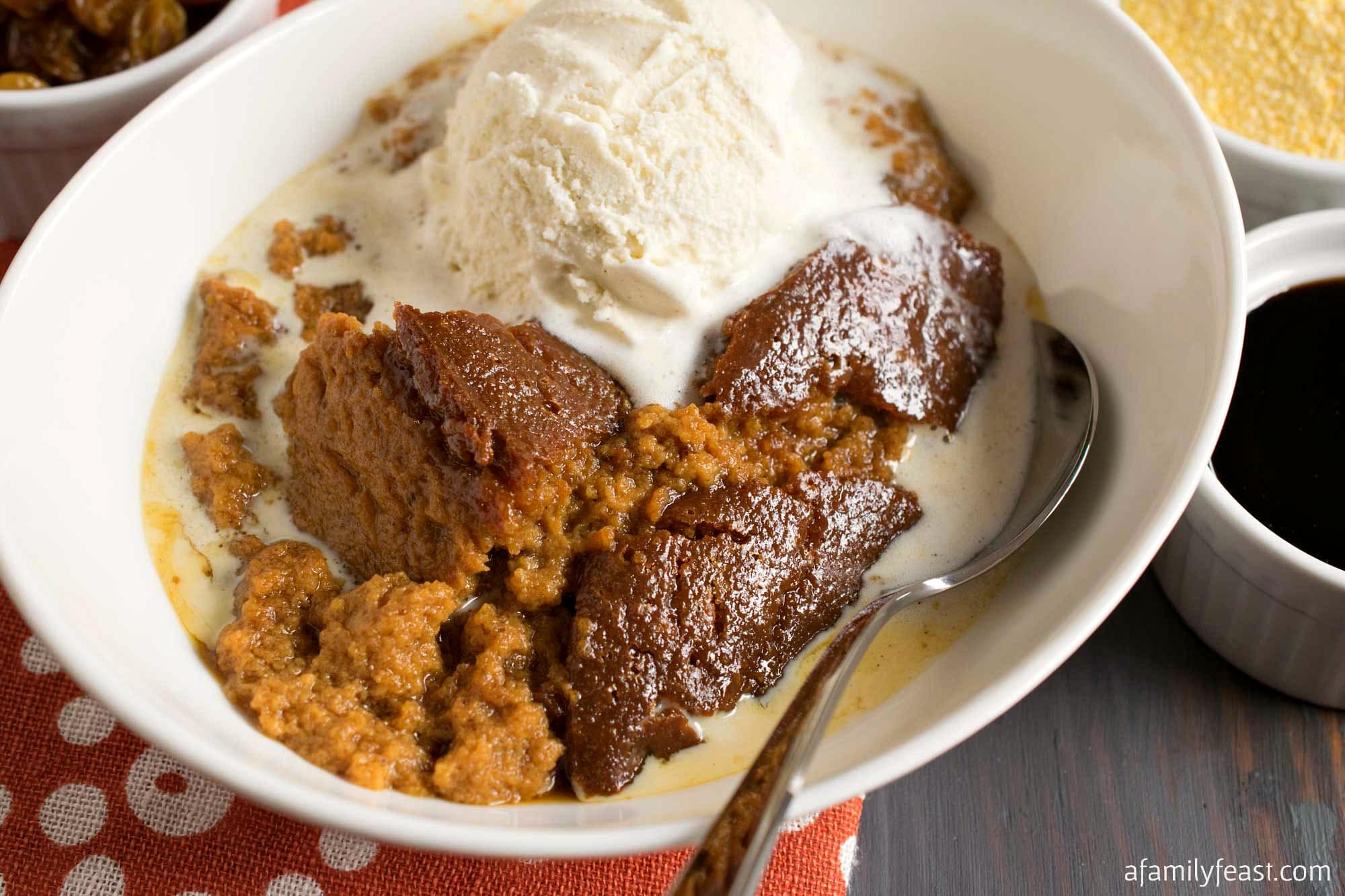
The brand of Indian Pudding leans into this rusticity. It is served in heavy ceramic crocks or simple bowls, often topped with a melting scoop of vanilla ice cream. This visual simplicity communicates a brand identity of honesty. It tells the consumer: “We aren’t here to impress you with garnishes; we are here to provide comfort.” This authenticity is a powerful marketing tool in an age where consumers are increasingly skeptical of over-processed and over-marketed food products.
The Commercial Evolution: From Hearth to Canned Goods
While Indian Pudding began as a home-cooked staple, its survival as a brand was cemented when it moved into the commercial sphere. The transition from a handmade dish to a retail product is a critical stage in any brand’s lifecycle.
Case Study: B&M and the Preservation of Heritage
Perhaps the most significant player in the commercial branding of Indian Pudding is B&M (Burnham & Morrill). Based in Portland, Maine, B&M is famous for its brick-oven baked beans, but its canned Indian Pudding is a cult classic.
B&M’s strategy was to take a labor-intensive dish and make it shelf-stable without losing its “traditional” connotations. The branding on the can itself uses vintage typography and colors that evoke the 19th century. By canning the pudding, they solved the “time” problem for the consumer while maintaining the “legacy” brand identity. For many people outside of New England, B&M is the brand of Indian Pudding. This is an example of “category ownership,” where one company becomes so synonymous with a product that they define the standard for the entire niche.
Shelf-Stability vs. Authentic Experience
The commercialization of Indian Pudding highlights the tension between brand accessibility and brand authenticity. While the canned version made the product available nationwide, it also risked diluting the “hand-crafted” brand image. To combat this, successful marketers of Indian Pudding (both in restaurants and retail) emphasize the “traditional recipe” and “authentic ingredients.” They use storytelling to remind the consumer that even if it comes from a can or a modern oven, the recipe traces its lineage back to the colonial hearth. This strategy—known as “Heritage Marketing”—leverages the past to sell products in the present.
Rebranding Tradition for the Modern Consumer
As we look toward the future, the brand of Indian Pudding must evolve to capture a younger, more diverse demographic. The challenge lies in updating the brand without alienating the loyalists who value its historical roots.
Leveraging Nostalgia in Digital Marketing
Nostalgia is one of the most effective psychological triggers in marketing. For Indian Pudding, the brand can be revitalized by tapping into the “comfort food” trend that spikes during times of economic or social uncertainty. Digital marketing campaigns that focus on the sensory experience—the smell of cinnamon and nutmeg, the warmth of the bowl, the memory of a grandmother’s kitchen—can reintroduce Indian Pudding to a generation looking for emotional connection through their food choices. Using platforms like TikTok or Instagram to show the “behind-the-scenes” slow-baking process can turn the dish’s greatest weakness (its cook time) into its greatest marketing strength.

The Future of “Ugly Food” Branding
There is a growing market for artisanal, heritage grains. As consumers become more interested in the provenance of their food, Indian Pudding is perfectly positioned to be rebranded as a “Heritage Grain Superfood.” By focusing on the use of non-GMO cornmeal, locally sourced maple syrup or molasses, and grass-fed dairy, the brand can pivot from “colonial relic” to “sustainable artisan dessert.”
This shift in corporate identity allows Indian Pudding to compete with modern health-conscious brands while maintaining its soul. The future of Indian Pudding lies in its ability to tell a story that resonates with modern values—sustainability, slow living, and historical appreciation—while remaining true to the simple, humble ingredients that defined it centuries ago.
In conclusion, “What is Indian Pudding?” is a question that can be answered with a list of ingredients, but its true identity is found in its brand. It is a symbol of American resilience, a testament to the power of regional loyalty, and a masterclass in how a product can maintain its relevance by leaning into its heritage rather than running from it. Whether served in a colonial tavern or sold in a modern grocery store, Indian Pudding remains a powerful brand because it offers something that never goes out of style: a genuine taste of history.
aViewFromTheCave is a participant in the Amazon Services LLC Associates Program, an affiliate advertising program designed to provide a means for sites to earn advertising fees by advertising and linking to Amazon.com. Amazon, the Amazon logo, AmazonSupply, and the AmazonSupply logo are trademarks of Amazon.com, Inc. or its affiliates. As an Amazon Associate we earn affiliate commissions from qualifying purchases.