
In the landscape of personal finance, we often spend decades focusing on wealth accumulation, investment strategies, and debt management. We meticulously plan our retirement portfolios and diversify our assets to ensure long-term growth. However, many individuals overlook the single most important asset that makes all of this possible: their ability to earn an income.
Income protection is a financial safety net designed to provide a regular tax-free payment if you are unable to work due to illness or injury. Unlike a lump-sum payout from life insurance or critical illness cover, income protection aims to replace a significant portion of your monthly earnings, ensuring that your lifestyle, mortgage payments, and investment contributions remain uninterrupted during difficult times. This guide explores the mechanics of income protection, its importance in a modern financial plan, and how to choose the right coverage for your specific needs.

Understanding the Mechanics of Income Protection Insurance
Income protection is not a “one-size-fits-all” product. It is a highly customizable financial tool that bridges the gap between your savings and your monthly expenses when your paycheck stops. Understanding how these policies are structured is the first step in determining how they fit into your broader money management strategy.
How the Payout System Works
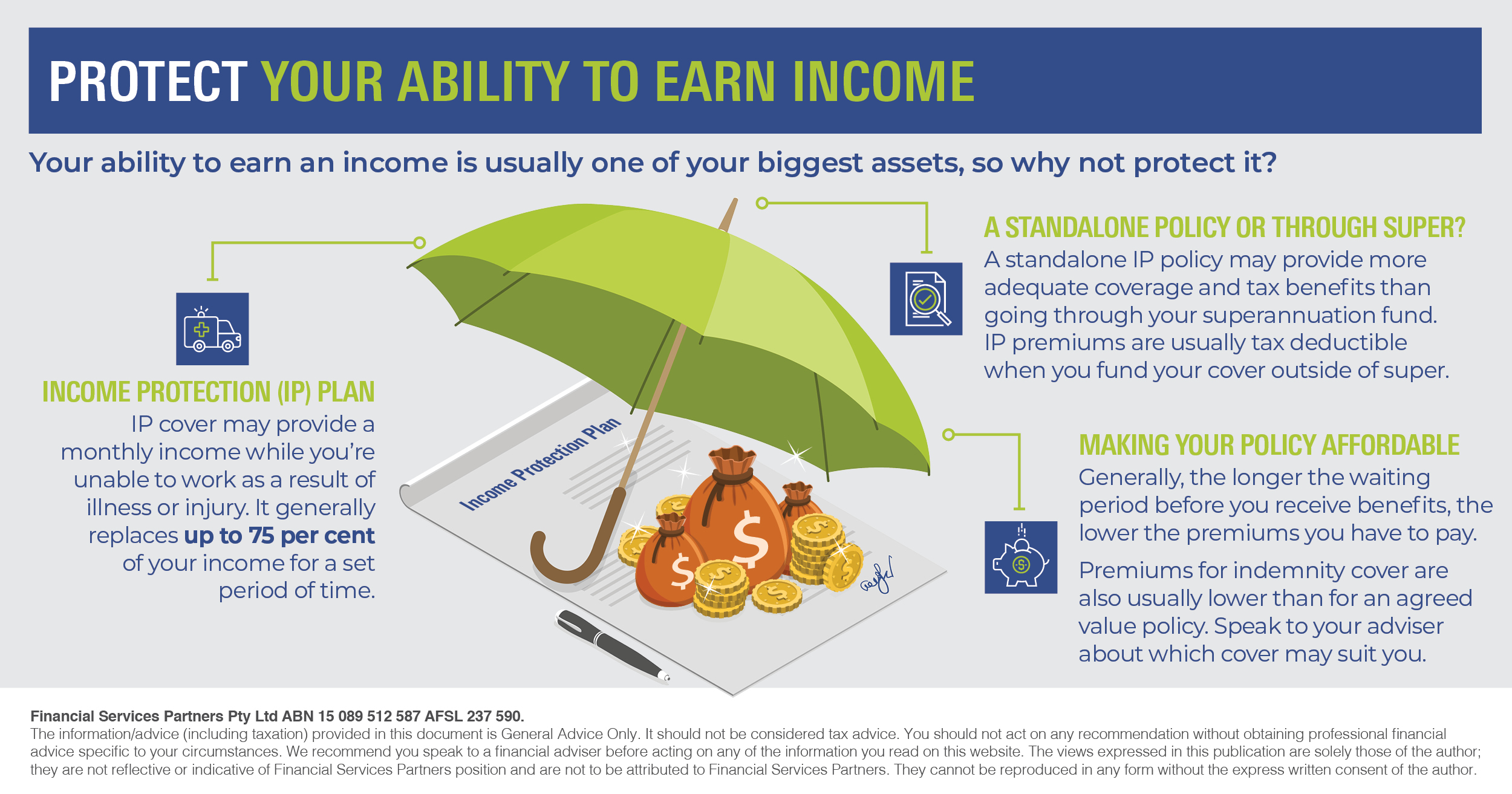
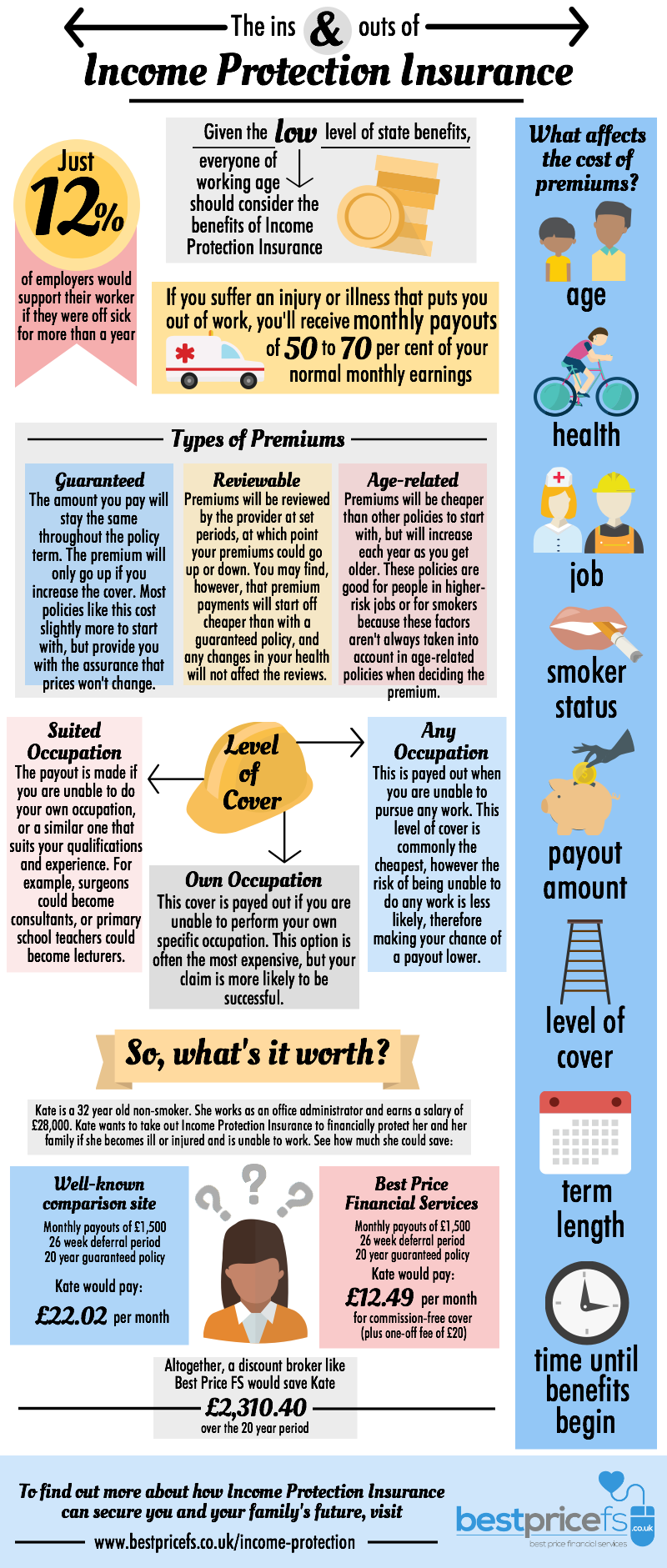
When you take out an income protection policy, you typically insure between 50% and 70% of your gross earnings. The reason it is not 100% is twofold: first, the payouts are generally tax-free, meaning the net amount often gets close to your take-home pay; and second, it provides a financial incentive for the policyholder to eventually return to the workforce. If you become unable to work due to a doctor-certified illness or injury, the policy kicks in after a pre-agreed “waiting period” and pays out until you return to work, reach retirement age, or the policy term ends.
The Importance of the Deferred Period
The “deferred period” (or waiting period) is the length of time you must be off work before the insurance payments begin. This can range from as little as one week to as long as twelve months. Choosing the right deferred period is a critical decision in personal finance. A longer deferred period significantly lowers your monthly premiums. Many professionals align their deferred period with their employer’s sick pay policy or the size of their emergency fund. For example, if your employer provides full pay for three months, setting a 13-week deferred period ensures your insurance kicks in exactly when your corporate benefits expire, optimizing your premium costs.
Short-Term vs. Long-Term Policies
Income protection is generally categorized into two types: Short-term and Long-term. Short-term policies (often called Accident, Sickness, and Unemployment or ASU) typically pay out for a fixed period, such as 12 to 24 months. These are budget-friendly but may leave you vulnerable if you suffer a permanent disability. Long-term policies, however, provide cover until you are fit to return to work or until the policy expires (usually at your planned retirement age). For robust financial planning, long-term policies are generally recommended as they guard against the “worst-case” scenarios that could otherwise lead to bankruptcy.
Why Income Protection is Vital for Financial Stability
Many people mistakenly believe that government benefits or basic employer sick pay will be enough to sustain them. However, for most middle-to-high earners, these safety nets fall significantly short of covering modern living costs. Income protection serves as the foundation upon which the rest of your financial house is built.
Protecting Your Greatest Financial Asset
If you earn $50,000 a year and have 30 years of work ahead of you, your future earnings are worth $1.5 million (not accounting for inflation or raises). You would likely never hesitate to insure a $1.5 million property, yet many people leave their earning potential completely uninsured. Income protection treats your human capital as a tangible asset, ensuring that even if your physical or mental health fails, your financial trajectory remains intact.
Comprehensive Coverage for Illness and Injury
One of the primary advantages of income protection over other types of insurance is its breadth. While critical illness insurance only pays out for specific, severe diagnoses (like a major stroke or specific types of cancer), income protection covers any condition that prevents you from doing your job. This includes back pain, stress-related illnesses, mental health conditions, and minor surgical complications—issues that are statistically much more likely to keep you out of work for several months than a terminal illness.
Mental Health and Burnout Protection
In the modern corporate world, mental health-related absences are on the rise. High-quality income protection policies recognize this reality. Many modern plans include support for mental health, providing not just the financial payout but also access to rehabilitation services, counseling, and gradual return-to-work programs. This holistic approach helps protect your finances while simultaneously supporting your recovery.
Comparing Income Protection to Other Financial Safety Nets
To build a resilient financial plan, it is essential to understand where income protection fits compared to other common insurance products. Relying on the wrong type of cover can lead to significant gaps in your protection strategy.
Income Protection vs. Critical Illness Cover
Critical illness insurance provides a one-time lump sum payment if you are diagnosed with a specific condition listed in the policy. While this is excellent for paying off a mortgage or modifying a home for accessibility, it does not replace a monthly salary. If you suffer from a condition not listed on the policy (like a chronic back injury) that still prevents you from working, critical illness cover will not pay out. Income protection is more flexible because it is based on your inability to work, rather than a specific medical diagnosis.
Limitations of Statutory Sick Pay (SSP) and Government Benefits
In many regions, government-mandated sick pay is minimal. It is designed to provide a subsistence level of living, not to maintain a lifestyle that includes a mortgage, car payments, and private school fees. For a professional used to a certain standard of living, relying solely on state support often results in a 70–90% drop in income. Income protection ensures that your standard of living does not crater the moment you are unable to clock in.
Life Insurance vs. Income Protection
Life insurance is designed to protect your dependents in the event of your death. While crucial for those with families, it does nothing for you if you are alive but unable to earn. Statistically, you are much more likely to be sidelined by a long-term illness during your working life than you are to pass away prematurely. Therefore, an income protection policy is often considered a more “active” and frequently utilized component of a personal finance plan than life insurance.
Choosing the Right Policy for Your Career Path
Your occupation and employment status play a massive role in the type of income protection you should seek. A freelance graphic designer has very different risks and needs than a heavy machinery operator or a corporate executive.
Considerations for the Self-Employed and Freelancers
For the self-employed, there is no “employer sick pay.” If you don’t work, you don’t get paid. This makes income protection an absolute necessity rather than an optional luxury. When setting up a policy as a freelancer, it is vital to have clear records of your taxable income, as the insurer will use your average earnings from the last 12 to 36 months to determine your benefit level. Some policies also offer “own occupation” definitions, which are crucial for specialized professionals.
The “Own Occupation” vs. “Any Occupation” Definition
This is perhaps the most important technical detail in an income protection policy. An “Own Occupation” definition means the policy pays out if you cannot perform the specific duties of your job. An “Any Occupation” definition only pays out if you are so incapacitated that you cannot perform any job at all. For example, a surgeon with a hand tremor could not perform surgery (Own Occupation), but they could technically work in a call center (Any Occupation). Professionals should almost always opt for “Own Occupation” cover to ensure their specific career investment is protected.
Inflation-Linked Policies
Since income protection is a long-term strategy, inflation is a significant concern. A $3,000 monthly benefit might cover your expenses today, but in 15 years, its purchasing power will be significantly diminished. Many high-quality policies offer “indexation,” where the benefit amount and the premiums increase annually in line with inflation (often tied to the Consumer Price Index). This ensures that your safety net remains robust regardless of economic shifts.
The Cost of Protection: Factors Influencing Premiums
Budgeting for income protection requires an understanding of how insurance companies assess risk. By manipulating certain variables, you can find a balance between comprehensive coverage and affordable monthly premiums.
Occupation Risk Categories
Insurers categorize jobs into “risk classes.” Class 1 usually includes office-based professionals (lowest risk), while Class 4 includes high-risk manual laborers or those working at heights (highest risk). The higher the perceived risk of injury or work-related illness, the higher the premium. While you cannot change your career to lower your insurance, knowing your class helps you set realistic expectations for your financial planning.
Lifestyle and Health Factors
Just like life insurance, your personal health history and lifestyle choices impact the cost. Non-smokers and individuals with a healthy Body Mass Index (BMI) generally enjoy lower premiums. If you have pre-existing conditions, the insurer may “exclude” those specific conditions from the policy or apply a “loading” (an extra charge) to the premium. Being transparent during the application process is essential to ensure that the policy is valid when you actually need to make a claim.
Guaranteed vs. Reviewable Premiums
When selecting a policy, you will often choose between “Guaranteed” and “Reviewable” premiums. Guaranteed premiums stay the same for the entire life of the policy, providing long-term certainty for your budget. Reviewable premiums start cheaper but are subject to periodic increases by the insurer based on their claims experience or economic factors. For most people looking for financial stability, guaranteed premiums are the preferred choice, as they protect against future price hikes as you age.
Conclusion: Integrating Income Protection into Your Financial Strategy
Income protection is the cornerstone of a sophisticated personal finance plan. It ensures that no matter what life throws at you—be it a physical injury, a chronic illness, or a period of mental health struggle—your financial goals remain within reach. It protects your ability to pay your mortgage, continue your investment contributions, and provide for your family.
By understanding the nuances of deferred periods, occupation definitions, and the difference between short-term and long-term policies, you can tailor a solution that fits your budget and your lifestyle. In the world of money, we often focus on the “upside” of our investments. Income protection is the essential tool that manages the “downside,” providing the peace of mind that comes from knowing your financial future is secure, even when you are at your most vulnerable.
aViewFromTheCave is a participant in the Amazon Services LLC Associates Program, an affiliate advertising program designed to provide a means for sites to earn advertising fees by advertising and linking to Amazon.com. Amazon, the Amazon logo, AmazonSupply, and the AmazonSupply logo are trademarks of Amazon.com, Inc. or its affiliates. As an Amazon Associate we earn affiliate commissions from qualifying purchases.