
The Supplemental Nutrition Assistance Program (SNAP), historically and commonly referred to as food stamps, serves as a critical pillar of the American social safety net. For individuals and families navigating financial volatility, understanding the specific income thresholds for this program is not merely a matter of administrative curiosity; it is a fundamental aspect of personal financial planning. SNAP benefits provide a reliable monthly supplement that allows households to redirect limited cash flow toward other essential expenses, such as housing, utilities, and debt repayment.

However, the question of “what is the income limit for food stamps” does not have a single, universal answer. Because SNAP is a federal program administered at the state level, the specific financial requirements can vary based on geography, household size, and specific circumstances such as disability or age. To effectively manage a personal budget that includes nutritional assistance, one must master the nuances of gross income, net income, and the various deductions that the Department of Agriculture (USDA) allows.
The Dual Income Test: Gross vs. Net
For most households, eligibility for SNAP is determined by two primary financial benchmarks: the gross income test and the net income test. Understanding the distinction between these two is vital for any applicant attempting to forecast their eligibility.
The Gross Income Limit
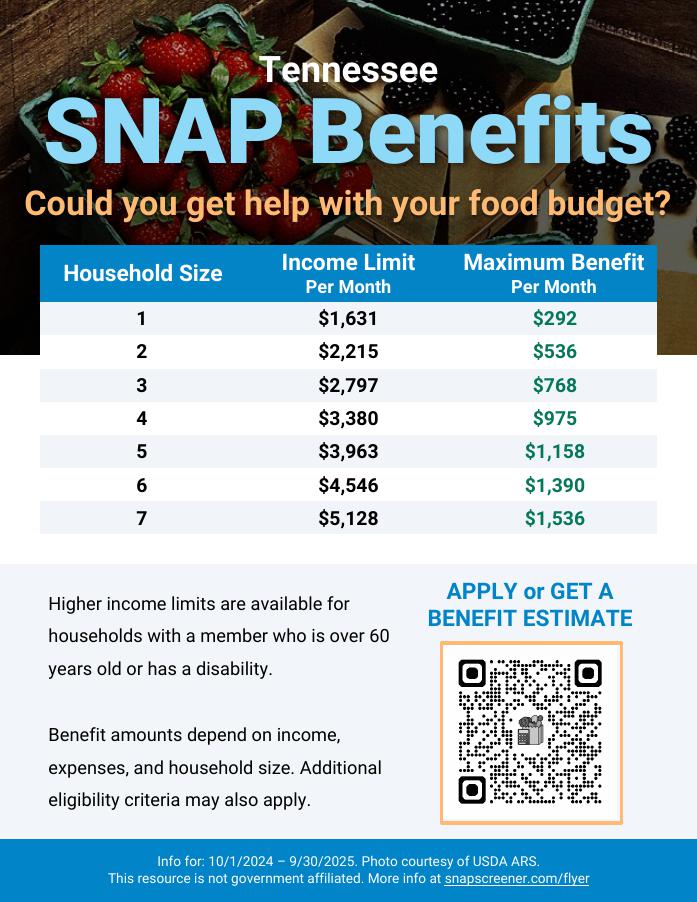
Gross income refers to the total, non-excluded income a household receives before any taxes or deductions are taken out. This includes earned income (wages and salaries) as well as unearned income (Social Security, unemployment insurance, and child support). For most households, the gross monthly income must be at or below 130% of the Federal Poverty Level (FPL).
The FPL is adjusted annually to account for inflation, meaning the specific dollar amounts change every October. For a single individual, the 130% threshold currently sits at a level that requires a rigorous assessment of monthly earnings. As household size increases, the income ceiling rises incrementally. For instance, a household of four will have a significantly higher gross income limit than a household of two, reflecting the increased cost of providing for more dependents.
The Net Income Limit
Even if a household passes the gross income test, they must also meet the net income requirement. Net income is calculated by taking the gross income and subtracting specific allowed deductions. To qualify for benefits, a household’s net income must be at or below 100% of the Federal Poverty Level.
The net income test is often where households find their path to eligibility. Because the program recognizes that certain costs are unavoidable—such as the cost of working or the cost of housing—the “net” figure is intended to represent the actual amount of money a family has available to spend on food. If your net income exceeds 100% of the FPL after all legal deductions are applied, you generally will not qualify for SNAP, even if your gross income was within the 130% limit.
Households Exempt from the Gross Income Test
It is important to note that not every household is subject to the gross income limit. Households that include a member who is 60 years of age or older, or a member who receives certain disability payments, are typically exempt from the gross income test. These households only need to meet the net income limit to qualify. This policy recognizes that elderly and disabled individuals often face higher fixed costs, particularly in healthcare, which can drastically reduce their actual purchasing power regardless of their initial gross earnings.
The Power of Deductions in Financial Planning
The transition from gross income to net income is facilitated by a series of standardized deductions. For those managing a tight budget, understanding these deductions is essential, as they can be the difference between receiving benefits and being denied.
The Earned Income and Standard Deductions
The first major deduction is the earned income deduction. The USDA allows households to subtract 20% of their gross earned income from their total. This is designed to compensate for work-related expenses such as payroll taxes and transportation. By ignoring one-fifth of your paycheck, the program incentivizes employment while acknowledging the costs associated with maintaining a job.
Additionally, every household is entitled to a “standard deduction.” This is a flat dollar amount that varies based on household size and is updated annually. It is applied to everyone, regardless of their specific expenses, to provide a basic level of financial cushion in the eligibility calculation.
Dependent Care and Medical Expenses
For families with children or adult dependents, the dependent care deduction is a significant factor. You can deduct the actual costs paid for the care of a child or another dependent when that care is necessary for a household member to work, look for work, or attend school. Unlike some other tax credits, there is no federal cap on the amount of child care expenses that can be deducted for SNAP purposes, though states may have specific reporting requirements.
For elderly or disabled members, out-of-pocket medical expenses exceeding $35 per month can also be deducted. This includes a wide range of costs, from prescription co-pays and dental care to the cost of maintaining a service animal or transportation to a doctor’s office. In the context of personal finance, documenting these expenses is crucial, as they directly lower the “net income” figure used by the state agency.
The Excess Shelter Deduction
Perhaps the most complex but impactful deduction is the excess shelter deduction. This applies when a household’s shelter costs—including rent or mortgage, property taxes, and basic utilities—exceed half of the household’s income after all other deductions have been subtracted.
Most states utilize a “Standard Utility Allowance” (SUA) to simplify the calculation of utility costs. If you pay for heating or cooling separately from your rent, you are usually entitled to the full SUA, which can significantly boost your deduction and, consequently, your monthly SNAP allotment. For most households, there is a cap on how much can be deducted for shelter, but for households with elderly or disabled members, this cap is removed, allowing for a much larger deduction if housing costs are particularly high.
Asset Limits and Resource Tests
In addition to income limits, many applicants must navigate “resource limits” or asset tests. This aspect of SNAP eligibility focuses on what you own rather than what you earn.
Countable vs. Non-Countable Resources
Resources are generally categorized into liquid assets and non-liquid assets. Countable resources typically include cash on hand, money in checking or savings accounts, and certain certificates of deposit. For most households, the resource limit is set around $2,750. If the household includes an elderly or disabled member, the limit increases to approximately $4,250.
However, many of a household’s most valuable assets are excluded from this count. Your primary home and the land it sits on are never counted. In most states, the value of at least one vehicle is also excluded, and many states have opted to exclude all vehicles entirely to ensure that workers can maintain the transportation necessary to hold a job. Retirement accounts, such as 401(k)s and IRAs, are also generally excluded from the resource test, allowing individuals to maintain their long-term financial security while receiving short-term nutritional assistance.
Broad-Based Categorical Eligibility (BBCE)
It is vital to check your specific state’s rules regarding assets. Through a policy known as Broad-Based Categorical Eligibility (BBCE), many states have opted to significantly increase or entirely eliminate the asset test. In these states, if you receive a basic brochure or service funded by the Temporary Assistance for Needy Families (TANF) block grant, you are “categorically eligible” for SNAP, which often allows the state to use a higher gross income limit (up to 200% of the FPL) and ignore assets altogether. This policy is designed to reduce administrative burdens and prevent “the benefits cliff,” where a small raise or a modest amount of savings would disqualify a family from essential food aid.
Strategic Financial Management and the “Benefits Cliff”
Understanding the income limits for food stamps is only the first step. For those on the path to financial independence, managing the transition away from SNAP is equally important.
Navigating Income Increases
One of the most significant challenges in personal finance for low-to-moderate-income earners is the “benefits cliff.” This occurs when a small increase in earned income leads to a disproportionately large loss in government benefits. For example, a $1.00 per hour raise might push a household just over the gross income limit, resulting in the loss of several hundred dollars worth of SNAP benefits per month.
To manage this, it is essential to keep meticulous records of all income and expenses. When you receive a raise, re-calculate your net income using the 20% earned income deduction and your updated shelter costs. Sometimes, increasing contributions to a tax-advantaged retirement account or a Health Savings Account (HSA) can lower your countable income (depending on state rules), though SNAP generally looks at gross income before these voluntary elective deferrals for the gross income test.
Reporting Changes and Compliance
From a financial security standpoint, maintaining compliance with SNAP reporting requirements is non-negotiable. Most households are under “simplified reporting,” meaning they only need to report changes between certification periods if their gross monthly income exceeds the 130% FPL mark. Failing to report an income increase can result in an “overpayment,” where the state requires you to pay back the value of benefits you were not entitled to receive. This can create a significant financial liability that undermines years of careful budgeting.

Integrating SNAP into a Holistic Budget
Finally, food stamps should be viewed as a tool for wealth building, not just a survival mechanism. By using SNAP benefits to cover the cost of groceries, a household can redirect the cash they would have spent on food toward an emergency fund, high-interest debt, or educational expenses. This strategic shift in capital allocation is what allows individuals to eventually surpass the income limits permanently.
In conclusion, the income limit for food stamps is a dynamic figure influenced by household size, state-specific policies, and allowable deductions. By mastering the math behind gross and net income, leveraging all available deductions, and understanding the impact of Broad-Based Categorical Eligibility, you can effectively navigate the SNAP system to stabilize your household’s finances and build a bridge toward long-term economic stability.
aViewFromTheCave is a participant in the Amazon Services LLC Associates Program, an affiliate advertising program designed to provide a means for sites to earn advertising fees by advertising and linking to Amazon.com. Amazon, the Amazon logo, AmazonSupply, and the AmazonSupply logo are trademarks of Amazon.com, Inc. or its affiliates. As an Amazon Associate we earn affiliate commissions from qualifying purchases.