
Embarking on a Carnival cruise promises an exhilarating escape, a floating resort packed with entertainment, dining, and relaxation. However, for the financially savvy traveler, understanding exactly “what is included” is paramount to budgeting effectively and maximizing the return on your vacation investment. A cruise can represent a significant outlay, and distinguishing between core inclusions and optional extras is the key to avoiding unwelcome surprises and ensuring a truly worry-free holiday. This article will delve into the financial landscape of a Carnival cruise, meticulously detailing what your base fare covers and where additional spending might be required, all through the lens of prudent personal finance and value optimization.
The Core Investment: Understanding Your Base Fare Inclusions
Your Carnival cruise fare is an investment in a comprehensive vacation package, often offering exceptional value when compared to land-based alternatives. The base price you pay covers a surprising array of services and amenities, designed to provide a seamless and enjoyable experience without constant reach into your wallet. Understanding these fundamental inclusions is the first step in appreciating the financial proposition of a cruise.
Accommodation and Essential Amenities: Your Floating Hotel Room
The most fundamental inclusion is, of course, your stateroom. Whether you opt for an interior cabin, an ocean view, a balcony, or a suite, your accommodation for the duration of the cruise is covered. This isn’t just a bed; it’s a fully serviced room. Daily housekeeping, fresh linens, and towels are standard, ensuring a clean and comfortable environment. From a financial perspective, consider this the cost of a premium hotel room, integrated with all other services. When comparing to land-based travel, the implicit value of not having to pay for separate transportation between destinations, and having your lodging move with you, is a significant financial benefit. Furthermore, essential utilities like electricity, water, and basic toiletries are all part of the package, eliminating many incidental costs common in traditional hotel stays.
Dining Experiences: Culinary Value on the High Seas
One of the most appealing financial aspects of a Carnival cruise is the vast array of included dining options. Your base fare covers the cost of breakfast, lunch, and dinner, along with snacks throughout the day. This typically encompasses:
- Main Dining Rooms: These elegant venues offer multi-course meals served à la carte, featuring diverse menus that change daily. This is where you can enjoy fine dining experiences without additional charges, a significant saving compared to comparable restaurant meals ashore.
- Lido Buffet: A more casual option, the Lido Deck buffet provides a wide selection of dishes for all meals, allowing for flexibility and variety. This is excellent for families or those who prefer a quick, self-service meal.
- Casual Eateries: Carnival ships boast numerous complimentary casual spots like Guy’s Burger Joint, BlueIguana Cantina (tacos and burritos), the pizzeria, and the deli. These venues provide quick, delicious options that would typically incur costs at land-based establishments.
- 24/7 Soft Serve Ice Cream: A delightful, free treat available almost anytime, highlighting the “all-inclusive” feel for certain perks.
From a budgetary standpoint, having all primary meals covered for the duration of your trip represents immense financial value. It eliminates the need to budget for daily restaurant bills, which can quickly inflate vacation costs. The sheer variety ensures that there’s always something to suit every palate, making it a financially sound choice for foodies.
Entertainment & Activities: Non-Stop Fun Without Extra Charges
Beyond food and lodging, a substantial portion of your cruise fare covers a diverse program of entertainment and activities. This is where Carnival truly shines, offering an extensive menu of options that cater to all ages and interests, most of which are included in your upfront payment.
- Live Shows: Broadway-style productions, comedy shows, musical performances, and various guest entertainers are a nightly highlight. These are professional-grade performances that would cost a premium at a theater or concert venue.
- Deck Parties & Live Music: Poolside parties, themed events, and live bands performing throughout the ship keep the atmosphere vibrant.
- Kids’ Programs: Camp Ocean (for various age groups), Circle C, and Club O2 offer supervised activities, games, and events for children and teens, providing invaluable childcare and entertainment that allows parents to enjoy their own time, a massive financial and practical benefit for families.
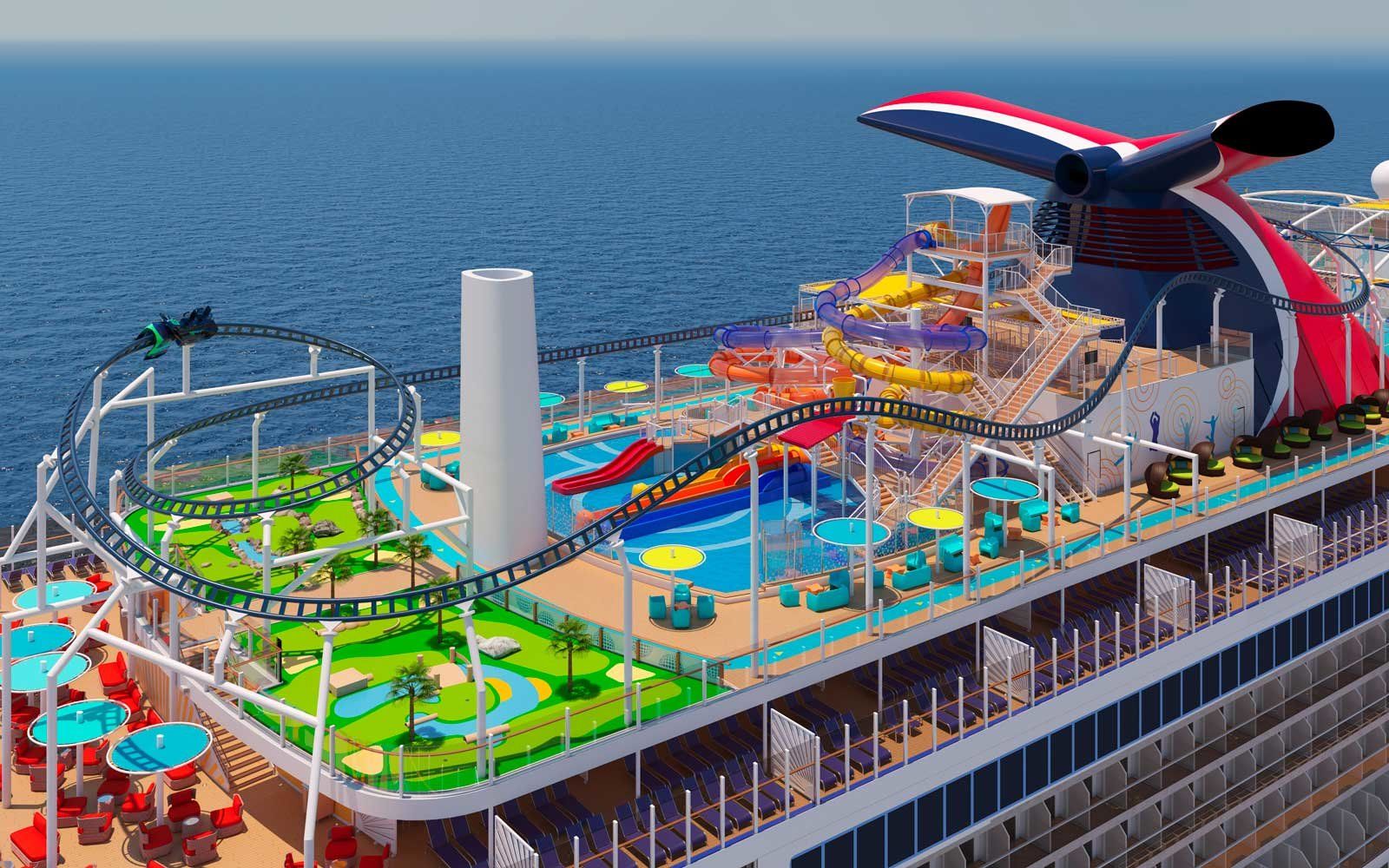
- Sports & Recreation: Access to pools, hot tubs, the onboard gym, mini-golf, basketball courts, and the running track are all free. On newer ships, you might find included attractions like the WaterWorks aqua park, ropes courses, or SkyRide.
The financial implication here is significant. Instead of paying entry fees for multiple attractions, shows, or activity centers, a single cruise fare grants you access to a curated selection of high-quality entertainment and recreational facilities, day and night. This bundled approach provides tremendous financial efficiency for your leisure budget.
Transportation & Port Fees: The Hidden Logistics
While often overlooked in the initial “what’s included” analysis, your cruise fare implicitly covers the cost of transportation between various ports of call. You unpack once and wake up in a new destination, eliminating the need for expensive flights, trains, or car rentals between cities. Furthermore, a portion of your fare, or sometimes a separate “taxes, fees, and port expenses” charge, covers the operational costs associated with docking at different ports. Though sometimes listed separately, these are mandatory charges integrated into the overall financial commitment for the cruise. Understanding that these logistical costs are managed and pre-paid through your fare adds another layer to the financial value of a cruise vacation.
Navigating the “Not Included” Landscape: Budgeting for Expected Extras
While the value of Carnival’s inclusions is undeniable, a financially astute traveler must also be aware of what is not covered by the base fare. These “extras” are where your discretionary spending comes into play, and careful budgeting for them is crucial to avoid bill shock at the end of your voyage. Treating these as anticipated expenses, rather than surprises, empowers you to maintain control over your vacation finances.
Beverages: From Basic to Premium Packages
Your base fare generally includes tap water, basic coffee, tea, and some juices (usually at breakfast). However, most other beverages are an additional cost. This includes:
- Soft Drinks and Juices: Canned sodas, fresh juices, and specialty coffees.
- Alcoholic Beverages: Beer, wine, spirits, and cocktails.
- Bottled Water: Convenient, but not free.
Carnival offers various beverage packages, such as the CHEERS! package for alcoholic drinks and the Bottomless Bubbles package for sodas. From a financial perspective, these packages can be a good investment if you plan to consume a significant number of drinks daily. However, it requires a careful cost-benefit analysis. Calculate your expected daily consumption and compare it against the package price. Over-purchasing a package that you won’t fully utilize is a common pitfall that inflates vacation costs unnecessarily.
Shore Excursions: Enhancing Your Destination Experience
While docking at beautiful ports is included, the activities you choose to do once ashore are generally not. Shore excursions, whether booked through Carnival or independent operators, are additional expenses. These can range from guided city tours and snorkeling adventures to historical site visits and cultural experiences.
Financial Tip: Researching and budgeting for shore excursions in advance is critical. Carnival offers convenient, vetted excursions, but independent tours can sometimes be more budget-friendly. Prioritize experiences that align with your financial comfort zone and travel goals. Consider which excursions offer the most unique value for their price, as these are often highlight experiences worth the investment.
Specialty Dining and Premium Services: Indulging Strategically
Beyond the complimentary dining, Carnival ships feature a range of specialty restaurants (e.g., steakhouses, Italian, seafood) that offer elevated culinary experiences for an additional fee. Similarly, services like spa treatments, salon services, and fitness classes (beyond basic gym access) are extra.
Financial Strategy: Treat these as discretionary luxury items. If your budget allows for an indulgent meal or a relaxing massage, factor it into your spending plan. Don’t feel pressured to partake in every premium offering. A financially savvy cruiser can enjoy the included dining options and activities thoroughly and still have an incredible vacation without incurring significant additional costs. Consider the per-person cost of these experiences versus their perceived value to you.
Gratuities and Service Charges: An Essential Financial Consideration
An often-overlooked but mandatory financial aspect of cruising is gratuities. Carnival automatically adds a daily service charge per person to your onboard account. These gratuities are distributed among the dining staff, stateroom attendants, and other service personnel who work tirelessly behind the scenes.
Budgeting Mandate: Gratuities are not optional and should be factored into your total cruise budget from the outset. While you can adjust the amount, it is customary and expected. You can pre-pay gratuities before your cruise, which is often a wise financial move as it removes a variable cost from your onboard spending. For any additional exceptional service, a cash tip is always appreciated, but the daily charge covers the standard excellent service.
Smart Financial Planning for Your Carnival Cruise
A successful Carnival cruise vacation isn’t just about enjoying the included amenities; it’s about meticulous financial planning that accounts for every potential expense, maximizing your enjoyment while staying within your budget. Proactive financial management is key to a stress-free and truly enjoyable voyage.
Pre-Trip Budgeting: Accounting for Every Dollar
The cornerstone of any financially smart vacation is a detailed pre-trip budget. This budget should encompass more than just the cruise fare. Factor in:
- Cruise Fare & Taxes/Port Fees: The initial booking cost.
- Travel to Port: Flights, hotel stays (if needed the night before), ground transportation.
- Onboard Spending: Estimated costs for drinks, specialty dining, internet, photos, casino.
- Shore Excursions: Pre-booked or estimated costs for activities in port.
- Gratuities: Pre-paid or daily charges.
- Souvenirs & Shopping: Discretionary spending.
- Travel Insurance: A crucial investment for protecting your financial outlay.
By meticulously itemizing these potential expenses, you gain a clear picture of the total financial commitment and can adjust your choices accordingly to fit your comfort level. This proactive approach prevents financial surprises and allows for confident spending onboard.
Onboard Account Management: Avoiding Bill Shock
Upon boarding, you’ll set up an onboard account linked to your Sail & Sign card, which acts as your room key, ID, and payment method. Every purchase not included in your fare is charged to this account.
Financial Discipline: Regularly review your onboard statement. Carnival offers various ways to do this: via the Carnival HUB app, at Guest Services, or on in-cabin interactive TVs. Monitoring your spending throughout the cruise allows you to track expenses, compare them against your budget, and make adjustments as needed. Waiting until the last day to review your bill can lead to significant “bill shock,” making it harder to dispute charges or manage your final payment. Set a daily spending limit for yourself if needed.
Leveraging Loyalty Programs and Promotions: Discounts and Perks
Carnival’s VIFP (Very Important Fun Person) Club loyalty program rewards repeat cruisers with various benefits. As you accumulate cruise points, you can unlock perks that offer tangible financial value, such as complimentary bottled water, priority embarkation (saving time, which is valuable), and even discounts on future cruises or onboard purchases.
Financial Advantage: Keep an eye out for Carnival’s frequent promotions, which can include discounted fares, onboard credit (effectively free spending money), free room upgrades, or bundled packages that include drinks or Wi-Fi. Booking during these promotional periods can significantly reduce your overall vacation cost or enhance your experience without extra spending, thereby maximizing your financial efficiency.
Travel Insurance: Protecting Your Investment
While often seen as an additional expense, travel insurance is a critical financial tool for any cruise. Cruises are significant financial investments, and unforeseen circumstances—illness, travel delays, lost luggage, or emergency medical situations—can lead to substantial out-of-pocket costs if you’re not covered.
Risk Management: A good travel insurance policy protects your non-refundable cruise fare and other pre-paid expenses. It covers medical emergencies, trip interruption or cancellation, and baggage issues. The cost of a policy is typically a small fraction of your total cruise cost, but it provides invaluable peace of mind and financial security against potential losses, making it a wise and responsible part of your overall financial planning.
The True Value Proposition: Weighing Costs Against Experiences
Ultimately, understanding “what is included with a Carnival cruise” is about more than just a list of features; it’s about discerning the overall value proposition and making an informed financial decision for your vacation. When viewed holistically, a Carnival cruise offers a concentrated vacation experience that can be highly cost-effective, provided you plan wisely.
Cost-Per-Day Analysis: Comparing Cruise Value to Other Vacations
To truly grasp the financial value of a Carnival cruise, consider a cost-per-day analysis. Divide your total cruise expenditure (including base fare, gratuities, travel to port, and estimated onboard spending) by the number of days you’ll be onboard. Compare this figure to the average daily cost of a comparable land-based vacation that includes accommodation, meals, entertainment, and transportation between attractions. Often, you’ll find that cruising offers an incredibly competitive cost-per-day, especially when considering the sheer volume and quality of included amenities and services. This metric highlights the financial efficiency of a cruise as a comprehensive vacation package.
Avoiding Overspending: Tips for a Frugal Yet Fulfilling Cruise
It is entirely possible to have an absolutely fantastic Carnival cruise experience without excessive overspending.
- Embrace the Inclusions: Make full use of the complimentary dining options, free entertainment, and included activities. There’s so much to do without spending an extra dime.
- Drink Smart: If beverage packages don’t make financial sense for you, consider bringing your allotted amount of wine or champagne onboard (check Carnival’s specific policy), or stick to the free beverages.
- Self-Guided Shore Explorations: Instead of costly organized excursions, research ports and explore independently. Many ports are walkable or have easily accessible local transportation.
- Set a Daily Budget: Decide how much you’re willing to spend each day on non-essentials and stick to it.
These strategies ensure that your focus remains on enjoyment and relaxation, not on a looming credit card bill.
Post-Cruise Financial Review: Learning for Future Adventures
After your cruise, take some time to review your actual spending against your initial budget. What did you spend more on? What did you spend less on? What were the best value-for-money expenditures? This financial review is invaluable for planning future cruises or other vacations. It provides insights into your spending habits, helps refine your budgeting process, and enables you to make even smarter financial decisions for your next adventure. Every cruise is a learning opportunity to become a more astute and financially prepared traveler.
In conclusion, a Carnival cruise offers a compelling vacation package with a significant array of inclusions designed to provide immense value. By understanding what’s covered in your base fare, meticulously budgeting for expected extras, and applying smart financial planning strategies, you can maximize the return on your vacation investment, ensuring a financially sound and incredibly enjoyable journey on the high seas.
aViewFromTheCave is a participant in the Amazon Services LLC Associates Program, an affiliate advertising program designed to provide a means for sites to earn advertising fees by advertising and linking to Amazon.com. Amazon, the Amazon logo, AmazonSupply, and the AmazonSupply logo are trademarks of Amazon.com, Inc. or its affiliates. As an Amazon Associate we earn affiliate commissions from qualifying purchases.