
Understanding PHI in the Digital Age: A Cybersecurity Imperative
Protected Health Information (PHI) stands as the bedrock of patient privacy within the healthcare landscape. In an increasingly interconnected digital world, comprehending the scope and nuances of PHI is not merely a compliance exercise but a critical cybersecurity imperative. PHI encompasses a vast array of individually identifiable health information, which, if compromised, can lead to severe privacy breaches, identity theft, and significant legal and financial repercussions for healthcare organizations and their technology partners. The definition and handling of PHI are predominantly guided by the Health Insurance Portability and Accountability Act (HIPAA) in the United States, alongside a growing number of international data protection regulations, all emphasizing the stringent technical safeguards required for its protection.
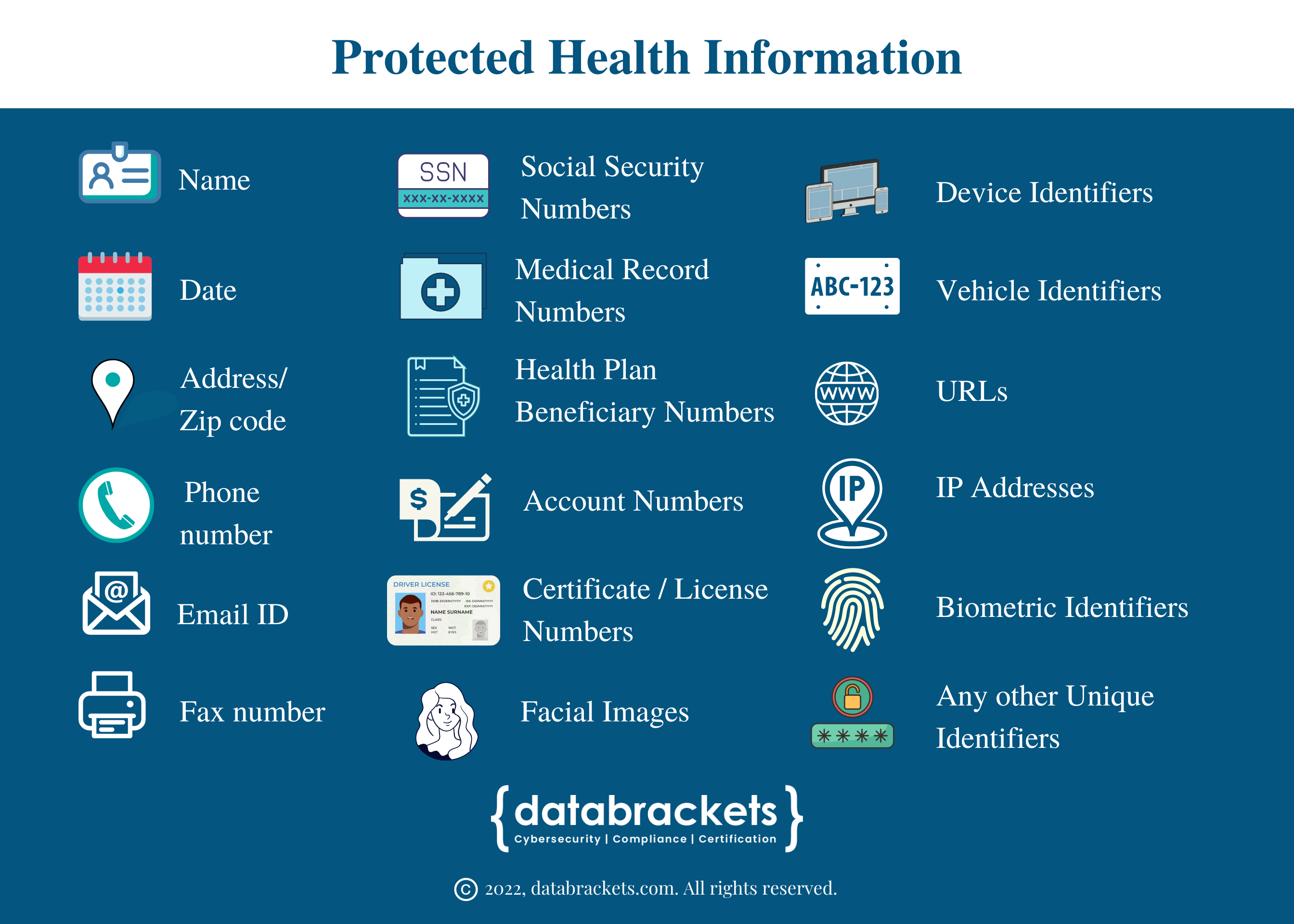
Defining PHI: The Core Elements
PHI includes any information in a medical record, payment history, or conversations between patients and healthcare providers that can be used to identify an individual and relates to their health status, provision of healthcare, or payment for healthcare. The digital nature of modern healthcare means this information exists across various systems, from Electronic Health Records (EHRs) and Picture Archiving and Communication Systems (PACS) to billing software and patient portals.
Key categories of information considered PHI include:
- Demographic Data: Names, addresses, dates of birth (including age if over 89), telephone numbers, email addresses, social security numbers, medical record numbers, health plan beneficiary numbers, account numbers, certificate/license numbers, vehicle identifiers and serial numbers (including license plate numbers), device identifiers and serial numbers, web universal resource locators (URLs), IP address numbers, biometric identifiers (including finger and voice prints), and full face photographic images and any comparable images.
- Health Information: Past, present, or future physical or mental health or condition of an individual. This includes diagnoses, treatment plans, medical histories, test results, prescription information, and genetic data.
- Healthcare Provision Information: Information about the provision of healthcare to the individual, such as appointment dates, procedures performed, and details of hospital visits.
- Payment Information: Details related to the past, present, or future payment for the provision of healthcare to the individual, including insurance information, billing records, and claims data.
Crucially, any of these identifiers, when combined with health information, transforms it into PHI, demanding robust digital security measures. The sheer volume and sensitivity of this data necessitate advanced technological solutions for its management, storage, and transmission.
The Interplay with HIPAA and Other Regulations
HIPAA sets the national standard for protecting sensitive patient health information from being disclosed without the patient’s consent or knowledge. Its Security Rule, in particular, mandates specific technical safeguards to protect electronic PHI (ePHI). These safeguards address access control, audit controls, integrity, person or entity authentication, and transmission security. Technology vendors serving the healthcare sector must design their software and hardware solutions with these stringent requirements in mind, ensuring compliance is built into the architecture. Beyond HIPAA, global regulations like the General Data Protection Regulation (GDPR) in Europe and various state-specific privacy laws further extend the scope of PHI protection, often imposing even stricter requirements on data processing, cross-border data transfers, and breach notification, all of which rely heavily on robust technological frameworks.
Technical Dimensions of PHI Protection
Protecting PHI is fundamentally a technical challenge, requiring a multi-layered approach involving sophisticated software, network security, and data management strategies. The digital infrastructure supporting healthcare must be resilient against a spectrum of cyber threats, from sophisticated nation-state attacks to opportunistic ransomware campaigns.
Data Encryption and Access Controls
Encryption is the cornerstone of PHI protection, rendering data unintelligible to unauthorized users. Both data at rest (stored on servers, databases, or devices) and data in transit (moving across networks, internet, or internal systems) must be encrypted using strong, industry-standard algorithms. This includes full disk encryption for endpoint devices, database encryption for EHR systems, and Transport Layer Security (TLS) for secure communication channels.
Access controls are equally vital, ensuring that only authorized personnel can access PHI, and only to the extent necessary for their job functions (the principle of “least privilege”). This involves:
- Role-Based Access Control (RBAC): Assigning access rights based on the user’s role within the organization.
- Multi-Factor Authentication (MFA): Requiring users to provide two or more verification factors to gain access, significantly reducing the risk of unauthorized access due to compromised credentials.
- Strong Password Policies: Enforcing complexity, length, and regular rotation of passwords, often managed through enterprise identity and access management (IAM) solutions.
Secure Storage and Transmission Protocols
The storage of PHI, whether on-premises or in cloud environments, demands infrastructure with advanced security features. Cloud providers offering HIPAA-compliant services must demonstrate robust physical and environmental safeguards, network security, and data redundancy. For on-premises storage, data centers must meet stringent security standards, including physical access controls, surveillance, and environmental monitoring.
Secure transmission protocols are paramount when PHI moves between systems or organizations. Virtual Private Networks (VPNs) create secure tunnels for data exchange over public networks. Secure File Transfer Protocol (SFTP) and other secure messaging platforms are essential for sharing PHI with external entities, always ensuring end-to-end encryption. Healthcare organizations also leverage secure APIs for interoperability between different healthcare IT systems, ensuring data integrity and confidentiality during exchange.
Software Solutions for PHI Management
Specialized software solutions are indispensable for managing and protecting PHI. These include:
- Electronic Health Record (EHR) Systems: Modern EHRs are designed with built-in security features, including audit trails, access logs, and data encryption modules. They facilitate patient data management while enforcing compliance.
- Data Loss Prevention (DLP) Software: DLP solutions monitor, detect, and block sensitive data (including PHI) from leaving the corporate network, whether through email, cloud storage, or USB devices.
- Security Information and Event Management (SIEM) Systems: SIEM platforms aggregate and analyze security logs from various IT systems, providing real-time monitoring and alerts for potential security incidents involving PHI.
- Identity and Access Management (IAM) Platforms: These systems centralize user identities and their access privileges, simplifying user provisioning, de-provisioning, and ensuring that access to PHI is properly controlled and audited.
The Role of AI and Advanced Tech in Safeguarding PHI
Emerging technologies like Artificial Intelligence (AI), Machine Learning (ML), and Blockchain are increasingly pivotal in enhancing the security posture of PHI, offering proactive defense mechanisms and improving data integrity.
AI for Threat Detection and Anomaly Identification

AI and ML algorithms can analyze vast datasets of network traffic, user behavior, and system logs to identify patterns indicative of cyber threats or unusual access attempts that might bypass traditional security measures. These systems can detect:
- Insider Threats: By flagging deviations from normal user behavior, such as accessing unusual patient records or attempting to exfiltrate large volumes of data.
- Advanced Persistent Threats (APTs): By identifying subtle indicators of compromise (IoCs) that signal sophisticated, long-term attacks.
- Malware and Ransomware: Through behavioral analysis rather than signature-based detection, catching novel threats more effectively.
This proactive threat intelligence empowers security teams to respond to potential PHI breaches before significant damage occurs.
Blockchain for Enhanced Data Integrity
Blockchain technology offers a decentralized, immutable ledger system that can enhance the integrity and traceability of PHI. By recording transactions (e.g., access events, data modifications) on a distributed ledger, blockchain can provide an unalterable audit trail, proving who accessed what information and when. This can significantly bolster trust and transparency in data sharing among healthcare providers, researchers, and patients, while reducing the risk of data tampering. While full PHI may not reside on a public blockchain due to privacy concerns, metadata or pointers to encrypted PHI could be secured on such a system.
De-identification and Pseudonymization Techniques
To enable data sharing for research, public health, or machine learning model training without compromising individual privacy, de-identification and pseudonymization techniques are crucial. AI and ML algorithms can assist in:
- Automated De-identification: Stripping PHI of direct identifiers while retaining statistical utility.
- Pseudonymization: Replacing direct identifiers with artificial identifiers (pseudonyms), allowing for re-identification only with additional information, which is kept separate and secure.
- Differential Privacy: Introducing controlled noise into datasets to prevent individuals from being re-identified while still allowing for aggregate data analysis.
These techniques, often powered by advanced algorithms, allow the broader use of health data for innovation while adhering to strict privacy requirements.
Digital Security Challenges and Best Practices for PHI
Despite technological advancements, healthcare organizations face persistent and evolving digital security challenges in protecting PHI. The complexity of healthcare IT environments, coupled with the high value of health data to cybercriminals, necessitates continuous vigilance and adaptive security strategies.
Vulnerabilities in Healthcare IT Systems
Healthcare IT infrastructure often includes a mix of legacy systems, interconnected medical devices (Internet of Medical Things – IoMT), and modern cloud applications. This heterogeneity creates a vast attack surface. Legacy systems may lack modern security features, while IoMT devices are often deployed with default or weak security configurations, making them easy targets for exploitation. Furthermore, the rapid adoption of telehealth and remote patient monitoring has expanded network perimeters, introducing new vulnerabilities if not secured meticulously. Regular vulnerability assessments, penetration testing, and timely patching are non-negotiable best practices.
Employee Training and Insider Threats
Human error remains a leading cause of data breaches. Employees, whether healthcare providers, administrative staff, or IT personnel, are often the first line of defense and, inadvertently, a potential vulnerability. Phishing attacks, social engineering, and lax adherence to security protocols can lead to compromised credentials or unauthorized data disclosure. Comprehensive, recurring cybersecurity training is essential, focusing on identifying threats, understanding security policies, and recognizing the critical importance of PHI protection. Furthermore, insider threats – malicious or unintentional actions by authorized users – necessitate robust monitoring, audit trails, and data access reviews to detect and mitigate risks.
Incident Response and Business Continuity Planning
Despite the best preventative measures, security incidents involving PHI are an unfortunate reality. A well-defined incident response plan is critical for minimizing the impact of a breach. This plan should outline clear steps for detection, containment, eradication, recovery, and post-incident analysis. It must include detailed communication protocols for notifying affected individuals and regulatory bodies, as mandated by HIPAA and other privacy laws. Complementing this, a robust business continuity plan ensures that critical healthcare IT systems and access to PHI can be restored quickly after a major incident, maintaining patient care and operational integrity. Regular drills and simulations are vital to test the effectiveness of these plans.
The Future of PHI Security: Emerging Technologies and Evolving Threats
The landscape of PHI security is dynamic, shaped by both advancements in technology and the ingenuity of cyber adversaries. Staying ahead requires a forward-looking approach to security architecture and strategy.
Quantum Computing and Cryptographic Evolution
The advent of quantum computing poses a significant future threat to current cryptographic standards. Quantum computers could potentially break many of the encryption algorithms currently used to protect PHI. Healthcare organizations and technology developers must begin preparing for a post-quantum cryptographic era by researching and developing quantum-resistant algorithms and transitioning to them as they become standardized. This involves significant R&D investment and collaboration within the cybersecurity community.
Edge Computing and IoT in Healthcare
The proliferation of IoT devices in healthcare, from wearables to connected medical instruments, is driving the adoption of edge computing. Processing data closer to the source (at the “edge” of the network) reduces latency and bandwidth, but it also distributes PHI across a wider array of potentially less secure endpoints. Securing these edge devices, ensuring their integrity, and managing their access to sensitive network resources will be a critical challenge, requiring new security models and robust device management platforms.

Proactive Threat Intelligence and Adaptive Security Frameworks
The future of PHI security will lean heavily on proactive threat intelligence and adaptive security frameworks. Rather than merely reacting to attacks, organizations will leverage AI-driven threat intelligence platforms to anticipate emerging threats and automatically adapt their security postures. This includes intelligent firewalls, self-healing networks, and security orchestration, automation, and response (SOAR) platforms that can autonomously detect and neutralize threats with minimal human intervention. The goal is to create a dynamic, self-defending digital ecosystem around PHI, continuously learning and evolving to counter sophisticated and persistent cyber threats.
aViewFromTheCave is a participant in the Amazon Services LLC Associates Program, an affiliate advertising program designed to provide a means for sites to earn advertising fees by advertising and linking to Amazon.com. Amazon, the Amazon logo, AmazonSupply, and the AmazonSupply logo are trademarks of Amazon.com, Inc. or its affiliates. As an Amazon Associate we earn affiliate commissions from qualifying purchases.