
The arrival of Zepbound, a new medication for chronic weight management, has sparked significant interest across various sectors, from healthcare to the broader economic and technological landscapes. While its primary function is medical, understanding “what is in Zepbound” extends beyond its active ingredients to encompass its implications for individuals, the pharmaceutical industry, and the technological innovations driving its development and adoption. This article will explore the components and implications of Zepbound through the lens of technology, brand, and money, offering a comprehensive perspective on this groundbreaking treatment.
The Scientific Core: Unpacking Zepbound’s Active Ingredients
At its heart, Zepbound is a pharmaceutical marvel, built upon sophisticated scientific research and development. The answer to “what is in Zepbound” primarily lies in its active ingredients, which are crucial for its therapeutic effect.
Tirzepatide: The Dual-Action Powerhouse
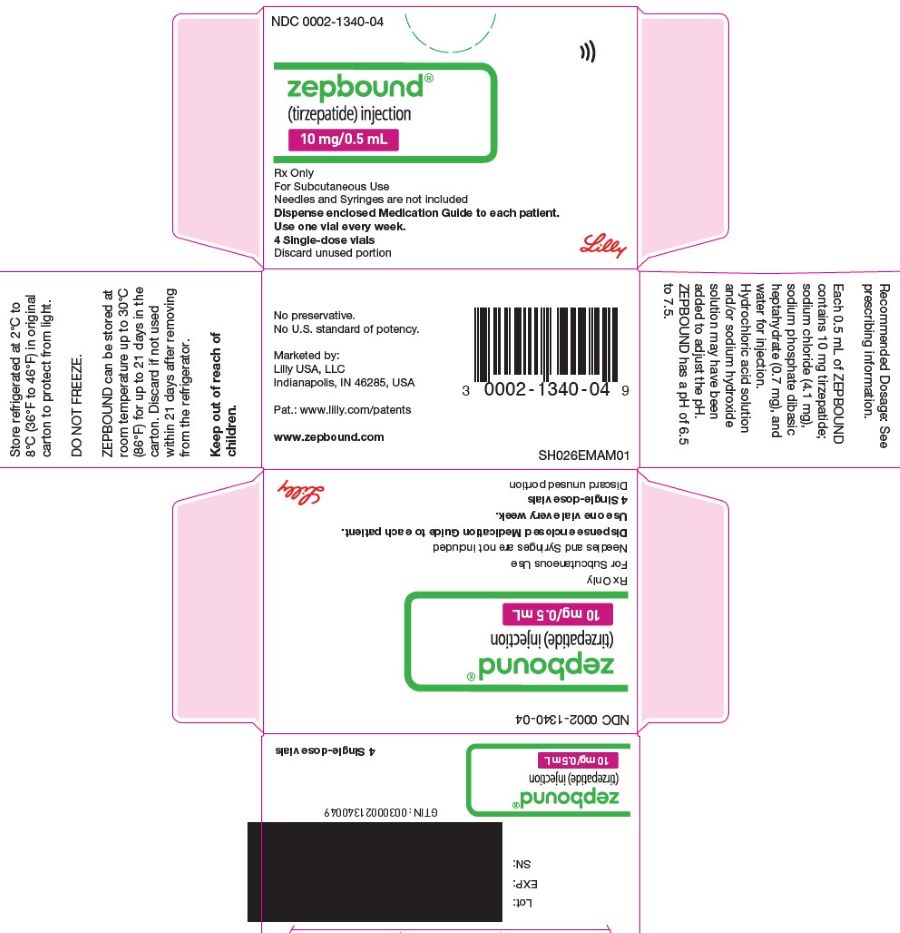
The key component in Zepbound is tirzepatide. This innovative molecule is a dual-agonist, meaning it targets two distinct hormone receptors: the glucagon-like peptide-1 (GLP-1) receptor and the glucose-dependent insulinotropic polypeptide (GIP) receptor. This dual action is what sets tirzepatide apart and contributes to its efficacy in managing chronic weight.
-
GLP-1 Receptor Agonism: The GLP-1 receptor pathway plays a vital role in regulating blood sugar levels and appetite. When stimulated, GLP-1 agonists can:
- Increase Insulin Secretion: They prompt the pancreas to release more insulin in response to rising blood glucose, thereby helping to lower blood sugar.
- Decrease Glucagon Secretion: Glucagon, another hormone produced by the pancreas, has the opposite effect of insulin, raising blood sugar. GLP-1 agonists suppress glucagon release, further contributing to glycemic control.
- Slow Gastric Emptying: This effect leads to a feeling of fullness for longer periods, reducing overall food intake.
- Reduce Appetite: By acting on the brain’s appetite centers, GLP-1 agonists can significantly curb hunger and cravings.
-
GIP Receptor Agonism: GIP is another incretin hormone that works in conjunction with GLP-1. While GLP-1 primarily influences glucose metabolism and appetite, GIP also plays a role in fat metabolism and can enhance the effects of GLP-1. The synergistic action of tirzepatide on both GIP and GLP-1 receptors is believed to be responsible for its potent weight loss effects. This dual mechanism appears to:
- Amplify Insulin Response: The combination of GIP and GLP-1 signaling can lead to a more robust insulin release compared to GLP-1 alone.
- Enhance Fat Breakdown: GIP has been shown to promote fat storage in adipocytes, but in the context of GIP/GLP-1 co-agonism, this effect might be counterbalanced or even reversed, contributing to fat loss.
- Improve Glucose Control Beyond Insulin: While insulin is a primary driver of glucose regulation, GIP’s influence on other metabolic pathways might contribute to improved overall metabolic health.
The combination of these actions – reduced food intake due to appetite suppression and slower gastric emptying, coupled with improved metabolic regulation – drives significant weight loss in individuals who use Zepbound.
Excipients: The Supporting Cast
Beyond tirzepatide, Zepbound also contains inactive ingredients, known as excipients. These are crucial for the formulation, stability, and delivery of the active drug. While they don’t contribute to the therapeutic effect, their role is indispensable:
- Solvents: These help to dissolve the active ingredient and other components, forming a stable solution for injection. Common solvents include purified water.
- Buffering Agents: These maintain the pH of the solution within a specific range, ensuring the drug’s stability and minimizing discomfort at the injection site. Examples might include phosphates or citrates.
- Tonicity Adjusters: These ensure the solution is isotonic with body fluids, further reducing injection site irritation. Sodium chloride is a common example.
- Preservatives: In multi-dose vials, preservatives are used to prevent microbial growth and maintain the sterility of the medication after the first use.
- Stabilizers: These help to protect the active ingredient from degradation, ensuring its potency over its shelf life.
The specific list of excipients is detailed in the drug’s prescribing information and is carefully selected to be safe and compatible with the active pharmaceutical ingredient.
Technological Innovations Driving Zepbound’s Success
The creation and delivery of Zepbound are deeply intertwined with advancements in technology, spanning from fundamental research to patient accessibility. The website’s focus on “Tech” provides a relevant framework for understanding these connections.
AI and Machine Learning in Drug Discovery and Development
The journey of a drug like Zepbound from concept to clinic is a long and complex one, heavily reliant on cutting-edge technology. Artificial intelligence (AI) and machine learning (ML) are revolutionizing pharmaceutical research and development in numerous ways:
- Target Identification and Validation: AI algorithms can sift through vast datasets of genomic, proteomic, and clinical information to identify novel drug targets that are most likely to be effective for specific conditions, like obesity. ML models can predict the potential efficacy and safety of these targets before extensive laboratory work begins.
- Molecule Design and Optimization: AI can design and optimize new drug molecules with desired properties. Generative AI models can create entirely new chemical structures that are predicted to bind effectively to target receptors, like the GIP and GLP-1 receptors, and exhibit favorable pharmacokinetic profiles. This significantly accelerates the drug discovery process.
- Predictive Toxicology and Safety Profiling: ML models can predict potential adverse effects and toxicity profiles of drug candidates early in the development cycle, reducing the need for costly and time-consuming animal testing and identifying potential safety concerns before human trials.
- Clinical Trial Optimization: AI can analyze patient data to identify suitable candidates for clinical trials, predict patient responses to different treatments, and optimize trial designs for greater efficiency and accuracy. This leads to faster and more successful clinical development.
- Personalized Medicine: As AI capabilities advance, there’s growing potential for AI to help tailor drug treatments, including Zepbound, to individual patient profiles, optimizing dosage and predicting response based on genetic makeup and other biological markers.
The development of tirzepatide, the active ingredient in Zepbound, undoubtedly benefited from these sophisticated technological tools, allowing for more efficient identification of the dual-agonist mechanism and the design of a molecule with optimized properties.
Advanced Pharmaceutical Manufacturing and Delivery Systems
Beyond the discovery phase, technology plays a crucial role in the manufacturing and delivery of Zepbound.
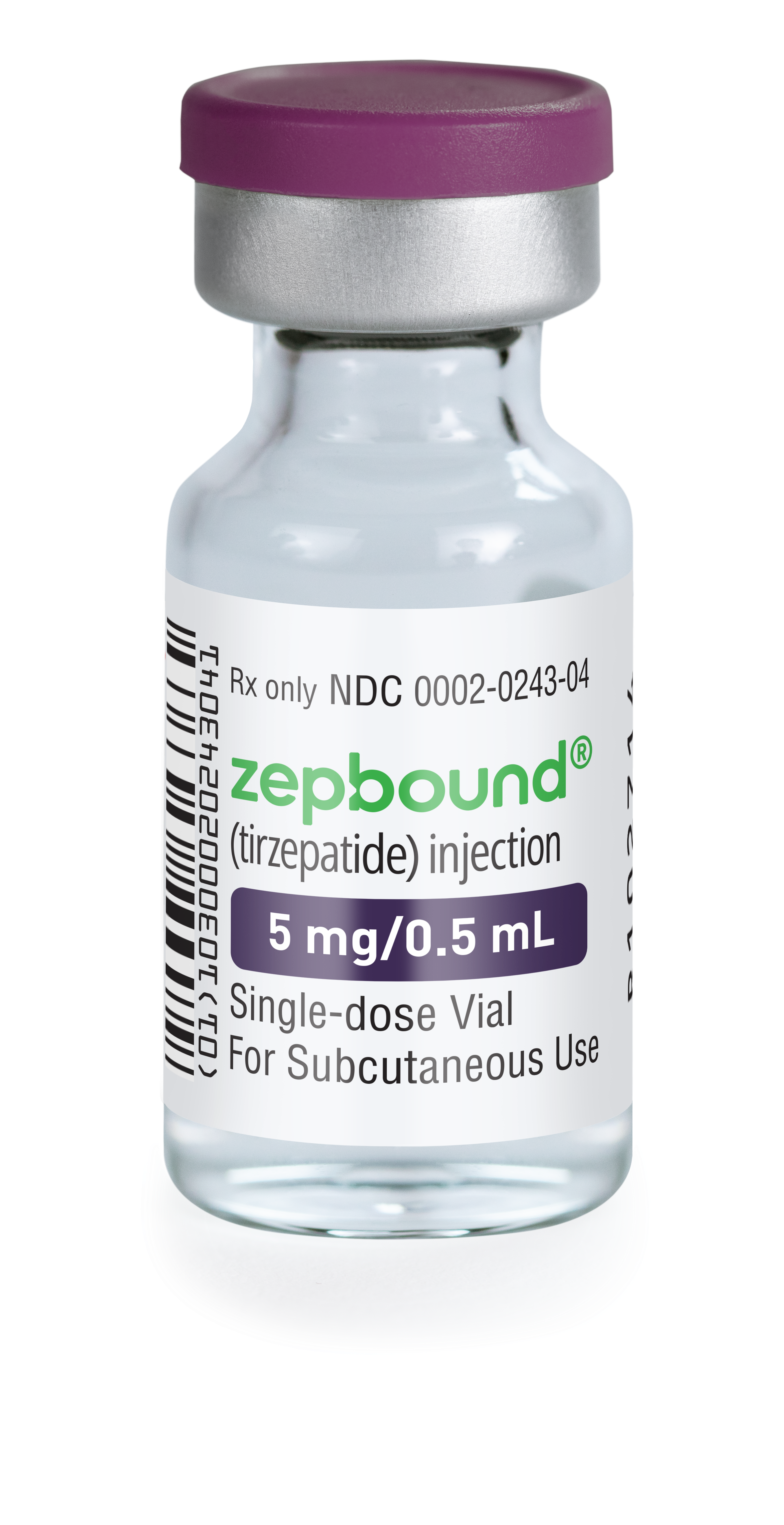
- Biologics Manufacturing: Tirzepatide is a peptide, a complex biological molecule. Its production involves sophisticated biotechnological processes, typically recombinant DNA technology in genetically modified host cells, followed by extensive purification. These processes require highly controlled environments and advanced bioreactors, representing a significant technological undertaking.
- Formulation Technology: Ensuring the stability, efficacy, and safe delivery of tirzepatide requires advanced formulation techniques. This includes developing appropriate buffers, stabilizers, and excipients to create a sterile injectable solution that can be stored and administered effectively.
- Pen Injector Technology: Zepbound is administered via a pre-filled pen injector. These devices are a testament to innovation in medical technology, designed for ease of use, accuracy, and patient comfort. They incorporate features like:
- User-Friendly Design: Simplified mechanisms reduce the complexity of self-injection, making it more accessible for patients.
- Dosing Accuracy: Pre-set doses ensure patients receive the correct amount of medication every time.
- Discreet and Portable: The pen format allows for convenient storage and administration, promoting adherence to treatment regimens.
- Reduced Injection Pain: Many modern pen injectors are designed with fine needles and mechanisms to minimize discomfort during injection.
The development of these advanced delivery systems is a critical technological component that enhances patient experience and compliance with Zepbound therapy.
Brand Perception and Market Impact of Zepbound
The “Brand” aspect is crucial for any new pharmaceutical product, and Zepbound is no exception. Its introduction, alongside its sibling drug Mounjaro (which shares the same active ingredient but is indicated for type 2 diabetes), has positioned it within a rapidly evolving market, influencing patient perception, healthcare provider recommendations, and the competitive landscape.
Building Trust and Credibility in a Crowded Market
The pharmaceutical industry is built on trust and scientific credibility. For Zepbound, the “brand” is not just a logo or a marketing campaign; it’s the sum total of its clinical evidence, the reputation of its manufacturer (Eli Lilly and Company), and the patient and physician experience.
- Leveraging Clinical Evidence: The brand power of Zepbound is intrinsically linked to the robust clinical trial data demonstrating its efficacy and safety for chronic weight management. This evidence forms the bedrock of physician confidence and patient trust.
- Manufacturer Reputation: Eli Lilly and Company has a long-standing reputation in the pharmaceutical sector, particularly in areas of metabolic diseases. This existing brand equity provides a foundation of trust for Zepbound.
- Differentiating from Competitors: The weight-loss medication market is increasingly competitive, with other GLP-1 receptor agonists gaining traction. Zepbound’s brand strategy must clearly articulate its unique selling proposition – the dual GIP/GLP-1 agonism and its demonstrated superior efficacy in clinical trials.
- Targeted Marketing and Education: The brand messaging for Zepbound focuses on empowering individuals to achieve sustainable weight loss and improve their overall health. This involves educating both healthcare providers and patients about the mechanism of action, benefits, and proper use of the medication. This also extends to building a positive patient journey and fostering a community around successful weight management.
The Broader Impact on the Pharmaceutical Brand Landscape
Zepbound’s introduction is reshaping the landscape of metabolic health treatments and influencing the strategies of other pharmaceutical companies.
- Validation of Dual-Agonist Approach: The success of tirzepatide validates the dual-agonist strategy for weight management and diabetes, likely spurring further research and development into similar multi-receptor targeting therapies.
- Increased Competition and Innovation: The strong performance of Zepbound will undoubtedly intensify competition, pushing other companies to accelerate their pipelines and develop even more effective and potentially differentiated treatments.
- Focus on Long-Term Chronic Disease Management: Zepbound reinforces the trend towards viewing obesity not just as a lifestyle issue but as a chronic disease requiring long-term medical management. This shifts the brand perception of weight-loss solutions towards sustained health outcomes.
- Ethical Considerations in Branding: As with any powerful new medication, the branding of Zepbound must navigate ethical considerations. Responsible marketing practices are crucial to avoid promoting unrealistic expectations or stigmatizing individuals. The brand’s commitment to patient well-being and scientific integrity is paramount.
The Financial Ecosystem Surrounding Zepbound
The “Money” aspect of Zepbound is multifaceted, impacting individuals seeking treatment, the pharmaceutical industry’s financial performance, and the broader economic implications.
The Cost of Treatment and Patient Affordability
The financial commitment for Zepbound is a significant consideration for patients and healthcare systems.
- High Cost of Novel Biologics: As a sophisticated biologic therapy, Zepbound is inherently expensive to develop and manufacture. This translates to a high price point for the medication, often making it a considerable financial burden for individuals.
- Insurance Coverage and Reimbursement: The accessibility of Zepbound is heavily dependent on insurance coverage. While clinical efficacy is paramount, payers’ decisions regarding reimbursement significantly influence who can afford the treatment. Factors like prior authorization requirements, step therapy protocols, and formulary placement play a critical role.
- Patient Assistance Programs: Pharmaceutical companies often offer patient assistance programs to help reduce out-of-pocket costs for eligible individuals. Understanding these programs is crucial for patients facing financial barriers to accessing Zepbound.
- Long-Term Cost-Effectiveness: While the upfront cost of Zepbound is high, its long-term cost-effectiveness is a key consideration for healthcare systems. By promoting significant weight loss and improving metabolic health, Zepbound has the potential to reduce the incidence of obesity-related comorbidities such as type 2 diabetes, cardiovascular disease, and sleep apnea. This can lead to substantial savings in healthcare expenditures over time.
Investment, Revenue, and Market Dynamics
From a financial perspective, Zepbound represents a significant commercial opportunity for its manufacturer and influences investment strategies in the pharmaceutical sector.
- Revenue Generation for Eli Lilly: Zepbound, along with Mounjaro, is projected to be a major revenue driver for Eli Lilly and Company. The success of these drugs significantly impacts the company’s financial performance and stock valuation.
- Investment in Research and Development: The substantial profits generated by successful drugs like Zepbound are reinvested into research and development for new therapies, creating a cycle of innovation. This can lead to further advancements in metabolic health and other therapeutic areas.
- Market Share and Competition: The introduction of Zepbound reshapes market share dynamics in the obesity and diabetes treatment sectors. Its competitive positioning impacts the revenue and strategic decisions of other pharmaceutical companies developing similar or alternative treatments.
- Economic Impact: Beyond direct revenue, the widespread adoption of effective weight management solutions like Zepbound can have broader economic impacts by improving workforce productivity, reducing disability claims, and lowering overall healthcare system costs.

Financial Tools and Strategies for Accessing Treatment
For individuals and healthcare providers, navigating the financial aspects of Zepbound requires utilizing various financial tools and strategies.
- Understanding Health Savings Accounts (HSAs) and Flexible Spending Accounts (FSAs): These pre-tax savings accounts can be used to pay for eligible medical expenses, including prescription medications, potentially reducing the overall financial burden.
- Comparing Insurance Plans: Understanding the nuances of different health insurance plans, including prescription drug coverage, is vital before starting Zepbound.
- Exploring Manufacturer Coupons and Discounts: Pharmaceutical manufacturers often provide coupons or discount cards that can reduce the copay for prescription medications.
- Advocacy and Policy: Patient advocacy groups and healthcare professionals play a role in advocating for better insurance coverage and equitable access to essential medications like Zepbound. Policy decisions at governmental levels can influence drug pricing, reimbursement policies, and ultimately, affordability.
In conclusion, “what is in Zepbound” is a question that opens up a complex and interconnected world. Beyond the active ingredients of tirzepatide, it encompasses the technological innovations that brought it to life, the careful construction of its brand identity in a competitive market, and the intricate financial ecosystem that governs its accessibility and impact. Understanding these interwoven threads provides a richer appreciation for Zepbound’s significance in modern medicine and its ripple effects across society.
aViewFromTheCave is a participant in the Amazon Services LLC Associates Program, an affiliate advertising program designed to provide a means for sites to earn advertising fees by advertising and linking to Amazon.com. Amazon, the Amazon logo, AmazonSupply, and the AmazonSupply logo are trademarks of Amazon.com, Inc. or its affiliates. As an Amazon Associate we earn affiliate commissions from qualifying purchases.