
The world of condiments has undergone a seismic shift. Once dominated by a singular, creamy emulsification, the pantry staple now boasts a vibrant and diverse landscape, with vegan mayonnaise leading the charge. This plant-based alternative has moved from niche curiosity to mainstream must-have, gracing sandwiches, dips, and dressings across countless tables. But as consumers increasingly scrutinize their food choices, a fundamental question arises: what exactly is in vegan mayo? Beyond the familiar creamy texture, understanding the core components of this popular spread is crucial for both consumers seeking informed choices and brands aiming to connect authentically with their audience.
For brands operating in the food sector, particularly those within the plant-based or health-conscious markets, a deep dive into the ingredients of vegan mayo is not merely an academic exercise; it’s a strategic imperative. It informs product development, shapes marketing narratives, and underpins brand identity. Whether a brand is launching its own vegan mayo, reformulating an existing product, or simply aiming to educate consumers, a clear and compelling understanding of these ingredients is paramount to building trust and market share. This exploration will delve into the foundational elements of vegan mayo, examining the scientific principles behind its creation, the diverse ingredient profiles that define its variations, and the strategic branding implications of these choices.
The Emulsification Engine: The Science of Creaminess Without Eggs
At its heart, mayonnaise is an emulsion – a stable suspension of two liquids that don’t naturally mix, in this case, oil and water. Traditional mayonnaise achieves this stability through the lecithin found in egg yolks, which acts as an emulsifier, allowing tiny droplets of oil to disperse evenly throughout the water-based components. Vegan mayo, by definition, omits eggs. Therefore, its success hinges on replicating this emulsifying power using plant-based ingredients. This scientific challenge has been met with ingenuity, giving rise to a variety of solutions that underpin the diverse offerings in the market.
Plant-Based Emulsifiers: The Unsung Heroes
The primary challenge in vegan mayo formulation is to find effective replacements for egg lecithin. Brands have explored and implemented a range of plant-derived ingredients that can bind oil and water molecules, preventing separation and creating that characteristic smooth texture.
-
Lecithin Sources: While egg yolks are rich in lecithin, plant-based sources like soy lecithin and sunflower lecithin are the most common substitutes. Soy lecithin, derived from soybeans, is a highly effective emulsifier and has been used for decades. However, with growing concerns about soy allergies and GMOs, sunflower lecithin has gained significant traction. It is extracted from sunflower seeds and is often perceived as a cleaner, more allergen-friendly option. Brands that opt for sunflower lecithin can leverage this perception in their marketing, positioning themselves as catering to a broader consumer base or those with specific dietary sensitivities. The choice of lecithin source can become a key differentiator in brand messaging.
-
Other Emulsifying Agents: Beyond lecithin, other ingredients can contribute to emulsification and texture. Starches, such as modified corn starch or potato starch, can absorb water and thicken the mixture, aiding in the stabilization of the emulsion. These starches, when properly processed, can mimic the mouthfeel and viscosity of traditional mayo. Additionally, certain proteins, like those derived from pea or fava beans, can also exhibit emulsifying properties, though they are less common as primary emulsifiers compared to lecithin and starches. Brands that highlight the use of “natural” or “plant-based” starches can appeal to consumers seeking less processed ingredients.
The Oil Backbone: Flavor, Texture, and Brand Perception
The choice of oil is arguably the most significant ingredient in any mayonnaise, vegan or otherwise. It not only provides the rich, fatty mouthfeel but also significantly influences the flavor profile and the overall health perception of the product. Brands carefully select their oils to align with their brand identity and target market.
-
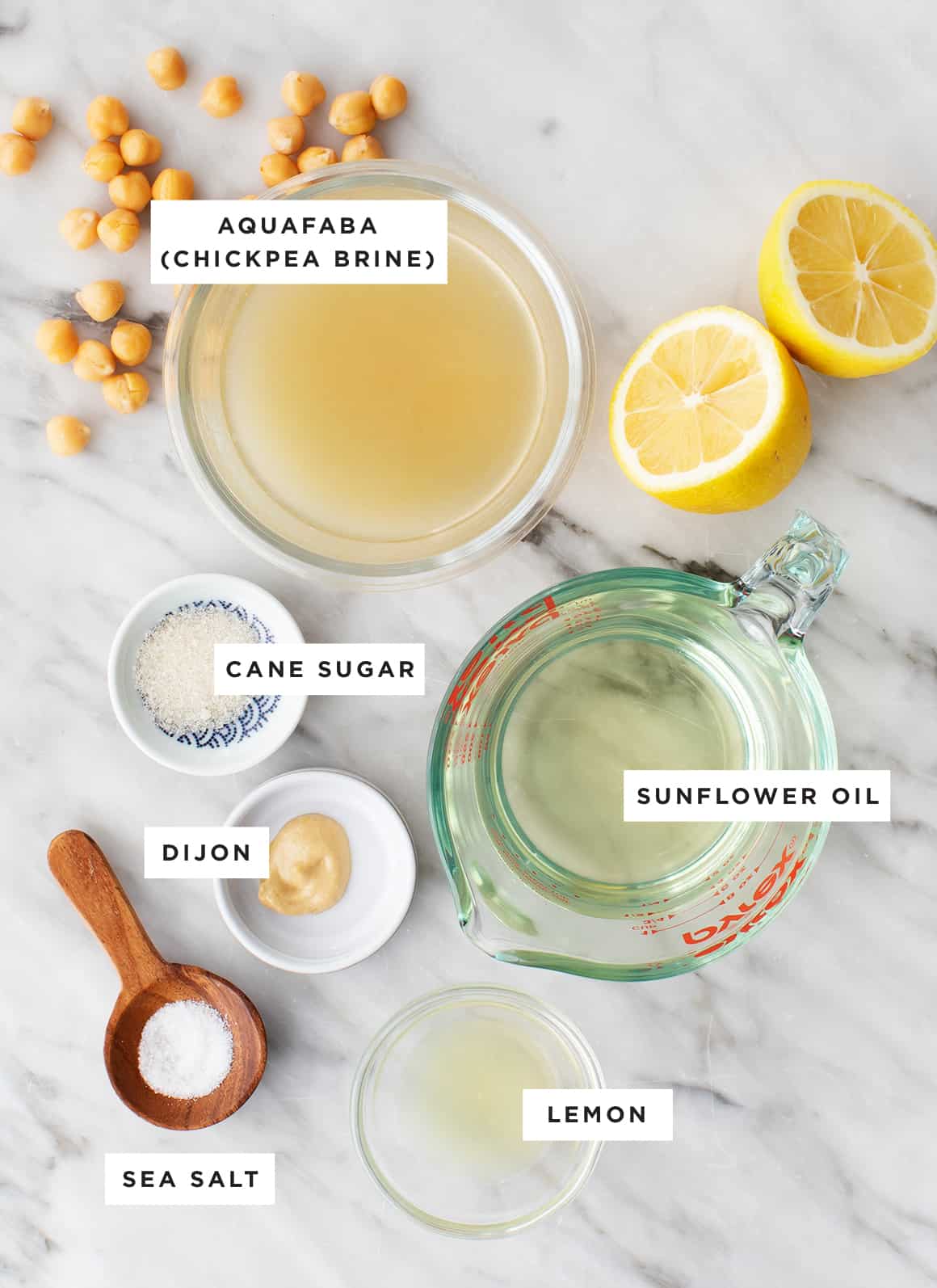
Neutral Oils: The most ubiquitous oils in vegan mayo are canola oil, soybean oil, and sunflower oil. These oils are chosen for their neutral flavor, which allows other ingredients to shine and ensures the mayo acts as a versatile base for various dishes. They are also cost-effective, contributing to the competitive pricing of many vegan mayo products. Brands that utilize these common oils often focus on their accessibility and versatility in their marketing.
-
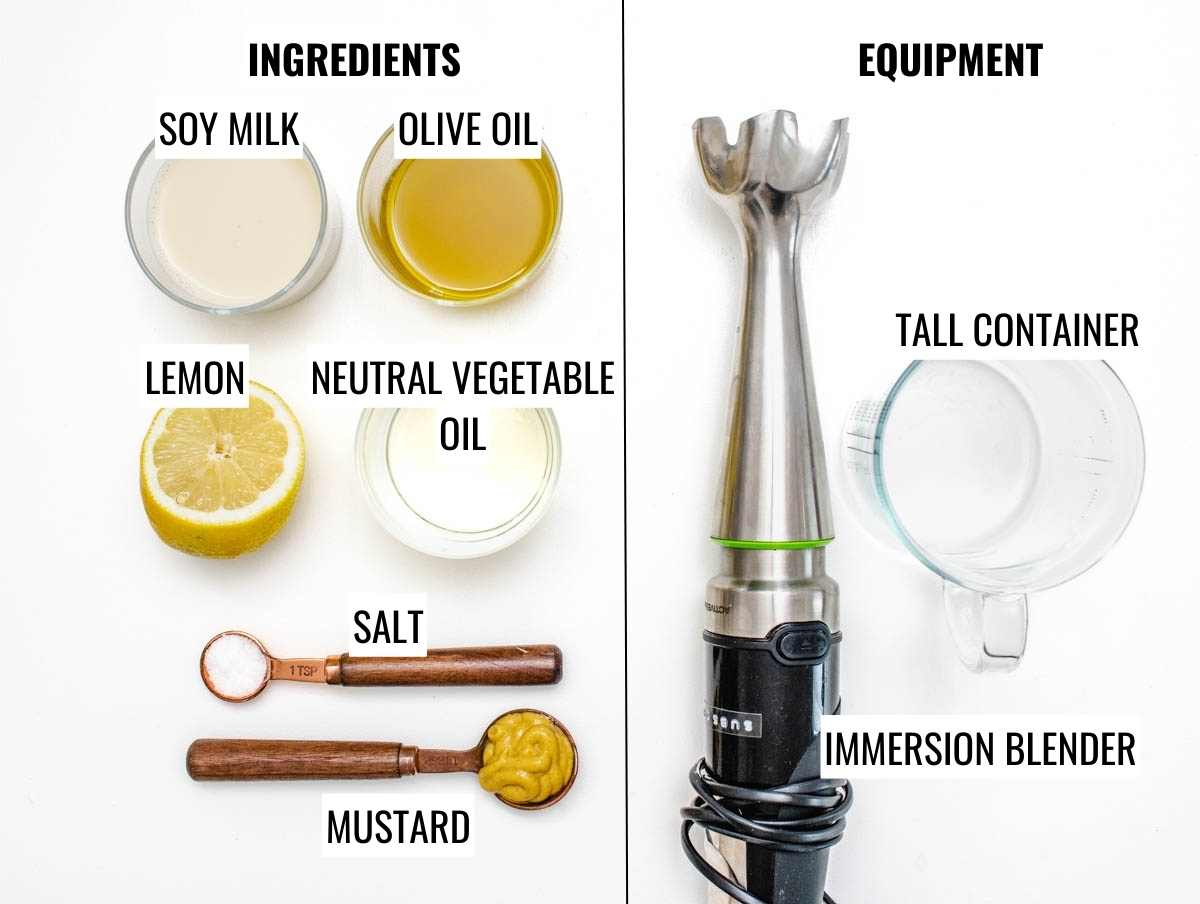
Premium and Specialty Oils: To differentiate themselves and appeal to discerning consumers, some brands incorporate avocado oil, olive oil, or rapeseed oil. Avocado oil, for instance, offers a creamy texture and a subtle, buttery flavor, often associated with a healthier fat profile. Olive oil, particularly extra virgin olive oil, imparts a distinct flavor that can be a selling point for specific culinary applications, but it can also be polarizing for some palates. Brands using these oils often position their products as premium, healthier, or more flavorful options, justifying a higher price point and targeting a more health-conscious or gourmet consumer. The “cold-pressed” or “extra virgin” designations on oil can be powerful branding tools.
Flavor Architects and Stabilizing Forces: The Supporting Cast
While oil and emulsifiers form the foundation, a medley of other ingredients plays a critical role in defining the taste, texture, and shelf-life of vegan mayo. These components are meticulously chosen by brands to achieve specific sensory profiles and meet consumer expectations.
Enhancing the Palate: Flavor and Acidity
The distinctive tang and savory notes of mayonnaise are crucial to its appeal. In vegan formulations, these flavors are achieved through a combination of ingredients that mimic the complexity of traditional mayo.
-
Vinegar: White vinegar and apple cider vinegar are the most common sources of acidity in vegan mayo. They provide the characteristic sharp, tangy flavor that cuts through richness and brightens other ingredients. The type of vinegar can subtly influence the flavor profile, with apple cider vinegar offering a slightly fruitier note. Brands may highlight their use of specific vinegars as a mark of quality or artisanal production.
-
Citric Acid: This natural acid, often derived from citrus fruits, is also frequently used to enhance tartness and act as a preservative. Its clean, bright acidity can be more consistent than vinegar, allowing for precise flavor control.
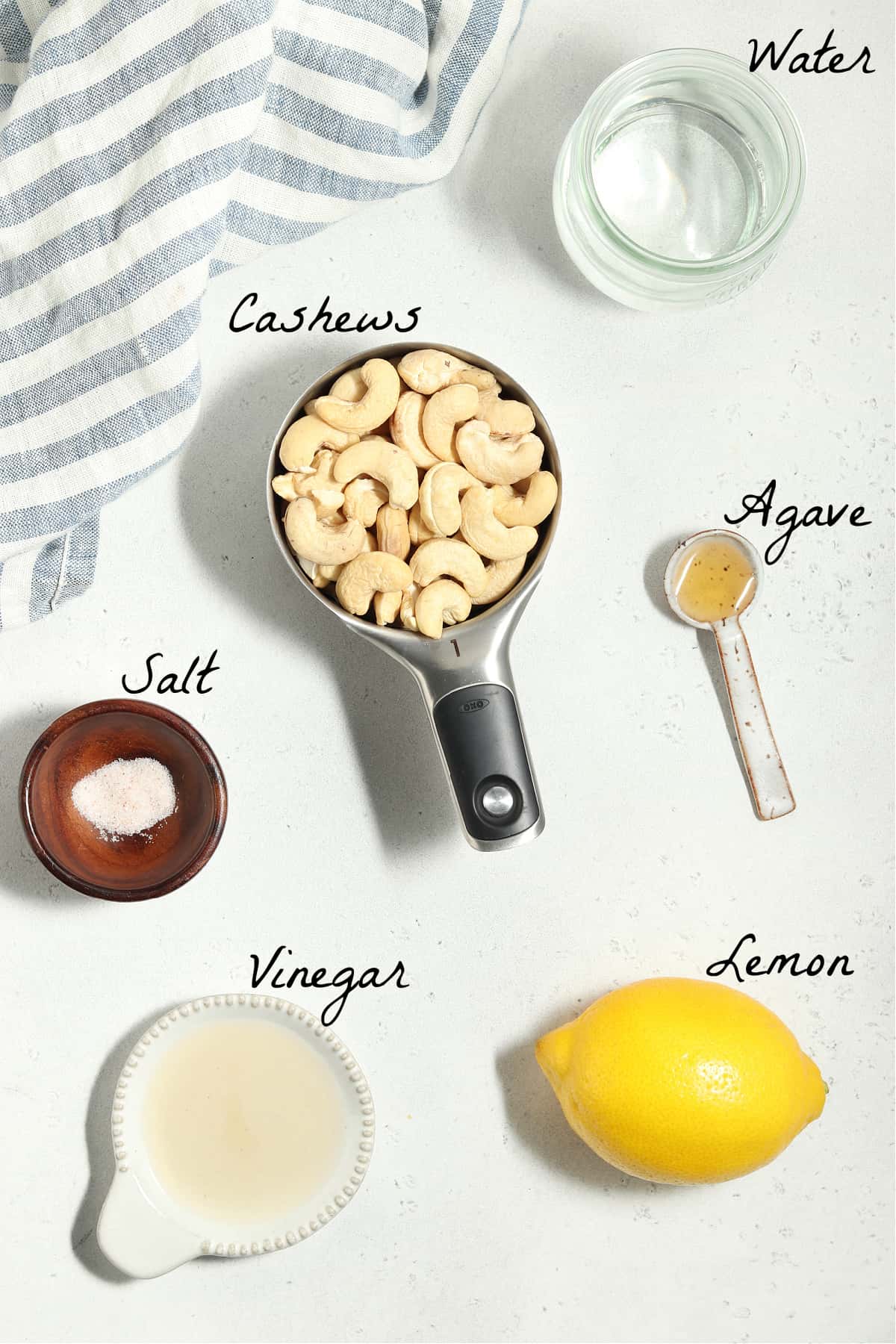
- Mustard and Spices: Mustard powder or Dijon mustard is a staple, contributing not only flavor but also a mild emulsifying effect and a subtle spice. Salt is essential for flavor enhancement, balancing the acidity and richness. Some brands might incorporate additional spices like garlic powder, onion powder, or paprika to create unique flavor profiles, further differentiating their product and appealing to specific consumer preferences. A “smoky paprika” flavor, for example, can be a strong selling point for a particular brand.
Texture Modifiers and Preservatives: Ensuring Quality and Longevity
Beyond taste, the texture and shelf stability of vegan mayo are paramount for consumer satisfaction and commercial viability. Brands employ various ingredients to achieve the desired consistency and ensure the product remains safe and appealing over time.
-
Thickeners and Stabilizers: As mentioned earlier, starches play a crucial role in thickening. However, other ingredients like guar gum or xanthan gum are also frequently used. These hydrocolloids are highly effective at increasing viscosity, preventing syneresis (the separation of liquid), and providing a smooth, stable texture that holds up well. Brands often promote their use of “natural gums” as a sign of quality.
-
Preservatives: To ensure food safety and extend shelf life, preservatives are often included. While some brands focus on “clean label” formulations that minimize artificial preservatives, common ingredients include potassium sorbate and sodium benzoate. These are effective at inhibiting the growth of mold, yeast, and bacteria. The choice of preservatives can be a sensitive area for brands, as consumer perception of “natural” versus “artificial” ingredients can heavily influence purchasing decisions. Brands that can achieve a good shelf life with fewer or more naturally perceived preservatives can gain a significant marketing advantage.
The Brand Narrative: How Ingredients Shape Identity and Appeal
In the competitive landscape of the food industry, the ingredients list of a product is far more than a regulatory requirement; it’s a powerful tool for brand building and consumer engagement. For vegan mayo, the specific components within the jar tell a story that brands actively shape to resonate with their target audience. Understanding these ingredient choices is key to understanding a brand’s strategy, its values, and its market positioning.
Clean Label and Natural Appeals: The Pursuit of Purity
A significant trend in the food market is the consumer’s demand for “clean labels” – products with fewer, more recognizable ingredients. Brands that can formulate vegan mayo with a shorter, simpler ingredient list, free from artificial colors, flavors, or preservatives, often find a receptive market. This is particularly true for brands targeting health-conscious consumers, families, or those with concerns about processed foods.
-
Highlighting “Natural” Ingredients: Brands that use ingredients like sunflower lecithin over soy lecithin, or rely on natural gums and vinegars, often make these choices a central part of their marketing narrative. Phrases like “made with simple ingredients,” “no artificial anything,” or “plant-based goodness” become powerful selling points. The brand’s commitment to these principles is communicated through packaging, advertising, and online content.
-
Allergen-Free Formulations: For brands aiming to cater to consumers with common allergies, such as soy or gluten, omitting these ingredients from their vegan mayo is a strategic decision. This allows them to tap into a larger market segment and position themselves as an inclusive and thoughtful choice. The absence of specific allergens becomes a primary feature, communicated clearly on the packaging and in marketing materials.
Health and Wellness Positioning: The Nutritional Narrative
While mayonnaise is often associated with indulgence, brands can leverage ingredient choices to position their vegan alternatives as healthier options. This involves focusing on the types of oils used and the absence of cholesterol and animal fats.
-
Fat Profiles and Heart Health: Brands might highlight the use of monounsaturated and polyunsaturated fats found in oils like canola, sunflower, and avocado. While all mayonnaise is high in fat, emphasizing the type of fat can be a way to subtly position the product as a more beneficial choice, especially when compared to traditional mayonnaise. Marketing messages may subtly allude to heart health or a more balanced diet.
-
Cholesterol-Free Advantage: The inherent absence of cholesterol in vegan mayo is a significant benefit that brands consistently promote. This appeals to consumers actively seeking to reduce their dietary cholesterol intake for health reasons. This “cholesterol-free” claim is often front and center on packaging and in advertising.
Taste and Texture as Brand Pillars: The Sensory Experience
Ultimately, for any food product, taste and texture are paramount. Brands invest heavily in research and development to ensure their vegan mayo delivers a superior sensory experience that rivals or even surpasses traditional versions.
-
Flavor Innovation and Variety: Beyond the classic flavor, brands differentiate themselves through innovative flavor profiles. This could include spicy varieties, herb-infused options, or even sweet variations for specific culinary uses. These unique flavor offerings allow brands to carve out niche markets and attract consumers looking for something beyond the ordinary. Flavor profiles become a key element of a brand’s unique selling proposition.
-
Achieving the “Perfect” Texture: The creamy, smooth texture is non-negotiable for most consumers. Brands that master this aspect of vegan mayo formulation often highlight their commitment to quality and the sophisticated science behind achieving this perfect emulsion. This focus on texture assures consumers that they are not compromising on the satisfying mouthfeel they expect from mayonnaise.
In conclusion, the ingredients within vegan mayo are far more than simple components. They are the building blocks of a product that has redefined a category and offered consumers a compelling alternative. For brands, understanding and strategically communicating these ingredients is not just about transparency; it’s about crafting an identity, building trust, and forging a connection with a discerning audience that values both taste and values. The journey from basic oil and water to a creamy, versatile condiment is a testament to innovation, and for brands, the story told by each ingredient is a crucial chapter in their success.
aViewFromTheCave is a participant in the Amazon Services LLC Associates Program, an affiliate advertising program designed to provide a means for sites to earn advertising fees by advertising and linking to Amazon.com. Amazon, the Amazon logo, AmazonSupply, and the AmazonSupply logo are trademarks of Amazon.com, Inc. or its affiliates. As an Amazon Associate we earn affiliate commissions from qualifying purchases.