
Truffle butter stands as a quintessential emblem of gourmet indulgence, a culinary enhancement that transforms ordinary dishes into extraordinary experiences. Yet, beyond its captivating aroma and rich flavor, lies a sophisticated economic narrative. Understanding “what is in truffle butter” from a financial perspective reveals not just its core ingredients, but also the intricate interplay of market forces, supply chain dynamics, pricing strategies, and consumer valuation that shape its existence and justify its premium status. This analysis delves into the financial implications of its components, the costs of production, and the market strategies that position it as a coveted item in the global food industry.
The Core Components and Their Market Value
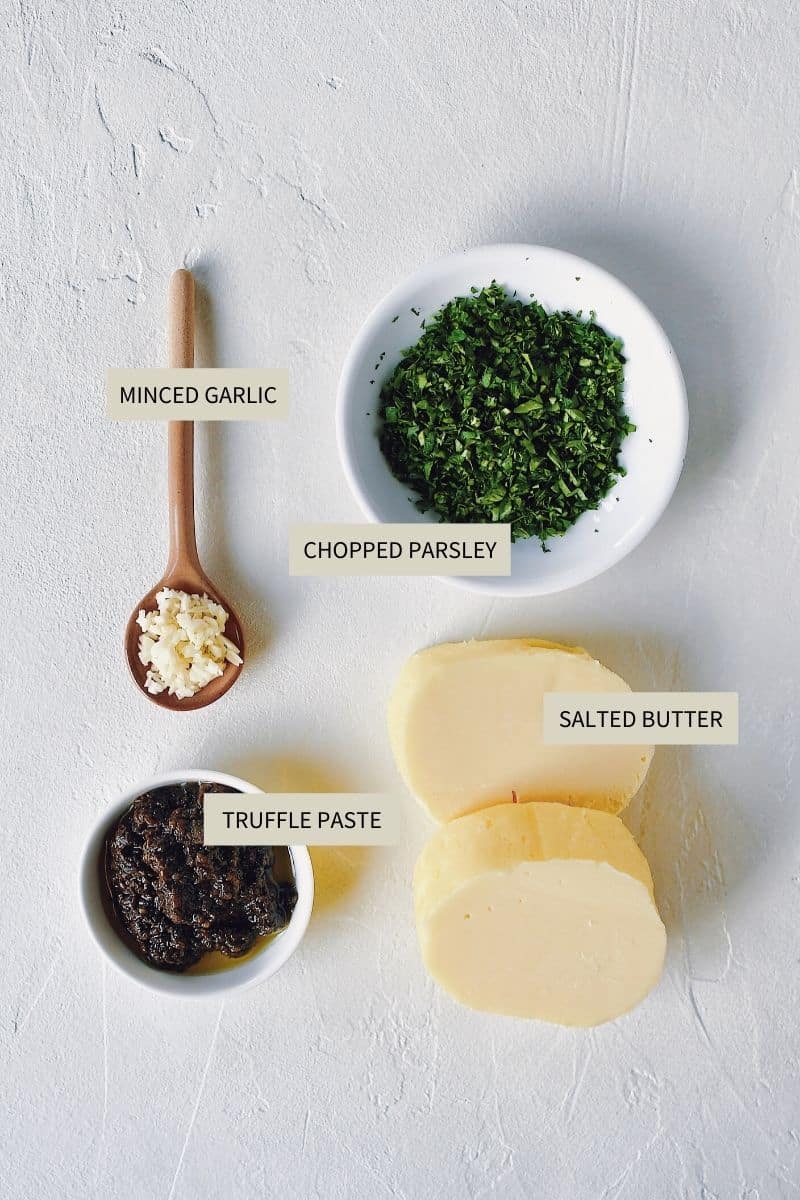
The essence of truffle butter lies in its two primary ingredients: truffles and high-quality butter. Each component carries its own significant financial weight and market dynamics, contributing directly to the final product’s premium price tag.
Truffles: The Black Gold of Gastronomy
Truffles are unequivocally the most influential factor in truffle butter’s cost. These subterranean fungi are among the most expensive food items globally, often referred to as “black gold” or “white diamonds” due to their rarity and intense flavor profiles.
- Rarity and Cost: The two most prized varieties, white truffles (Tuber magnatum pico) from Italy and black truffles (Tuber melanosporum) from France, are wild-harvested, primarily using trained dogs or pigs. Their cultivation is notoriously difficult and time-consuming, making truly farmed truffles a small fraction of the market. This scarcity drives prices exponentially higher than almost any other ingredient. White truffles, in particular, can fetch thousands of dollars per pound during peak season, while black truffles, though less expensive, still command hundreds.
- Sourcing Impact on Price: The origin and method of sourcing truffles significantly impact their financial valuation. Wild-foraged truffles from specific, renowned regions carry a higher premium due to their established quality and terroir. Conversely, truffles sourced from newer cultivation efforts or less prestigious regions might be marginally less expensive, but still reflect considerable investment in land, time, and specialized knowledge. The percentage of actual truffle used in the butter is a critical determinant of its value. Brands using a generous proportion of genuine truffles naturally incur higher material costs, which translates to a higher retail price, often appealing to a connoisseur market willing to pay for authenticity.
- Seasonal Fluctuations: Truffles are highly seasonal. White truffles are typically available from autumn to early winter, while black truffles are harvested from late autumn through early spring. This seasonality creates natural supply constraints, leading to predictable price surges during peak demand periods and potential shortages during off-seasons. Producers of truffle butter must navigate these fluctuations, either through strategic bulk purchasing and preservation (which adds cost) or by adjusting their production cycles.
Butter: The Foundation of Flavor and Price
While truffles dominate the discussion of cost, the quality of the butter base is far from negligible in the economic equation of truffle butter.
- Quality and Cost Premium: The choice of butter profoundly influences both the flavor profile and the final price. Premium truffle butters typically utilize high-fat, unsalted European-style butter, often derived from grass-fed cows. These butters are more expensive due to their superior fat content (typically 82% vs. 80% for standard butter), richer flavor, and often, artisanal production methods. Grass-fed butter, for instance, commands a premium due to its perceived health benefits and more sustainable farming practices.
- Regional Butter Markets: The global dairy market is complex, with regional price variations driven by local supply, demand, agricultural subsidies, and processing costs. A producer might choose a specific regional butter not just for its quality, but also for its consistent supply chain and favorable pricing structures.
- Role as a Carrier: Butter acts as the perfect fat-soluble medium for infusing and preserving the delicate aroma compounds of truffles. Its creamy texture and neutral-to-rich flavor profile allow the truffle’s essence to shine. Investing in high-quality butter ensures that the expensive truffle components are showcased effectively, justifying the overall premium and enhancing consumer satisfaction, which in turn supports repeat purchases and brand loyalty.
Production Costs and Profit Margins
The journey from individual ingredients to a finished jar of truffle butter involves several stages, each with its own financial implications that contribute to the final retail price and define potential profit margins.
Sourcing and Supply Chain Economics
The efficiency and integrity of the supply chain are critical to managing costs and ensuring product quality.
- Ethical Sourcing and Quality Control: Ensuring the authenticity and quality of truffles requires robust verification processes, often involving direct relationships with truffle hunters and rigorous testing. These quality control measures add to operational costs but are vital for maintaining a premium brand image. For butter, sourcing from reputable dairies that uphold high animal welfare and hygiene standards also comes with a cost.
- Logistics and Transportation: Truffles are highly perishable and require expedited, temperature-controlled shipping, often internationally. This specialized logistics significantly inflates transportation costs compared to more stable ingredients. Similarly, maintaining the quality of premium butter requires careful handling throughout the supply chain.
- Bulk vs. Artisanal Production: Larger manufacturers may achieve economies of scale through bulk purchasing of butter and truffles (or truffle derivatives). However, artisanal producers often prioritize smaller batches and meticulous hand-crafting, which inherently leads to higher unit production costs but allows for greater control over quality and differentiation in a niche market.
Manufacturing and Labor
Transforming raw ingredients into a gourmet product demands specific skills and infrastructure.
- Processing and Blending: The actual process of blending truffles into butter requires precise techniques to ensure even distribution of flavor and texture without overworking the butter. This typically involves specialized machinery for larger operations or skilled labor for artisanal batches.
- Packaging: Premium products like truffle butter necessitate high-quality, often aesthetically pleasing, packaging. Glass jars, custom labels, and secure seals contribute to the brand’s perception and are a significant line item in production costs.
- Labor Costs: Skilled food artisans capable of handling delicate ingredients and executing meticulous blending processes command competitive wages. For smaller operations, labor costs can represent a larger proportion of total expenses.
Branding and Marketing Investment
Beyond raw materials and production, significant financial investment goes into establishing and maintaining a brand’s presence in the competitive gourmet food market.
- Corporate Identity and Design: Developing a strong brand identity, including logo design, packaging aesthetics, and brand story, requires financial outlay for design agencies and intellectual property protection. This investment aims to convey luxury, quality, and authenticity, justifying a higher price point.
- Marketing and Sales: Reaching the target demographic of gourmet food enthusiasts involves various marketing expenditures: digital marketing campaigns, participation in food festivals, public relations efforts, and trade show appearances. These investments are crucial for building brand awareness, driving sales, and educating consumers about the value proposition of a premium product.
- Profit Margin Enhancement: Effective branding allows producers to command higher profit margins. Consumers are often willing to pay a premium for a trusted brand that consistently delivers quality and perceived value, creating a stronger competitive moat for the business.
Pricing Strategies and Consumer Perception of Value
The financial success of truffle butter hinges on carefully calibrated pricing strategies that resonate with its target market and effectively communicate its inherent value.
Premium Pricing and Market Positioning
Truffle butter is inherently a luxury item, and its pricing strategy reflects this positioning.
- Justifying the Premium: Producers leverage the high cost of truffles and quality butter to justify a premium price point. This is not just about covering costs; it’s also about signaling exclusivity and superior quality to the consumer. The higher price itself can become part of the product’s allure.
- Targeting Affluent Consumers: The market for truffle butter primarily consists of discerning consumers who prioritize unique culinary experiences and are less sensitive to price. Marketing efforts are tailored to reach this demographic through gourmet food stores, high-end restaurants, and specialty online retailers.
- Psychology of Luxury: In consumer psychology, a higher price is often associated with higher quality. This perception is particularly strong in the luxury food sector, where the “splurge” factor contributes to the overall enjoyment and perceived value of the product.
Value Engineering and Alternatives
The high cost of genuine truffles has inevitably led to the emergence of more budget-friendly alternatives, which present both opportunities and challenges for the market.
- Truffle Aroma and Oil: Many “truffle” products on the market, especially lower-priced truffle oils and some truffle butters, derive their aroma from synthetic compounds like 2,4-dithiapentane or natural truffle essences, rather than actual truffle pieces. These artificial or extracted aromas significantly reduce ingredient costs, making the product more accessible to a broader market.
- Impact on Market and Trust: While these alternatives expand the market for truffle-flavored products, they can dilute the perception of true truffle quality and sometimes lead to consumer disappointment if expectations are mismanaged. Brands using genuine truffles must clearly articulate their ingredient sourcing to differentiate themselves and maintain consumer trust in a crowded market.
- Financial Implications: For producers, using synthetic aroma offers higher profit margins due to drastically lower ingredient costs. However, it risks alienating purists and may limit brand growth in the ultra-premium segment. For consumers, these alternatives offer a more affordable way to experience “truffle flavor,” but the sensory experience is often distinct from that of genuine truffles.
Investment for the Consumer: Is it Worth the Splurge?
From the consumer’s perspective, purchasing truffle butter is a financial decision balancing cost against culinary experience and perceived value.
- Cost-Benefit Analysis: Consumers weigh the per-serving cost of truffle butter against the enhanced flavor it brings to a meal. For a special occasion or a desire to elevate home cooking, the investment might be deemed worthwhile.
- DIY vs. Commercial: Some culinary enthusiasts may consider making their own truffle butter to potentially save money, especially if they have access to fresh truffles. However, the cost of sourcing high-quality fresh truffles can be prohibitive for a single batch, making commercial truffle butter a more convenient and often more cost-effective option for occasional use.
- Experiential Value: A significant portion of the “value” in truffle butter is experiential. It’s about the aroma, the taste, the feeling of luxury, and the shared culinary moment. These intangible benefits often justify the financial outlay for consumers who value unique gastronomic pleasures.
Business Opportunities in the Gourmet Market
The high-value nature of truffle butter positions it within a vibrant gourmet market, offering unique business opportunities for those who understand its economic intricacies.
Niche Market Entry
The gourmet food sector, characterized by demand for high-quality, specialized products, offers fertile ground for entrepreneurial ventures.
- Identifying Gaps: Entrepreneurs can identify specific niches within the truffle butter market, such as organic, single-origin butter, or unique truffle variety combinations. Focusing on a distinct value proposition—be it exceptional quality, sustainable sourcing, or innovative flavor profiles—can carve out a profitable space.
- Financial Viability: While initial investment in high-quality ingredients and production can be substantial, the high-profit margins associated with premium products can make such ventures financially viable, provided there is a clear understanding of the target market and effective distribution channels.
Scaling and Distribution Challenges
Growing a gourmet food business like truffle butter production involves navigating significant financial and logistical hurdles.
- Maintaining Quality at Scale: Scaling production while consistently maintaining the artisanal quality that justifies the premium price is a common challenge. This often requires investing in specialized equipment and rigorous quality control protocols.
- Logistics of Distribution: Distributing a perishable, high-value product like truffle butter across wider geographical areas demands investments in cold chain logistics, specialized warehousing, and robust transportation networks. These costs can significantly impact the final retail price and require careful financial planning.
- Market Penetration: Successfully entering and expanding into new markets requires financial investment in sales teams, marketing campaigns, and building relationships with distributors and retailers. The rewards, however, can be substantial, leading to increased revenue streams and brand recognition.
Diversification and Ancillary Products
Savvy businesses in the gourmet market often diversify their product lines to maximize revenue and leverage their brand equity.
- Maximizing Ingredient Use: Truffle butter producers can extend their offerings to include other truffle-infused products such as truffle oil, truffle salt, truffle honey, or truffle sauces. This strategy allows them to utilize different grades of truffles, minimize waste, and broaden their appeal to various consumer segments.
- Cross-Selling and Up-Selling: By offering a range of truffle products, businesses can implement cross-selling strategies, encouraging customers who purchase truffle butter to also try other related items. This not only increases the average transaction value but also strengthens the brand’s position as a comprehensive provider of gourmet truffle products.
- Enhanced Revenue Streams: Diversification helps to mitigate risks associated with reliance on a single product and opens up multiple revenue streams, contributing to the overall financial health and sustainability of the business.
In conclusion, “what is in truffle butter” extends far beyond its simple ingredient list. It encompasses a rich financial ecosystem driven by the scarcity of truffles, the quality of its dairy base, meticulous production processes, strategic marketing, and the sophisticated palate of a discerning consumer base. Understanding these economic layers is crucial for anyone looking to appreciate, produce, or invest in this exquisite culinary treasure.
aViewFromTheCave is a participant in the Amazon Services LLC Associates Program, an affiliate advertising program designed to provide a means for sites to earn advertising fees by advertising and linking to Amazon.com. Amazon, the Amazon logo, AmazonSupply, and the AmazonSupply logo are trademarks of Amazon.com, Inc. or its affiliates. As an Amazon Associate we earn affiliate commissions from qualifying purchases.