
In an age saturated with digital content and on-demand entertainment, the simple question, “What is in theaters?” transcends a mere query about showtimes. It’s an invitation to explore a complex, evolving brand landscape where films, studios, and the very concept of cinematic exhibition vie for audience attention, loyalty, and their hard-earned dollars. Far from being a relic of a bygone era, the theatrical experience continues to evolve, relying heavily on astute branding strategies to define its unique value proposition amidst fierce competition. This article delves into how the cinema industry, from individual films to global exhibition chains, leverages branding to remain relevant, resonant, and indispensable in the modern entertainment ecosystem.
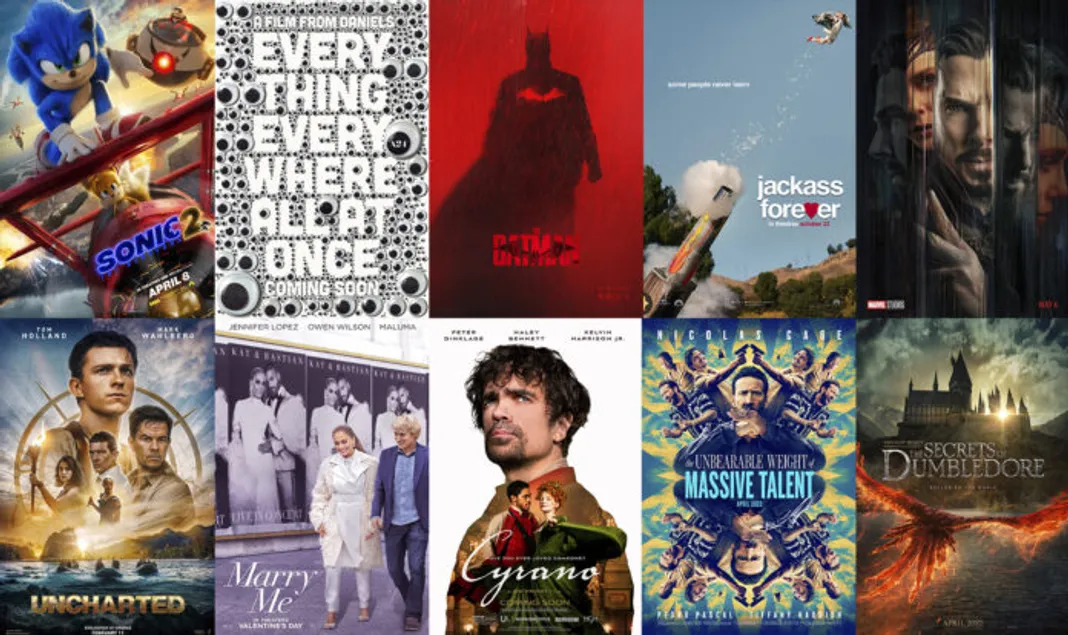
The Enduring Brand of Cinema: Why the Big Screen Still Matters
The allure of the cinema is more than just a large screen and booming sound; it’s a meticulously crafted brand experience. For over a century, “going to the movies” has represented a distinct social ritual, an escape, and a collective journey into storytelling. This enduring appeal is not accidental but the result of consistent branding efforts that emphasize the unique benefits and emotional connection offered by the theatrical setting.
The Experiential Brand Value
At its core, the brand of cinema is experiential. It offers an immersive sensory experience that streaming at home, however sophisticated, struggles to replicate. The darkened room, the hushed anticipation, the shared laughter or gasps, the towering visuals, and the perfectly calibrated sound system all contribute to a heightened emotional impact. This is the cinema’s unique selling proposition (USP) – an elevated, communal storytelling event. Branding efforts consistently highlight these aspects, positioning the theater as the premier destination for impactful narratives. Campaigns often focus on taglines that emphasize “the magic of the big screen,” “the way it was meant to be seen,” or “unforgettable moments, together.” These phrases are not just marketing slogans; they are foundational pillars of the cinema brand, designed to evoke a sense of exclusivity, grandeur, and communal joy.
Moreover, premium formats like IMAX, Dolby Cinema, and 4DX are not just technological upgrades; they are distinct sub-brands within the broader cinema umbrella. Each offers a specialized, enhanced experience, allowing consumers to choose the “version” of their cinematic journey. These premium brands command higher prices because they deliver on a promise of unparalleled immersion, catering to segments of the audience willing to pay more for an amplified, branded experience.
Curating the Cinematic Identity
Beyond individual film releases, cinema chains themselves cultivate distinct brand identities. From luxury dine-in theaters that brand themselves as upscale entertainment destinations to independent arthouse cinemas known for their curated selection and community focus, each exhibitor carves out a niche. AMC, Regal, Cinemark, and regional chains invest heavily in developing their corporate identity, loyalty programs, and amenities to differentiate themselves. Their branding extends to everything from their lobby design and concession offerings to their customer service ethos and online presence.
For instance, a chain might brand itself as family-friendly, offering matinée deals and kid-centric programming. Another might target cinephiles with foreign films, documentaries, and director Q&As. This curation of identity allows theaters to build specific communities and foster loyalty, transforming a transactional visit into a relationship with a trusted entertainment provider. The success of these brands hinges on consistently delivering on their promise, ensuring that the “what” in theaters aligns with their established identity and meets the expectations of their target audience.
Film as Product, Film as Brand: Crafting Distinct Identities
Each film released into theaters is not merely a product; it is a brand in itself, meticulously designed and marketed to capture specific audiences. From initial concept to post-release campaigns, filmmakers, studios, and distributors engage in a sophisticated branding exercise to create a unique identity for every movie.
Blockbuster Branding vs. Arthouse Appeal
The branding strategies for a Marvel superhero epic versus an independent drama are vastly different, yet equally critical. Blockbuster branding thrives on spectacle, scale, and broad appeal. Its identity is built around recognizable intellectual property (IP), star power, stunning visual effects, and a promise of exhilarating entertainment. Marketing campaigns are massive, utilizing trailers, posters, merchandise, and cross-promotional tie-ins to establish a pervasive presence. The brand message is often about escapism, heroism, and the ultimate theatrical event. For these films, the brand is designed to be undeniable, generating immense buzz and encouraging immediate attendance to avoid spoilers and participate in cultural conversation.
Conversely, arthouse and independent films rely on a more nuanced branding approach. Their identity is often rooted in critical acclaim, thematic depth, unique storytelling, and the vision of a specific director or ensemble cast. Their branding targets a more discerning audience, emphasizing originality, artistic merit, and thought-provoking content. Marketing might leverage film festival awards, glowing reviews from critics, and grassroots social media campaigns. The brand message is about discovery, intellectual engagement, and supporting cinematic artistry. While their budgets are smaller, their branding is no less vital, creating a distinct identity that attracts a dedicated niche audience.
The Power of Franchise Branding
One of the most potent forms of film branding is the franchise. Studios invest billions in developing cinematic universes (e.g., Marvel Cinematic Universe, Star Wars, James Bond, Fast & Furious) because they represent long-term, highly valuable brands. A franchise doesn’t just sell a single film; it sells an ongoing narrative, a universe of characters, and a promise of future installments. The brand identity of a franchise is built on consistency in tone, characters, and world-building, while also evolving to keep audiences engaged.
Franchise branding extends far beyond the screen, encompassing merchandise, video games, theme park attractions, and even fan conventions. Each touchpoint reinforces the brand, turning passive viewers into active participants in a sprawling branded experience. The power of franchise branding lies in its ability to cultivate deep loyalty and anticipation, making each new installment a must-see event for its dedicated fanbase. The “what is in theaters” question for a franchise fan is often not just about the specific film, but about what new chapter of their beloved brand is unfolding.
Star Power and Personal Branding in Film
Actors, directors, and even composers also function as powerful personal brands within the film industry. The “brand” of an actor like Tom Cruise or Zendaya can be a significant draw, irrespective of the specific film. Audiences trust certain stars to deliver a particular type of performance or a consistent level of quality. Their personal branding – often cultivated through social media, interviews, and public appearances – becomes intertwined with the film’s brand.

Similarly, directors like Christopher Nolan or Greta Gerwig have developed distinct directorial brands, known for their unique stylistic signatures, thematic explorations, and storytelling prowess. Their names on a film poster signal a specific type of cinematic experience, attracting audiences who are loyal to their artistic vision. This fusion of individual personal brands with the film’s brand creates a multi-layered appeal, enhancing marketability and drawing diverse segments of the audience.
Marketing the Theatrical Experience in a Digital Age: Strategies for Engagement
In an era dominated by digital platforms, effective marketing for “what is in theaters” requires sophisticated strategies that span traditional and new media. Studios and exhibitors must not only inform but also engage, persuade, and excite audiences to leave their homes and seek the communal magic of the cinema.
Omnichannel Marketing for Film Releases
Modern film marketing is inherently omnichannel, orchestrating a cohesive brand message across various touchpoints. This begins with early teaser trailers and poster reveals, designed to generate initial buzz and establish the film’s core brand identity. As release dates approach, full trailers, featurettes, interviews, and behind-the-scenes content proliferate across television, social media, and online news outlets. Print media, billboards, and bus wraps continue to play a role in creating a pervasive presence, reinforcing the brand identity in public spaces.
The key is consistency in messaging and visual identity. Every piece of marketing material, from a 30-second TV spot to an Instagram ad, must contribute to a unified brand image, clearly communicating the film’s genre, tone, and unique selling points. This coordinated effort ensures that no matter where a potential audience member encounters the film’s brand, they receive a consistent and compelling message.
Leveraging Digital and Social Platforms
Digital marketing and social media are indispensable tools for promoting theatrical releases. Studios create dedicated social media channels for their films, employing dynamic content – short clips, GIFs, character spotlights, interactive polls, and fan art – to engage audiences directly. Influencer marketing, where popular online personalities promote films, has become a powerful tactic to reach niche demographics. Hashtag campaigns are designed to trend, amplifying the film’s brand and fostering a sense of community among fans.
Furthermore, data analytics plays a crucial role. Studios meticulously track online sentiment, trailer views, and social media engagement to refine their marketing strategies in real-time. Personalized ads, targeted based on viewing habits and demographics, ensure that the right film brand is presented to the most receptive audience segments. This digital agility allows studios to react quickly to audience feedback, adjust their messaging, and maximize their reach in a crowded digital landscape.
The Role of Event Cinema and Premium Formats
To entice audiences into theaters, marketing often focuses on the “event” aspect of cinema. Premieres, limited-time engagements, director Q&As, and special anniversary screenings are branded as unique events that demand immediate participation. This strategy leverages the fear of missing out (FOMO) and the desire for exclusive experiences.
Marketing for premium formats like IMAX or Dolby Cinema specifically highlights the enhanced technological experience. Campaigns don’t just sell the film; they sell the way you’ll experience the film, emphasizing the bigger picture, clearer sound, and deeper immersion. These formats act as their own powerful brands, promising a superior sensory journey that justifies the premium ticket price and solidifies the cinema’s position as the ultimate destination for visual storytelling.
Beyond the Marquee: The Future of Cinema Branding: Adapting to Evolving Audiences
The future of “what is in theaters” lies in continuous adaptation and innovation in branding. As audience habits shift and competition intensifies, the cinema industry must evolve its brand identity to remain compelling and relevant.
Cultivating Community and Loyalty
Future branding efforts will increasingly focus on building and nurturing communities around the cinematic experience. Loyalty programs, often linked to mobile apps, offer personalized recommendations, exclusive content, and discounts, fostering a deeper relationship between the audience and the cinema brand. Beyond transactional benefits, successful brands will cultivate a sense of belonging, making the theater a social hub rather than just a screening venue. This could involve hosting fan meet-ups, themed movie nights, or interactive events that extend the film experience beyond the credits. The brand becomes not just about the movie, but about the shared passion for movies.
Diversification and Niche Branding
The cinema brand will continue to diversify, exploring new content forms and niche markets. Event cinema, broadcasting live concerts, opera, theatre, and sports, is an example of expanding the “what is in theaters” beyond traditional feature films. This allows theaters to brand themselves as multi-faceted entertainment venues, catering to a wider array of interests. Furthermore, niche branding for specific demographics – such as family-friendly programming, horror festivals, or documentary showcases – will become more pronounced, allowing theaters to precisely target and serve various audience segments with tailored branded experiences.

Sustainability and Social Impact as Brand Pillars
In an increasingly conscious world, sustainability and social impact are emerging as crucial brand pillars. Cinemas that demonstrate a commitment to environmental responsibility (e.g., reducing waste, energy-efficient operations) or engage in community outreach can enhance their brand reputation and appeal to values-driven consumers. Branding efforts that highlight these initiatives can differentiate theaters from competitors, positioning them not just as entertainment providers, but as responsible corporate citizens. This reflects a broader trend where consumers are more likely to support brands that align with their personal values, making ethical practices an integral part of the modern cinema brand identity.
In conclusion, “what is in theaters” is a question that opens a window into the dynamic world of brand strategy within the entertainment industry. From the overarching brand of the theatrical experience itself to the meticulous branding of individual films and the personal brands of their creators, every element plays a critical role in attracting and retaining audiences. As technology and consumer preferences continue to evolve, the ability of cinemas and studios to adapt, innovate, and consistently deliver a compelling branded experience will determine their enduring presence on the cultural stage.
aViewFromTheCave is a participant in the Amazon Services LLC Associates Program, an affiliate advertising program designed to provide a means for sites to earn advertising fees by advertising and linking to Amazon.com. Amazon, the Amazon logo, AmazonSupply, and the AmazonSupply logo are trademarks of Amazon.com, Inc. or its affiliates. As an Amazon Associate we earn affiliate commissions from qualifying purchases.