
The flickering lights, the booming sound, the collective gasps and cheers of a shared experience – these are the hallmarks of the movie theater, an institution that has captivated audiences for over a century. Yet, beneath the veneer of escapism and storytelling lies a complex, constantly evolving ecosystem of advanced technology that orchestrates every magical moment. Far from merely a dark room with a big screen, today’s cinemas are sophisticated technological marvels, pushing the boundaries of visual and auditory immersion. In an era dominated by high-definition home entertainment systems and ubiquitous streaming services, the modern movie theater distinguishes itself by offering an unparalleled spectacle, meticulously crafted by cutting-edge innovations that promise an experience simply unattainable elsewhere.

This article delves into the technological heart of the movie theater, exploring the sophisticated machinery and intricate systems that transform a simple viewing into a grand cinematic event. We will uncover the breakthroughs in projection and sound, examine the smart systems enhancing comfort and operations, and peer into the future of film technology, revealing how theaters continue to innovate to remain the ultimate destination for shared storytelling. Understanding “what is in the movie theaters” means appreciating the relentless pursuit of technological perfection that underpins every frame and every sound wave, ensuring that the magic of cinema endures.
The Evolution of Visual Grandeur: Projection Technology
The journey from early magic lantern shows to today’s breathtaking digital displays is a testament to humanity’s relentless pursuit of visual perfection. At the core of the cinematic experience, projection technology has undergone revolutionary transformations, continually striving for brighter, sharper, and more vibrant images that pull audiences deeper into the story.
From Film Reels to Digital Dominance
For decades, the standard 35mm film reel was the undisputed king of cinema. A tangible strip of celluloid, each frame etched with light-sensitive chemicals, held the movie’s essence. While iconic and possessing a certain organic quality, film projection came with inherent challenges: physical degradation from repeated showings, the logistical nightmare of shipping heavy reels globally, and the slight variations in image quality from one print to another. The maintenance of mechanical projectors and the skill required of projectionists were also significant factors.
The dawn of the 21st century heralded the digital revolution in cinema. Digital Light Processing (DLP) technology, pioneered by Texas Instruments, became the cornerstone of this shift. Digital Cinema Initiatives (DCI), a consortium of major Hollywood studios, established stringent standards for digital cinema (D-Cinema) projectors, ensuring consistent quality, security, and interoperability. This transition offered immense benefits: pristine image quality with no degradation over time, significantly reduced distribution costs, greater flexibility in programming, and the ability to project content without the need for physical media. The digital projector, essentially a highly specialized computer, now beams a data stream of pixels onto the screen, offering unparalleled consistency and reliability.
The Bright Future: Laser Projection and High Dynamic Range (HDR)
While digital projection offered clarity, the subsequent innovation of laser projection elevated visual grandeur to new heights. Traditional xenon lamps, though powerful, had limited lifespans, consumed significant energy, and offered a relatively constrained color spectrum. Laser projectors, particularly RGB (Red, Green, Blue) pure laser systems, address these limitations with spectacular results. They deliver incredibly high brightness, essential for large-format screens, and boast an expanded color gamut, capable of reproducing billions more colors than previous technologies. This results in images that are not only brighter but also more vivid, lifelike, and nuanced. Furthermore, laser systems offer superior contrast ratios, displaying deeper blacks and brighter whites, and are significantly more energy-efficient with much longer operational lifespans, reducing maintenance and operational costs.
Hand-in-hand with laser projection is High Dynamic Range (HDR) technology. HDR is not merely about brightness; it’s about the range of luminance and color information a display can reproduce. In an HDR-enabled cinema, the difference between the darkest shadow and the brightest highlight is dramatically increased, revealing intricate details that were previously lost. This translates to images with profound depth, realism, and a visual fidelity that closely mimics how the human eye perceives the real world. Premium formats like IMAX with Laser and Dolby Cinema are prime examples of theaters leveraging these combined technologies to deliver truly breathtaking visual experiences.
Beyond 2D: The Resurgence of Immersive Formats
While 2D remains the standard, the desire for greater immersion has driven innovations in alternative visual formats. Stereoscopic 3D, after an initial boom and subsequent dip in popularity, continues to be a feature in many theaters. Modern 3D technology, whether active (requiring battery-powered glasses that rapidly shutter) or passive (using polarized lenses), aims to enhance the perception of depth without inducing eye strain, creating a more convincing three-dimensional world on screen.
High Frame Rate (HFR) cinema, projecting at 48 or even 120 frames per second rather than the traditional 24fps, offers another avenue for visual immersion. HFR can provide incredibly smooth motion, particularly beneficial for action sequences or sweeping landscapes, lending a hyper-realistic clarity to the image. While it has faced some artistic debate regarding its aesthetic impact (some perceiving it as too “video-like”), its technological capability to deliver unprecedented motion clarity is undeniable. Furthermore, experimental multi-screen formats, like ScreenX (projecting on side walls as well as the main screen) and Barco Escape (an earlier attempt at a three-screen panorama), signify the industry’s continuous quest to expand the visual canvas beyond the traditional single frame.
Immersive Soundscapes: Beyond Stereo
The visual spectacle of cinema is only half the story; true immersion is impossible without an equally compelling audio experience. From the faint rustle of leaves to the deafening roar of an explosion, sound design guides emotions, builds tension, and grounds the audience within the narrative. Modern cinema sound systems are intricate networks of speakers and processors, meticulously tuned to create an enveloping auditory environment.
The Architectural Acoustics of Sound Design
Before any electronic signal touches a speaker, the physical space of the auditorium itself plays a critical role in sound quality. Architectural acoustics is the science and art of designing spaces for optimal sound. Movie theaters are carefully engineered to minimize unwanted echoes and reverberation, ensuring that sound is clear, precise, and consistent across every seat. This involves strategic placement of sound-absorbing materials (like acoustic panels and specially designed seating), reflective surfaces, and diffusive elements to break up sound waves. The shape of the room, the height of the ceilings, and even the materials used in construction are all carefully considered to create a “neutral” acoustic environment where the film’s soundtrack can be presented as intended, free from distracting room artifacts. Effective sound isolation is also paramount, preventing external noise from intruding and ensuring that loud action sequences in one auditorium don’t disturb a quieter film next door.
The Multi-Dimensional Audio Revolution: Dolby Atmos and DTS:X
For much of cinema history, sound progressed from mono to stereo, then to surround sound formats like 5.1 and 7.1, which place speakers around the audience at ear level. While effective, these systems still anchor sound to “channels.” The real revolution came with object-based audio technologies, primarily Dolby Atmos and DTS:X. These formats represent a paradigm shift by treating individual sounds (e.g., a helicopter, a voice, a gunshot) as “objects” that can be precisely placed and moved anywhere within a three-dimensional sound field, including overhead.
Dolby Atmos, for instance, can support up to 128 simultaneous audio objects and up to 64 speaker feeds, often incorporating arrays of speakers mounted on the ceiling. This allows sound designers to “steer” sounds with incredible accuracy, making a bird truly sound like it’s flying overhead, or rain appear to fall from above. The impact on immersion is profound, as sound becomes a dynamic, enveloping layer that perfectly complements the visuals, creating a heightened sense of presence and realism that older channel-based systems simply cannot replicate. DTS:X offers a similar object-based approach, providing flexibility in speaker layout and further enriching the three-dimensional sound experience.
Subwoofers and Sensory Bass: Feeling the Film
Beyond the full-range speakers that deliver dialogue and music, the deep, resonant frequencies of the LFE (Low Frequency Effects) channel are crucial for creating impact and tension. Large, powerful subwoofers are strategically placed within the auditorium, often hidden behind the screen or along the walls, to reproduce these low-frequency sounds. A well-designed subwoofer system doesn’t just make noise; it creates a physical sensation, allowing audiences to “feel” explosions, rumble, and deep musical notes in their chests. This tactile dimension adds another layer of immersion, directly engaging the audience’s physical senses.
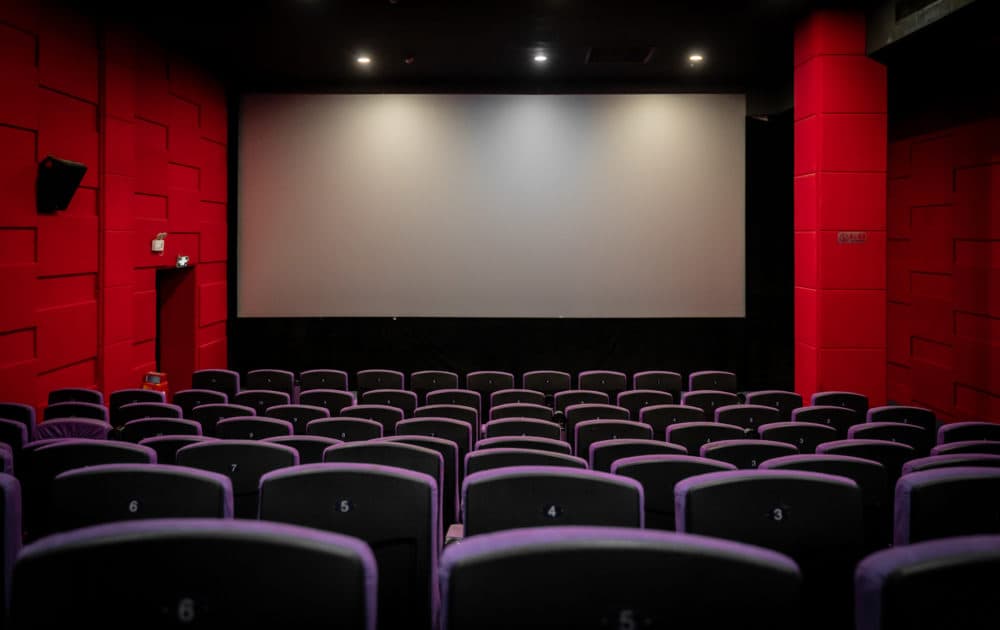
Some premium cinema experiences take this a step further with technologies like 4DX, which incorporates not just powerful bass but also motion seats that vibrate and move in sync with the on-screen action. While perhaps not universally adopted, these innovations highlight the industry’s desire to transcend purely auditory and visual stimuli, leveraging technology to engage the audience’s full sensory apparatus for an even more visceral cinematic encounter.
The Smart Cinema Experience: Operations and Comfort
The magic of cinema extends beyond the screen and speakers to the underlying technological infrastructure that manages operations, enhances convenience, and optimizes the overall patron experience. Modern theaters are increasingly adopting smart technologies to streamline everything from ticket sales to climate control, ensuring a seamless and enjoyable visit.
Digital Ticketing and Personalization
Gone are the days of long queues at the box office as the sole method of acquiring tickets. Digital ticketing has revolutionized access to cinema. Online booking platforms and dedicated mobile apps allow patrons to browse showtimes, select seats, and purchase tickets from anywhere, anytime. QR codes generated on mobile devices serve as digital tickets, speeding up entry and reducing physical contact.
Beyond mere convenience, these digital platforms enable a level of personalization previously impossible. AI-driven algorithms can analyze viewing history and preferences to recommend new films, suggest optimal showtimes, or offer personalized concession deals. Furthermore, sophisticated yield management software allows theaters to implement dynamic pricing, adjusting ticket prices based on demand, time of day, or specific screenings, optimizing revenue while offering flexibility to consumers. This integration of software and data analytics transforms the transactional aspect of movie-going into a more tailored and efficient experience.
Advanced Seating and Environmental Controls
Comfort is paramount, especially for longer feature films, and modern cinemas have invested heavily in sophisticated seating solutions. Premium formats often feature luxurious recliner seats, sometimes with individual tables or even call buttons for in-seat service. These seats are ergonomically designed for maximum comfort and may even include integrated heating or cooling elements. The selection of materials, from plush fabrics to durable leatherettes, is also a technological choice, balancing comfort, hygiene, and longevity.
Environmental controls within the auditorium are also highly advanced. Sophisticated HVAC (Heating, Ventilation, and Air Conditioning) systems are designed to maintain optimal temperature and humidity levels consistently throughout the large space, regardless of external weather conditions or audience size. Air quality sensors actively monitor CO2 levels and pollutants, automatically adjusting ventilation to ensure a fresh and comfortable breathing environment. Furthermore, intelligent lighting control systems manage both ambient and safety lighting, seamlessly dimming lights as the film begins and illuminating pathways for egress, all controlled by networked digital systems.
Concessions Reinvented: Tech-Enhanced Food & Beverage
The concession stand, a significant revenue driver for cinemas, has also embraced technology to improve efficiency and customer satisfaction. Self-serve kiosks equipped with intuitive touchscreens allow patrons to browse menus, customize orders, and pay autonomously, reducing wait times and freeing up staff for other tasks. Mobile ordering through theater apps enables patrons to place their food and beverage orders from their seats before or during the movie, often with options for in-seat delivery, providing a premium convenience.
Behind the counter, RFID (Radio-Frequency Identification) tracking systems help manage inventory, automatically alerting staff when supplies are low and streamlining restocking processes. Smart beverage dispensers can offer a wider variety of drinks and track consumption data. Data analytics tools are increasingly used to analyze sales trends, predict popular items, and optimize menu offerings and pricing strategies, ensuring that the right products are available at the right time. These technological integrations transform the humble snack bar into a high-tech food and beverage operation, enhancing both the customer experience and operational profitability.
Beyond the Screen: Emerging Technologies and the Future of Film
The cinematic experience is not static; it is a continuous evolution, with new technologies constantly emerging to redefine what’s possible. Looking beyond the immediate present, several innovative trends are poised to shape the future of what is “in the movie theaters,” integrating advanced computational power and connectivity to create even more dynamic and personalized encounters.
Virtual and Augmented Reality Integration
While full Virtual Reality (VR) cinema, where every audience member dons a headset, remains largely experimental, VR and Augmented Reality (AR) are finding their niches within the broader cinema ecosystem. Many theaters are exploring the integration of VR arcades or dedicated VR experiences as pre-show entertainment or standalone attractions within the multiplex lobby. These offer short, highly immersive content that complements the cinematic visit, adding another layer of digital engagement.
AR applications, utilizing patrons’ smartphones, could offer interactive experiences tied to movie posters, trailers, or even specific scenes. Imagine pointing your phone at a movie poster and seeing characters animate or accessing exclusive behind-the-scenes content. These technologies bridge the gap between the physical and digital, extending the film’s narrative and world beyond the confines of the auditorium. The potential for AR to enhance marketing, provide interactive storytelling elements, or even offer personalized information during a movie (e.g., subtitles in different languages via AR glasses) is immense.
AI in Content Creation and Distribution
Artificial Intelligence (AI) is already making inroads into various aspects of the film industry, from pre-production to distribution. In post-production, AI algorithms can assist with tasks like upscaling older footage to 4K, intelligent noise reduction, or even generating highly realistic visual effects. AI-powered tools can analyze scripts to identify potential issues or suggest optimal shot compositions.
On the distribution and exhibition side, AI is proving invaluable for audience analytics. By processing vast datasets of ticket sales, concession purchases, and online engagement, AI can help theaters predict box office success, understand audience demographics, and tailor marketing campaigns with unprecedented precision. AI can also optimize scheduling for film programming, allocating screens and showtimes based on predicted demand to maximize attendance and revenue. Furthermore, AI-driven automation can streamline back-end operations, from inventory management to predictive maintenance of complex projection and sound equipment, ensuring maximum uptime and efficiency.

The Hyper-Connected Cinema: IoT and Data Analytics
The concept of the “smart building” is increasingly being applied to movie theaters, transforming them into hyper-connected environments powered by the Internet of Things (IoT) and robust data analytics. Sensors embedded throughout the cinema can monitor everything: occupancy levels in various areas, temperature and humidity in real-time, the health status of projectors, sound processors, and HVAC units, even the functionality of individual seats.
This vast stream of data is aggregated and analyzed to provide actionable insights. For instance, data analytics can optimize energy consumption by intelligently adjusting lighting and climate control based on actual occupancy rather than fixed schedules. Predictive maintenance alerts can be generated when equipment shows signs of wear, preventing costly breakdowns during showtimes. Insights into pedestrian flow can inform lobby design or concession stand placement. Ultimately, the hyper-connected cinema leverages IoT and data to create a truly seamless and responsive environment for both patrons and operators, ensuring a high-quality, efficient, and consistently engaging cinematic experience.
In conclusion, “what is in the movie theaters” is a tapestry woven with advanced technology. From the mesmerizing brilliance of laser projection and the enveloping embrace of object-based audio to the intelligent systems managing comfort and convenience, every facet of the modern cinema is engineered to deliver an unparalleled experience. As technology continues its relentless march forward, pushing the boundaries of realism and immersion, the movie theater remains a vibrant testament to innovation, ensuring that the collective magic of shared storytelling on the big screen will continue to captivate audiences for generations to come. The future of film is not just about what stories are told, but how technology enables us to experience them with ever-increasing wonder.
aViewFromTheCave is a participant in the Amazon Services LLC Associates Program, an affiliate advertising program designed to provide a means for sites to earn advertising fees by advertising and linking to Amazon.com. Amazon, the Amazon logo, AmazonSupply, and the AmazonSupply logo are trademarks of Amazon.com, Inc. or its affiliates. As an Amazon Associate we earn affiliate commissions from qualifying purchases.