
When the average consumer asks, “what is in the grains food group,” they are typically looking for nutritional guidance. However, for the astute investor, business strategist, or commodity trader, the “grains food group” represents one of the most vital, liquid, and strategically important asset classes in the global financial market. Often categorized under the broader umbrella of “Grains and Oilseeds” in the commodities sector, this group comprises the primary biological fuels that power global populations and industrial supply chains.
Understanding the constituents of this group—ranging from wheat and corn to rice and oats—is essential for anyone looking to diversify their portfolio beyond traditional equities and bonds. These are not just dietary staples; they are high-stakes financial instruments traded on the world’s most sophisticated exchanges, including the Chicago Board of Trade (CBOT) and the Intercontinental Exchange (ICE).
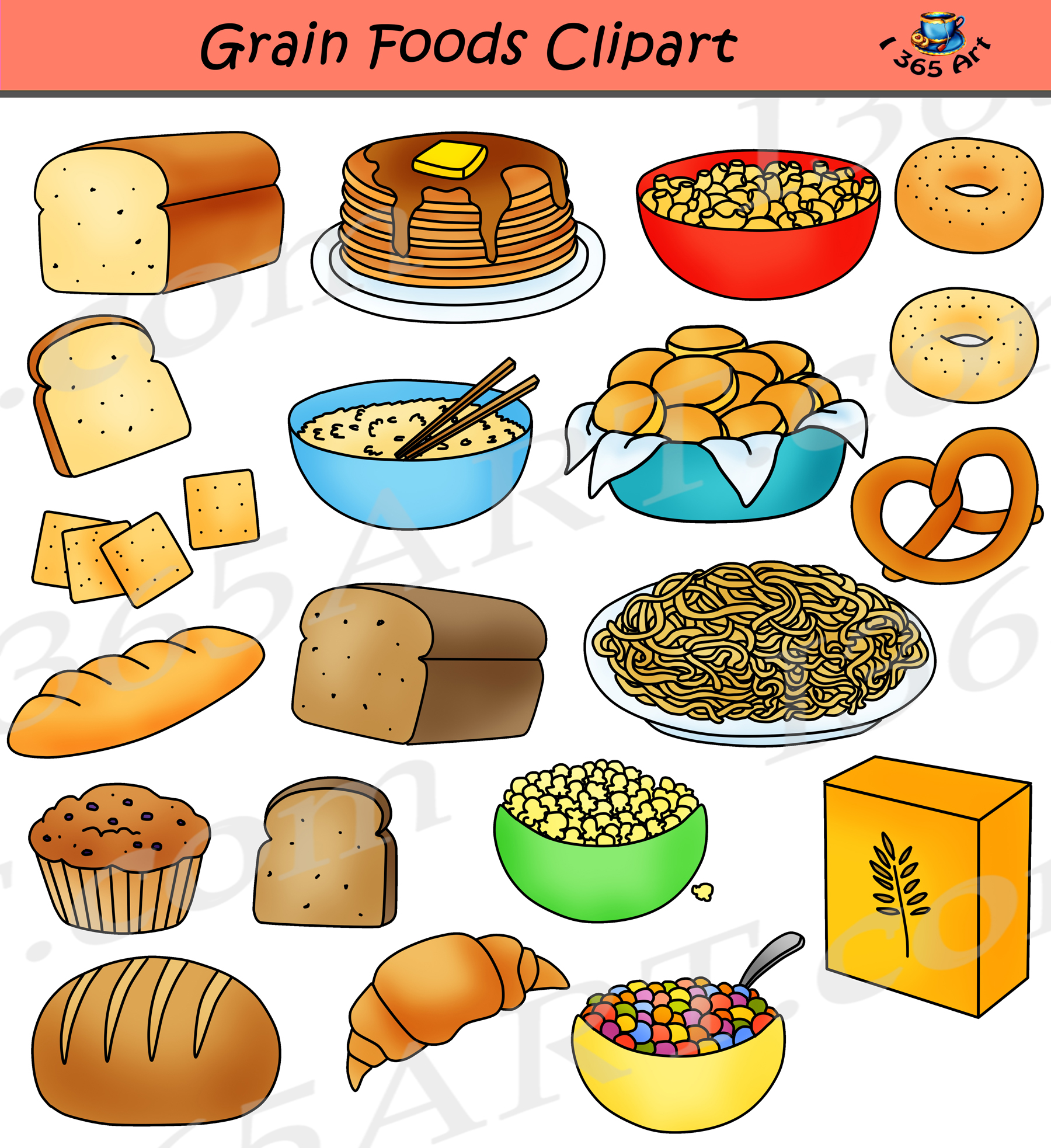
Identifying the Primary Commodities in the Grain Market
The grains group, from a financial perspective, is dominated by a few “heavy hitters” that dictate the movement of the agricultural sector. Each grain has its own supply-demand cycle, seasonal volatility, and geopolitical sensitivity.
Wheat: The Global Staple of Trade
Wheat is arguably the most politically sensitive grain in the food group. It is the primary ingredient for most of the world’s bread, pasta, and flour-based products. In the financial markets, wheat is categorized primarily by its “hardness” and “planting season.” For instance, Hard Red Winter (HRW) wheat and Soft Red Winter (SRW) wheat are two of the most heavily traded futures contracts.
From an investment standpoint, wheat is a hedge against geopolitical instability. Because significant portions of the world’s exportable wheat come from the Black Sea region, North America, and Australia, disruptions in these areas can lead to massive price spikes. Investors monitor “carry-over stocks”—the amount of wheat left over from the previous season—as a key indicator of future price movements.
Corn: The Industrial Powerhouse
Corn is the titan of the grains food group in terms of volume. In the United States, it is the largest crop produced, but its financial value extends far beyond the grocery store. Corn is a triple-threat asset: it is a food source, a primary livestock feed, and a critical component in energy production through ethanol.
The price of corn is intrinsically linked to the energy market. When crude oil prices rise, the demand for ethanol typically increases, pushing corn prices higher. Furthermore, as developing nations increase their meat consumption, the demand for corn as animal feed surges. This makes corn a pro-cyclical asset that reflects broader global economic growth.
Rice and Minor Grains: The Regional Economic Drivers
While wheat and corn dominate Western exchanges, rice is the cornerstone of the grains group in Asian markets and emerging economies. Trading rice is often more complex due to the variety of grades (long-grain, jasmine, basmati) and the heavy intervention of national governments in stockpiling.
Minor grains, such as oats, barley, and rye, represent niche but profitable opportunities for specialized commodity traders. Oats, for example, have seen a resurgence in financial interest due to the “plant-based” revolution, where the demand for oat milk has shifted the crop from a humble livestock feed to a high-margin consumer product ingredient.
The Economic Value Chain of the Grains Group
To understand the grains food group as a financial niche, one must look past the raw seeds and examine the entire value chain. Profits in this sector are not only made by growing grains but by processing, transporting, and hedging them.
Upstream Production and Input Costs
The beginning of the grain value chain involves the “input” economy. This includes companies that provide seeds, fertilizers, and machinery. For an investor, the grains food group starts here. When grain prices are high, farmers have more capital to invest in high-tech seeds (genetics) and precision agriculture machinery. This creates a secondary investment market in companies like John Deere or Nutrien.
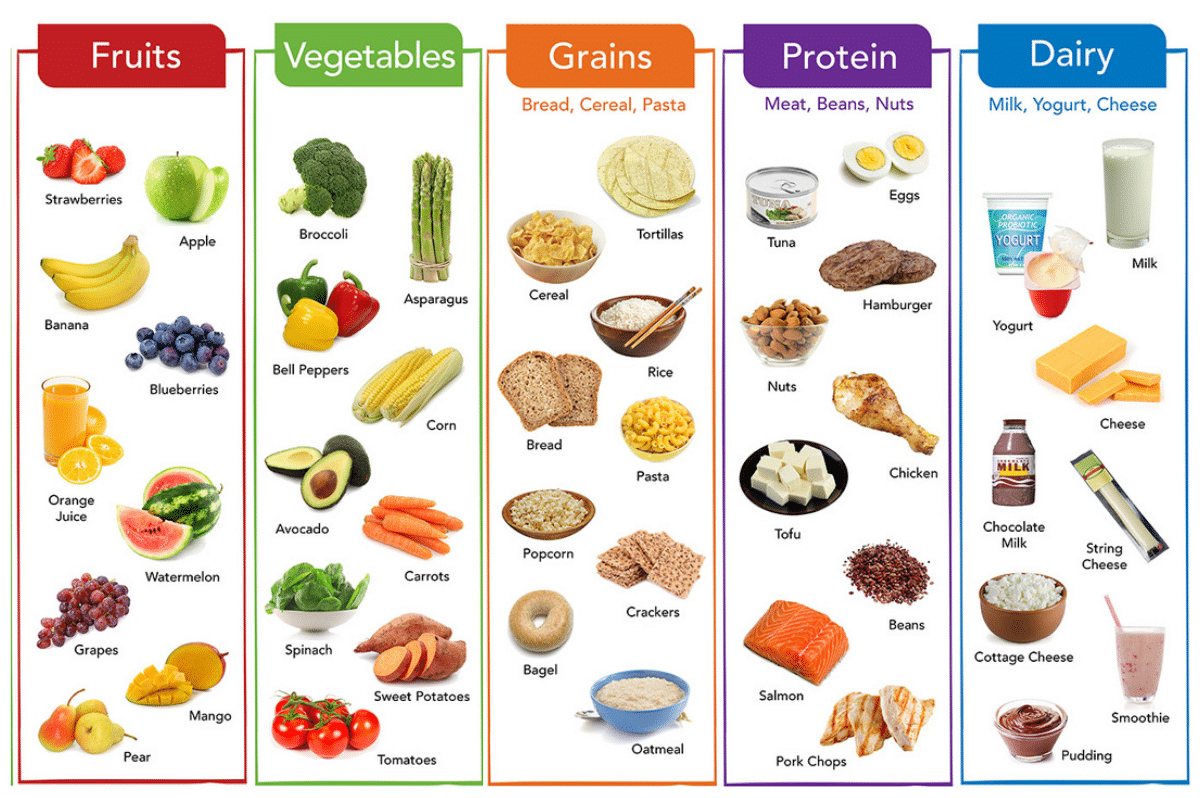
Input costs are the primary “overhead” for the grains group. The “crush spread” or the “input-output margin” determines the profitability of the entire sector. If the cost of nitrogen-based fertilizer (linked to natural gas prices) rises faster than the price of the grain itself, the entire food group faces a margin squeeze.
Midstream Processing and Storage Logistics
Once harvested, grains must be stored, transported, and processed. This “midstream” sector is dominated by the “ABCD” quartet of global agribusiness—Archer Daniels Midland, Bunge, Cargill, and Louis Dreyfus. These companies specialize in the “basis” (the difference between the local cash price and the futures price).
Storage is a critical financial component of the grains group. Grains are “storable commodities,” meaning they can be kept in silos for years. This allows for “contango” and “backwardation” in the markets. If the future price is significantly higher than the current price, companies can profit simply by buying the grain now and selling it at a guaranteed higher price in the future, minus the cost of storage.
Downstream Retail and Export Markets
The final stage is the conversion of raw grains into consumer-packaged goods (CPG). This is where the grains group intersects with brand equity and consumer staples. Companies like General Mills or Kellogg’s rely on stable grain prices to maintain their dividends. When the underlying “grains food group” experiences a price shock, these downstream companies must either absorb the cost or pass it on to consumers, which can lead to “shrinkflation” or decreased demand.
Investing in Grains: Strategies for Personal and Institutional Portfolios
For those looking to include the grains food group in their financial strategy, there are several entry points, each with varying levels of risk and capital requirements.
Commodity Futures and Options
The most direct way to gain exposure to grains is through the futures market. A futures contract is a legal agreement to buy or sell a specific grain at a predetermined price at a specified time in the future. This is the domain of professional traders and hedgers. Farmers use futures to lock in prices for their crops before they are even out of the ground, while speculators use them to profit from price movements. While highly liquid, futures involve significant leverage and are not for the faint of heart.
Exchange-Traded Funds (ETFs) and Equities
For the retail investor, Grains ETFs offer a more accessible route. Funds like the Teucrium Corn Fund (CORN) or the Teucrium Wheat Fund (WEAT) track the underlying futures prices without requiring the investor to manage a margin account.
Alternatively, investing in the “Ag-Equities” sector provides a way to capture the growth of the grains group through corporate profits. This includes seed companies, equipment manufacturers, and global grain processors. These stocks often provide dividends, adding a layer of passive income that raw commodity trading lacks.
Farmland as a Real Asset Investment
One of the most stable ways to invest in the grains food group is through the ownership of the land itself. Farmland has historically been a powerful hedge against inflation and has a low correlation with the stock market. Institutional investors and Real Estate Investment Trusts (REITs) like Gladstone Land Corporation allow investors to own a piece of the “factory” that produces the grains. As the global population grows and arable land becomes scarcer, the underlying value of the land that produces the grains food group is expected to appreciate.
Factors Influencing Global Grain Volatility
Investing in the grains food group requires an understanding of the unique volatility drivers that do not affect other asset classes like tech or crypto.
Geopolitical Disruptions and Trade Policy
Grains are often used as tools of diplomacy or weapons of war. Export bans, tariffs, and trade wars can move grain prices overnight. For example, if a major producer like Russia or the United States imposes an export tax to protect domestic food prices, the global supply shrinks, and prices on the international market skyrocket. Investors must keep a close eye on the “WASDE” (World Agricultural Supply and Demand Estimates) report, which is the “Gold Standard” of data released monthly by the USDA.

Environmental Factors and Climate Resilience
The grains food group is the only asset class that is entirely dependent on the weather. A “La Niña” or “El Niño” weather pattern can devastate harvests in Brazil or the U.S. Midwest, leading to a “supply shock.” Long-term investors are increasingly looking at “Climate Tech” within the grain sector—investing in drought-resistant seeds and irrigation technology to mitigate the financial risks of an increasingly volatile climate.
The grains food group is a foundational pillar of the global economy. By understanding what is in this group—not as ingredients, but as financial assets—investors can position themselves to benefit from the essential nature of these commodities. Whether through direct commodity trading, equity investments in agribusiness, or the long-term stability of farmland, the grains sector offers a diverse array of opportunities for building and protecting wealth. In an era of economic uncertainty, the one thing that remains constant is the global demand for the grains that sustain us.
aViewFromTheCave is a participant in the Amazon Services LLC Associates Program, an affiliate advertising program designed to provide a means for sites to earn advertising fees by advertising and linking to Amazon.com. Amazon, the Amazon logo, AmazonSupply, and the AmazonSupply logo are trademarks of Amazon.com, Inc. or its affiliates. As an Amazon Associate we earn affiliate commissions from qualifying purchases.