
The question “what is in spirit gum?” extends beyond a mere list of chemical components; it delves into the very essence of product design, formulation strategy, and how these choices sculpt a brand’s identity, market position, and enduring legacy in the specialized world of theatrical and cosmetic adhesives. For brands operating in this niche, the composition of spirit gum is not just a scientific formula, but a strategic blueprint that dictates performance, user experience, safety, and ultimately, a brand’s professional reputation.
The Foundational Formulation: Defining a Brand’s Core Product
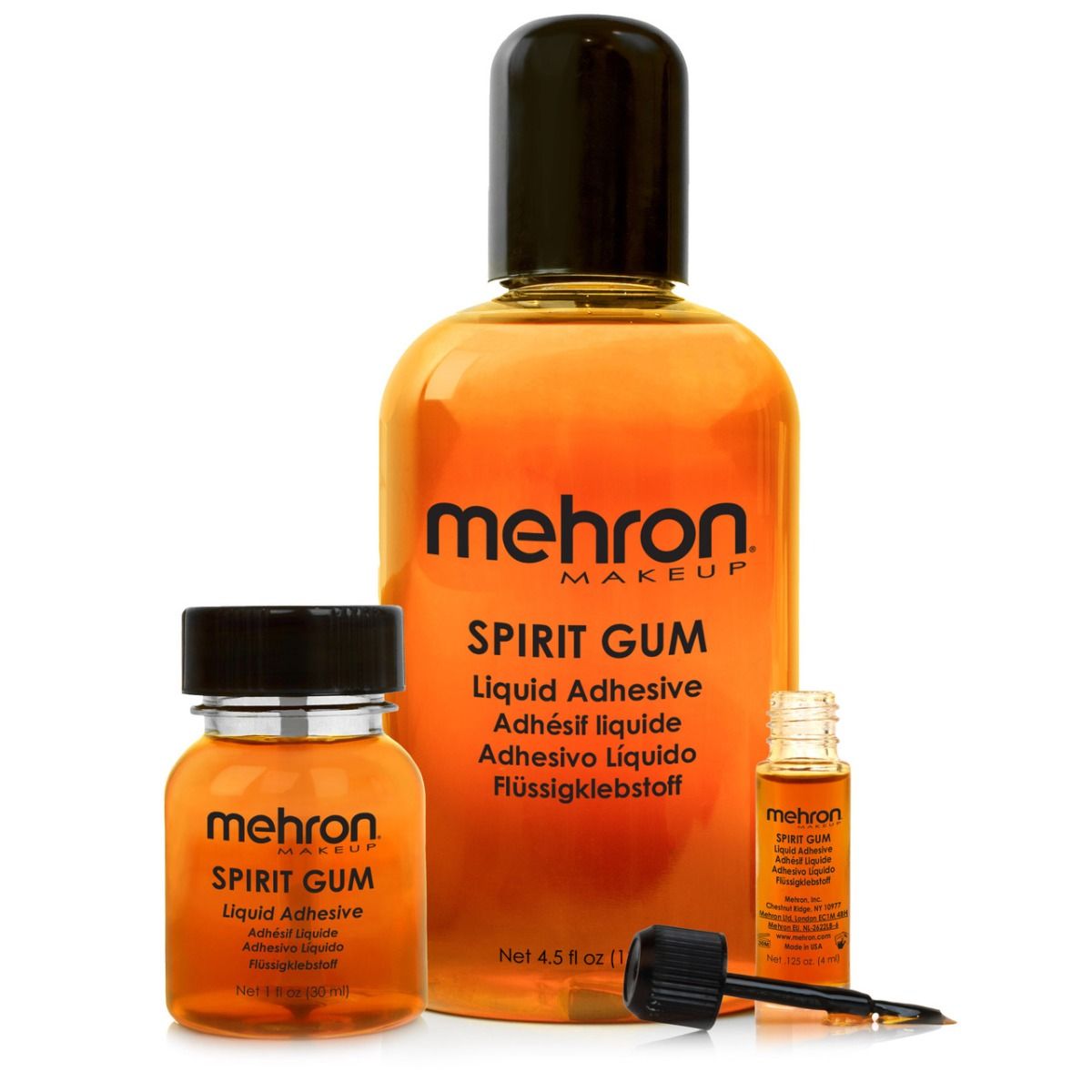
At its heart, spirit gum is a classic adhesive comprising a resinous substance dissolved in an alcoholic solvent. This seemingly simple combination is, in fact, a carefully balanced formulation, with each ingredient playing a critical role in the product’s function and, by extension, the brand’s promise. The specific types and ratios of these ingredients are proprietary decisions that significantly differentiate one brand of spirit gum from another, contributing to their unique corporate identity and appeal.
The Resins: Adhesion and Brand Performance
The primary adhesive component in spirit gum is typically a natural resin, historically derived from various plant saps. Gum copal, rosin (colophony), and dammar gum are common choices, each offering distinct adhesive properties, drying times, and film flexibility.
- Gum Copal: Known for its strong, durable bond, copal resins contribute to a spirit gum’s reputation for robust, long-lasting adhesion. Brands utilizing high-quality copal often position themselves towards demanding professional applications, signaling reliability and performance under duress.
- Rosin (Colophony): A versatile and cost-effective resin, rosin provides good tackiness and forms a relatively strong film. Brands might use rosin or its derivatives to achieve a balance between performance and affordability, broadening their market appeal to students, hobbyists, and theatrical groups with tighter budgets.
- Dammar Gum: Offering a more flexible and slightly less aggressive bond than copal, dammar can contribute to a spirit gum that is perceived as gentler on the skin, a key differentiator for brands targeting users with sensitive skin or applications requiring easier removal.
The choice of resin directly impacts the brand’s performance claims. A brand known for “extra-strong hold” or “all-day wear” is likely leveraging specific resin properties, carefully selected to meet these performance benchmarks and build trust within its target demographic.
Solvents: Application Experience and Safety Profile
The solvent is crucial for dissolving the resins, allowing the spirit gum to be applied as a liquid and then evaporating to leave the adhesive film. The most common solvents are various alcohols, particularly SD Alcohol (denatured alcohol) or Isopropyl Alcohol (IPA).
- SD Alcohol: Often used for its rapid evaporation rate, which allows for quick drying and faster application setup times. Brands prioritizing speed and efficiency in professional environments often formulate with faster-evaporating alcohols. However, the potential for skin drying or irritation can be a consideration, prompting brands to balance speed with gentler formulations.
- Isopropyl Alcohol (IPA): While also a fast-evaporating solvent, IPA can sometimes be perceived as slightly less drying than some SD Alcohol variants. Brands focusing on user comfort or extended wear might carefully select their alcohol blend to minimize discomfort while maintaining efficient drying.
Beyond alcohol, some modern formulations may incorporate other volatile organic compounds (VOCs) or blend alcohols to fine-tune drying times, viscosity, and film formation. The choice of solvent also directly impacts the product’s safety data sheet (SDS) and regulatory compliance, which are critical considerations for a brand’s corporate responsibility and market access. Brands aiming for a “professional grade” identity often invest heavily in robust testing and compliance to ensure their solvents meet rigorous safety standards.
Additives and Modifiers: Customization and Brand Differentiation
While resins and solvents form the core, various additives and modifiers are incorporated to enhance spirit gum’s properties, offering brands opportunities for significant differentiation.
- Plasticizers: Ingredients like castor oil or dibutyl phthalate can be added to improve the flexibility of the dried adhesive film, preventing cracking or flaking during facial movements. Brands targeting stage performers or special effects artists who require dynamic, expressive applications will emphasize this flexibility as a key product benefit.
- Antioxidants and Preservatives: These are crucial for extending shelf life and preventing degradation, ensuring consistent product quality over time. A brand’s commitment to durability and consistent performance is reflected in its preservation strategy.
- Fragrances: While less common in professional spirit gums, some consumer-oriented products might include mild fragrances to mask the strong alcohol smell, enhancing the user experience and contributing to a softer brand image.
- Skin Conditioners: To counteract the drying effects of alcohol, some newer, gentler formulations might include emollients or humectants. Brands that prioritize skin health and comfort often highlight these additions as a unique selling proposition, carving out a niche in the market for sensitive-skin users.
These additives are not merely functional; they are strategic choices that allow brands to tailor their product to specific market needs, communicate unique benefits, and ultimately, build a distinct brand identity.
Evolution of Spirit Gum Formulations and Brand Adaptation
The landscape of cosmetic and theatrical adhesives is dynamic, driven by technological advancements, changing consumer demands, and evolving regulatory environments. Brands that thrive demonstrate an ability to adapt their formulations, balancing tradition with innovation.
Early Innovations and Market Dominance
Historically, the initial formulations of spirit gum were revolutionary for their time, providing an unprecedented ability to apply prosthetics, wigs, and facial hair securely. Brands that emerged during these early periods often established their reputation through sheer functional superiority, becoming synonymous with the product itself. Their enduring legacy often lies in the reliability and foundational effectiveness of their classic formulations.

Responding to Consumer Needs: Hypoallergenic and Specialized Formulations
As market awareness of skin sensitivities grew, so did the demand for gentler products. Brands have responded by developing hypoallergenic spirit gums, often by substituting traditional resins with synthetic alternatives or using milder solvents. This strategic pivot allowed brands to capture new market segments and reinforce an image of user-centricity and care. Similarly, specialized formulations for different applications (e.g., water-resistant for performers, easy-peel for quick changes) further expand a brand’s portfolio, showcasing innovation and catering to diverse professional needs.
Sustainability and Ethical Sourcing as Brand Pillars
In contemporary markets, consumers and professionals increasingly demand transparency and ethical practices. Brands are now looking at the sustainability of their resin sourcing (e.g., responsibly harvested natural resins, synthetic alternatives to reduce environmental impact) and the ethical implications of their manufacturing processes. Incorporating sustainable ingredients or eco-friendly packaging can become powerful brand pillars, attracting environmentally conscious consumers and bolstering corporate identity as a responsible industry leader.
Spirit Gum’s Role in Theatrical and Special Effects Branding
Within the specialized realms of theatre, film, and special effects, spirit gum is more than just an adhesive; it is a critical tool that underpins creative integrity and execution. Its performance directly reflects on the artists’ work, making the choice of spirit gum brand a professional endorsement.
Professional Standard and Trust
Leading spirit gum brands have cultivated their reputations by consistently delivering high-performance products that meet the rigorous demands of professional use. For a makeup artist or prosthetics designer, selecting a trusted brand of spirit gum is an implicit guarantee of reliability, longevity, and predictable results. This professional trust is a cornerstone of a brand’s value proposition, built over years of consistent product quality and responsiveness to the specific challenges faced by industry practitioners. A brand’s formulation consistency is paramount here; professionals rely on knowing exactly how a product will behave under various conditions.
Innovation in Application and Removal
Beyond adhesion, brands also innovate in the application and removal experience. Products with fine-tipped applicators, brush-in-cap designs, or even novel removal solutions (e.g., oil-based removers that are gentler than alcohol) enhance the overall user journey. These thoughtful design choices, stemming from a deep understanding of user workflows, significantly contribute to a brand’s perceived professionalism and user-friendliness, solidifying its place in artist’s kits. A brand that provides a complete solution from adhesion to gentle removal differentiates itself by offering a holistic, superior experience.
Crafting Identity: How Ingredients Shape a Brand Narrative
Ultimately, the ingredients in spirit gum are not just chemical compounds; they are the building blocks of a brand’s narrative, shaping its identity, guiding its marketing, and influencing its market perception.
Quality Assurance and Brand Reputation
A brand’s commitment to ingredient quality, rigorous testing, and consistent manufacturing processes directly translates into its reputation. Brands that openly communicate their quality control measures, ingredient sourcing practices, and adherence to safety standards build a strong foundation of trust. This transparency reinforces their corporate identity as reliable and responsible manufacturers, crucial in an industry where product failure can have significant professional consequences.
Marketing the Magic: Communicating Formulation Benefits
Effective marketing goes beyond simply listing ingredients; it translates the technical aspects of the formulation into tangible benefits for the user. A brand might highlight a “flexible, crack-resistant formula” (due to plasticizers), an “extra-strong, long-lasting hold” (high-quality resins), or a “gentle, skin-friendly solution” (milder solvents and skin conditioners). These benefit-driven messages allow brands to resonate with their target audience, solving specific pain points and positioning their product as the ideal choice for various applications. This narrative is crafted from the very molecules within the bottle.
Beyond the Bottle: The Experiential Brand
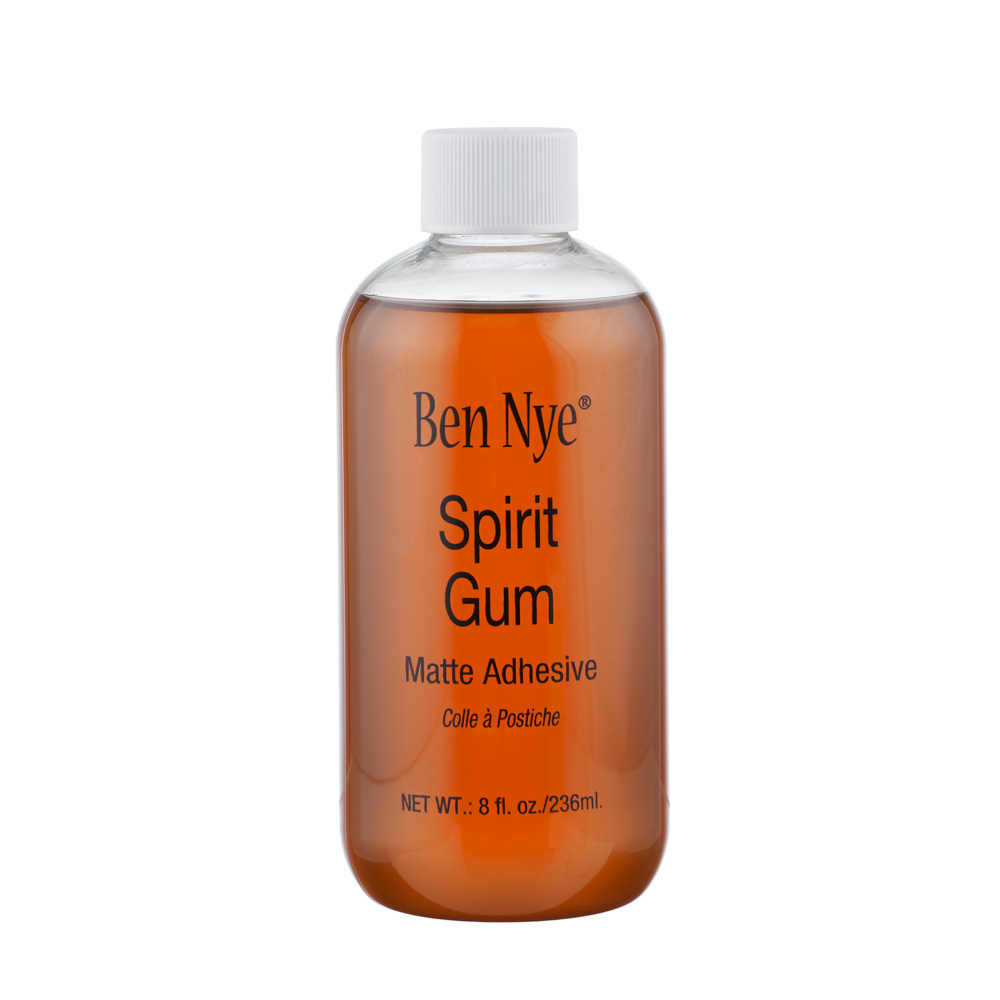
The spirit gum experience extends beyond its functional properties. It encompasses the ease of application, the comfort during wear, and the simplicity of removal. Brands that successfully manage these experiential touchpoints, often through thoughtful formulation choices and innovative product design, create a loyal customer base. This holistic experience becomes part of the brand’s identity—a promise of not just adhesion, but of reliability, comfort, and professional satisfaction. The very composition of “what is in spirit gum” is thus intrinsically linked to the brand’s ability to deliver on this multifaceted promise.
aViewFromTheCave is a participant in the Amazon Services LLC Associates Program, an affiliate advertising program designed to provide a means for sites to earn advertising fees by advertising and linking to Amazon.com. Amazon, the Amazon logo, AmazonSupply, and the AmazonSupply logo are trademarks of Amazon.com, Inc. or its affiliates. As an Amazon Associate we earn affiliate commissions from qualifying purchases.