
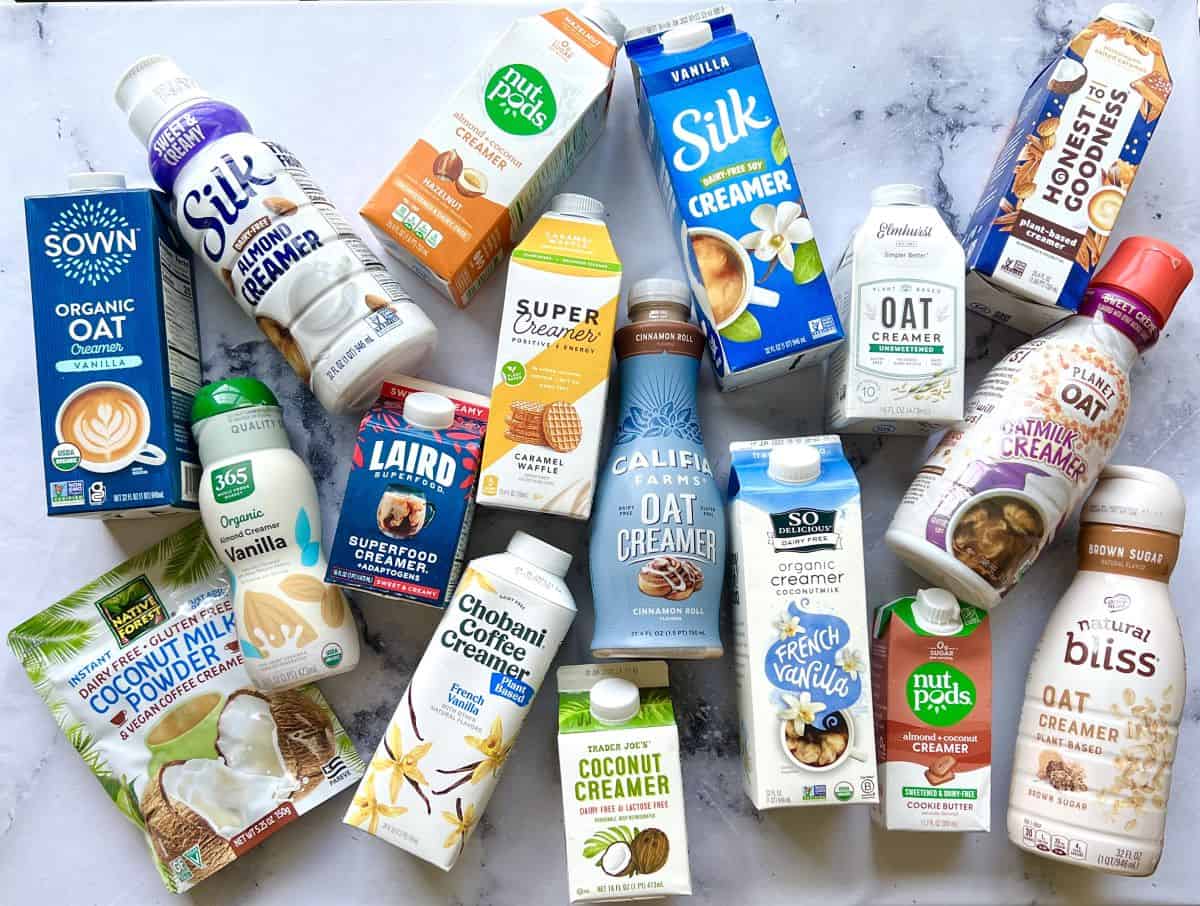
The humble coffee creamer, once a straightforward dairy product, has undergone a significant transformation. The rise of non-dairy alternatives has not only diversified our morning routines but also created a complex and dynamic market landscape. Understanding “what is in non-dairy coffee creamer” goes beyond a simple ingredient list; it delves into the innovative science behind these formulations, the sophisticated branding and marketing efforts that drive their appeal, and the strategic positioning that carves out market share against established dairy giants. For brands, non-dairy coffee creamers represent a potent blend of consumer demand, product development, and brand storytelling.
The Science of Substitution: Engineering Flavor and Texture Without Dairy
The core challenge in creating a successful non-dairy coffee creamer lies in replicating the desirable sensory attributes of traditional dairy cream – its smooth texture, rich mouthfeel, and ability to blend seamlessly without curdling. This requires a deep understanding of food science and a strategic selection of ingredients that mimic these qualities. The innovation within this category is a testament to sophisticated product development, where brand differentiation often hinges on the perceived purity and efficacy of their ingredient choices.
Emulsification and Stability: The Backbone of Creaminess
Dairy cream naturally contains fats and proteins that emulsify effectively in hot liquids, creating a stable, creamy suspension. Replicating this without dairy necessitates the use of carefully chosen emulsifiers and stabilizers. Often, plant-based oils like coconut oil, palm oil, or canola oil are used to provide the necessary fat content. However, these oils don’t naturally disperse well in water. This is where emulsifiers, such as lecithin (often derived from soy or sunflower), come into play. Lecithin molecules have both water-attracting and oil-attracting ends, allowing them to bridge the gap between the oil and water phases, creating a stable emulsion.
Stabilizers, such as gums (e.g., carrageenan, gellan gum, xanthan gum) or cellulose derivatives, are crucial for preventing separation and maintaining a consistent texture over time. These ingredients bind water, thicken the liquid slightly, and prevent creamer droplets from coalescing and separating out in hot coffee. For brands, the choice of emulsifier and stabilizer can significantly impact the perceived quality and mouthfeel, becoming a point of subtle differentiation in their marketing. A “smoother,” “richer,” or “more natural” texture often stems from the precise interplay of these scientific components.
Sweeteners and Flavorings: Crafting the Palate Experience
Beyond texture, flavor is paramount. Non-dairy creamers are typically sweetened to enhance palatability. Cane sugar is a common choice, but brands also leverage other sweeteners like corn syrup solids, maltodextrin, or, for sugar-free options, artificial sweeteners such as sucralose or aspartame, and natural low-calorie sweeteners like stevia or monk fruit. The selection of sweeteners allows brands to target specific consumer preferences, from those seeking indulgent sweetness to health-conscious individuals opting for reduced-sugar or zero-sugar formulations.
Flavorings are where brands truly express their identity. While vanilla remains a classic, the market is awash with creative flavor profiles, from hazelnut and caramel to seasonal offerings like pumpkin spice. These flavorings can be natural or artificial. The brand’s promise of “real vanilla bean” or “authentic hazelnut” is a critical aspect of its marketing, influencing consumer perception of authenticity and quality. The formulation of these flavor profiles is a meticulous process, often involving flavor chemists working in close collaboration with marketing teams to align with brand narratives.
Base Ingredients: The Foundation of Variety
The diverse range of non-dairy creamers stems from the variety of base ingredients used. Each base brings its own unique flavor profile, nutritional benefits, and functional properties, allowing brands to cater to a wide spectrum of consumer needs and preferences.
- Almond Milk: Known for its light texture and subtle nutty flavor. Brands often emphasize its perceived health benefits and lower calorie count.
- Soy Milk: A classic non-dairy option, offering a creamier texture than almond milk due to its protein content. Brands may highlight its protein profile and long history as a dairy alternative.
- Coconut Milk: Provides a rich, decadent mouthfeel and a distinct tropical flavor. Brands leveraging coconut often play on themes of indulgence and natural sourcing.
- Oat Milk: Has rapidly become a darling of the non-dairy world, celebrated for its naturally creamy texture and neutral, slightly sweet flavor that blends exceptionally well. Brands focusing on oat milk often emphasize its “barista-quality” performance and smooth integration into coffee.
- Cashew Milk: Offers a creamy, smooth texture with a mild, slightly sweet taste. Its richness makes it a popular choice for brands aiming for a more luxurious feel.
The careful selection of these base ingredients forms the foundation of a brand’s non-dairy creamer offering. It’s not just about what’s in the creamer, but what the base signifies to the consumer – be it health, sustainability, or indulgence.
Branding and Consumer Perception: Crafting the Narrative of “Better For You”
In the crowded beverage aisle, non-dairy coffee creamers have transcended mere functional substitutes to become lifestyle choices. The success of these products is inextricably linked to their branding and the narratives they weave, resonating with evolving consumer values and desires. Brands invest heavily in crafting an image that extends far beyond ingredient lists, aiming to position themselves as healthier, more sustainable, or simply more aligned with modern palates.
The “Free From” Movement and Health Halo: Marketing to Wellness
A significant driver for non-dairy creamer adoption is the “free from” movement, appealing to consumers seeking alternatives to lactose, cholesterol, and animal products. Brands skillfully leverage this by prominently displaying “Lactose-Free,” “Dairy-Free,” “Vegan,” and “Gluten-Free” on their packaging. This immediately communicates a benefit to a specific consumer segment. Furthermore, the perception of plant-based ingredients often carries a “health halo.” Even if the nutritional profile isn’t drastically different from dairy options, the association with plants can lead consumers to perceive them as inherently healthier.
Brands capitalize on this by using imagery of fresh fruits, nuts, and grains on their packaging, evoking natural goodness. The language used in marketing often highlights “wholesome ingredients,” “plant-powered goodness,” or “a lighter way to enjoy your coffee.” This strategic communication builds a powerful association between the product and a wellness-oriented lifestyle, influencing purchasing decisions even among consumers who may not have strict dietary restrictions.
Sustainability and Ethical Sourcing: Appealing to Conscious Consumers
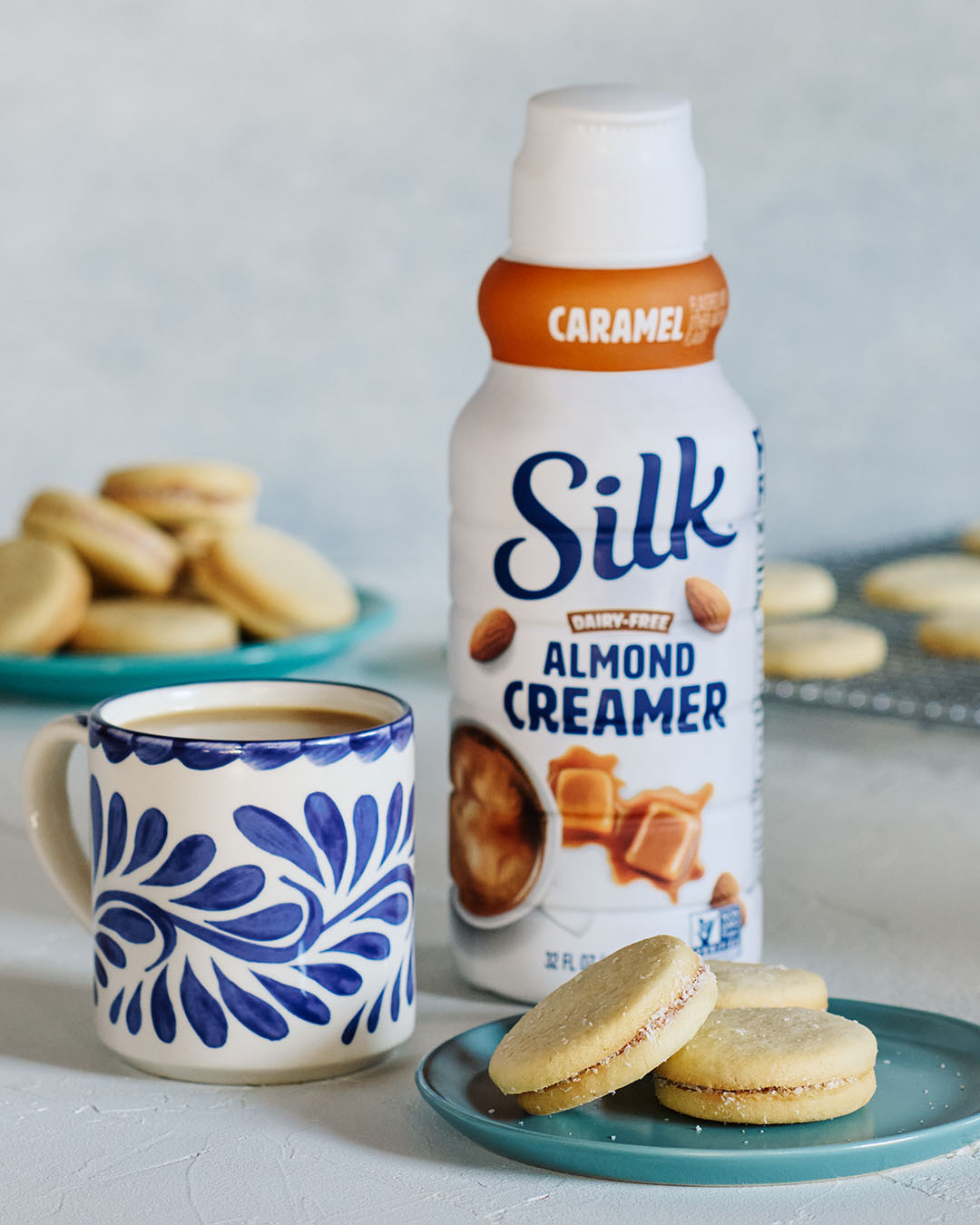
Beyond personal health, environmental and ethical concerns are increasingly influencing consumer choices. Brands that can authentically communicate a commitment to sustainability and ethical sourcing gain a competitive edge. This might involve sourcing ingredients from responsible farms, utilizing eco-friendly packaging, or highlighting reduced carbon footprints associated with plant-based production.
For instance, brands using palm oil may face scrutiny. Those that can prove their palm oil is sustainably sourced or opt for alternative oils like coconut or sunflower oil can build trust and goodwill. Similarly, brands that emphasize the lower water and land usage associated with plant-based agriculture tap into a growing awareness of environmental impact. The narrative of supporting ethical practices and a healthier planet is a powerful branding tool that resonates deeply with a significant portion of the target demographic.
Flavor Innovation and Limited Editions: Creating Excitement and Brand Loyalty
The non-dairy creamer market is not static; it thrives on innovation and novelty. Brands that consistently introduce new and exciting flavors, particularly limited-edition or seasonal offerings, keep consumers engaged and create anticipation. This strategy not only drives sales during specific periods but also fosters brand loyalty. Consumers eagerly await the return of a beloved seasonal flavor or the launch of a new, intriguing option.
This approach allows brands to test new market trends and gauge consumer preferences. It also creates a sense of urgency and exclusivity, encouraging impulse purchases. The marketing behind these limited editions often plays on themes of discovery, indulgence, and seasonal celebration, further strengthening the brand’s connection with its consumer base. Ultimately, this dynamic product development strategy reinforces the brand’s image as being modern, innovative, and attuned to evolving tastes.
Market Strategy and Competitive Landscape: Navigating a Creamy Battlefield
The non-dairy coffee creamer category is a fiercely competitive arena where established food conglomerates and agile challenger brands vie for shelf space and consumer attention. Success hinges on a multi-faceted market strategy that encompasses product differentiation, distribution, and effective consumer engagement. Understanding the competitive landscape is crucial for any brand aiming to thrive in this space.
Product Differentiation: Beyond the Basics
In a market saturated with almond, soy, and oat options, brands must find unique selling propositions to stand out. This differentiation can occur at several levels:
- Ingredient Purity and Simplicity: Some brands position themselves on having fewer, more recognizable ingredients, appealing to consumers seeking natural and “clean label” products. Claims like “made with real coconut cream” or “just 5 simple ingredients” can be powerful differentiators.
- Targeted Formulations: Brands are developing creamers for specific needs. This includes “barista-style” oat creamers designed to froth and steam like dairy cream, or “sugar-free” and “keto-friendly” options catering to specific dietary trends.
- Premiumization: Highlighting higher quality ingredients, unique flavor profiles, or a more luxurious mouthfeel can position a brand as a premium offering, justifying a higher price point. This might involve using artisanal ingredients or focusing on a more indulgent sensory experience.
- Nutritional Fortification: While less common, some brands may explore fortifying their creamers with vitamins or minerals, though this can be challenging without altering taste and texture significantly.
The brand’s ability to clearly articulate its differentiation in marketing and packaging is paramount to capturing consumer interest.
Distribution Channels and Shelf Placement: Reaching the Consumer
Securing prominent shelf placement in supermarkets and convenience stores is a critical battleground. Brands need to consider a diverse distribution strategy, including:
- Traditional Retail: Securing placement in major grocery chains is essential for broad consumer reach. This often involves navigating complex retail agreements and slotting fees.
- Natural and Specialty Stores: Targeting health food stores and specialty grocers allows brands to reach a more niche, health-conscious consumer base who may be more receptive to premium or innovative offerings.
- E-commerce: Online platforms, from direct-to-consumer websites to major online retailers, offer a significant channel for reaching consumers, especially those in areas with limited retail options or those who prefer the convenience of home delivery.
- Food Service: Partnering with coffee shops and cafes allows brands to gain visibility and trial among consumers, acting as a powerful endorsement. Success here often depends on the creamer’s performance in a professional setting, such as its ability to steam and create latte art.
The physical presence of a brand, whether in a refrigerated case or on a shelf, dictates its visibility and accessibility, playing a vital role in its market penetration.

Consumer Engagement and Community Building: Fostering Loyalty
Beyond product and placement, successful brands cultivate relationships with their consumers. This involves:
- Digital Marketing and Social Media: Engaging content on platforms like Instagram, TikTok, and Facebook can build brand awareness, showcase new products, and foster a sense of community. User-generated content, recipe sharing, and influencer collaborations are key tactics.
- Sampling and Promotions: Offering in-store samples, coupons, and promotional discounts can encourage trial and drive initial sales. Limited-time offers and bundled deals can incentivize repeat purchases.
- Customer Feedback and Iteration: Actively soliciting and responding to customer feedback through surveys, reviews, and social media listening allows brands to understand consumer needs and preferences, driving future product development and marketing adjustments.
By actively engaging with consumers, building trust, and demonstrating responsiveness, brands can transform casual buyers into loyal advocates, ensuring long-term success in the dynamic non-dairy coffee creamer market.
aViewFromTheCave is a participant in the Amazon Services LLC Associates Program, an affiliate advertising program designed to provide a means for sites to earn advertising fees by advertising and linking to Amazon.com. Amazon, the Amazon logo, AmazonSupply, and the AmazonSupply logo are trademarks of Amazon.com, Inc. or its affiliates. As an Amazon Associate we earn affiliate commissions from qualifying purchases.