
The pharmaceutical landscape is a constantly evolving frontier, driven by relentless scientific innovation and strategic market positioning. Among the recent breakthroughs generating significant buzz is Mounjaro, a medication that has captured attention not only for its therapeutic potential but also for the broader implications it holds across technology, brand perception, and even financial considerations. While its primary function is medical, understanding “what is in Mounjaro” necessitates a multifaceted exploration that touches upon cutting-edge drug development, the intricate process of bringing a novel therapy to market, and the economic currents it generates.
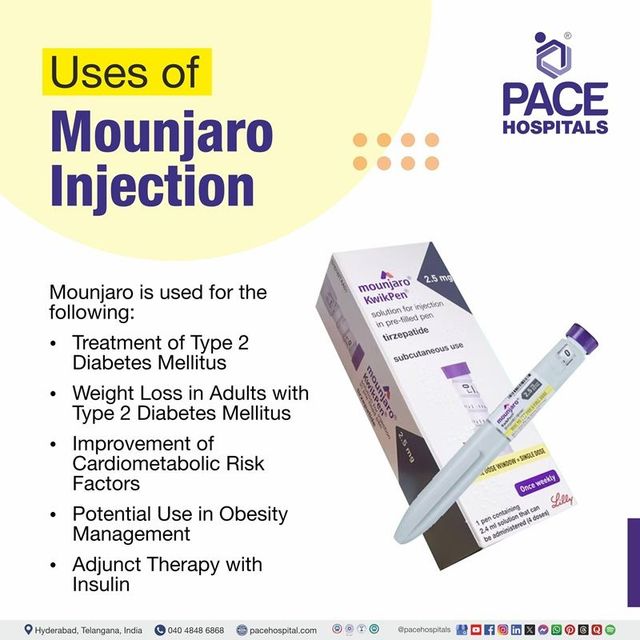
This article delves into the core components of Mounjaro, examining the science behind its efficacy, the strategic brand narrative surrounding its launch, and the economic factors influencing its accessibility and adoption. We will explore how technological advancements in drug discovery and delivery have paved the way for such innovations, how pharmaceutical companies build and maintain brand equity for life-saving treatments, and the financial realities that shape the accessibility of these vital medications.
The Scientific Foundation: Unpacking the Active Ingredients and Mechanism of Action
At its heart, Mounjaro represents a significant leap forward in the management of type 2 diabetes and, increasingly, in the broader conversation around weight management. The key to its efficacy lies in its novel chemical composition and its sophisticated mechanism of action. Understanding “what is in Mounjaro” from a scientific perspective means dissecting its active ingredient and how it interacts with the human body.
Tirzepatide: A Dual GIP and GLP-1 Receptor Agonist
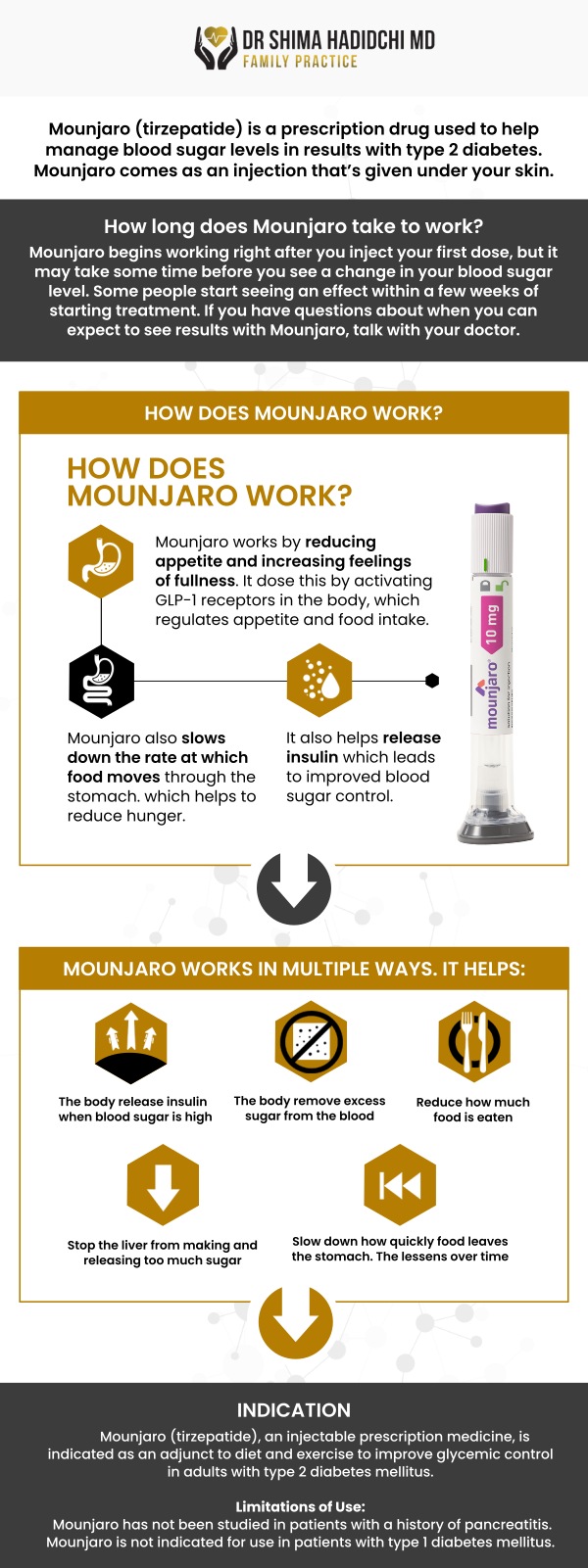
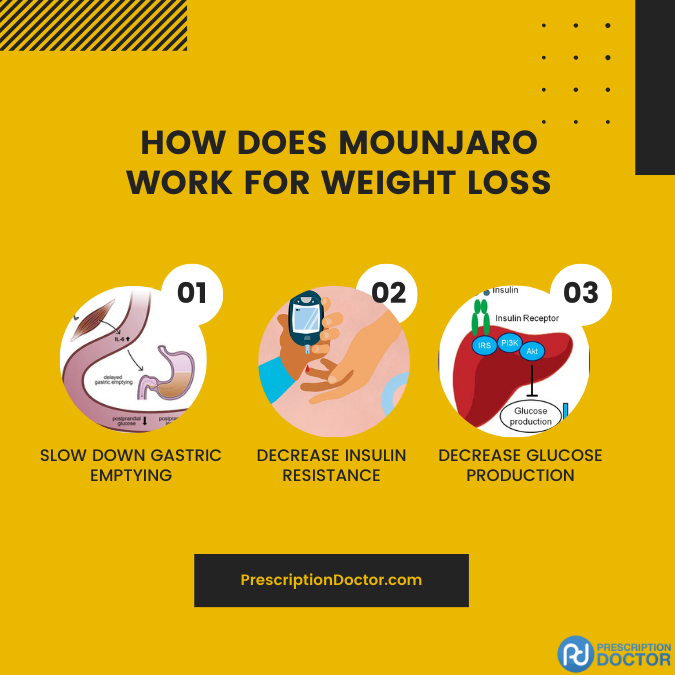
The active pharmaceutical ingredient (API) in Mounjaro is tirzepatide. This synthetic peptide is not merely a single-target drug; it’s a dual agonist, meaning it activates two distinct incretin hormone receptors: glucagon-like peptide-1 (GLP-1) and glucose-dependent insulinotropic polypeptide (GIP). This dual action is central to its impressive therapeutic profile.
Understanding Incretins: The Body’s Natural Regulators
Incretins are a group of gastrointestinal hormones that are released after eating. They play a crucial role in regulating glucose homeostasis by:
- Stimulating insulin secretion: When blood glucose levels rise after a meal, incretins signal the pancreas to release more insulin, which helps cells absorb glucose from the bloodstream.
- Suppressing glucagon secretion: Glucagon is a hormone that raises blood glucose levels. Incretins inhibit glucagon release, preventing excessive glucose production by the liver.
- Slowing gastric emptying: This helps to reduce the rate at which food enters the small intestine, leading to a slower and more gradual rise in post-meal blood glucose.
- Promoting satiety: Incretins can also influence appetite regulation, contributing to a feeling of fullness and potentially reducing food intake.
The Power of Dual Agonism: Synergy in Action
While GLP-1 receptor agonists (like semaglutide, the active ingredient in Ozempic and Wegovy) have already revolutionized diabetes and weight management, tirzepatide’s inclusion of GIP receptor activation adds a new dimension. The synergy between GLP-1 and GIP pathways is believed to be more potent than either pathway alone.
- Enhanced Glucose Control: By activating both GLP-1 and GIP receptors, tirzepatide offers superior blood glucose lowering compared to agents that target only one of these pathways. This translates to significant reductions in HbA1c levels, a key marker for long-term diabetes control.
- Significant Weight Loss: Both GLP-1 and GIP hormones are involved in appetite regulation and energy expenditure. The dual agonism of tirzepatide has demonstrated remarkable efficacy in promoting weight loss, often exceeding that observed with GLP-1 receptor agonists alone. This has led to its consideration and approval for weight management in individuals with obesity or overweight with at least one weight-related comorbidity.
- Cardiovascular Benefits: Emerging research suggests that drugs targeting incretin pathways, including tirzepatide, may offer cardiovascular benefits beyond glucose control and weight loss. These potential benefits are a critical area of ongoing investigation and contribute to the broader appeal of such medications.
Technological Advancements in Drug Formulation and Delivery
The development of tirzepatide, and indeed Mounjaro, is a testament to advancements in pharmaceutical technology. The ability to design and synthesize complex peptide molecules with high specificity and stability is a direct result of progress in areas such as:
- Peptide Synthesis and Engineering: Sophisticated chemical synthesis techniques allow for the precise construction of peptide molecules like tirzepatide, ensuring their correct structure and function. Protein engineering further refines these molecules for improved half-life and receptor binding affinity.
- Biotechnology and Molecular Biology: Understanding the intricate signaling pathways of hormones and their receptors, as well as the genetic and cellular mechanisms involved, is fundamental to designing drugs that can effectively interact with these systems.
- Formulation Science: The development of stable, injectable formulations that can be administered effectively and with minimal discomfort is also a critical technological feat. This ensures consistent drug delivery and patient adherence.
The Brand Narrative: Positioning Mounjaro in a Competitive Market
Bringing a groundbreaking medication like Mounjaro to market is not just a scientific endeavor; it’s a strategic branding and marketing triumph. The pharmaceutical industry operates within a highly regulated yet fiercely competitive environment, where patient outcomes, physician trust, and market share are paramount. Understanding “what is in Mounjaro” also involves examining how its brand has been shaped, communicated, and perceived by various stakeholders.
Building Trust and Credibility: The Eli Lilly Advantage
Mounjaro is developed and marketed by Eli Lilly and Company, a pharmaceutical giant with a long-standing reputation for innovation and quality in diabetes care and beyond. This established presence and credibility provide a significant advantage for a new product.
- Heritage in Diabetes Research: Eli Lilly has a rich history in developing diabetes medications, including insulin and other groundbreaking therapies. This legacy fosters trust among healthcare professionals and patients who have relied on the company’s products for decades.
- Clinical Trial Rigor: The extensive and robust clinical trials that underpin Mounjaro’s approval are a crucial element of its brand story. Demonstrating statistically significant improvements in HbA1c, weight loss, and potentially cardiovascular outcomes through rigorous scientific evidence builds a strong foundation for physician recommendation and patient confidence.
- Regulatory Approval as a Seal of Quality: Gaining approval from regulatory bodies like the U.S. Food and Drug Administration (FDA) and the European Medicines Agency (EMA) is a critical milestone. This approval signifies that the drug has met stringent safety and efficacy standards, acting as a powerful endorsement.
The Art of Communication: Reaching Diverse Audiences
The branding of Mounjaro involves a multifaceted communication strategy designed to inform and persuade a range of audiences:
- Healthcare Professionals: This is the primary target audience for prescription medications. Marketing efforts focus on providing detailed clinical data, highlighting the unique benefits of dual agonism, and educating physicians about appropriate patient selection and management. Scientific conferences, peer-reviewed publications, and medical representatives play key roles.
- Patients and Caregivers: For patients managing type 2 diabetes or struggling with weight management, the brand message needs to resonate with their health goals and aspirations. This involves clear, accessible information about the drug’s benefits, potential side effects, and how it can improve their quality of life. Patient advocacy groups and direct-to-consumer advertising (where permitted) also contribute.
- Payers and Insurers: Securing formulary placement and reimbursement from insurance companies is a critical commercial aspect. This requires demonstrating the drug’s value proposition – its clinical effectiveness, potential to reduce long-term healthcare costs (e.g., by preventing complications), and comparative advantage over existing therapies.
Differentiating in a Crowded Space: The “First-in-Class” Advantage
Mounjaro’s positioning is amplified by its status as the first and only FDA-approved medication to target both GIP and GLP-1 receptors. This “first-in-class” designation is a powerful branding tool.
- Highlighting Novelty and Superiority: The marketing narrative emphasizes the unique dual-agonist mechanism, suggesting a more comprehensive approach to managing these complex conditions compared to single-receptor agonists.
- Expanding Indications: The drug’s initial approval for type 2 diabetes has been followed by its approval for chronic weight management (under the brand name Zepbound), demonstrating its versatility and further solidifying its market position. This expansion into a highly sought-after area like weight loss significantly broadens its appeal and market potential.
- Addressing Unmet Needs: The brand communication often highlights how Mounjaro addresses unmet needs in diabetes and obesity treatment, offering a new and effective option for patients who may not have achieved their goals with previous therapies.
The Financial Landscape: Affordability, Accessibility, and Economic Impact
The conversation around “what is in Mounjaro” inevitably leads to its economic implications. The development, manufacturing, and distribution of a novel, high-efficacy drug come with significant costs, which in turn influence its price, accessibility, and the broader financial ecosystem surrounding it.
The High Cost of Innovation: Research, Development, and Manufacturing
Pharmaceutical innovation is an incredibly expensive and high-risk endeavor. The journey from initial discovery to a marketed drug typically spans over a decade and can cost billions of dollars.
- Research and Development (R&D) Costs: This includes fundamental scientific research, preclinical testing (laboratory and animal studies), and multiple phases of clinical trials involving thousands of patients. Many potential drug candidates fail at various stages, meaning the successes must recoup the costs of the failures.
- Manufacturing Complexity: Producing complex peptide-based drugs like tirzepatide requires highly specialized facilities, rigorous quality control, and advanced manufacturing processes, all of which contribute to the overall cost.
- Regulatory Compliance: Meeting the stringent requirements of regulatory agencies throughout the development and manufacturing process adds further expense.
Pricing and Reimbursement: Navigating the Market Access Maze
The price of Mounjaro is a subject of considerable discussion and concern. Pharmaceutical companies set prices based on a complex interplay of factors, including R&D investment, perceived value, market competition, and the potential for reimbursement.
- Value-Based Pricing: Eli Lilly, like other pharmaceutical companies, will argue that the price reflects the significant clinical value Mounjaro offers – its ability to improve health outcomes, reduce complications, and potentially lower long-term healthcare expenditures.
- Market Competition: While Mounjaro offers a unique dual-agonist mechanism, it operates in a competitive landscape with other GLP-1 receptor agonists and emerging therapies. Pricing strategies are influenced by what competitors charge and what payers are willing to cover.
- Payer Negotiations and Formulary Placement: Pharmaceutical companies engage in intense negotiations with insurance providers and government health programs to secure formulary placement – inclusion on the list of covered drugs. This process dictates what proportion of patients will have their medication covered and at what cost-sharing level.
- Patient Assistance Programs: To mitigate the financial burden for patients, pharmaceutical companies often establish patient assistance programs, co-pay coupons, and support services to help make their medications more affordable.
The Economic Ripple Effect: Impact on Healthcare Systems and Individuals
The widespread adoption of Mounjaro has significant economic ramifications:
- Healthcare Expenditure: For individuals with health insurance and for healthcare systems, the cost of a high-demand, novel medication like Mounjaro can represent a substantial expenditure. This fuels debates about drug pricing and healthcare affordability.
- Potential for Cost Savings: Conversely, if Mounjaro proves effective in preventing or delaying serious diabetes-related complications (such as heart disease, kidney disease, and nerve damage), it could lead to significant long-term cost savings for healthcare systems by reducing hospitalizations, procedures, and chronic disease management expenses.
- Impact on Weight Management Market: The drug’s success in weight management opens up new revenue streams and reshapes the pharmaceutical market for obesity treatments, driving further innovation and competition in this area.
- Investment and Innovation: The commercial success of Mounjaro can attract further investment in diabetes and obesity research, encouraging other companies to pursue similar or complementary therapeutic approaches, fostering continued innovation.
In conclusion, “what is in Mounjaro” extends far beyond its chemical formula. It encompasses a profound understanding of cutting-edge scientific innovation, a masterful application of brand strategy and marketing, and a complex interplay of financial realities that determine its accessibility and impact. As this groundbreaking medication continues to evolve and find its place in clinical practice, its story serves as a compelling case study at the intersection of technology, brand influence, and economic considerations in the modern pharmaceutical world.
aViewFromTheCave is a participant in the Amazon Services LLC Associates Program, an affiliate advertising program designed to provide a means for sites to earn advertising fees by advertising and linking to Amazon.com. Amazon, the Amazon logo, AmazonSupply, and the AmazonSupply logo are trademarks of Amazon.com, Inc. or its affiliates. As an Amazon Associate we earn affiliate commissions from qualifying purchases.