
Mosquito bites. The mere mention of them conjures images of itchy welts and the lingering annoyance of a summer evening disrupted. While the physical sensation is universally understood, the underlying science of what exactly is in a mosquito bite, and why it provokes such a reaction, is a fascinating intersection of biology, immunology, and even a touch of technological advancement in how we understand and combat these persistent pests. This article delves into the biological components of a mosquito bite, exploring the chemical cocktail injected by the mosquito, the body’s immune response, and how our understanding of these processes is being enhanced by technological innovation. We’ll also touch upon the brand of annoyance mosquitoes represent and the financial implications of their presence, framing it within the broader context of the technological, branding, and financial landscapes.
The Mosquito’s Toolkit: A Chemical Assault on Your Skin
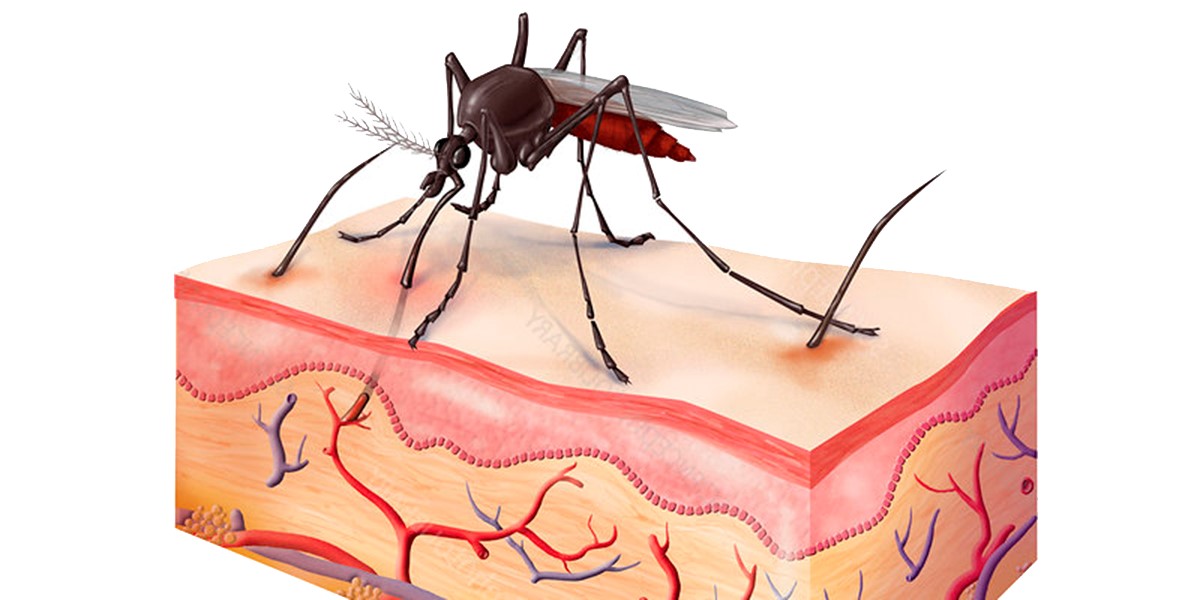
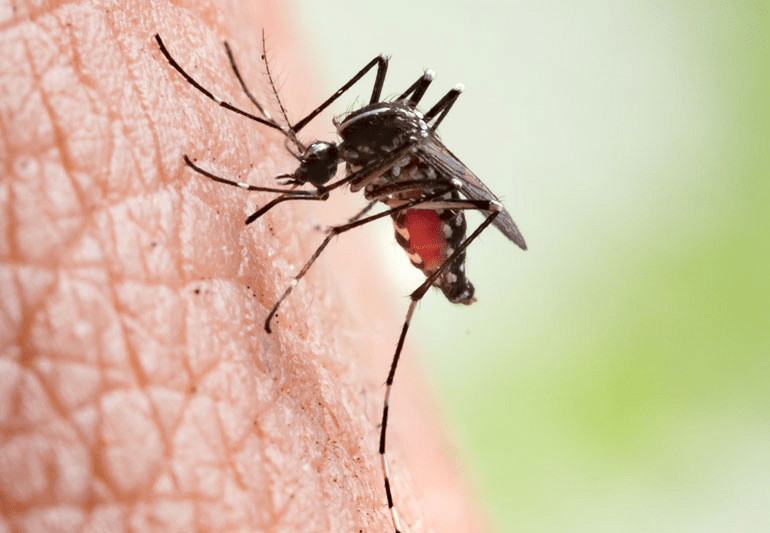
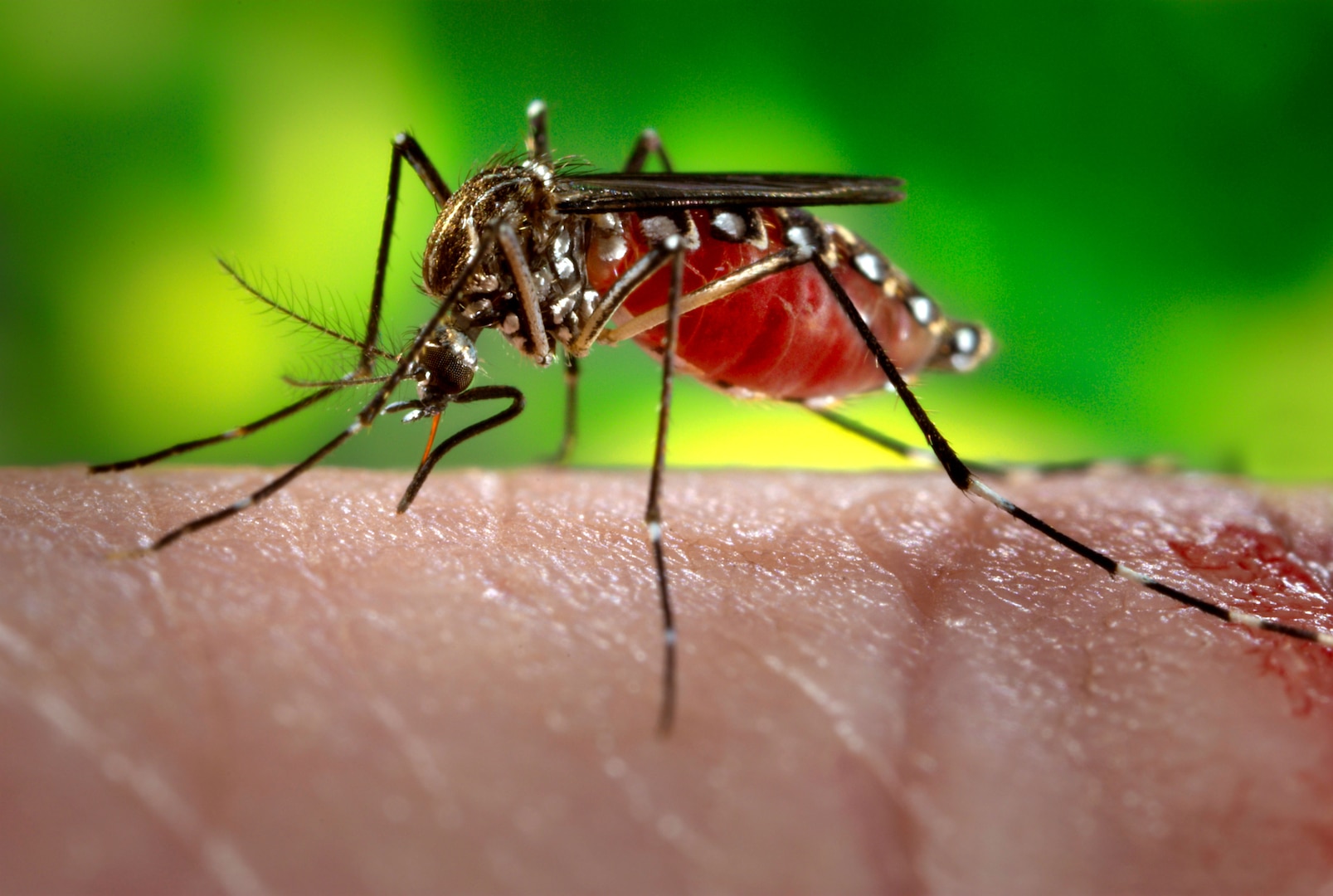
When a mosquito lands on your skin, it’s not simply pricking you for a meal. It’s engaging in a sophisticated, albeit involuntary, surgical procedure designed to facilitate its blood-feeding process. The primary goal is to access your bloodstream and remain undetected for as long as possible. To achieve this, the mosquito employs a specialized mouthpart called a proboscis, which is essentially a needle-like structure. But this proboscis is more than just a simple piercing tool; it’s a multi-component apparatus that delivers a precise blend of substances into your skin.
The Saliva: A Complex Cocktail of Proteins and Enzymes
The key to understanding what’s in a mosquito bite lies within the mosquito’s saliva. This saliva isn’t just a lubricant; it’s a carefully engineered biological tool kit. It contains a complex array of proteins and enzymes, each with a specific function:
- Anticoagulants: Perhaps the most crucial component of mosquito saliva are anticoagulants. These are proteins that prevent your blood from clotting. Without them, the mosquito’s proboscis would quickly become clogged with coagulated blood, making it impossible to feed. These anticoagulants work by inhibiting various steps in the blood clotting cascade, effectively keeping your blood flowing freely.
- Anesthetics: To minimize the sensation of being bitten, some mosquito species inject mild anesthetic compounds in their saliva. This is why you often don’t feel the initial prick, allowing the mosquito to feed undetected.
- Enzymes for Tissue Digestion: While not as universally present or pronounced as anticoagulants, some enzymes in mosquito saliva can help break down some of the skin tissue, further facilitating the insertion of the proboscis and the drawing of blood.
- Immunomodulatory Proteins: Mosquitoes have evolved to evade your body’s immediate defense mechanisms. Their saliva contains proteins that can suppress or modulate your immune response at the bite site, making it harder for your body to detect and react to the foreign invader.
When the mosquito withdraws its proboscis, it leaves behind this concoction of saliva. This is the primary “substance” that triggers your body’s reaction, not the physical puncture itself.
Your Body’s Response: The Itch and Swell Explained
The itching, redness, and swelling associated with mosquito bites are all part of your immune system’s defense mechanism. It’s your body recognizing the foreign substances introduced by the mosquito and mounting an inflammatory response.
The Immune System Awakens: Histamine and Beyond
The proteins and enzymes in mosquito saliva are recognized as foreign invaders by your body. This triggers the release of several key mediators, the most well-known being histamine.
- Histamine’s Role: Histamine is a chemical compound that plays a central role in your local inflammatory response. When released by mast cells in your skin (which are alerted by the presence of foreign substances), histamine causes several effects:
- Vasodilation: It widens the blood vessels in the affected area. This increased blood flow is what causes the redness and warmth you often feel.
- Increased Vascular Permeability: Histamine makes the walls of blood vessels more permeable, allowing fluid and immune cells to leak out into the surrounding tissue. This fluid accumulation is responsible for the swelling, or wheal, of the bite.
- Nerve Stimulation: Histamine also stimulates nerve endings in the skin, leading to the characteristic itching sensation. The more you scratch, the more you can irritate the nerve endings and prolong the itching.
Beyond histamine, other inflammatory chemicals and immune cells are also mobilized to the bite site. These include cytokines and various types of white blood cells, all working to neutralize any perceived threat and begin the repair process.
Individual Variations in Reaction
It’s important to note that not everyone reacts to mosquito bites in the same way. Several factors influence the intensity of the reaction:
- Genetics: Your genetic predisposition plays a significant role in how your immune system responds to mosquito saliva.
- Prior Exposure: Repeated exposure to mosquito bites can, for some individuals, lead to a desensitization or a diminished reaction over time. However, for others, it can lead to increasingly severe reactions.
- Overall Health and Immune Status: Your general health and the current state of your immune system can also affect your reaction.
- Mosquito Species: Different mosquito species have slightly different saliva compositions, which can lead to variations in the intensity of the bite reaction.
This is why some people might develop large, painful welts, while others experience only minor, fleeting itching. The “what is in mosquito bites” isn’t just a single component; it’s a complex interplay between the mosquito’s biological arsenal and your unique biological defense system.
Beyond the Bite: Tech, Brand, and Money Implications
While the immediate concern with mosquito bites is discomfort and potential disease transmission, the broader implications touch upon the very topics that define our modern world: technology, branding, and economics.
Tech: Decoding the Mosquito and Developing Defenses
Technology plays a crucial role in understanding and combating mosquito-borne diseases.
- Genomics and Proteomics: Advances in genomics and proteomics allow scientists to sequence mosquito DNA and identify the specific proteins in their saliva. This detailed understanding is vital for developing targeted repellents and potential vaccines. AI-powered tools are revolutionizing the analysis of this vast biological data, identifying key allergens and disease-carrying mechanisms far more efficiently than traditional methods.
- Surveillance and Tracking: Sophisticated sensor networks and AI algorithms are being developed to monitor mosquito populations, predict breeding grounds, and track the spread of diseases like malaria, dengue, and Zika. This data allows for more effective public health interventions.
- Innovative Repellents and Insecticides: Researchers are using nanotechnology and advanced chemical engineering to create more effective and longer-lasting insect repellents and insecticides. Biodegradable and environmentally friendly formulations are also a growing area of tech-driven innovation.
- Wearable Technology: The development of smart devices that can detect mosquito presence or even emit specific frequencies to deter them is an emerging frontier.
- Apps for Personal Protection: Numerous apps now provide real-time mosquito activity reports based on user-submitted data and weather patterns, allowing individuals to make informed decisions about outdoor activities.
Brand: The “Mosquito” as a Symbol of Annoyance and Risk
Mosquitoes, as a species, have cultivated a universally negative brand. They are synonymous with:
- Annoyance and Discomfort: Their ability to disrupt outdoor activities and cause itchy welts makes them an unwelcome presence.
- Disease and Danger: The most significant aspect of the mosquito brand is its association with serious and often fatal diseases. This makes them a symbol of public health risk and vulnerability.
- Global Challenge: The fight against mosquito-borne diseases is a global branding effort for public health organizations, striving to create awareness and encourage preventative measures.
Corporations and personal brands can learn from the mosquito’s inherent “brand value” – its immediate recognition and strong emotional association. While negative in this case, the principles of consistent messaging and impact are relevant. Conversely, brands that offer solutions to mosquito problems, such as repellents or mosquito nets, build their identity around providing relief and protection. Case studies of successful public health campaigns against mosquito-borne illnesses highlight effective branding strategies in communication and behavior change.
Money: The Economic Toll of Mosquitoes
The impact of mosquito bites extends far beyond personal discomfort; it has significant financial ramifications.
- Healthcare Costs: Treating mosquito-borne diseases like malaria, dengue, and West Nile virus incurs massive healthcare costs globally. This includes doctor’s visits, hospital stays, medications, and long-term care.
- Lost Productivity: Illnesses caused by mosquitoes lead to lost workdays and reduced economic productivity, particularly in agricultural and outdoor industries.
- Tourism Impact: Destinations known for mosquito prevalence can suffer from reduced tourism revenue as travelers opt for safer locales.
- Pest Control Industry: The multi-billion dollar pest control industry thrives on providing solutions for mosquito management, from personal repellents to large-scale public spraying programs. This represents a significant market driven by the need to mitigate mosquito-related issues.
- Research and Development Investment: Governments and private companies invest heavily in research and development to find new and better ways to control mosquito populations and prevent disease transmission. This includes funding for AI tools, new chemical compounds, and biotechnological solutions.
From the intricate biological dance within a mosquito bite to the far-reaching economic and technological landscapes it influences, the humble mosquito is a powerful reminder of the complex interconnectedness of our world. Understanding “what is in mosquito bites” is not just about scratching an itch; it’s a gateway to appreciating scientific innovation, the power of branding, and the substantial financial stakes involved in our ongoing battle with these persistent insects.
aViewFromTheCave is a participant in the Amazon Services LLC Associates Program, an affiliate advertising program designed to provide a means for sites to earn advertising fees by advertising and linking to Amazon.com. Amazon, the Amazon logo, AmazonSupply, and the AmazonSupply logo are trademarks of Amazon.com, Inc. or its affiliates. As an Amazon Associate we earn affiliate commissions from qualifying purchases.