
The seasonal challenge of icy conditions brings with it a critical decision for homeowners, property managers, and businesses: choosing the right ice melt. While the immediate goal is safety and accessibility, the underlying composition of these deicing agents carries significant financial implications, impacting everything from short-term expenditure to long-term property maintenance, environmental costs, and even potential legal liabilities. Understanding “what is in ice melt” is not merely a matter of chemistry but a deep dive into cost-benefit analyses, operational efficiencies, and asset protection.
The Financial Balancing Act: Cost vs. Efficacy in Ice Melt Ingredients
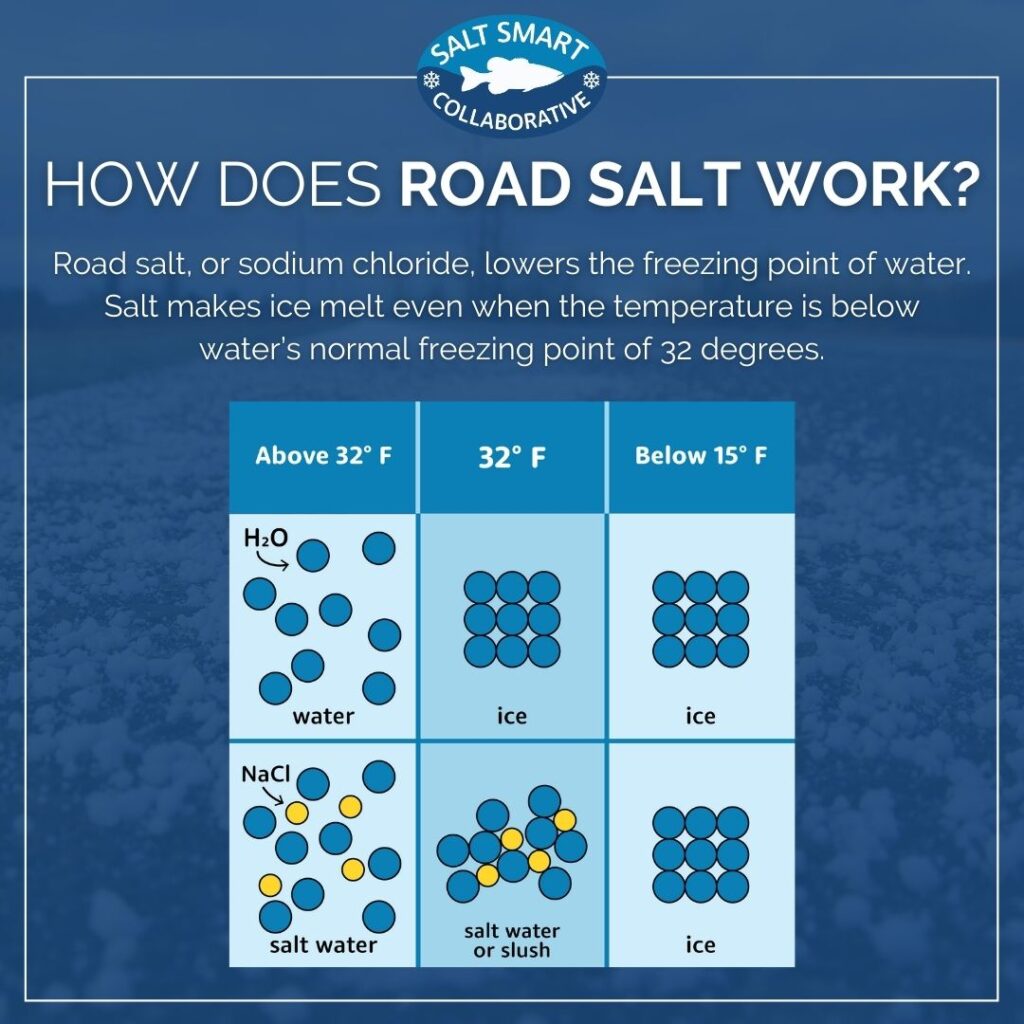
At its core, ice melt works by lowering the freezing point of water, turning solid ice into a liquid brine. The effectiveness and cost of this process vary dramatically based on the chemical compounds involved, each presenting a distinct financial profile for consumers and businesses alike.
Sodium Chloride (Rock Salt): The Budget King with Hidden Costs
Sodium chloride, commonly known as rock salt, remains the most prevalent and budget-friendly ice melt solution. Its affordability per pound makes it an attractive initial purchase for large-scale applications or tight budgets. However, its effectiveness dwindles significantly below 15°F (-9°C), requiring greater quantities or rendering it ineffective in extreme cold, thereby increasing application costs and potentially causing unsafe conditions.
Financially, rock salt carries substantial hidden costs. Its corrosive nature is a well-documented threat to concrete, asphalt, and metallic structures, accelerating deterioration of driveways, walkways, parking lots, and vehicles. Businesses face heightened maintenance and repair expenses for their infrastructure, while homeowners may see diminished property value due to damaged surfaces. Furthermore, sodium chloride runoff can harm vegetation and contaminate local water sources, leading to potential fines or the long-term financial burden of environmental remediation efforts. For businesses striving for a positive public image, the environmental impact can also translate into reputational costs.
Calcium Chloride: Rapid Action, Premium Price
Calcium chloride offers superior performance compared to rock salt, boasting a much lower effective temperature threshold, often down to -25°F (-32°C). Its exothermic reaction (releasing heat upon contact with moisture) ensures rapid melting, a critical safety advantage in high-traffic areas or emergency situations. However, this enhanced efficacy comes at a higher price point per pound, typically two to three times that of sodium chloride.
The financial decision to invest in calcium chloride often revolves around balancing upfront cost with the value of performance. For businesses prioritizing rapid clearance and safety, such as retail establishments or healthcare facilities, the premium cost can be justified by reduced slip-and-fall liabilities, uninterrupted operations, and enhanced customer safety. While less corrosive than sodium chloride, it can still pose a risk to certain surfaces and vegetation if over-applied. Precise application, therefore, becomes key to maximizing its value and mitigating potential damage-related expenses.
Magnesium Chloride: The Eco-Friendlier, Mid-Range Option
Magnesium chloride presents a compelling middle ground, balancing effective deicing with reduced environmental impact and corrosion potential. It is effective down to temperatures around -15°F (-26°C) and is less corrosive to concrete and metals than both sodium and calcium chloride, which can translate into significant long-term savings on infrastructure repair and maintenance. Its lower toxicity also makes it a more pet-friendly option, potentially reducing veterinary bills for pet owners and mitigating liability for pet-owning patrons of businesses.
From a financial perspective, magnesium chloride is typically more expensive than sodium chloride but often less costly than calcium chloride. Businesses and homeowners looking to minimize their environmental footprint and protect their assets without breaking the bank often find magnesium chloride to be an ideal choice. The slightly higher initial cost is often offset by reduced repair expenses, fewer environmental concerns, and a more favorable public perception for eco-conscious entities.
Beyond the Brine: Specialized Formulations and Their Economic Value
Beyond the primary chloride compounds, the market offers specialized ice melt formulations designed for particular conditions or economic considerations. These options provide targeted solutions, often at a premium, justifying their cost through enhanced performance, specific environmental benefits, or reduced collateral damage.
Potassium Chloride: The Cooler Performer
Potassium chloride is another salt-based deicer, but it performs best in milder cold conditions, typically down to about 15°F (-9°C). It is generally considered less damaging to concrete and vegetation than sodium or calcium chloride, making it a suitable choice for environments where protecting landscaping is a priority. Its primary financial drawback is its relatively higher cost compared to rock salt and its limited effectiveness in severe cold, which may necessitate using more product or supplementing with other deicers, thereby increasing overall expenditure. For those operating in consistently mild winter climates, however, its reduced corrosive properties can translate into long-term savings on property upkeep.
Urea-Based Deicers: The Fertilizer Angle
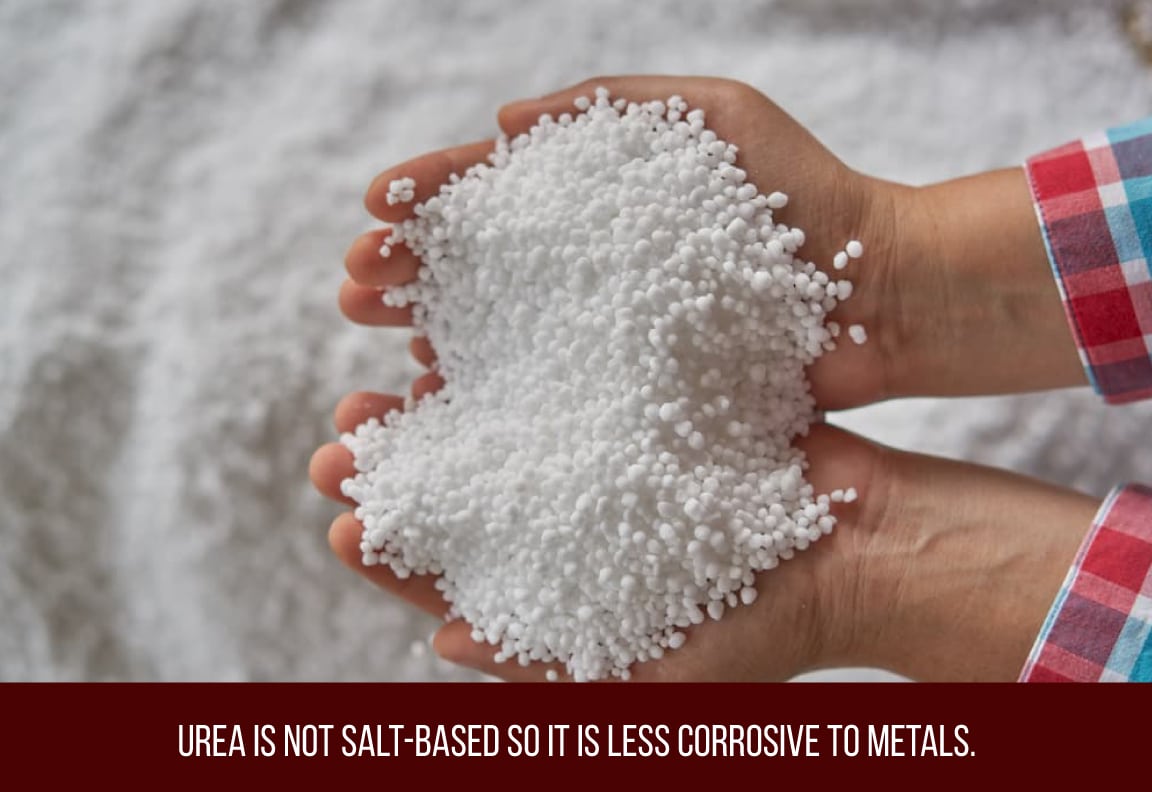
Urea, commonly found in fertilizers, also acts as an effective deicer, typically active down to around 15°F (-9°C). Its key advantage is its significantly lower corrosive impact on concrete, metals, and vegetation compared to traditional chloride salts. This makes it an attractive option for areas sensitive to corrosion, such as airport runways, parking garages, or around delicate landscaping, where preventing costly structural damage is paramount.

The financial trade-off for urea is its higher price point per pound and its less aggressive melting action, which can require more product and longer activation times. While it helps protect infrastructure, its nitrogen content can contribute to nutrient runoff, posing a different kind of environmental challenge. For businesses with high-value infrastructure or stringent environmental regulations regarding chloride discharge, the investment in urea can be justified by avoiding much larger repair or compliance costs.
Acetates (CMA, KAc, NAAC): High-Performance, High-Investment Solutions
Calcium Magnesium Acetate (CMA), Potassium Acetate (KAc), and Sodium Acetate (NAAC) represent the premium tier of deicing agents. These compounds are highly effective at low temperatures (CMA down to 15°F/-9°C, KAc and NAAC significantly lower) and are celebrated for their minimal corrosive impact on concrete, steel, and even aircraft materials. They are also biodegradable and significantly less harmful to the environment and vegetation.
The financial barrier to widespread use of acetates is their exceptionally high cost, often multiple times that of chloride-based products. Consequently, their application is typically reserved for highly sensitive areas where the prevention of corrosion and environmental impact outweighs the significant upfront investment. This includes airport runways, bridges, parking structures for luxury vehicles, or eco-sensitive industrial sites where structural integrity and environmental compliance are non-negotiable and the potential costs of damage or non-compliance are astronomical. For such applications, acetates offer unparalleled value in terms of asset preservation and risk mitigation.
The True Cost of Deicing: Property, Pets, and Profits
The decision of “what is in ice melt” extends beyond the purchase price to encompass a broader spectrum of financial considerations affecting property value, operational continuity, and public perception.
Mitigating Infrastructure Damage: Protecting Your Assets
The long-term financial health of a property is heavily influenced by how effectively its infrastructure is protected during winter. Corrosive deicers can accelerate the spalling of concrete, rust rebar, and pit asphalt surfaces, leading to costly repairs and premature replacement of driveways, sidewalks, and parking lots. For commercial properties, this also extends to loading docks, staircases, and even underground parking structures. Investing in less corrosive ice melts, while initially more expensive, can significantly extend the lifespan of these assets, deferring major capital expenditures and preserving property value over time. Regular inspection and strategic application further optimize this protective investment.
Environmental Stewardship and Long-Term Financial Impact
The environmental footprint of ice melt has increasingly become a financial consideration. Runoff containing high levels of salts can contaminate groundwater, harm aquatic life, and damage vegetation. This not only incurs direct costs related to landscaping repair or water treatment but can also lead to regulatory fines, legal challenges, and negative public relations, particularly for businesses. Choosing environmentally friendlier options, such as magnesium chloride or acetates, aligns with corporate social responsibility goals and can prevent future financial liabilities associated with environmental damage, fostering goodwill and potentially attracting environmentally conscious customers. The long-term savings from avoiding clean-up costs or legal battles can far outweigh the premium paid for these products.
Optimizing Inventory and Application for Business Savings
Effective inventory management and precise application are crucial for maximizing the return on investment in ice melt. Overstocking can tie up capital and lead to product degradation, while understocking risks supply shortages during critical weather events, potentially resulting in lost business or increased liability. Proper storage conditions are also vital to maintain product efficacy and prevent waste. Furthermore, training staff on correct application techniques – using the right amount of product for the conditions – can prevent overuse, reducing overall expenditure and minimizing environmental impact and infrastructure damage. Strategic planning, including weather monitoring and volume forecasting, empowers businesses to optimize their deicing budget.
Making Financially Savvy Ice Melt Choices
Selecting the ideal ice melt is a strategic financial decision that requires a holistic understanding of various factors, moving beyond simple per-bag cost.
Assessing Needs and Risk Tolerance
The first step in a financially sound ice melt strategy is to accurately assess the specific needs and risks associated with the property or operation. Questions to consider include: What are the typical winter temperatures? How critical is rapid melting for safety or business continuity? What types of surfaces are present, and how susceptible are they to corrosion? What is the budget for both upfront product cost and long-term maintenance? Understanding these variables allows for a tailored approach that prioritizes value over mere cheapness, balancing initial outlay with potential savings on repairs, liabilities, and environmental costs.
Bulk Buying and Strategic Sourcing
For businesses or large properties, purchasing ice melt in bulk can significantly reduce per-unit costs. Establishing relationships with reliable suppliers and negotiating favorable terms can yield substantial savings. Additionally, considering suppliers that offer a range of products allows for diversification, ensuring access to specialized deicers for specific conditions while maintaining cost efficiency for general use. Strategic sourcing also involves evaluating shipping costs and storage capabilities to ensure that bulk purchases truly translate into overall financial benefits.
Understanding Labels and Lifecycle Costs
Thoroughly reviewing product labels for ingredient lists, effective temperature ranges, and application instructions is paramount. Beyond the stated price, it’s critical to calculate the “lifecycle cost” of different ice melt options. This includes not just the purchase price but also estimated application rates, potential costs of property damage, environmental impact (and associated fines/remediation), and the cost of potential slip-and-fall liabilities. A product that appears cheap upfront may prove to be far more expensive when its full financial impact over the season or years is taken into account. Prioritizing products with clear labeling and readily available safety data sheets (SDS) also mitigates compliance risks and informs responsible use.
aViewFromTheCave is a participant in the Amazon Services LLC Associates Program, an affiliate advertising program designed to provide a means for sites to earn advertising fees by advertising and linking to Amazon.com. Amazon, the Amazon logo, AmazonSupply, and the AmazonSupply logo are trademarks of Amazon.com, Inc. or its affiliates. As an Amazon Associate we earn affiliate commissions from qualifying purchases.