
In the highly regulated world of pharmaceutical marketing, a product is far more than its chemical composition. When we ask, “What is in Diclegis?” we are looking past the molecular structure of doxylamine succinate and pyridoxine hydrochloride. From a brand strategy perspective, Diclegis represents one of the most significant case studies in modern corporate identity, celebrity-driven marketing, and regulatory navigation.
To understand what constitutes the Diclegis brand, one must analyze the strategic layers that Duchesnay, the parent company, utilized to dominate the prenatal care market. This article explores the brand architecture, the influencer controversy that redefined FDA guidelines, and the narrative design that transformed a simple combination of Vitamin B6 and an antihistamine into a household name for expectant mothers.
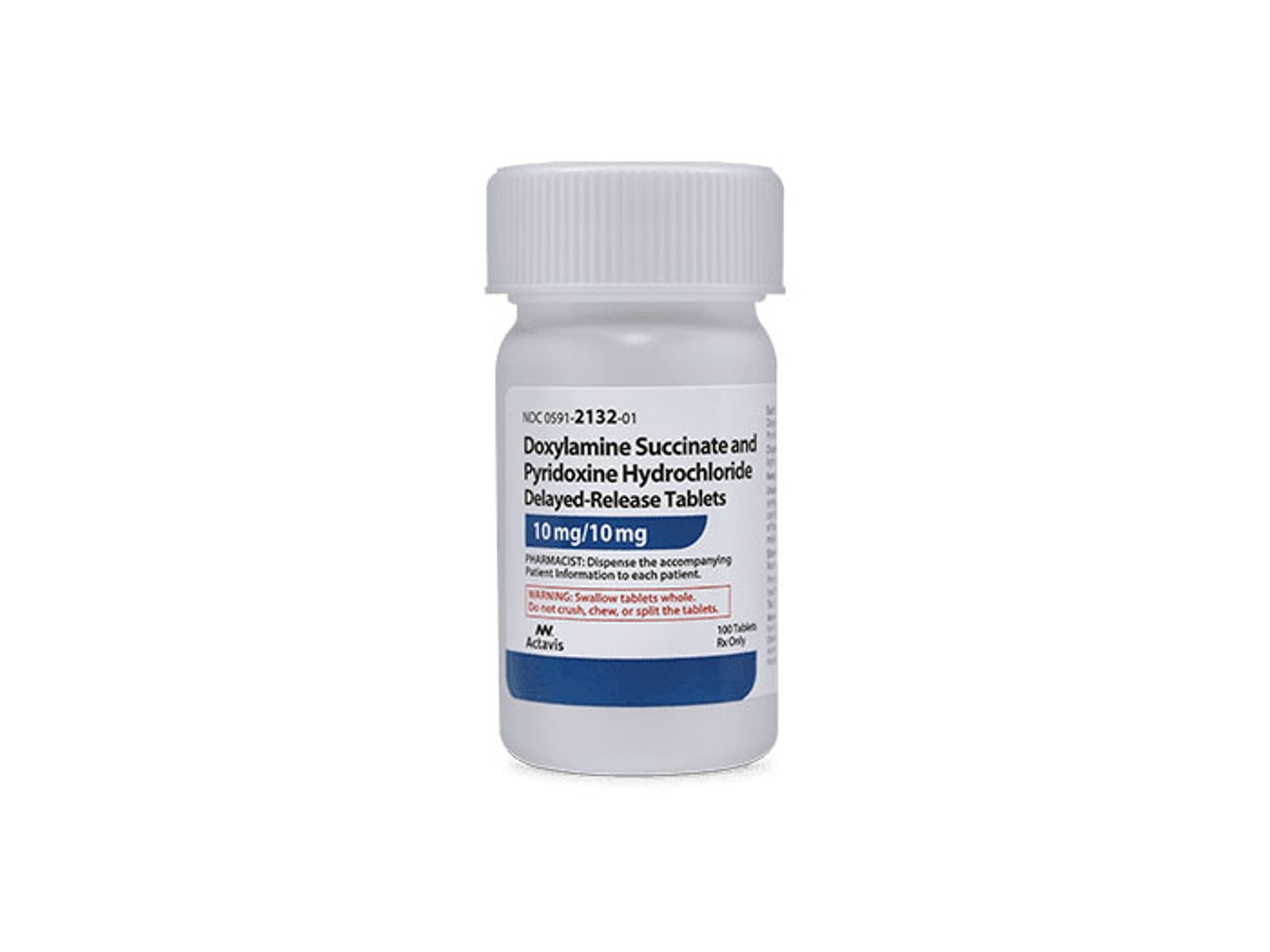
The Core Components: Defining the Diclegis Brand Identity
The foundation of any successful brand lies in its identity—the unique set of associations that the brand strategist aspires to create or maintain. For Diclegis, the brand identity was built on a vacuum in the market. Before its FDA approval in 2013, there was no specifically approved prescription drug for morning sickness in the United States.
Positioning in the Prenatal Care Market
Brand positioning is the act of designing a company’s offering to occupy a distinctive place in the mind of the target market. Diclegis positioned itself as the “Safe Haven” for pregnant women. By securing the first FDA approval for its specific indication in over 30 years, the brand was able to claim the title of the “Gold Standard.” This wasn’t just a medical designation; it was a powerful marketing tool.
The brand strategy focused on legitimizing a condition that had often been dismissed as a “natural part of pregnancy.” By giving the condition a clinical focus and providing a branded solution, Duchesnay moved the conversation from “enduring” morning sickness to “managing” it with a trusted pharmaceutical partner.
The Psychology of Safety and Efficacy in Naming
In pharmaceutical branding, naming is a meticulous process. “Diclegis” was designed to sound medical yet accessible. The soft consonant sounds suggest gentleness—a critical attribute when marketing to pregnant women who are hyper-aware of what they put into their bodies.
Furthermore, the brand identity emphasized its “delayed-release” mechanism. This technological feature was marketed as a brand benefit: consistency. By branding the delivery system alongside the medication, the company ensured that “Diclegis” became synonymous with long-term relief rather than a quick, volatile fix.
The Influencer Catalyst: The Kim Kardashian Case Study
Perhaps nothing defines “what is in Diclegis” more than its historic association with Kim Kardashian. In 2015, the brand executed a marketing maneuver that would change the landscape of influencer branding and digital security in advertising forever.
Leveraging Celebrity Equity
The brand strategy involved partnering with one of the most recognizable faces in the world to reach a massive demographic of young, digitally active women. Kardashian posted a “selfie” with the Diclegis bottle, praising the drug for its effectiveness. The strategy was clear: borrow the trust and personal connection consumers had with Kardashian and transfer it to the clinical product.
This move successfully vaulted Diclegis from a niche prescription drug to a viral sensation. It demonstrated the power of “Social Proof” in branding—the psychological phenomenon where people assume the actions of others in an attempt to reflect correct behavior for a given situation. If a high-profile mother trusted it, millions of others felt they could too.
The FDA “Warning Letter” and Crisis Communication
The branding effort hit a significant roadblock when the FDA issued a warning letter stating that Kardashian’s post failed to communicate any risk information, making the drug appear safer than it was. This moment is a cornerstone in the Diclegis brand narrative.
Instead of retreating, the brand utilized a “Correction Strategy.” Kardashian was required to post a follow-up “Corrective Ad” detailing the risks. Far from destroying the brand, this incident actually heightened brand awareness. The “scandal” kept Diclegis in the news cycle for weeks, and the transparency of the corrective post arguably strengthened the brand’s image as a responsible entity that adheres to rigorous safety standards, even when it makes a mistake.
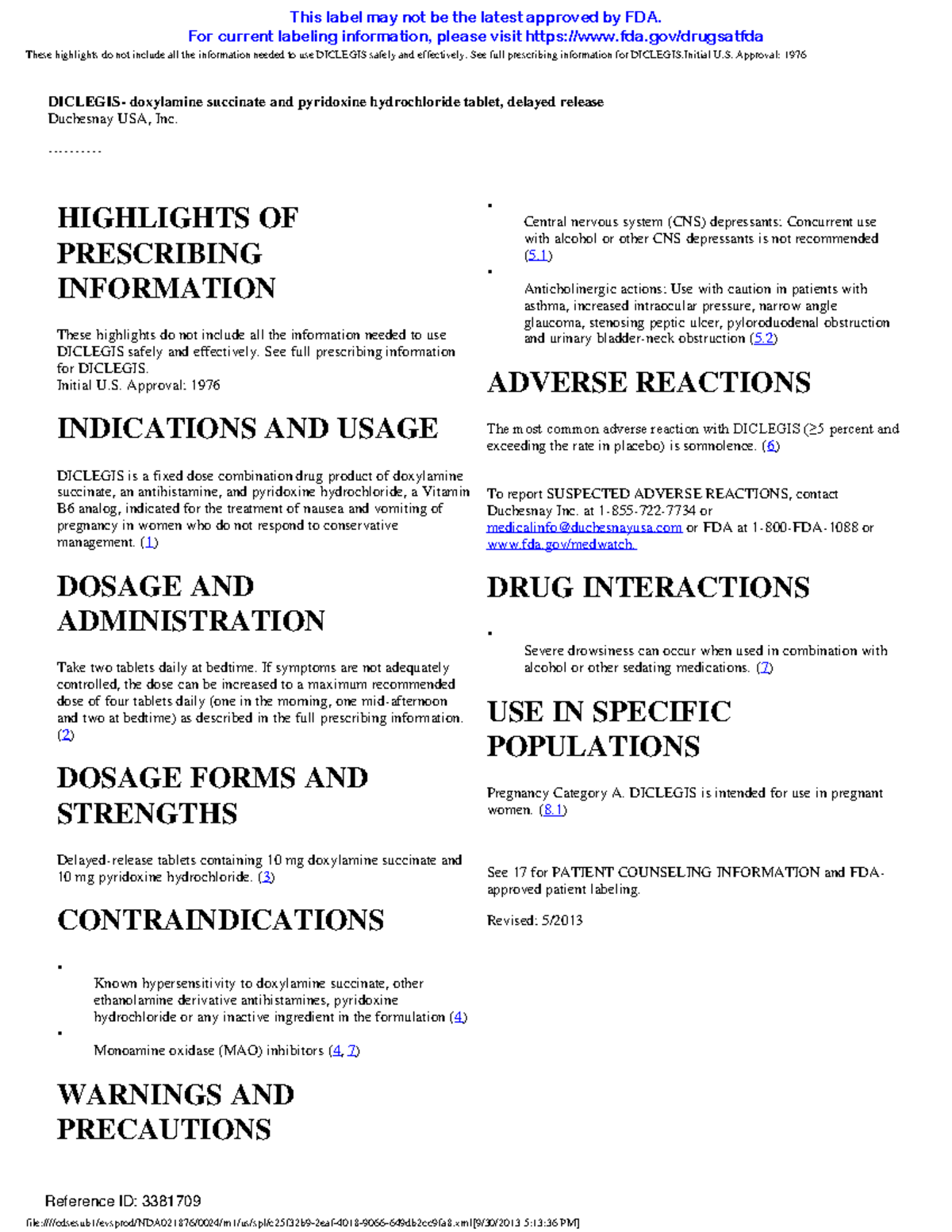
Narrative Design: How Diclegis Built a Trust-Based Brand
The pharmaceutical sector relies on a “High-Involvement” consumer decision-making process. Because the stakes are high (the health of a child), the brand narrative must be impeccable. Diclegis didn’t just market a pill; it marketed a better pregnancy experience.
Visual Identity and Packaging
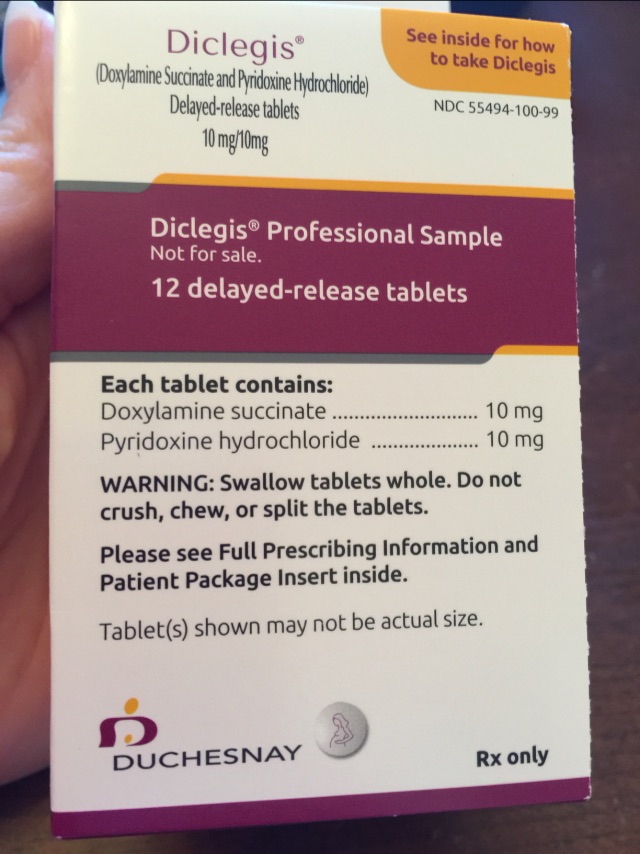
The visual components of the Diclegis brand are deeply intentional. The use of soft blues and whites in its packaging and digital assets evokes feelings of clinical purity and calmness. The logo, featuring a stylized image of a pregnant woman, provides an immediate emotional connection.
This visual shorthand is a critical part of the brand’s “Semiotic Strategy.” It communicates “This is for you” before a single word of copy is read. In a crowded pharmacy or a cluttered digital feed, these visual cues help the brand cut through the noise and establish an immediate rapport with the target audience.
Multi-Channel Marketing and Patient Education
A robust brand strategy in the medical field requires more than just ads; it requires education. Diclegis invested heavily in “Unbranded Awareness” campaigns. These are marketing efforts that educate the public about the condition (Nausea and Vomiting of Pregnancy or NVP) without explicitly mentioning the drug.
By becoming the “Thought Leader” on the condition itself, Duchesnay ensured that when patients went to their doctors to discuss their symptoms, the name Diclegis was the first one to come to mind. This is a classic “Pull Strategy” in marketing—creating demand at the consumer level so that the consumer asks the provider for the specific brand.
Brand Longevity and Defensive Strategy
The final element of “what is in Diclegis” is its strategy for staying relevant in a market prone to generic competition. Once a drug’s patent expires or generics enter the market, the brand name is the only thing protecting the company’s market share.
Navigating Generic Competition
To combat the entry of cheaper alternatives, the Diclegis brand strategy pivoted toward “Brand Loyalty” and “Perceived Value.” They emphasized the specific formulation and the proprietary manufacturing process. In their messaging, they subtly suggested that while a generic might have the same ingredients, it didn’t have the “Diclegis Heritage” or the same rigorous quality controls.
This defensive branding is common in the pharmaceutical industry, where “The Original” is often marketed as superior to “The Copy.” By focusing on the emotional peace of mind that comes with the original brand, Diclegis maintained a premium price point even when lower-cost options became available.
Future-Proofing the Corporate Portfolio
The success of the Diclegis brand allowed Duchesnay to expand its corporate identity. They used the equity built by Diclegis to launch Bonjesta, a higher-dose version of the same ingredients. This is a “Line Extension Strategy.”
By leveraging the existing trust in the Diclegis name, they were able to migrate a portion of their customer base to a new, patent-protected product. This ensures the longevity of the brand’s influence in the market, effectively creating a “Brand Ecosystem” where the company owns multiple solutions for the same consumer need.
Conclusion: The Ingredients of a Success Story
When analyzing “what is in Diclegis,” the answer is a complex blend of strategic positioning, celebrity influence, regulatory resilience, and emotional storytelling. The brand did not succeed merely because it had the right chemicals; it succeeded because it understood the psychology of its audience.
By transforming a medical necessity into a lifestyle-enabling brand, Diclegis carved out a permanent place in the pharmaceutical marketing hall of fame. It serves as a reminder to brand strategists across all industries that even the most clinical products require a human story, a clear identity, and a strategy that can survive the scrutiny of both regulators and the public eye. The “Diclegis Method” is now a blueprint for how to build a dominant brand in a high-stakes, highly scrutinized environment.
aViewFromTheCave is a participant in the Amazon Services LLC Associates Program, an affiliate advertising program designed to provide a means for sites to earn advertising fees by advertising and linking to Amazon.com. Amazon, the Amazon logo, AmazonSupply, and the AmazonSupply logo are trademarks of Amazon.com, Inc. or its affiliates. As an Amazon Associate we earn affiliate commissions from qualifying purchases.