
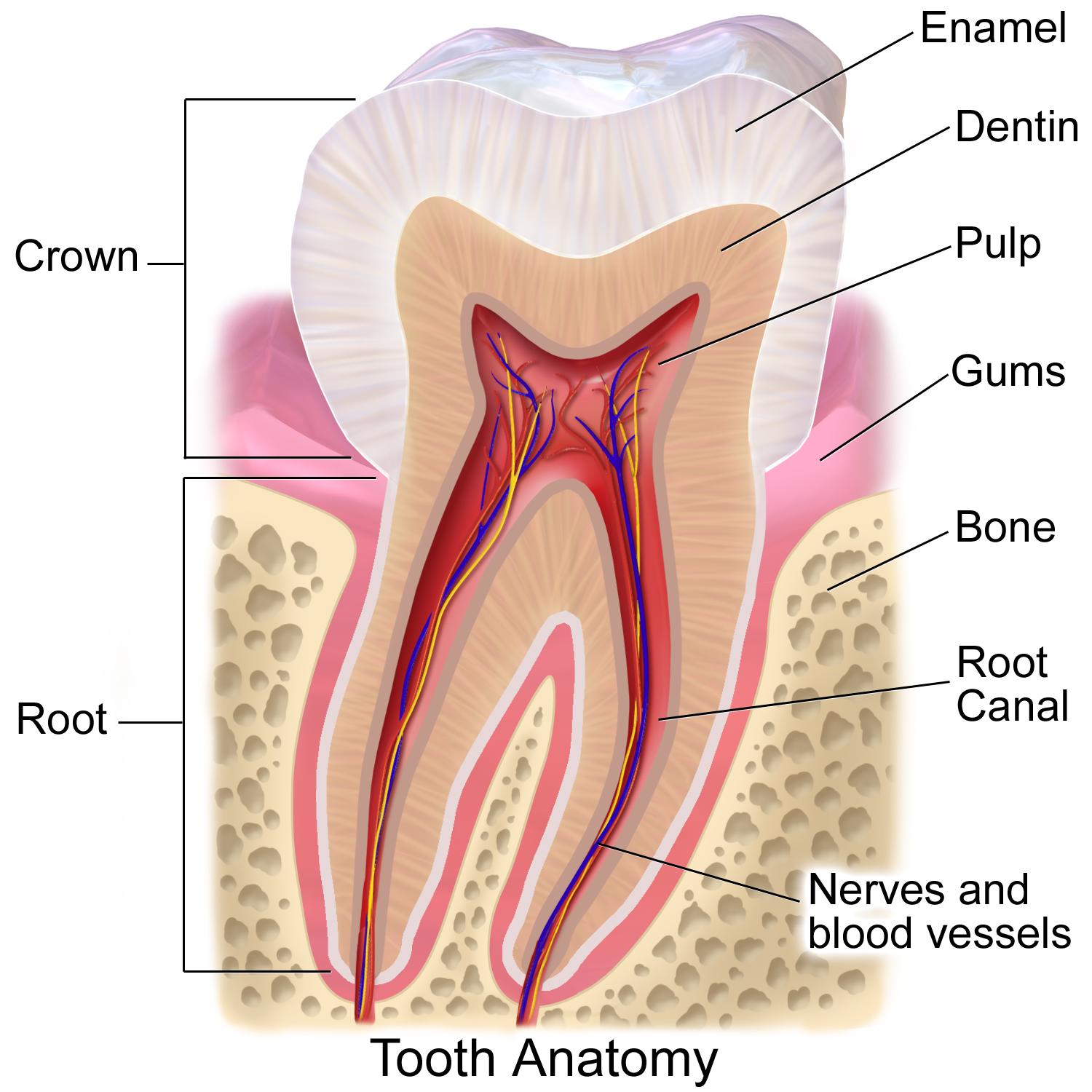
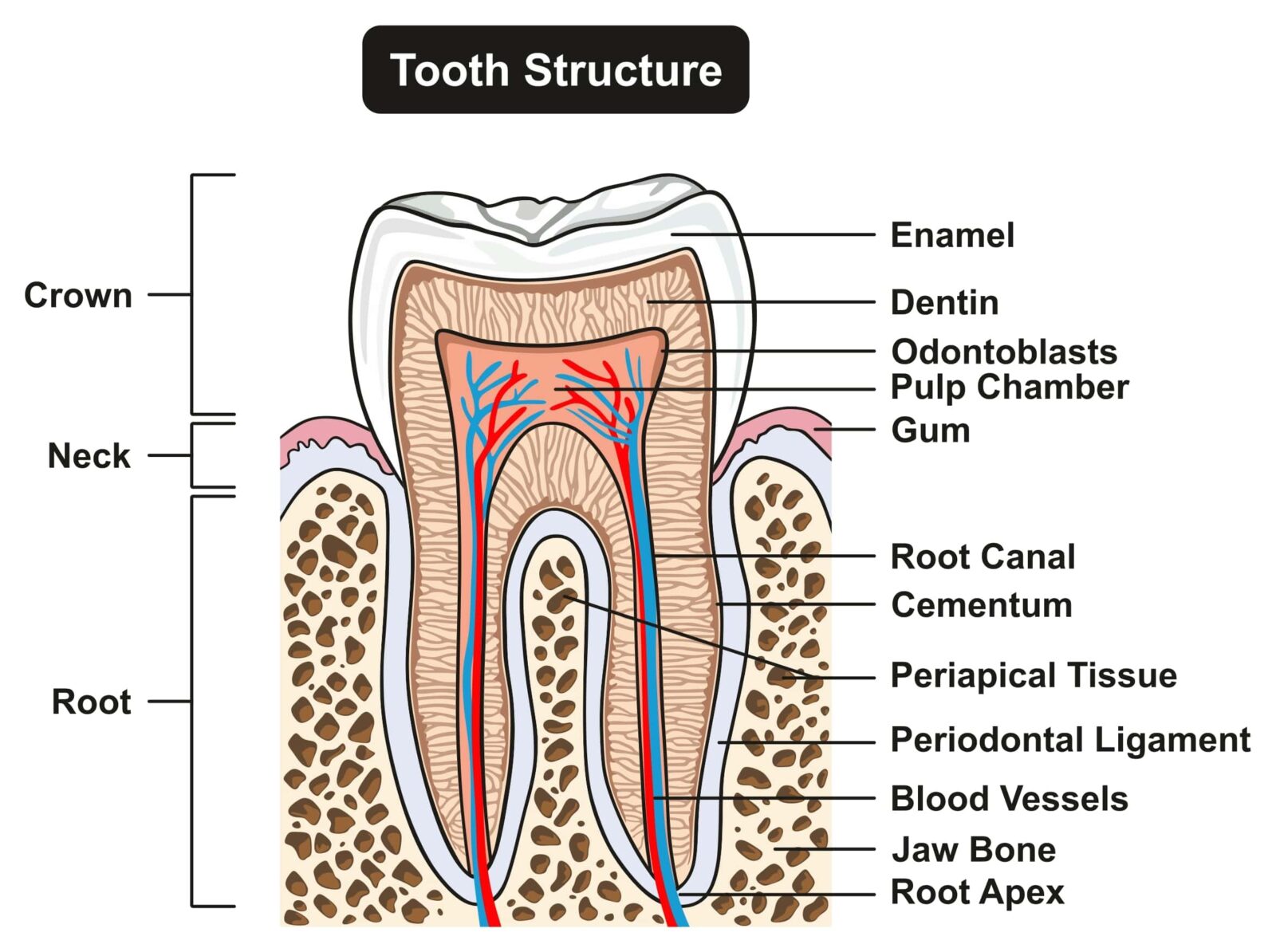
For decades, the answer to the question “what is in a tooth” was a simple matter of biological anatomy: enamel, dentin, pulp, and cementum. However, as we move deeper into the fourth industrial revolution, the composition of the human tooth—and the prosthetic replacements we design to mimic it—is being redefined by high-level material science, biotechnology, and integrated sensors. In the modern dental landscape, a tooth is no longer just a tool for mastication; it is becoming a sophisticated site for technological intervention, diagnostic monitoring, and regenerative engineering.
The evolution of dental technology has shifted the focus from reactive repair to proactive, data-driven wellness. By exploring the technological components currently being integrated into dental care, we can understand how the “anatomy” of a tooth is evolving into a complex nexus of hardware, software, and bio-compatible materials.
The Digital Blueprint: Advanced Biomaterials and Synthetic Composition
When we look at the structural integrity of a modern tooth replacement—whether it is a crown, an implant, or a veneer—the “ingredients” have moved far beyond the gold and mercury amalgams of the past. Today, the internal composition of a restored tooth is a masterclass in material engineering.
The Rise of Bio-Ceramics and Zirconia
In contemporary reconstructive tech, the “enamel” we create in laboratories is often composed of yttria-stabilized tetragonal zirconia polycrystal (Y-TZP). This material is favored not just for its aesthetic similarity to natural teeth, but for its mechanical properties. It possesses a “transformation toughening” capability; when a crack begins to form, the material undergoes a phase change that effectively clamps the crack shut. This level of structural intelligence within the material itself represents a significant leap in how we approach the longevity of dental interventions.
3D-Printed Microstructures
The interior of a modern dental prosthetic is increasingly designed using Computer-Aided Design (CAD) and realized through additive manufacturing (3D printing). Unlike traditional milling, which carves a tooth from a solid block, 3D printing allows for the creation of gradient structures. Engineers can now print a “tooth” that is denser on the outside and more porous on the inside, mimicking the natural transition from enamel to dentin. This biomimetic approach ensures that the “tooth” handles stress and thermal expansion in a way that protects the underlying biological tissue, integrating technology seamlessly with human biology.
The Smart Tooth: IoT and Internal Biometric Sensors
The most radical change in what constitutes a “tooth” lies in the integration of micro-electronics. The concept of the “Smart Tooth” is transitioning from research laboratories into clinical reality, turning the oral cavity into a continuous stream of health data.
Real-Time Biochemical Monitoring
Research into intra-oral sensors has led to the development of “smart fillings” and orthodontic brackets equipped with RFID tags and biosensors. These components can monitor the pH levels of saliva, the presence of specific bacterial strains like Streptococcus mutans, and even glucose levels. For a patient, the tooth becomes a diagnostic tool that can alert a smartphone app to the onset of a cavity or a systemic health issue long before physical symptoms appear. This integration of the Internet of Things (IoT) into the very fabric of a tooth changes its role from a passive organ to an active health guardian.
Force Sensing and Bruxism Management
For patients suffering from bruxism (teeth grinding) or those with dental implants, the inclusion of pressure-sensitive piezoelectric sensors within a crown or bridge provides invaluable data. These sensors can measure the force and frequency of clenching, transmitting this data to clinicians to adjust treatment plans or calibrate the fit of the prosthetic. By placing technology inside the tooth, we gain a level of granular insight into human biomechanics that was previously inaccessible.

Regenerative Tech: The Biological Hardware of the Future
While synthetic materials are impressive, the cutting edge of dental technology is focused on “growing” what is inside a tooth. The field of regenerative endodontics is utilizing stem cell technology and hydrogel scaffolds to replace traditional synthetic fillings with living tissue.
Stem Cell Scaffolding and Hydrogels
The traditional “root canal” involves removing the pulp and replacing it with a rubber-like material called gutta-percha. Modern technology is looking to change this by injecting bioactive scaffolds into the tooth’s chamber. These scaffolds are infused with signaling molecules that recruit the body’s own stem cells to the site. The goal is to regenerate the dental pulp—the “heart” of the tooth—including its blood vessels and nerves. In this context, what is “in” the tooth is a sophisticated blend of biological “hardware” and biochemical “software” that triggers the body’s natural healing mechanisms.
Laser-Triggered Regeneration
Low-level light therapy (LLLT) is another technological layer being applied to the tooth’s interior. Specific wavelengths of laser light can stimulate the growth of tertiary dentin by activating latent transforming growth factors. This non-invasive technological intervention allows dentists to “recharge” a tooth’s natural defense mechanisms, proving that the future of dental tech is as much about light and energy as it is about physical matter.
Mapping the Invisible: AI and High-Resolution Diagnostic Infrastructure
To understand what is in a tooth, we first have to see it. The technological infrastructure used to map dental anatomy has moved beyond the two-dimensional X-ray into the realm of AI-driven volumetric analysis.
Cone Beam Computed Tomography (CBCT) and Digital Twins
The standard of care now involves CBCT, which provides a three-dimensional rendering of the tooth, the roots, and the surrounding bone structure. This data is used to create a “Digital Twin” of the patient’s mouth. By having a virtual replica, clinicians can simulate surgeries, stress-test prosthetic designs, and predict how a tooth will move or decay over time. The “tooth” is thus no longer just a physical object but a data-rich digital asset that can be analyzed by machine learning algorithms.
AI-Enhanced Diagnostics
Artificial Intelligence is now being used to analyze what is “inside” a tooth by scanning radiographs for patterns invisible to the human eye. AI models can detect the earliest stages of demineralization or identify micro-fractures in the root structure. By training on millions of dental images, these tools provide a level of diagnostic precision that ensures the internal integrity of the tooth is maintained. This layer of “software oversight” is becoming an essential component of the modern tooth’s ecosystem, ensuring that “what is inside” remains healthy and functional.
The Future: Bio-Printing and the End of Synthetic Crowns
As we look toward the horizon, the definition of what is in a tooth will likely shift again toward purely biological components manufactured through technological means. Bio-printing—the process of using “bio-inks” composed of living cells—is currently being explored to print entire tooth buds.
In this future scenario, a patient who loses a tooth wouldn’t receive a titanium screw and a ceramic crown. Instead, they would receive a bio-printed tooth bud that is implanted into the jaw, where it grows into a natural, living tooth. Here, technology serves as the midwife to biology. The “tech” isn’t the final product; it is the process that enables the creation of a perfect biological replacement.
The question of “what is in a tooth” has evolved from a basic biological inquiry into a complex discussion about the limits of human enhancement and the capabilities of modern engineering. From zirconia frameworks that mimic the toughness of natural enamel to smart sensors that broadcast our health status to the cloud, the tooth is becoming one of the most technologically advanced parts of the human body. As we continue to bridge the gap between silicon and carbon, the humble tooth stands as a testament to the power of integration, proving that the future of health is not just about treating the body, but about upgrading it with the finest tools technology has to offer.
aViewFromTheCave is a participant in the Amazon Services LLC Associates Program, an affiliate advertising program designed to provide a means for sites to earn advertising fees by advertising and linking to Amazon.com. Amazon, the Amazon logo, AmazonSupply, and the AmazonSupply logo are trademarks of Amazon.com, Inc. or its affiliates. As an Amazon Associate we earn affiliate commissions from qualifying purchases.