
A severe migraine is more than a simple headache; it is a neurological event that can become a significant financial burden. When a patient arrives at the emergency department seeking relief for a “status migrainosus”—a migraine that lasts more than 72 hours—they are often treated with what clinicians call a “migraine cocktail.” While the primary goal is medical relief, the economic reality of this intervention is a complex tapestry of pharmaceutical markups, facility fees, and billing codes. Understanding what is in a migraine cocktail from a financial and business perspective is essential for patients navigating the modern healthcare marketplace.

The Economics of the Migraine Cocktail: Why It Costs What It Does
From a financial standpoint, the migraine cocktail is a high-margin service for healthcare providers. It represents a bundle of relatively inexpensive, generic medications administered in a high-cost environment. The total bill for an emergency room visit for a migraine can range from $1,500 to over $5,000, depending on the hospital’s tiering and geographic location.
Breaking Down the Billable Components
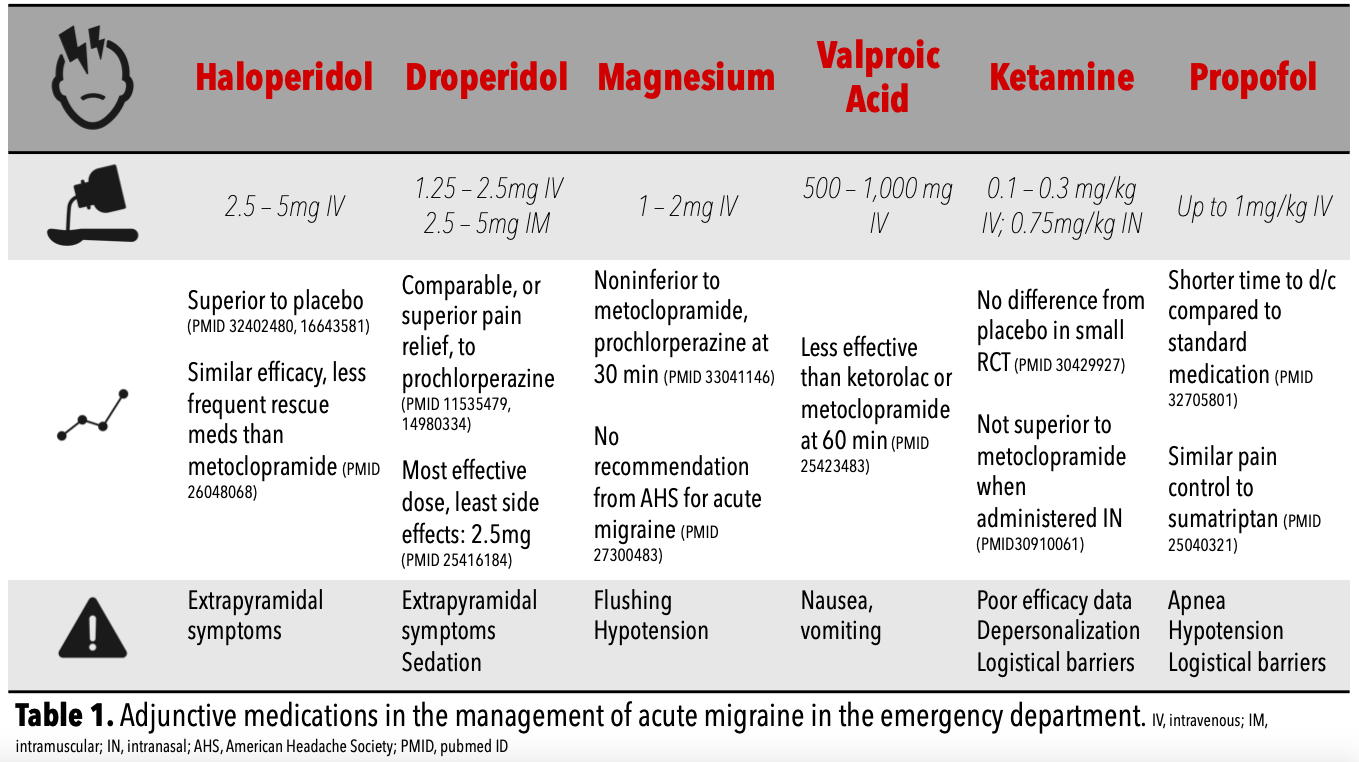
The “cocktail” is not a single drug but a combination of intravenous (IV) agents designed to attack the headache from multiple neurological pathways. When looking at an itemized hospital bill, these components are often listed with significant markups over their wholesale acquisition cost (WAC).
- IV Saline (Hydration): Often the baseline of the cocktail. While a liter of saline costs a hospital less than $5, the billed amount to the patient or insurer can exceed $200.
- NSAIDs (Ketorolac/Toradol): This potent anti-inflammatory is a staple. As a generic drug, its cost is negligible to the provider, yet it is a key billable unit in the acute care protocol.
- Antiemetics (Metoclopramide or Prochlorperazine): These treat the nausea associated with migraines and are believed to have inherent anti-migraine properties. These are low-cost generics that carry high utility in justifying the “emergency” level of care.
- Antihistamines (Diphenhydramine/Benadryl): Often added to prevent the side effects of the antiemetics, such as akathisia (restlessness).
- Dopamine Antagonists: These are higher-tier medications that require careful monitoring, allowing the hospital to justify higher nursing and observation fees.
The Hidden Costs of Facility Fees and Administrative Overhead
The medications themselves usually represent less than 10% of the total bill. The majority of the cost of a hospital migraine cocktail comes from “Facility Fees.” This is the price a patient pays simply for the privilege of sitting in an ER bed and having access to 24/7 medical staff. For the hospital, the migraine patient is an “efficient” patient—they generally do not require the intensive surgical resources of a trauma patient, yet they occupy a bed that generates high-level billing through infusion services.
Insurance Navigation and Billing Codes for Acute Migraine Treatment
For the consumer, the true cost of a migraine cocktail is often dictated by the nuances of medical coding and insurance coverage. Understanding how a hospital translates a few bags of IV fluid into a multi-page financial statement is key to managing personal healthcare expenses.
Understanding CPT Codes in the Emergency Room
Hospitals use Current Procedural Terminology (CPT) codes to communicate with insurance companies. The way a migraine cocktail is coded can drastically alter the final balance on a patient’s statement.
- CPT 96365: This is the code for the first hour of an intravenous infusion for therapy, prophylaxis, or diagnosis. This is often the primary driver of the professional fee in a migraine cocktail treatment.
- CPT 96366: This code is used for each additional hour of infusion. If a migraine cocktail is administered slowly to prevent side effects, the cost scales hourly.
- Evaluation and Management (E/M) Codes: These range from Level 1 to Level 5. A severe migraine often triggers a Level 3 or 4 E/M code, reflecting the “moderate to high complexity” of the medical decision-making involved.
From a money management perspective, patients should ensure that their “migraine cocktail” isn’t being upcoded to a Level 5 emergency unless there was a significant threat to life or limb, as the price difference between levels can be hundreds of dollars.
The Impact of “Out-of-Network” Specialists on Your Final Bill
Even if a hospital is “in-network” for a patient’s insurance, the attending physician who orders the migraine cocktail might be an independent contractor who is “out-of-network.” This can lead to “balance billing,” where the patient is responsible for the difference between what the insurance pays and what the doctor charges. While the No Surprises Act has mitigated some of these issues in the United States, the financial complexity of emergency migraine care remains a significant risk for the uninsured or those with high-deductible health plans (HDHPs).
The Business of Specialized Migraine Clinics vs. General ER Visits
In the last decade, a new market has emerged: the specialized headache center and the “IV hydration bar.” These businesses have identified a gap in the market where they can offer the same “migraine cocktail” ingredients at a fraction of the hospital’s price, though with different levels of medical oversight.
Profit Margins on Intravenous Infusions
Specialized infusion clinics operate on a high-volume, lower-overhead model compared to hospitals. By stripping away the 24/7 trauma capabilities of an ER, these clinics can offer a migraine cocktail for $200 to $500. This is a disruptive business model that targets the “self-pay” or “high-deductible” demographic. For the savvy consumer, choosing a specialized clinic for an acute migraine—provided it is not a life-threatening emergency—can result in a 90% cost saving compared to a hospital visit.
The Subscription Model Trend in Migraine Management
Some boutique neurology practices are moving toward “membership” or “concierge” models. For a monthly fee, patients get guaranteed access to acute treatments like the migraine cocktail without the unpredictability of ER billing. This provides the medical practice with a steady, recurring revenue stream and offers the patient a predictable “fixed cost” for their chronic condition. From a personal finance perspective, this converts a “black swan” financial event (an unexpected $3,000 ER bill) into a manageable monthly line item.
Financial Alternatives: Managing Migraine Costs Outside the Hospital
The most effective way to manage the high cost of a hospital migraine cocktail is to avoid the hospital entirely through strategic financial and medical planning. This involves a shift from “reactive” spending to “proactive” investing in one’s health.
The ROI of Preventative vs. Abortive Spending
In the world of finance, preventative care offers a much higher Return on Investment (ROI) than acute care. Newer classes of drugs, such as CGRP inhibitors (e.g., Aimovig, Emgality), can cost between $600 and $800 per month. While this seems high, the “break-even” point is reached if these medications prevent just two emergency room visits per year.
Furthermore, many pharmaceutical companies offer “copay cards” that reduce the out-of-pocket cost of these expensive preventatives to nearly zero. Utilizing these corporate marketing subsidies is a vital strategy for anyone looking to optimize their healthcare budget while avoiding the exorbitant costs of hospital-administered migraine cocktails.
Utilizing HSAs and FSAs for Infusion Therapy
For those who do require hospital-grade interventions, Health Savings Accounts (HSAs) and Flexible Spending Accounts (FSAs) are essential tools. Since a migraine cocktail is a qualified medical expense, using pre-tax dollars to pay for it provides an immediate discount equivalent to the patient’s marginal tax rate. For a professional in a 24% tax bracket, paying a $1,000 hospital bill through an HSA is effectively a $240 saving compared to paying with post-tax income.

The Future of Migraine Treatment Economics
As healthcare moves toward “value-based care,” the way hospitals bill for migraine cocktails is likely to change. Insurers are increasingly pushing for “bundled payments,” where a hospital receives a flat fee for treating a migraine, regardless of the specific drugs used. This encourages hospitals to be more efficient and could eventually lower the “sticker price” for the consumer.
Additionally, the rise of telehealth and home-infusion services is bringing the “migraine cocktail” into the patient’s living room. By eliminating the facility fee of the hospital, these tech-enabled services represent the next frontier in the business of migraine relief. For the patient, the “cocktail” remains the same—a mix of fluids, anti-inflammatories, and anti-nausea meds—but the delivery system is being redesigned to be faster, cheaper, and more accessible.
In conclusion, while the “migraine cocktail” is a medical necessity for many, it is also a significant economic event. By understanding the ingredients, the billing codes, and the market alternatives, patients can make informed decisions that protect both their neurological health and their financial well-being. Whether it is through navigating insurance complexities or opting for specialized clinics, managing the “money” side of a migraine is just as important as managing the pain.
aViewFromTheCave is a participant in the Amazon Services LLC Associates Program, an affiliate advertising program designed to provide a means for sites to earn advertising fees by advertising and linking to Amazon.com. Amazon, the Amazon logo, AmazonSupply, and the AmazonSupply logo are trademarks of Amazon.com, Inc. or its affiliates. As an Amazon Associate we earn affiliate commissions from qualifying purchases.