
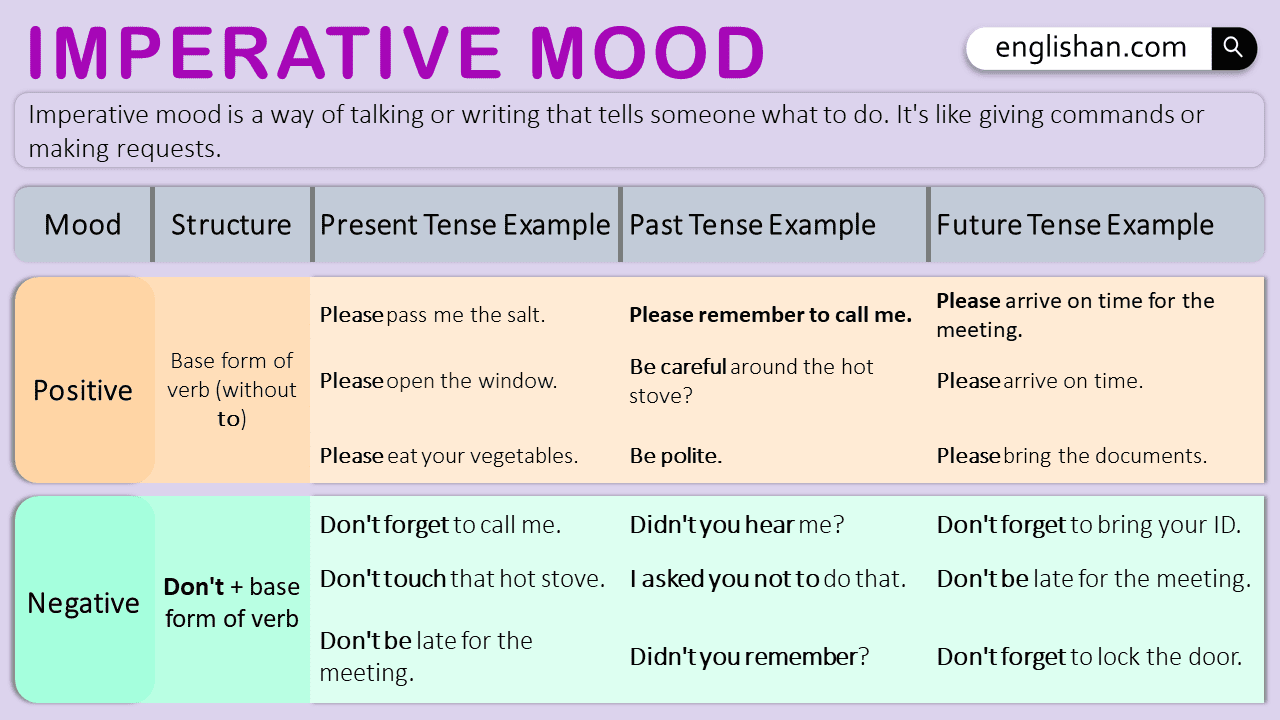
In the world of linguistics, the “imperative mood” is a grammatical category used to form commands, requests, or prohibitions. It is the language of “do,” “go,” “buy,” and “see.” While a grammarian might view the imperative as a simple structural tool, a brand strategist views it as one of the most potent psychological instruments in the marketing arsenal.
In branding, the imperative mood is the bridge between a consumer’s passive observation and their active participation. It is the linguistic engine behind the world’s most successful slogans and the tactical foundation of every high-converting Call-to-Action (CTA). Understanding what the imperative mood is—and how to deploy it strategically—is essential for any brand looking to cut through the noise of the digital age and drive meaningful consumer behavior.

The Psychology of the Imperative: Why Commands Drive Brand Action
At its core, the imperative mood works because it reduces the cognitive load on the consumer. We live in an era of “choice overload,” where the average person is bombarded with thousands of brand messages daily. When a brand uses the indicative mood (e.g., “Our product is the best”), it invites the consumer to evaluate a claim. When a brand uses the imperative mood (e.g., “Experience the best”), it provides a direct instruction.
Reducing Decision Fatigue
Psychologically, the imperative mood taps into our desire for direction. When a brand identity is built on clear, authoritative commands, it positions itself as a leader. By telling the consumer exactly what to do—”Join the revolution,” “Start your journey,” “Refresh your world”—the brand removes the friction of “what comes next?” This directness creates a sense of momentum, guiding the customer through the marketing funnel with minimal mental resistance.
The Power of Psychological Priming
The imperative mood acts as a form of psychological priming. By using action-oriented verbs, brands activate the motor centers of the brain. When we read the word “Run,” our brains process the concept of running more vividly than if we read a description of a runner. For a brand, this means that imperative language makes the brand experience feel more visceral and immediate. It isn’t just a suggestion; it is a shared experience initiated by the brand’s voice.
Crafting the Imperative Brand Voice: From Slogans to Microcopy
Integrating the imperative mood into a brand strategy requires more than just adding “do it” to the end of a sentence. It requires a deep understanding of the brand’s core values and the specific emotional response the brand wishes to elicit. The imperative mood can be authoritative, inviting, urgent, or even rebellious.
The Anatomy of an Iconic Slogan
The most famous example of the imperative mood in branding history is Nike’s “Just Do It.” This three-word command transformed a footwear company into a global symbol of motivation. It doesn’t describe the shoes; it commands the lifestyle.
Similarly, Apple’s “Think Different” (while grammatically debated as an adverbial use, it functions as a command) shifted the brand from a computer manufacturer to a catalyst for creative rebellion. These slogans work because they don’t ask for permission; they set an expectation. They use the imperative mood to define the consumer’s identity through action.
Microcopy and the Digital User Experience
Beyond high-level slogans, the imperative mood is the workhorse of modern UX/UI design. In digital branding, every button is an opportunity to use the imperative mood to increase conversion rates.
- “Sign Up Today” (Direct and Clear)
- “Get Your Free Guide” (Value-Driven Command)
- “Unlock Exclusive Access” (Aspirational Command)
The key to successful imperative microcopy is the choice of the verb. Generic verbs like “Submit” or “Click” are functionally imperative but emotionally hollow. Strategic brands use “Power” verbs—”Transform,” “Discover,” “Master”—to turn a simple command into a brand promise.
The Strategic Balance: When to Command and When to Invite
While the imperative mood is powerful, its overconsumption can lead to “brand fatigue” or come across as overly aggressive. Effective brand strategy involves knowing when to use the imperative mood to drive action and when to use the indicative or interrogative moods to build a relationship.
The “Soft” Imperative
In luxury branding or relationship-based marketing, the “hard” imperative can sometimes feel too transactional. In these contexts, brands often use what is known as the “soft imperative.” Instead of “Buy our watch,” the brand might say, “Begin your legacy.” The verb is still imperative, but the emotional context is one of invitation and long-term value. This subtle shift maintains the authority of the command while softening the edges for a more sophisticated audience.
Contextual Relevance and Consumer Autonomy
The modern consumer values autonomy. If a brand uses the imperative mood too frequently, it can trigger “reactance”—a psychological phenomenon where people resist being told what to do if they feel their freedom of choice is being threatened.
To avoid this, brands must align their commands with the consumer’s current state of mind. During the “Awareness” phase of the buyer’s journey, the imperative should be low-pressure (“Learn more,” “Explore the collection”). During the “Decision” phase, the imperative can become more assertive (“Buy now,” “Claim your discount”). Mastering this timing ensures that the command feels like a helpful nudge rather than a forceful demand.
Case Studies in Imperative Branding: Successes and Pitfalls
Analyzing how global giants use the imperative mood provides a roadmap for smaller brands looking to refine their identity.
Success: Coca-Cola’s “Share a Coke”
Coca-Cola’s “Share a Coke” campaign is a masterclass in the imperative mood. By placing a command directly on the product packaging, they turned a passive beverage into a social catalyst. The command “Share” gave the consumer a specific mission, which resulted in a massive spike in social media engagement and sales. It wasn’t just a label; it was an instruction for social interaction.
Success: Airbnb’s “Belong Anywhere”
Airbnb uses the imperative mood to sell a feeling rather than a service. “Belong Anywhere” is a command to the soul. It addresses the universal human desire for connection and home. By using the imperative “Belong,” Airbnb elevates its platform from a booking site to a philosophy of travel.
Potential Pitfalls: Tone-Deaf Commands
The danger of the imperative mood lies in the “Tone-Deaf Command.” This occurs when a brand issues an instruction that is disconnected from the reality of the consumer’s experience. For example, a financial institution telling struggling consumers to “Spend Big” during a recession would face significant backlash. The imperative mood must always be grounded in empathy. If the command feels exploitative or out of touch, it will damage the brand’s corporate identity and erode trust.
Conclusion: The Command as a Brand Promise
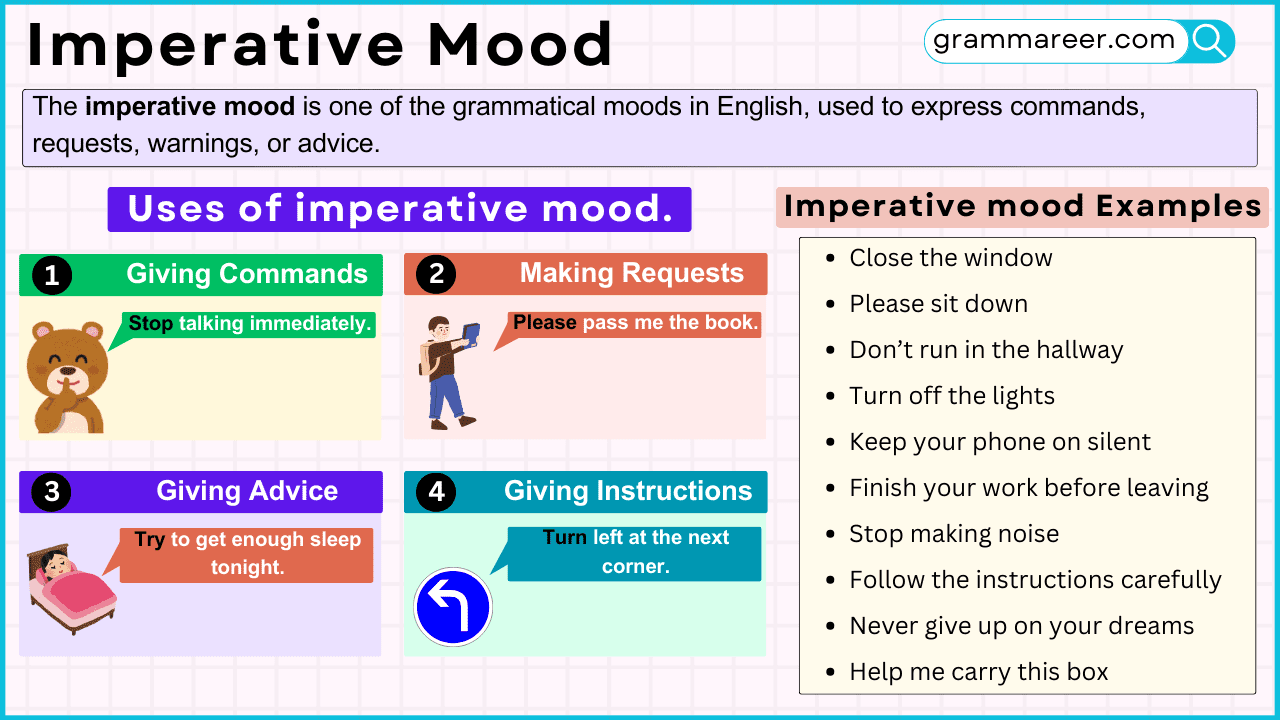
What is the imperative mood? In the context of brand strategy, it is the most direct line of communication between a vision and a consumer’s reality. It is the language of leadership, clarity, and action. When a brand uses the imperative mood correctly, it does more than just sell a product; it defines a path forward for the customer.
By mastering the psychology of the command, choosing the right “power verbs” for microcopy, and balancing authority with empathy, brands can create a voice that is not only heard but followed. In an increasingly distracted world, the ability to say “Do this” with confidence, grace, and strategic intent is the hallmark of a truly powerful brand. Whether you are crafting a global slogan or a single CTA button, remember that the imperative mood is your most direct tool for turning a brand’s “What” into a consumer’s “Wow.”
aViewFromTheCave is a participant in the Amazon Services LLC Associates Program, an affiliate advertising program designed to provide a means for sites to earn advertising fees by advertising and linking to Amazon.com. Amazon, the Amazon logo, AmazonSupply, and the AmazonSupply logo are trademarks of Amazon.com, Inc. or its affiliates. As an Amazon Associate we earn affiliate commissions from qualifying purchases.