
In the rapidly evolving landscape of hardware technology, the impact driver stands as a testament to engineering precision and mechanical efficiency. While it may externally resemble a standard cordless drill, the internal mechanics and the “tech” behind its operation represent a specialized branch of rotational force management. For professionals in construction, automotive engineering, and even tech-savvy DIY enthusiasts, understanding the nuances of an impact driver is essential for selecting the right tool for high-demand tasks.
This article explores the sophisticated technology behind the impact driver, its mechanical advantages over traditional drills, and how modern innovations like brushless motors and digital connectivity are transforming this essential gadget into a “smart” tool.
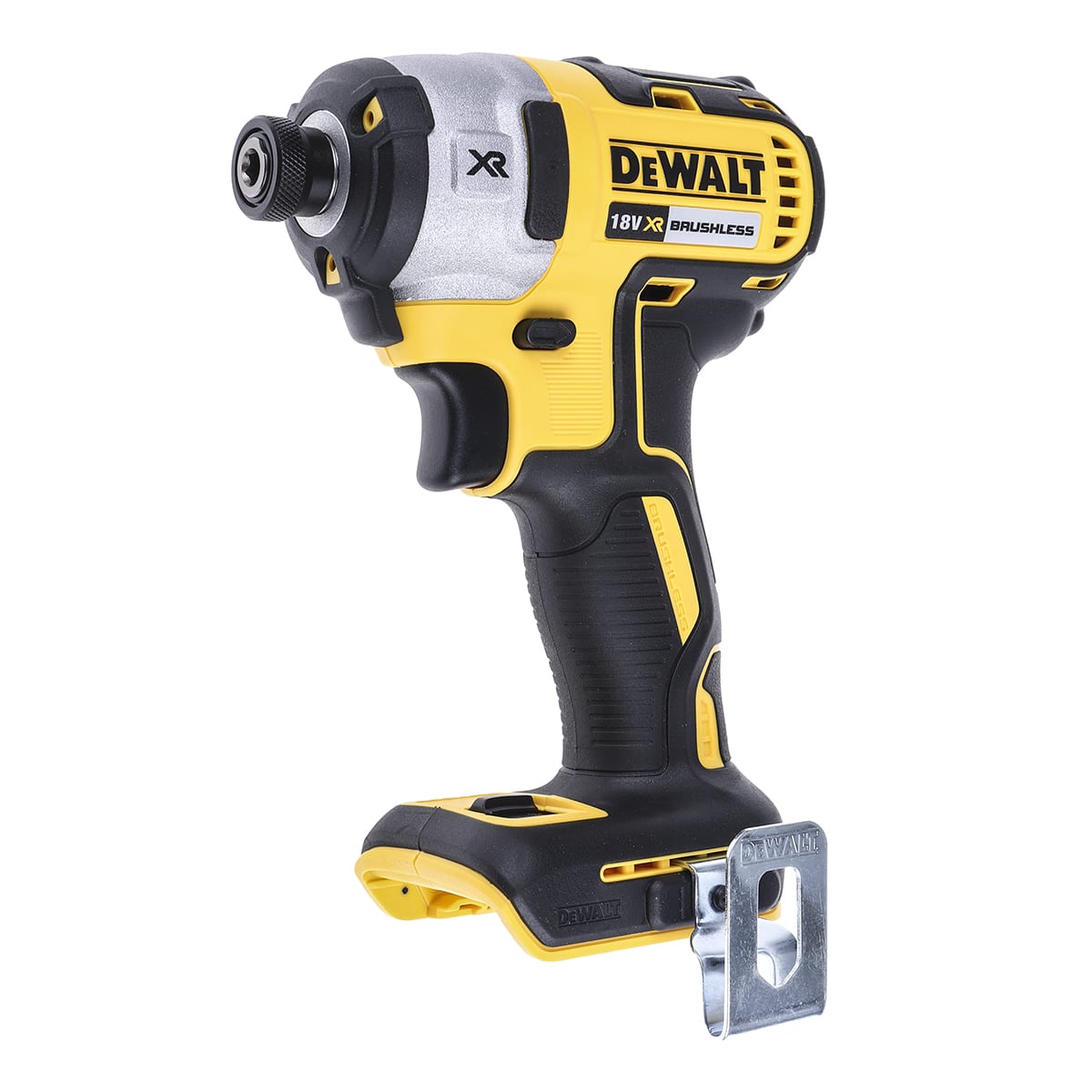
Understanding the Core Technology: The Anatomy of an Impact Driver
At its heart, an impact driver is a high-torque tool designed primarily for driving screws and tightening bolts. Unlike a standard drill, which relies on a constant rotational force (torque) provided by a motor and a gear set, the impact driver utilizes a specialized internal mechanism to provide bursts of extreme power.
The Rotational Striking Mechanism (Hammer and Anvil)
The defining technological feature of an impact driver is its “hammer and anvil” mechanism. Inside the tool, a heavy spring-loaded weight (the hammer) is rotated by the motor. When the resistance of the screw or bolt increases, the spring compresses, allowing the hammer to disengage and then strike the “anvil” (the part connected to the bit).
This creates a rapid sequence of high-energy rotational impacts. This is fundamentally different from a hammer drill, which strikes forward (like a jackhammer). The impact driver strikes rotationally, ensuring that the force is directed entirely into turning the fastener.
Rotational Torque vs. Static Pressure
In a traditional drill, the user often has to apply significant downward pressure to prevent the bit from “camming out” (slipping out of the screw head). The impact driver’s technology mitigates this. Because the torque is delivered in short, intense bursts, the bit stays seated in the fastener more effectively. This allows the tool to generate significantly more torque than a drill of the same size, often exceeding 1,500 inch-pounds of force in a compact 18V or 20V chassis.
The Hex-Collet Advantage
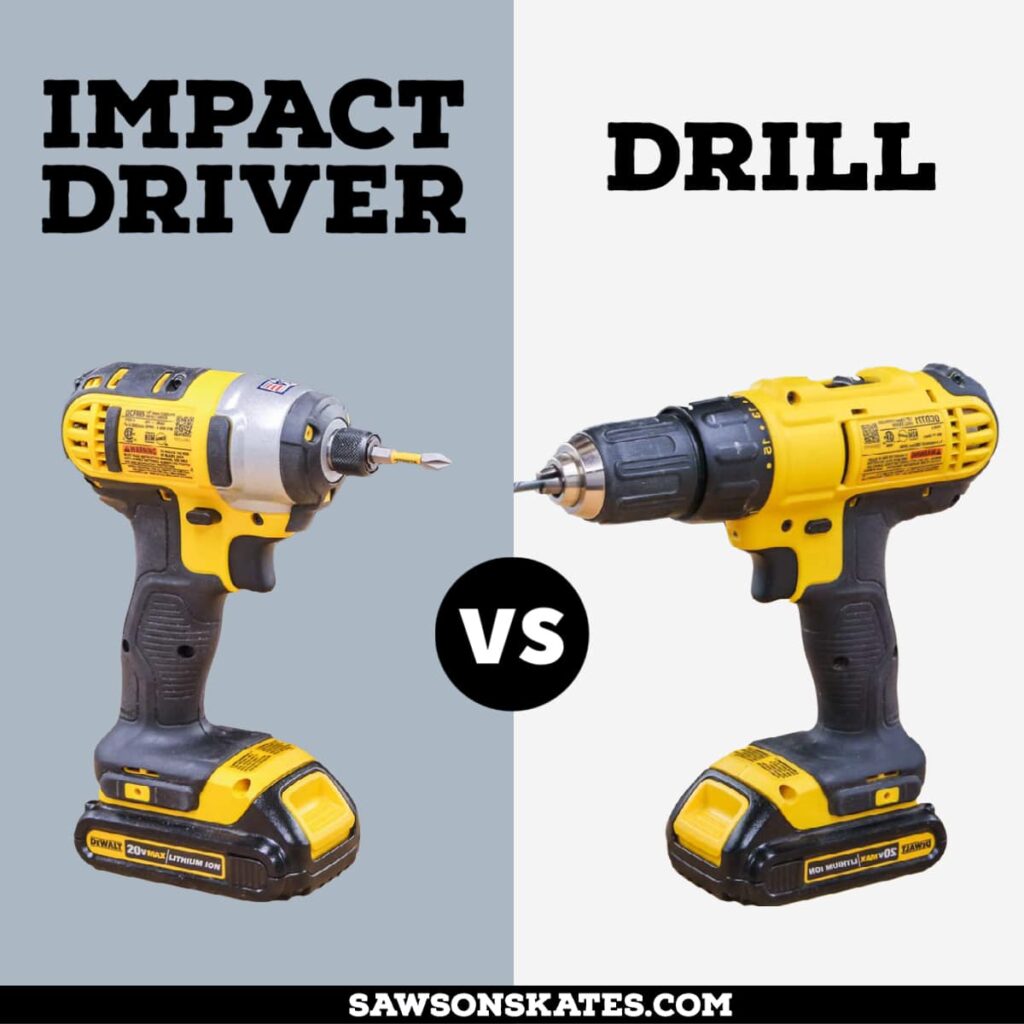
From a hardware design perspective, impact drivers forgo the traditional three-jaw chuck found on drills. Instead, they use a 1/4-inch hex-shank quick-release collet. This design is optimized for efficiency and compactness. It allows for one-handed bit changes and ensures that the bit cannot slip within the chuck under high-torque loads—a common failure point in standard drill technology.
Impact Driver vs. Drill Driver: Key Technological Differences
To the uninitiated, these two tools are interchangeable, but from a technical standpoint, they serve distinct functions. The decision to use one over the other depends on the mechanical requirements of the project.
Speed and Torque Management
A standard drill is a versatile tool designed for a wide range of speeds and constant torque, making it ideal for boring clean holes in wood, metal, or plastic. It features a mechanical clutch that allows the user to limit the amount of torque applied.
The impact driver, conversely, is designed for raw power and speed. While it can drill holes using hex-shank drill bits, its primary mission is fastening. It does not typically have a traditional mechanical clutch; instead, modern versions use electronic speed and torque settings (digital clutches) to manage power delivery.
Use Cases: Fastening vs. Boring
When the task involves driving a 3-inch lag bolt into a pressure-treated 4×4 post, a standard drill will often stall or strain the motor, potentially leading to overheating. The impact driver’s technology thrives in this high-resistance environment. The repetitive “hits” of the internal hammer allow it to power through dense material without putting excessive strain on the operator’s wrist or the motor itself.
Ergonomics and User Fatigue
One of the most significant technological benefits of the impact driver is its lack of “reactionary torque.” When a standard drill binds, it often tries to twist the user’s arm in the opposite direction. Because the impact driver delivers its force in micro-bursts, the user feels very little kickback. This ergonomic advantage is crucial for professionals who use these tools for eight hours a day, as it significantly reduces the risk of repetitive strain injuries.
Modern Innovations: Brushless Motors and Smart Tool Ecosystems
The “Tech” category is where the impact driver has seen the most growth in the last decade. We have moved from simple brushed motors to complex, digitally controlled powerhouses.
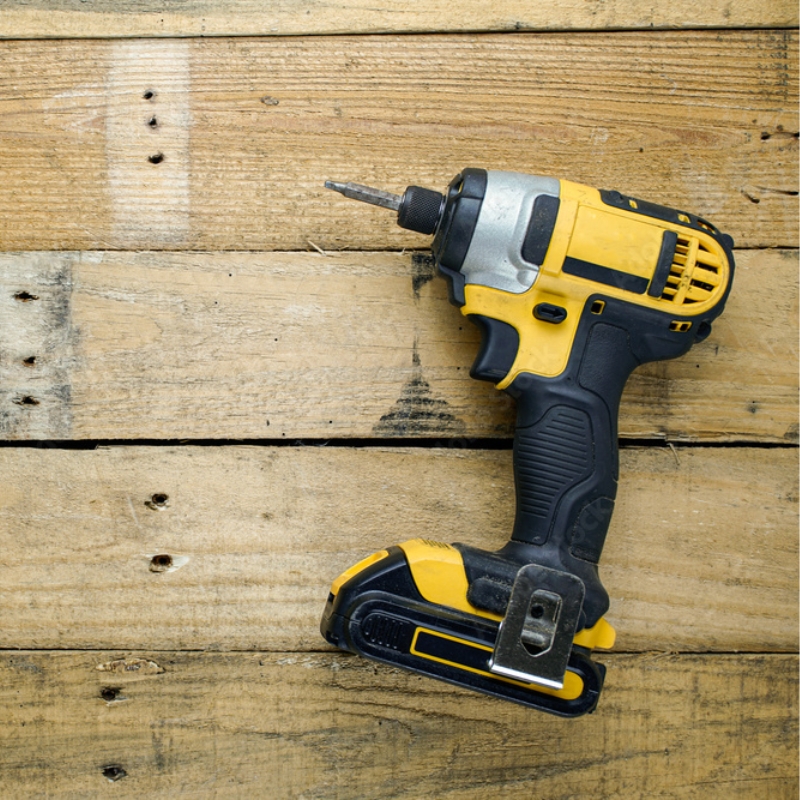
The Rise of Brushless Motor Technology
Most high-end impact drivers now utilize brushless (BL) motors. In a brushed motor, carbon brushes make physical contact with the commutator to transfer electricity. This creates friction and heat. In a brushless motor, an electronic controller replaces the brushes.
This technological shift offers several benefits:
-
Efficiency: Without friction, more battery power is converted into torque.
-
Longevity: No brushes to wear out means the tool lasts much longer.
-
Intelligence: The electronic controller can sense the load on the bit and adjust the power delivery in real-time.
Integration with Mobile Apps and Digital Management
The “Internet of Tools” is a burgeoning sub-sector of technology. Brands like Milwaukee (One-Key) and DeWalt (Tool Connect) have integrated Bluetooth chips into their impact drivers. This allows users to connect their tools to a smartphone app to:
-
Customize Torque and Speed: Program specific settings for repetitive tasks (e.g., driving self-tapping screws into sheet metal without stripping them).
-
Inventory Tracking: Locate a tool on a job site using GPS and geofencing.
-
Remote Lockout: Disable the tool if it is stolen or used outside of authorized hours.
Precision Control and Variable Speed Settings
Modern impact drivers often feature “Self-Tapping Screw Mode” or “Precision Drive.” These are software-based modes that manage the RPM of the tool. For instance, the tool might start at high speed to pierce the metal, then automatically slow down or stop the impact mechanism as the screw begins to seat, preventing the head from snapping off or the threads from stripping.
Practical Applications in Professional and DIY Environments
The technological versatility of the impact driver makes it the preferred “gadget” for various industries, moving beyond the simple toolbox.
Structural Framing and Heavy Fastening
In residential and commercial construction, the impact driver is the king of the job site. From driving long deck screws to securing subflooring, the speed and torque offered by this tool are unmatched. The ability to drive fasteners without pre-drilling holes (in many cases) saves thousands of man-hours on large-scale projects.
Mechanical and Automotive Maintenance
Mechanics use larger versions of this technology, known as impact wrenches, but the standard 1/4-inch impact driver is frequently used for interior panels, engine peripherals, and under-dash work. Its compact size allows it to reach into tight spaces where a traditional drill or a manual wrench would be too cumbersome.
Cabinetry and Fine Woodworking
While the impact driver is often associated with “brute force,” modern digital controls have made it viable for cabinetry. By selecting a low-torque setting, woodworkers can use the impact driver’s precision to seat hinges and hardware without the risk of over-tightening or damaging delicate wood fibers.
Buying Guide: What Specifications Actually Matter?
When evaluating the tech specs of an impact driver, it is easy to get lost in marketing jargon. For those looking for the best performance-to-value ratio, three key metrics stand out.
Battery Platforms and Voltage (12V vs. 18V/20V)
The battery technology is the fuel for the motor. 12V systems are incredibly light and compact, perfect for overhead work or tight corners. 18V or 20V systems (the nomenclature often differs by brand, but they are technically similar) offer the maximum torque required for heavy-duty structural work. Modern Lithium-Ion (Li-Ion) tech has improved power density, allowing tools to run longer and harder than ever before.
IPM (Impacts Per Minute) and RPM (Revolutions Per Minute)
-
RPM dictates how fast the tool spins when there is no resistance. High RPM is great for quick fastening.
-
IPM indicates how many times the internal hammer strikes the anvil. A higher IPM usually translates to smoother operation and faster driving in tough materials.
Weight-to-Power Ratio and Durability
In the world of tech gadgets, “smaller and faster” is usually the goal. The latest generation of impact drivers features “Sub-Compact” designs that provide 18V power in a 12V-sized frame. Additionally, look for IP-rated (Ingress Protection) tools that are resistant to dust and moisture, ensuring the high-tech internal electronics survive the harsh environment of a construction site.
Conclusion: The Future of Fastening Technology
The impact driver is far more than just a loud drill. It is a sophisticated piece of mechanical and electronic engineering that has revolutionized how we build and maintain our physical world. From the physics of the hammer-and-anvil strike to the software-driven precision of modern brushless motors, the impact driver represents the pinnacle of handheld power tool technology.
As we look forward, the integration of AI-driven sensors and even better battery chemistry will likely make these tools even smaller, smarter, and more powerful. For anyone looking to invest in their technical toolkit, the impact driver isn’t just an option—it’s a necessity for the modern age.
aViewFromTheCave is a participant in the Amazon Services LLC Associates Program, an affiliate advertising program designed to provide a means for sites to earn advertising fees by advertising and linking to Amazon.com. Amazon, the Amazon logo, AmazonSupply, and the AmazonSupply logo are trademarks of Amazon.com, Inc. or its affiliates. As an Amazon Associate we earn affiliate commissions from qualifying purchases.