
In the realm of personal finance, estate planning, and employment law, the term “immediate family” is far more than a sentimental descriptor. It is a precise legal and financial classification that dictates who is eligible for benefits, who inherits assets in the absence of a will, and who is covered under various insurance policies. While we may personally consider a wide circle of relatives and close friends as “family,” financial institutions, government agencies, and corporate HR departments use much stricter definitions.
Understanding exactly what constitutes an immediate family member is critical for navigating life’s major financial milestones. Whether you are designating beneficiaries for a life insurance policy, applying for bereavement leave, or structuring a multi-generational estate plan, clarity on this definition ensures that your wealth and your loved ones are protected.
Defining the “Immediate Family” in Personal Finance
The definition of immediate family is not universal; it often shifts depending on the specific financial or legal context. However, most frameworks begin with a “core” group and expand outward based on specific regulatory requirements.
The Core Definition: Spouses, Children, and Parents
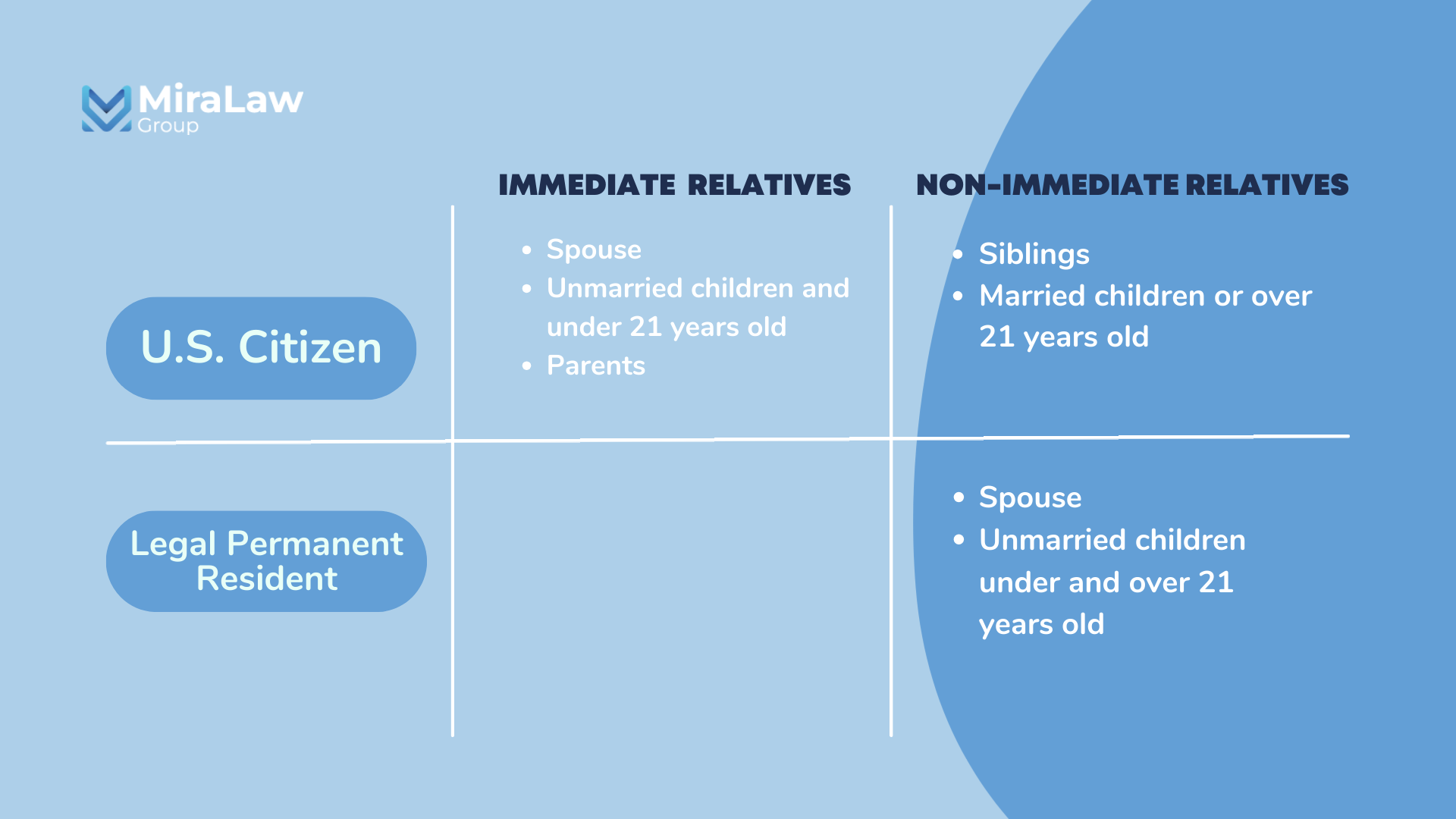
In almost every financial context—from tax filing to social security benefits—the core immediate family includes your spouse, your children (biological or adopted), and your parents. This group is typically the first line of defense in financial planning. For instance, the IRS frequently looks at this group when determining dependency status or eligibility for certain tax credits.
Expanding the Circle: Siblings, Grandparents, and Grandchildren
Depending on the institution, the definition often expands to include siblings, grandparents, and grandchildren. In the context of the Family and Medical Leave Act (FMLA) or certain corporate bereavement policies, siblings are often included. However, in the world of high-stakes investing and SEC regulations, the definition can be even broader, encompassing anyone living in the same household or anyone who is financially dependent on the individual.
The Role of Adoption, Marriage, and Step-families
Modern financial planning must account for the complexity of the contemporary family unit. Legally, adopted children are treated identically to biological children in matters of inheritance and insurance. Step-parents and step-siblings, however, occupy a more nuanced space. Unless legal adoption has occurred, step-relatives may not automatically qualify as “immediate family” for intestate succession (inheriting without a will), though they can be included in private insurance plans or designated as beneficiaries in a will.
Why the Definition Matters for Your Money
The distinction of who is “immediate” and who is “extended” has a direct impact on your cash flow, your workplace benefits, and your long-term financial security.
Employee Benefits and Paid Leave
One of the most common places the definition of immediate family arises is in the workplace. Most companies offer “Bereavement Leave” or “Emergency Leave” specifically for the death or illness of an immediate family member. If a distant cousin passes away, you might be required to use vacation days, whereas the passing of a sibling or parent would trigger a specific category of paid leave. Furthermore, the FMLA allows employees to take unpaid, job-protected leave to care for an immediate family member with a serious health condition. Knowing your company’s specific definition can prevent HR disputes and financial strain during emotional times.
Health Insurance and Dependent Coverage
In the world of health insurance, the definition is strictly controlled. Generally, you can only add immediate family members to your employer-sponsored health plan. This usually includes a spouse and children up to the age of 26. In some jurisdictions, domestic partners are included, but extended family members like parents or siblings usually require their own independent policies. Misunderstanding these boundaries can lead to significant out-of-pocket medical expenses if a relative is incorrectly assumed to be covered.
Life Insurance and Beneficiary Designations
While you can technically name anyone as a beneficiary of a life insurance policy, the “immediate family” status often simplifies the process. In many jurisdictions, a spouse has a legal “insurable interest” and certain rights to a partner’s death benefits. If you intend to leave significant financial assets to someone outside the traditional immediate family definition, such as a long-term partner you are not legally married to, you must be hyper-vigilant with your documentation to ensure the funds aren’t tied up in probate or challenged by legal heirs.
Immediate Family in Estate Planning and Inheritance

When a person passes away, the definition of immediate family becomes the roadmap for the distribution of their wealth. This is where the financial stakes are highest.
Intestate Succession: Who Inherits When There is No Will?
If an individual dies “intestate” (without a valid will), state or regional laws dictate how their assets are distributed. These laws almost universally prioritize the immediate family. Typically, the estate is divided between the surviving spouse and children. If neither exists, it moves to the parents, and then to the siblings. Extended family members, such as aunts, uncles, or cousins, only receive a portion of the estate if no immediate family members can be found. Without a clear understanding of these hierarchies, your assets could end up in the hands of a relative you haven’t spoken to in decades.
Tax Exemptions and Gift Tax Limits
The IRS and other global tax authorities often provide “family-based” exemptions. For example, you can generally transfer an unlimited amount of money to a spouse who is a U.S. citizen without incurring a gift tax. However, giving large sums to children or siblings may trigger reporting requirements or count against your lifetime gift tax exemption. Understanding these “family-only” tax advantages allows for more efficient wealth transfer and tax mitigation strategies.
Navigating Estate Taxes for Heirs
In many regions, “inheritance taxes” vary based on the relationship between the deceased and the heir. Immediate family members often pay a lower tax rate—or are exempt entirely—compared to “Class B” or “Class C” heirs (like cousins or non-relatives). By structuring your estate with these definitions in mind, you can maximize the net amount of wealth passed down to the next generation.
Special Considerations: Business Finance and Conflict of Interest
In the corporate and investment world, the definition of immediate family is used to prevent fraud, nepotism, and insider trading.
Insider Trading and “Related Persons” in Finance
Regulatory bodies like the SEC (Securities and Exchange Commission) and FINRA have very strict definitions of “immediate family” to prevent market manipulation. If you are an executive at a public company, your “immediate family” (including those living in your home) is often restricted from trading your company’s stock during certain periods. This is to prevent “tipping”—where an insider gives non-public information to a relative to make a profit. Violating these rules can lead to massive fines and legal action, making it essential for high-net-worth individuals to know exactly who the law considers their “immediate” circle.
Family-Owned Business Structures
For those running a family business, the definition of immediate family affects everything from payroll taxes to ownership transition. Hiring immediate family members can sometimes offer tax advantages (such as exempting certain wages from FICA taxes for minor children), but it also requires careful documentation to satisfy audit requirements. Furthermore, succession planning often hinges on the legal definitions of lineage to ensure the business remains a “family-controlled” entity for tax or regulatory purposes.
Practical Tips for Managing Family Financial Boundaries
Because the definition of immediate family is so pivotal to your financial health, proactive management is required.
Documenting Your Family Tree for Legal Readiness
It is a wise financial move to maintain a clear record of your immediate family tree, including marriage licenses, adoption papers, and birth certificates. In the event of a legal dispute or an insurance claim, having these documents readily available can speed up the distribution of funds and ensure that your family isn’t left in a lurch.
Reviewing Beneficiary Clauses Annually
Life changes—marriages, divorces, births, and deaths—can all shift who qualifies as your immediate family. A common financial mistake is leaving an ex-spouse as a beneficiary on a 401(k) or life insurance policy because the paperwork wasn’t updated. Make it a habit to review your “financial family” every year during tax season. Ensure that your designations match your current legal reality and your personal wishes.

Seeking Professional Guidance
When dealing with complex family structures, such as blended families or international relatives, the standard definitions may not suffice. Consulting with an estate attorney or a certified financial planner (CFP) can help you create custom legal frameworks—such as trusts—that bypass the rigid “immediate family” definitions used by the state. This ensures that your money goes exactly where you want it to go, regardless of how the law defines your relationships.
In conclusion, while the heart defines family by love and shared history, the world of money defines it by law and bloodline. By understanding these technical definitions, you can better navigate the complexities of benefits, insurance, and inheritance, ultimately securing a more stable financial future for those who matter most.
aViewFromTheCave is a participant in the Amazon Services LLC Associates Program, an affiliate advertising program designed to provide a means for sites to earn advertising fees by advertising and linking to Amazon.com. Amazon, the Amazon logo, AmazonSupply, and the AmazonSupply logo are trademarks of Amazon.com, Inc. or its affiliates. As an Amazon Associate we earn affiliate commissions from qualifying purchases.