
Unveiling the Essence of Ikigai for Branding
The pursuit of purpose is a fundamental human drive, one that has found profound expression in various cultural philosophies. Among these, the Japanese concept of Ikigai stands out as a powerful framework for understanding one’s “reason for being.” Far from a mere buzzword, Ikigai offers a strategic lens through which individuals and organizations can discover their authentic core, a crucial element in today’s crowded and competitive branding landscape. For brands navigating the complexities of identity, marketing, and corporate culture, understanding Ikigai provides a blueprint for building genuine connection and enduring resonance. It transcends superficial tactics, delving into the very heart of what makes a brand meaningful.
Origins and Core Principles of Ikigai
Hailing from Okinawa, a “blue zone” known for its centenarians and their vibrant lives, Ikigai is not just about longevity but about living a life filled with joy and purpose. The term itself combines “iki” (life) and “gai” (value or worth), translating loosely to “a reason to live” or “a reason to wake up in the morning.” Unlike Western notions of purpose that often link directly to career success or grand achievements, Ikigai can be found in the simplest daily routines, a hobby, a community role, or even just the act of helping others. It emphasizes the journey, the continuous discovery, and the intrinsic satisfaction derived from one’s activities. For a brand, this translates to recognizing that its purpose isn’t solely about profit, but about the inherent value it creates and the unique space it occupies in the world.
The Four Intersecting Circles of Purpose
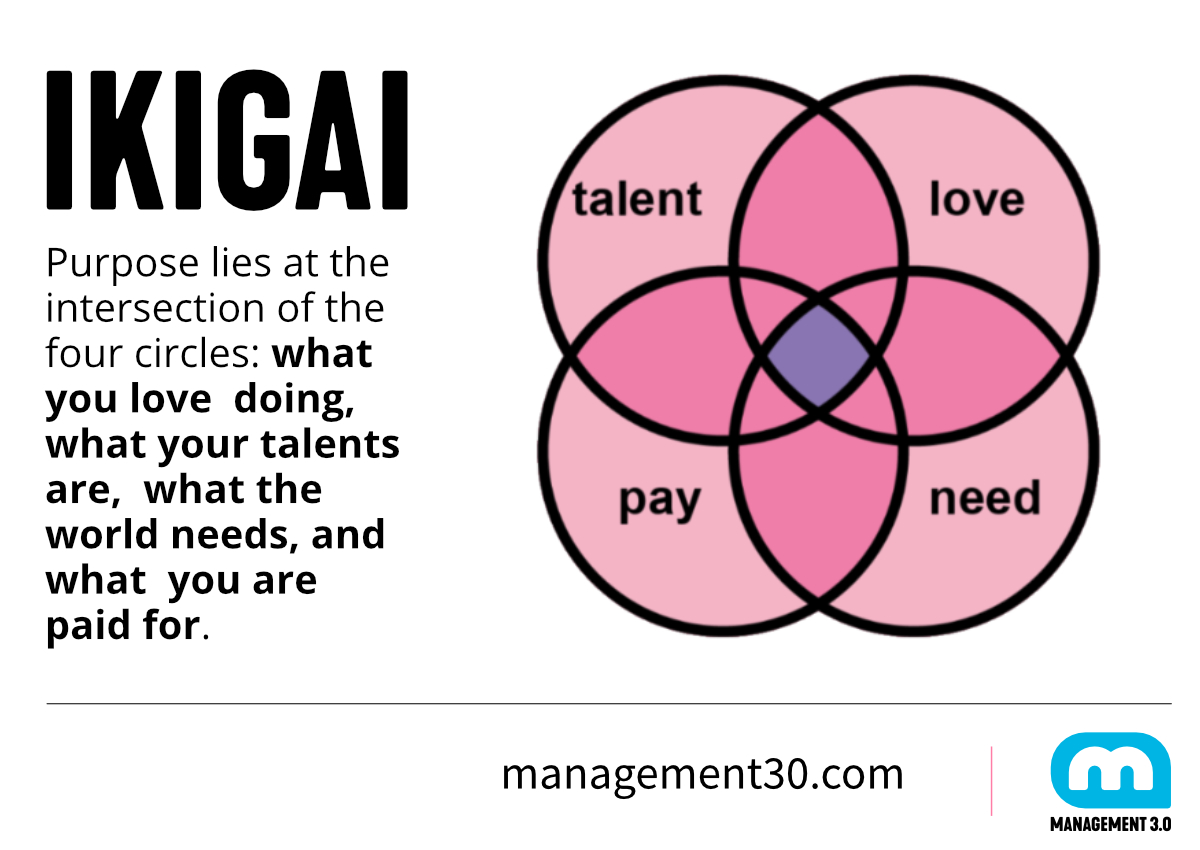
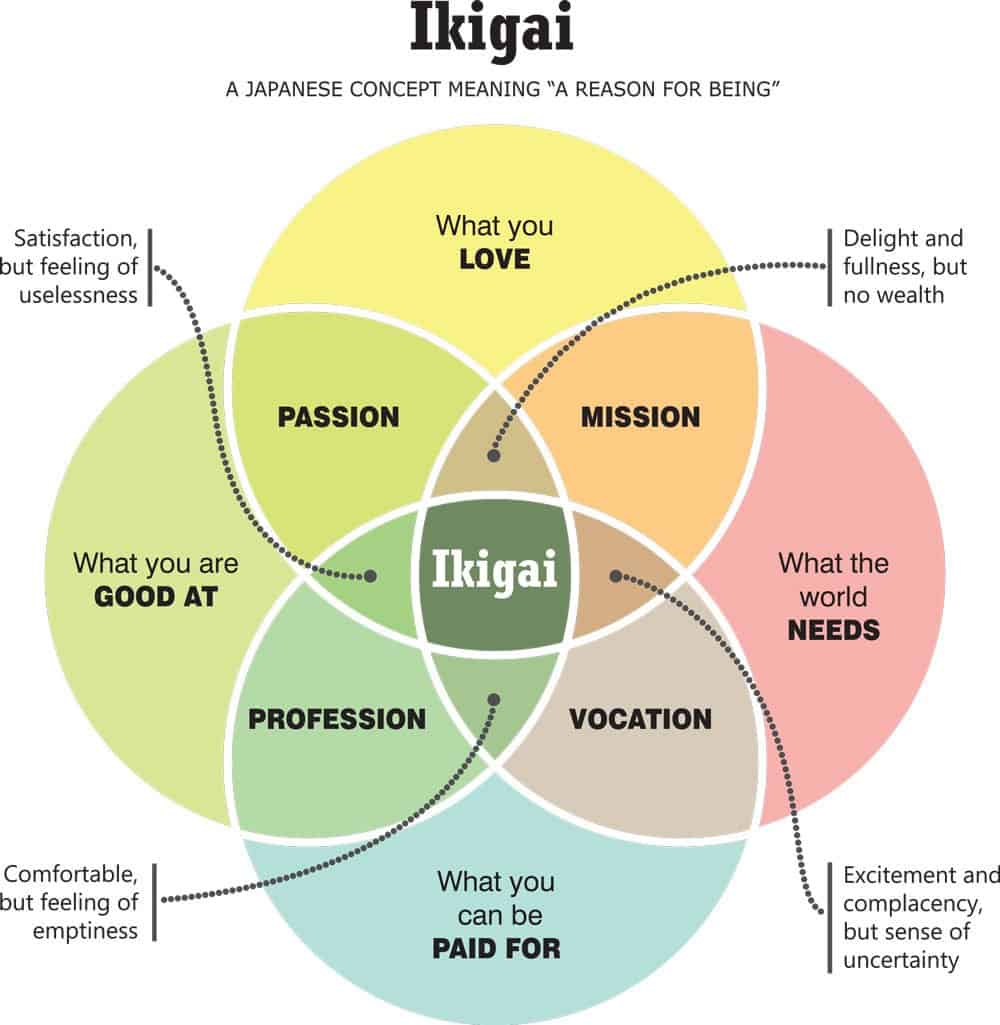
The most widely recognized interpretation of Ikigai in a professional context often illustrates it as the intersection of four fundamental circles:
- What you love: Your passions, interests, and what brings you joy.
- What you are good at: Your talents, skills, and areas of expertise.
- What the world needs: Problems you can solve, services you can provide, or value you can add to society.
- What you can be paid for: Skills and services that have market demand and economic viability.
The sweet spot where all four intersect is often described as one’s Ikigai. For branding, this framework provides an invaluable diagnostic tool. It allows a brand to systematically evaluate its internal strengths (love and good at), external relevance (world needs), and commercial viability (paid for). A brand that operates at the confluence of these four elements is not only sustainable but also deeply authentic and inherently purposeful, positioning itself for profound impact and strong market differentiation.
Ikigai as a Foundation for Personal Branding
In an era where personal identity is increasingly intertwined with professional success, personal branding has become indispensable. Ikigai offers a robust, introspective methodology for crafting a personal brand that is not only compelling but also deeply authentic and sustainable. It moves beyond superficial self-promotion to build a brand rooted in one’s true essence.
Authenticity as Your Brand’s Cornerstone
The modern consumer, and indeed the modern professional, values authenticity above almost all else. A personal brand built on a clear understanding of one’s Ikigai radiates genuine passion and purpose. When an individual articulates their skills, passions, and contribution to the world through the lens of their Ikigai, their brand narrative feels more cohesive, trustworthy, and resonant. This authenticity is critical for building trust, establishing credibility, and fostering long-term relationships with clients, collaborators, and audiences. Trying to emulate others or fit into a predefined mold inevitably leads to an inauthentic brand that struggles to connect on a deeper level. Ikigai compels a deep dive into self-reflection, ensuring that the personal brand emerging is truly ‘you’.
Defining Your Unique Value Proposition (UVP)
Your Unique Value Proposition is the core promise you make to your audience – what makes you different and better than the alternatives. Ikigai provides the framework to define this with precision. By examining what you love, what you’re good at, what the world needs, and what you can be paid for, you can distil your distinctive blend of skills, passions, and solutions. For example, if you love writing, are excellent at simplifying complex financial concepts, recognize a need for clear financial education for young adults, and can monetize this through content creation, your UVP becomes strikingly clear. This clarity is invaluable for everything from crafting compelling LinkedIn profiles to pitching services or developing thought leadership. It provides a solid rationale for why someone should engage with your personal brand over another.
Crafting Your Narrative and Story
A powerful personal brand isn’t just a list of accomplishments; it’s a story. Ikigai helps individuals weave their experiences, motivations, and aspirations into a compelling narrative. This narrative explains why you do what you do, connecting your past experiences to your future goals. It transforms a resume into a journey, a portfolio into a purpose, and a set of skills into a solution. By understanding the core drivers of your Ikigai, you can articulate a personal brand story that resonates emotionally, demonstrating your commitment and vision. This story becomes the backbone of all your communications, from networking conversations to website content, ensuring consistency and impact.
Integrating Ikigai into Corporate Identity and Culture
The principles of Ikigai are not exclusively for individuals; they offer profound insights for organizations seeking to define or refine their corporate identity, culture, and employee engagement strategies. A purpose-driven company, like a purpose-driven individual, fosters deeper connections and achieves more sustainable success.
Purpose-Driven Business Models
In today’s market, consumers and employees alike are increasingly drawn to companies with a clear sense of purpose beyond profit. Incorporating Ikigai principles into corporate strategy means identifying the intersection of what the company excels at (its core competencies), what its founders and employees are passionate about (its values and mission), what the market genuinely needs (its value proposition), and how it can generate sustainable revenue. This framework helps companies build business models that are inherently ethical, impactful, and resilient. A corporate Ikigai guides strategic decisions, product development, and market positioning, ensuring that every facet of the business aligns with a genuine contribution to the world, thereby differentiating it significantly from competitors focused solely on the bottom line.
Employer Branding and Employee Engagement
A strong corporate Ikigai is a cornerstone of effective employer branding. When a company clearly articulates its “reason for being” – its contribution, its values, and its unique culture – it attracts talent that shares its vision. Employees who understand and resonate with the company’s Ikigai are more engaged, motivated, and loyal. They see their work not just as a job but as a meaningful contribution to a larger purpose. This fosters a vibrant internal culture where innovation thrives, and individuals feel a sense of belonging and fulfillment. Recruitment becomes less about filling a role and more about inviting individuals to contribute to a shared mission, drastically improving retention and productivity. Companies like Patagonia, known for its environmental activism, exemplify a strong corporate Ikigai that attracts a dedicated workforce aligned with its mission.
Marketing with Ikigai: Connecting with Purpose
Beyond internal identity, Ikigai provides a powerful lens for external marketing and communication. It enables brands to move beyond transactional messaging to create deep, emotional connections with their target audience.
Resonating with Audience Values
Modern marketing is less about shouting features and more about whispering shared values. By understanding their own Ikigai, brands can identify the core values and aspirations they embody. This allows them to craft marketing messages that resonate with the Ikigai of their target audience. When a brand’s purpose aligns with what its customers love, need, and are passionate about, the connection transcends mere product utility. It fosters a sense of community and shared vision. For instance, a sustainable fashion brand rooted in the Ikigai of environmental stewardship connects with consumers who share that purpose, creating a bond far stronger than mere aesthetic appeal. This approach builds brand equity by focusing on impact and shared meaning.
Building Brand Loyalty Through Shared Vision
True brand loyalty is not bought; it is earned through consistent value delivery and shared purpose. Brands that communicate their Ikigai effectively invite consumers to be part of something larger than themselves. When customers perceive that a brand is driven by a genuine purpose that aligns with their own values, they become advocates, not just purchasers. This deep loyalty translates into repeat business, positive word-of-mouth, and resilience during challenging times. It’s about establishing an emotional contract that goes beyond product features or price points, transforming consumers into engaged members of the brand’s mission.
Implementing Ikigai for Brand Longevity and Impact
Incorporating Ikigai is not a one-time exercise but an ongoing commitment to purpose-driven existence. For brands, this translates into continuous reflection, evolution, and a focus on long-term impact.
Continuous Reflection and Evolution
The world, markets, and even individual passions evolve. For a brand to maintain its relevance and authenticity, its Ikigai must be subject to continuous reflection. Regular self-assessment – asking “Are we still doing what we love?”, “Are we still excelling at what we do?”, “Is there a new need we can address?”, and “Is our model still viable?” – ensures that the brand remains agile and truly purpose-aligned. This commitment to evolution prevents stagnation and allows the brand to adapt while staying true to its core identity, ensuring its longevity in an ever-changing landscape.

Measuring Impact Beyond Profit
While financial viability is a crucial circle in the Ikigai framework, a truly Ikigai-driven brand understands that its impact extends beyond the balance sheet. Measuring success includes metrics related to customer satisfaction, employee well-being, community impact, environmental footprint, and the broader social value created. By defining and tracking these non-financial indicators, brands can holistically assess their contribution and articulate a more complete story of their purpose. This broader definition of success not only strengthens the brand’s external appeal but also reinforces its internal commitment to its reason for being, ensuring a legacy built on meaning, not just money. Ultimately, Ikigai offers a profound blueprint for building brands – personal or corporate – that are not just successful, but significant.
aViewFromTheCave is a participant in the Amazon Services LLC Associates Program, an affiliate advertising program designed to provide a means for sites to earn advertising fees by advertising and linking to Amazon.com. Amazon, the Amazon logo, AmazonSupply, and the AmazonSupply logo are trademarks of Amazon.com, Inc. or its affiliates. As an Amazon Associate we earn affiliate commissions from qualifying purchases.