
In the landscape of modern social media, the Instagram Feed—commonly referred to as the “IG Feed”—stands as one of the most influential pieces of digital real estate in existence. Since its inception in 2010, the feed has evolved from a simple chronological stream of filtered photos into a complex, AI-driven ecosystem that serves as the primary gateway for content discovery, social interaction, and digital consumption. For tech enthusiasts, developers, and everyday users, understanding what the IG feed is requires looking beyond the surface-level images to the underlying software architecture and algorithmic logic that powers it.
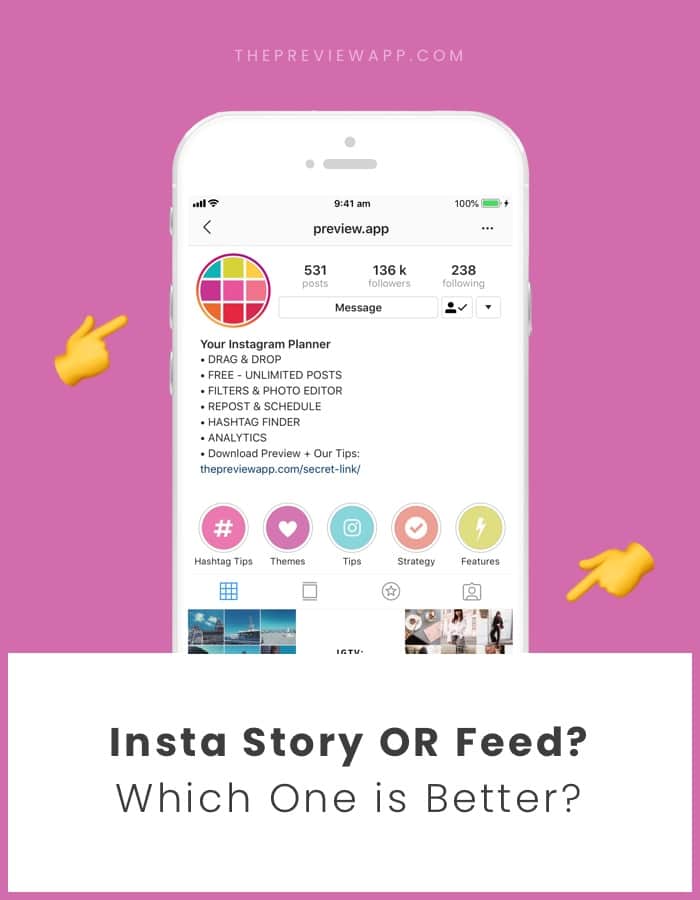
Understanding the Core Architecture of the Instagram Feed
At its most basic level, the Instagram Feed is the main screen of the Instagram application. It is a dynamic, vertically scrolling interface where users see content from the accounts they follow, as well as suggested content and advertisements. However, from a technical perspective, the feed is a sophisticated data delivery system designed to manage high-latency media across a global network of billions of devices.
The Interface Design: Beyond the Scroll
The user interface (UI) of the IG feed is a masterclass in mobile-first design. It utilizes a “lazy loading” mechanism, which means the app does not download the entire feed at once. Instead, it fetches small batches of content as the user scrolls, ensuring a seamless experience even on slower network connections. The layout prioritizes visual immersion; images and videos occupy the majority of the screen’s width, while captions, comments, and engagement icons (like, comment, share, and save) are relegated to the peripheral areas to minimize distraction.
Media Formats: Photos, Videos, and Carousels
The feed is no longer just a static image gallery. It is a multi-format container that supports various data types. This includes standard high-resolution JPEG or HEIC images, carousels (which allow for up to ten pieces of media in a single swipeable post), and short-to-mid-form video content. From a technical standpoint, the feed must handle different aspect ratios—most notably the 4:5 vertical ratio and the 1:1 square—while maintaining consistent resolution across diverse hardware, from entry-level smartphones to high-end tablets.
Navigation and Connectivity within the App
The feed serves as the central hub for the entire Instagram application’s navigation. It is the landing page upon opening the app, and it acts as the connective tissue between other features such as Stories (which sit at the top of the feed), Reels (which are often injected into the feed), and the Explore page. The technical integration between these modules is seamless, allowing users to move from a feed post to a user’s full profile or a direct message thread with minimal latency.
Deciphering the Algorithm: How the Feed Works Behind the Scenes
Perhaps the most discussed aspect of the IG feed is the algorithm. In the early days, the feed was purely chronological; you saw posts in the order they were shared. Today, the feed is governed by a sophisticated machine learning (ML) ranking system. Instagram does not have just one algorithm; it uses a variety of algorithms, classifiers, and processes, each with its own purpose.
Signal Processing and Data Ranking
To determine what appears at the top of your feed, Instagram’s systems process thousands of “signals.” These signals are data points that provide context about the post and the user. The primary signals include:
- Information about the post: How popular is it? How many people liked it? When was it posted? What is the location or duration (if it’s a video)?
- Information about the author: How many times have you interacted with this person in the past few weeks? This helps the app gauge how “close” you are to the content creator.
- Your history of interacting with content: What kind of posts do you usually engage with? Do you prefer videos or photos?
Personalization Engines and Machine Learning
The IG feed is a highly personalized environment. No two users see the exact same feed because the ML model creates a unique “interest score” for every piece of available content. The system makes predictions based on your past behavior. For example, if you frequently comment on tech reviews, the algorithm will prioritize similar content in your feed. These predictions are refreshed in real-time. Every time you refresh your feed, the system re-evaluates the available inventory of posts to provide the most relevant experience.
The Shift from Chronological to Algorithmic Logic

The move away from a chronological feed was a significant technical pivot aimed at solving “content density.” As users followed more accounts, the sheer volume of posts made it impossible to see everything. Research conducted by Instagram showed that users were missing 70% of all their posts and 50% of posts from their closest friends when the feed was chronological. By implementing an algorithmic ranking, the platform significantly increased “relevance,” ensuring that the 30% of content users do see is the content they care about most.
Key Features and Technical Components of the Feed
Beyond the basic scroll, the modern IG feed incorporates several advanced technical components designed to enhance user engagement and provide creators with more tools to share their work.
Direct Integration with Stories and Reels
One of the most complex technical challenges Instagram solved was the “blending” of content types. While the feed remains the primary surface, it now acts as a cross-platform aggregator. You will often see “Reels” (Instagram’s short-form video product) appearing as larger blocks within the feed. This requires the app to switch between different playback engines and UI overlays without interrupting the user’s scrolling momentum.
The Role of Metadata and Hashtags
Metadata is the invisible backbone of the IG feed. Every post is accompanied by a wealth of data that the user never sees, including EXIF data from the camera, AI-generated alt-text (which describes the image for visually impaired users), and hashtags. Hashtags act as a tagging and indexing system, allowing the feed’s search and discovery engine to categorize content. When you follow a hashtag, the algorithm treats it as a “virtual user,” injecting the highest-ranked posts containing that tag directly into your main feed.
Accessibility Features and UX Optimization
Instagram has invested heavily in making the feed accessible through technology. This includes automatic captioning for videos using speech-to-text AI and the implementation of “Alt Text” for images. Furthermore, the UX (User Experience) is optimized through A/B testing. The placement of the “Like” button, the speed of the “Double Tap” heart animation, and even the haptic feedback felt on a smartphone are all calibrated to maximize the psychological satisfaction of using the feed.
The Evolution of Feed Technology: Past, Present, and Future
The IG feed is not a static product; it is in a state of constant technological flux. As hardware capabilities improve and user preferences shift toward video and AI, the feed must adapt to remain the dominant social media interface.
The Move Toward Video-Centric Feeds
The most notable trend in recent years is the transition from a photo-sharing app to a video-first platform. This shift has required massive upgrades to Instagram’s server infrastructure. Hosting and streaming millions of high-definition videos simultaneously requires immense bandwidth and advanced compression algorithms. The feed now prioritizes video content because it generates higher “dwell time”—a key metric that measures how long a user stays on a specific piece of content.
Artificial Intelligence and Content Recommendations
In 2022 and 2023, Instagram introduced a significant change by increasing the number of “Suggested Posts” in the feed. These are posts from accounts you do not follow. This transition represents a shift from a “Social Graph” (seeing what your friends post) to an “Interest Graph” (seeing what the AI thinks you will like). This shift is powered by advanced neural networks that can analyze the actual pixels in a photo or the audio in a video to understand the content without needing human-written captions.
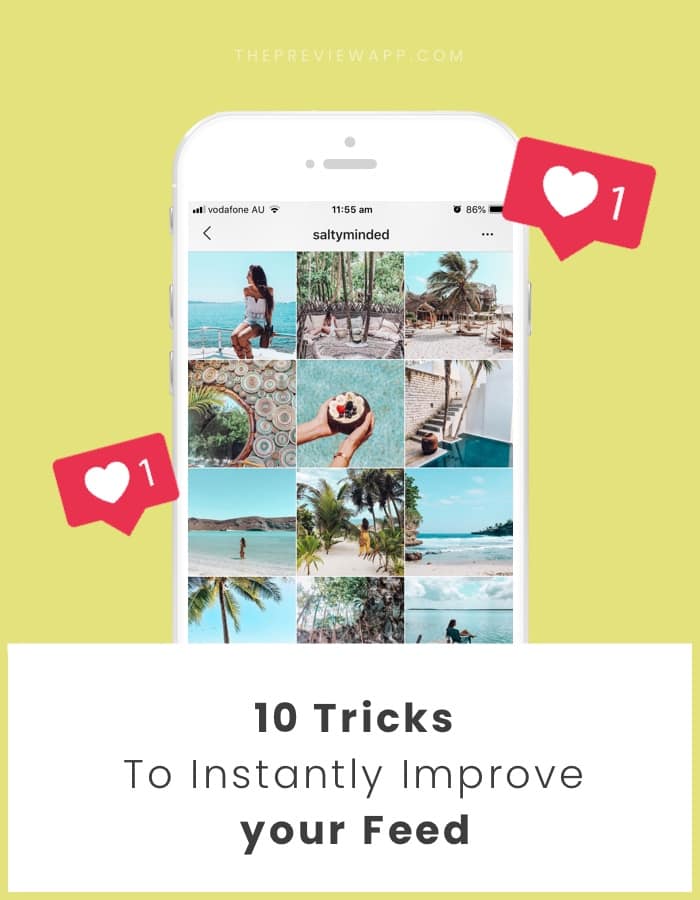
Future-Proofing the User Interface
Looking forward, the IG feed is likely to become even more immersive. We are already seeing the integration of Augmented Reality (AR) filters directly within feed posts. In the future, we may see the feed evolve to support 3D objects or spatial computing elements as Meta (Instagram’s parent company) pushes further into the metaverse. Additionally, the technical push for privacy has led to “Hidden Like Counts” and “Sensitive Content Control,” giving users more programmatic control over their digital environment.
In conclusion, the Instagram Feed is much more than a simple list of photos. It is a highly engineered, AI-driven digital product that balances massive data processing with an intuitive user interface. By understanding the tech behind the feed—from its lazy-loading architecture to its complex machine learning signals—users can better navigate the digital world, and creators can better understand how to reach their audience in an increasingly crowded algorithmic landscape.
aViewFromTheCave is a participant in the Amazon Services LLC Associates Program, an affiliate advertising program designed to provide a means for sites to earn advertising fees by advertising and linking to Amazon.com. Amazon, the Amazon logo, AmazonSupply, and the AmazonSupply logo are trademarks of Amazon.com, Inc. or its affiliates. As an Amazon Associate we earn affiliate commissions from qualifying purchases.