
In an increasingly digital world, the convenience of online transactions and interconnected services comes with an inherent risk: identity theft. From breaches of major corporations to sophisticated phishing scams, the pathways for criminals to gain access to your personal information are unfortunately numerous and constantly evolving. The consequences of identity theft can be devastating, leading to significant financial losses, damage to credit, and an arduous, time-consuming recovery process. It’s in this landscape of heightened vulnerability that identity theft insurance has emerged as a crucial financial tool, offering a layer of protection and professional assistance designed to restore your financial standing and peace of mind.
At its core, identity theft insurance is a service that helps individuals recover from the financial and administrative fallout of having their personal information compromised and misused. Unlike other forms of insurance that protect physical assets, this specialized coverage safeguards your financial identity, providing resources and reimbursement for costs associated with clearing your name and repairing the damage. Understanding what it entails, how it functions, and whether it’s a necessary component of your personal financial strategy is paramount in today’s digital age.
Understanding Identity Theft and Its Financial Ramifications
Identity theft is not a singular event; it’s a broad term encompassing various illicit activities where an individual’s personal identifying information is stolen and used without their knowledge or consent, typically for financial gain. The fallout from such a breach can extend far beyond a mere inconvenience, embedding itself deep within an individual’s financial life.
The Growing Threat of Identity Theft
The landscape of identity theft is vast and ever-expanding. Common forms include financial identity theft, where criminals open new credit accounts, make fraudulent purchases, or file fraudulent tax returns in your name. Medical identity theft involves using your identity to obtain medical services or drugs. Child identity theft exploits a child’s clean credit history for long-term fraudulent activities. Synthetic identity theft, a particularly insidious form, combines real and fabricated information to create a new, fraudulent identity.
The methods employed by fraudsters are also diverse, ranging from low-tech tactics like dumpster diving for discarded documents to highly sophisticated cyberattacks, data breaches, malware, and phishing schemes. The sheer volume of personal data circulating online, coupled with the increasing sophistication of criminals, means that virtually everyone is a potential target. This pervasive threat underscores the need for robust financial protection mechanisms.
The Financial Fallout
The financial repercussions of identity theft can be profound and multifaceted. Direct costs often include fraudulent charges on credit cards or bank accounts, which, while often covered by zero-liability policies, can still cause significant disruption. More insidious costs arise from the time and effort required for recovery. Victims may face legal fees to address fraudulent accounts or clear their name, notary and postage fees for official documents, and the cost of lost wages due to time spent resolving issues with creditors, financial institutions, and government agencies.
Beyond immediate monetary losses, identity theft can severely damage an individual’s credit score, making it difficult to obtain loans, mortgages, or even secure employment. Correcting errors on credit reports can be a lengthy and frustrating process, often requiring diligent monitoring and dispute resolution. The emotional toll, while not directly financial, can also manifest in stress, anxiety, and a feeling of vulnerability, further impacting one’s ability to manage their finances effectively.
How Identity Theft Insurance Works
Identity theft insurance is not a preventative measure against identity theft itself, but rather a recovery tool. It doesn’t stop your information from being stolen, but it provides financial support and expert assistance after an incident occurs, helping you navigate the complex process of restoring your identity.
Core Coverage Components
While policies vary, most identity theft insurance plans offer two primary forms of coverage:
-
Financial Reimbursement: This is perhaps the most direct financial benefit. It covers eligible expenses incurred during the recovery process. This can include legal fees for lawsuits or disputes, notary and certified mailing costs, phone charges for contacting various entities, lost wages due to time off work for resolution, and sometimes even child care or elder care expenses incurred during the recovery period. Reimbursement limits typically range from tens of thousands to millions of dollars, depending on the policy.
-
Identity Restoration Services: This is often the most valuable component. It provides access to trained professionals, often called identity restoration specialists or case managers, who act as your advocate. These specialists guide you through the recovery process, contacting creditors, banks, and government agencies on your behalf, initiating fraud alerts, and helping to remove fraudulent information from your credit reports. Their expertise can significantly reduce the time and stress involved in recovery, saving you countless hours and potential missteps.
Key Services Provided
In addition to core reimbursement and restoration, many identity theft insurance plans include additional features designed to offer a more comprehensive protective suite:
-
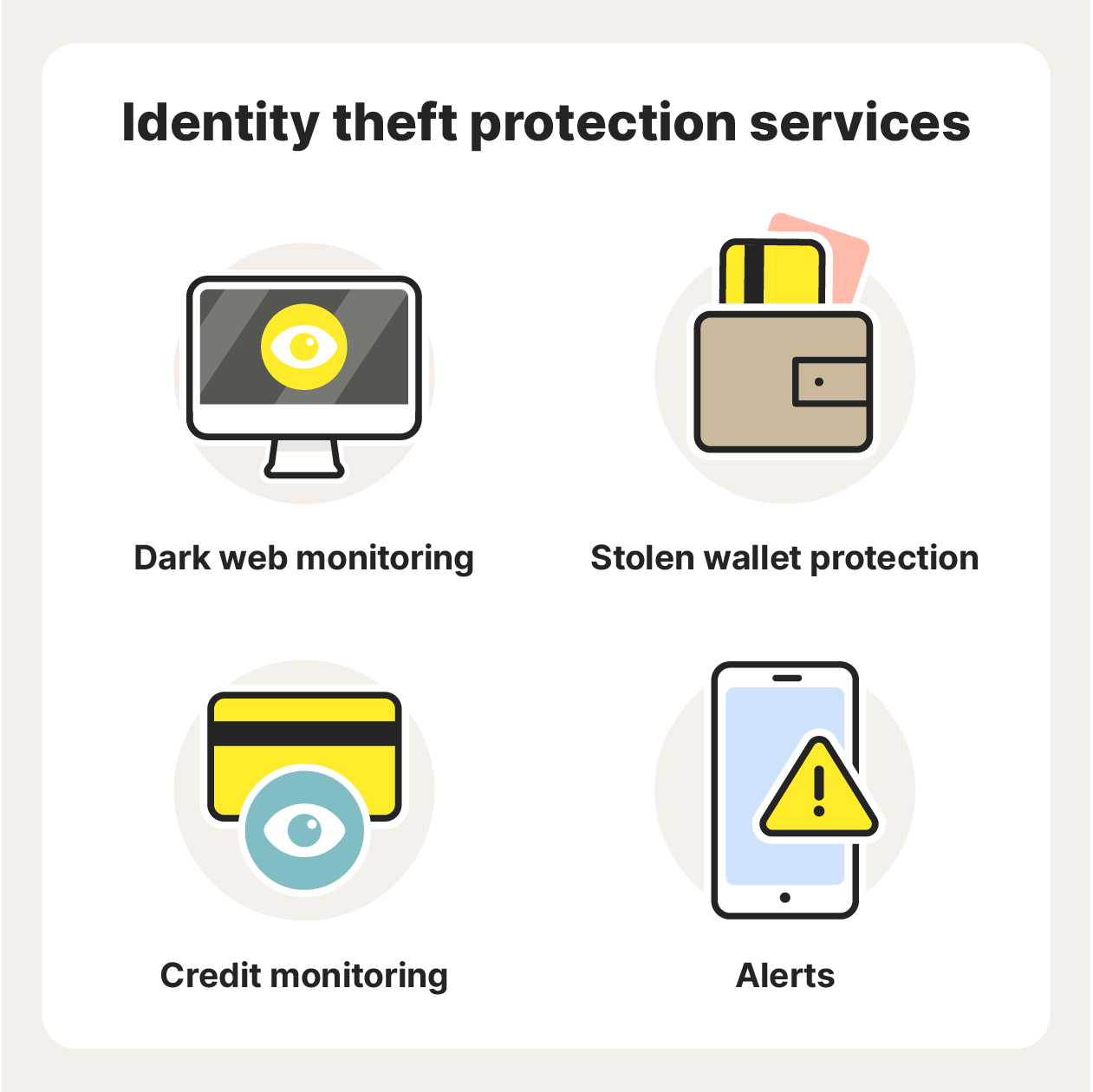
Credit Monitoring: This service tracks your credit reports with major bureaus (Experian, TransUnion, Equifax) and alerts you to significant changes, such as new accounts opened in your name, large credit inquiries, or changes in personal information. While not always indicative of fraud, these alerts can be early warning signs.
-
Fraud Alerts and Freezes: Specialists can help you place fraud alerts on your credit files, making it harder for identity thieves to open new accounts. They can also assist with credit freezes, which offer a stronger layer of protection by completely restricting access to your credit report unless you explicitly unfreeze it.
-
Dark Web Monitoring: Some advanced plans monitor the dark web for your personal information (e.g., Social Security number, credit card numbers, email addresses) to detect if it’s being bought or sold by criminals.
-
Public Records Monitoring: This service checks public records for the fraudulent use of your name, such as criminal records or address changes.
Policy Types and Providers
Identity theft insurance can be purchased as a standalone policy from specialized providers, or it may be bundled with other forms of insurance, such as homeowners, renters, or auto insurance, often as an add-on or rider. Some credit card companies or financial institutions also offer basic identity theft protection services as a perk for cardholders. Policies can be individual, covering only one person, or family plans, extending protection to spouses and children within the household. The scope and cost will vary significantly based on these factors and the specific features included.
Is Identity Theft Insurance Worth the Investment?
The decision to invest in identity theft insurance is a personal financial choice that weighs potential risk against the cost and peace of mind it offers. Like any insurance product, it’s about mitigating financial risk.
Pros
-
Peace of Mind: Knowing that you have a dedicated resource to turn to in the event of identity theft can significantly reduce anxiety and stress.
-
Expert Assistance: Identity restoration specialists are invaluable. Their expertise can save you hundreds of hours of work and ensure that all necessary steps are taken to fully restore your identity, which can be an overwhelming task for an individual.
-
Financial Protection: Reimbursement for expenses such as legal fees, lost wages, and administrative costs can be substantial, preventing further financial strain during an already difficult time.
-
Time-Saving: The administrative burden of identity theft recovery is immense. Having professionals manage communications with creditors, banks, and reporting agencies frees up your time and energy.
Cons

-
Cost: Identity theft insurance isn’t free. Monthly or annual premiums add to your overall financial outlay. Basic plans might start at a few dollars a month, while comprehensive family plans can cost $20-$30 or more monthly.
-
Existing Protections: Many credit cards offer zero-liability policies, protecting you from fraudulent charges. Banks often have robust fraud detection and protection services. Additionally, federal laws like the Fair Credit Reporting Act (FCRA) provide certain rights and protections. These existing safeguards might make some individuals feel adequately protected.
-
DIY Options: It is technically possible to perform many of the recovery tasks yourself, such as placing fraud alerts, monitoring credit reports (which are free annually from each bureau), and disputing fraudulent charges. However, this requires significant time, knowledge, and perseverance.
Who Needs It Most?
Identity theft insurance is often most valuable for:
-
Individuals with limited time: If your professional or personal life leaves you with little bandwidth to dedicate to a complex recovery process, the assistance of specialists can be indispensable.
-
Those with limited expertise: Navigating the intricacies of credit bureaus, legal documents, and financial institutions can be daunting. Insurance provides expert guidance.
-
Individuals with a high-risk profile: People who frequently share personal information online, those who have been victims of data breaches, or individuals with public-facing professions might consider it a higher priority.
-
Families: Protecting children, whose identities might be stolen and used for years without detection, is a compelling reason for family plans.
Ultimately, the decision boils down to your personal risk tolerance, existing financial safety nets, and willingness to pay for expert assistance and financial reimbursement should the worst occur.
Choosing the Right Identity Theft Insurance Plan
Selecting the appropriate identity theft insurance plan requires careful consideration of your individual circumstances, the features offered, and the reputation of the provider. It’s a financial decision that should align with your broader personal finance strategy.
Assessing Your Needs
Before comparing plans, take stock of your personal risk factors and existing protections:
-
Vulnerability: Do you have significant digital exposure? Have you been impacted by a data breach? Do you frequently use public Wi-Fi?
-
Family Size: Will the plan need to cover just you, or your spouse and children as well? Child identity theft is a silent but serious threat.
-
Financial Habits: How many credit cards do you have? Do you actively monitor your bank and credit card statements?
-
Time and Expertise: How much time and knowledge do you realistically have to dedicate to identity restoration if an incident occurs?
Key Features to Look For
When evaluating different policies, pay close attention to the following:
-
Reimbursement Limits: Ensure the financial reimbursement for lost wages, legal fees, and other expenses is substantial enough to cover potential costs. Look for policies with at least $1 million in coverage, though higher limits are available.
-
Restoration Services: This is critical. Verify that the plan includes access to certified identity restoration specialists who will actively work on your behalf, not just provide advice. Understand their availability and scope of work.
-
Monitoring Depth: Beyond basic credit monitoring, consider plans that offer dark web monitoring, public records monitoring, and social media monitoring if these features are important to you.
-
Customer Support: Research the provider’s reputation for customer service. In a crisis, responsive and helpful support is invaluable.
-
Deductibles: Some policies might have a deductible, meaning you’ll have to pay a certain amount out-of-pocket before the insurance kicks in. Be aware of this when comparing costs.
Comparing Providers and Costs
Don’t settle for the first option you find. Research reputable providers known for their identity theft protection services. Read reviews, compare premium costs for similar levels of coverage, and understand exactly what is and isn’t covered. Some well-known providers include LifeLock, IdentityForce, IDShield, and often, major insurance companies like Allstate or State Farm through partnerships. Look for transparency in pricing and clear explanations of benefits. The cheapest option isn’t always the best if it lacks essential restoration services or adequate reimbursement limits.
Beyond Insurance: Proactive Steps for Financial Security
While identity theft insurance serves as a critical recovery tool, it’s just one component of a comprehensive approach to financial security. Proactive measures remain essential in minimizing your risk and complementing your insurance coverage.
Fundamental Cybersecurity Practices
While this falls slightly outside the strict definition of a financial tool, basic cybersecurity practices are inextricably linked to financial security in the digital age. Strong, unique passwords for all online accounts, coupled with multi-factor authentication (MFA), are non-negotiable. Be wary of phishing attempts, avoid clicking suspicious links, and exercise caution when sharing personal information online or over the phone. Keeping your software and operating systems updated also patches security vulnerabilities that could be exploited. These practices reduce the likelihood of needing to use your identity theft insurance.
Vigilant Financial Monitoring
Regularly monitoring your financial accounts is a fundamental defense against identity theft. This includes:
-
Reviewing Bank and Credit Card Statements: Scrutinize all transactions for any unfamiliar activity, no matter how small.
-
Checking Credit Reports: Take advantage of your right to a free credit report from each of the three major bureaus (Equifax, Experian, TransUnion) annually via AnnualCreditReport.com. Look for unfamiliar accounts, inquiries, or incorrect personal information.
-
Monitoring Financial Accounts: Set up alerts with your bank and credit card companies for unusual activity or transactions exceeding a certain amount.
Understanding Your Rights
Familiarize yourself with federal laws designed to protect consumers. The Fair Credit Reporting Act (FCRA) provides rights regarding the accuracy and privacy of information in your credit report. Credit card companies generally offer zero-liability policies for fraudulent charges, meaning you won’t be held responsible for unauthorized transactions if reported promptly. Knowing these rights empowers you to act quickly and effectively should identity theft occur, even before engaging your insurance.
Conclusion
Identity theft insurance is a specialized financial product that has become increasingly relevant in an era dominated by digital transactions and persistent cyber threats. It’s not merely about financial reimbursement; it’s about providing expert guidance and relief from the overwhelming task of identity restoration. By offering a safety net against the financial and administrative burdens of identity theft, it allows individuals to regain control of their financial lives with professional assistance.
While proactive measures like strong cybersecurity and diligent financial monitoring are crucial for prevention, identity theft insurance acts as a vital last line of defense, transforming a potentially devastating event into a manageable challenge. For those seeking comprehensive financial security and peace of mind in a complex digital landscape, understanding “what is identity theft insurance” and thoughtfully integrating it into their personal finance strategy is a wise investment.
aViewFromTheCave is a participant in the Amazon Services LLC Associates Program, an affiliate advertising program designed to provide a means for sites to earn advertising fees by advertising and linking to Amazon.com. Amazon, the Amazon logo, AmazonSupply, and the AmazonSupply logo are trademarks of Amazon.com, Inc. or its affiliates. As an Amazon Associate we earn affiliate commissions from qualifying purchases.