
Hydrostatic testing, commonly known as hydro testing, is a critical non-destructive testing (NDT) procedure used to verify the integrity and safety of pressure vessels, pipelines, boilers, cylinders, and other pressure-retaining components. It involves filling the component with a liquid, typically water, and then pressurizing it to a specified test pressure, significantly higher than its operational pressure. This technological process allows engineers and technicians to detect leaks, structural defects, and material weaknesses, ensuring that the equipment can safely withstand its intended operating conditions. Far from a simple leak check, hydro testing is a sophisticated engineering validation process vital across a multitude of industrial sectors.

The Fundamentals of Hydrostatic Testing
At its core, hydrostatic testing leverages the incompressibility of water to safely subject a component to immense internal forces. Unlike pneumatic testing (using gas), hydrostatic testing poses a significantly lower safety risk in the event of a failure, as water’s incompressibility means far less stored energy is released compared to highly compressible gases. This fundamental difference makes hydro testing the preferred method for high-pressure applications where safety is paramount.
Why Hydrostatic Testing is Essential
The necessity of hydro testing stems directly from the inherent dangers associated with pressure-retaining equipment failures. A rupture in a pipeline, a boiler explosion, or a failing pressure vessel can lead to catastrophic consequences, including severe injuries, fatalities, extensive environmental damage, and massive financial losses. By identifying potential failure points before equipment is put into service or returned to service after maintenance, hydro testing acts as a crucial preventative measure. It verifies the quality of welds, the robustness of materials, and the overall structural integrity against design specifications and regulatory standards. Furthermore, it helps validate repair work, confirm manufacturing quality, and ensure compliance with international safety codes and industry best practices.
Key Principles and Process Overview
The hydrostatic testing process follows a well-defined sequence of steps, each requiring meticulous attention to detail and specialized equipment.
- Preparation: The component to be tested is isolated, cleaned internally, and all air is expelled to prevent “air pockets” which could compromise test accuracy and safety. All connections are secured, and temporary blinds or caps are installed.
- Filling: The component is slowly filled with a test liquid, usually clean water, until it is completely full and free of any trapped air. The temperature of the water is often controlled to avoid thermal stresses and ensure accurate pressure readings.
- Pressurization: Using a high-pressure pump, the test liquid is gradually pressurized to a pre-determined test pressure. This pressure is typically a multiple of the component’s maximum allowable working pressure (MAWP) or design pressure, as specified by engineering codes (e.g., ASME, API). The rate of pressurization is controlled to prevent sudden stresses.
- Holding Time: Once the test pressure is reached, it is held for a specified duration, often between 30 minutes to several hours, depending on the component size, complexity, and industry standards. During this hold time, visual inspections are meticulously performed to detect any leaks, weeping, or material deformation. Pressure gauges are continuously monitored for any drops that could indicate a leak.
- De-pressurization and Drainage: If no failures are detected, the pressure is slowly released in a controlled manner. The test liquid is then drained, and the component is often dried internally to prevent corrosion, especially if it handles sensitive fluids.
- Documentation: Comprehensive records of the test, including pressure charts, temperature readings, visual inspection reports, and technician certifications, are meticulously documented. This record is vital for compliance and future reference.
Technological Components and Equipment
Modern hydro testing is not simply about connecting a hose and a pump; it relies on a sophisticated array of technological components to ensure accuracy, safety, and efficiency. Advancements in instrumentation, data logging, and automation have significantly refined the practice.
Pressure Generation and Monitoring Systems
The heart of any hydro test lies in its ability to generate and accurately measure high pressures. High-pressure hydraulic pumps, ranging from manual hand pumps for smaller components to powerful electrically or pneumatically driven pumps for large industrial systems, are fundamental. These pumps are designed to deliver precise pressure increments and maintain steady pressure over extended periods. Equally crucial are the pressure monitoring systems. High-precision calibrated pressure gauges, often redundant and independently verifiable, are used to display the real-time pressure. In many advanced setups, digital pressure transducers provide electronic signals that feed into data acquisition systems, offering continuous, high-resolution pressure data. These transducers allow for remote monitoring and enhanced safety by keeping personnel away from potential rupture points.
Data Acquisition and Analysis Tools
The evolution of digital technology has revolutionized hydro testing by moving beyond manual log sheets. Modern data acquisition (DAQ) systems are integral, capturing real-time pressure, temperature, and sometimes strain data. These systems utilize specialized software to log data at frequent intervals, generating detailed pressure-time charts. This digital record provides an objective and unalterable account of the test, allowing for precise analysis of pressure stability, detection of minute pressure drops, and correlation with visual observations. Advanced software can also perform statistical analysis, trend monitoring, and even predictive analytics, aiding in identifying potential issues that might be missed by the human eye alone. The ability to overlay multiple data points and analyze subtle pressure fluctuations significantly enhances the diagnostic capabilities of hydro testing.
Advanced Sensing and Automation in Hydro Testing
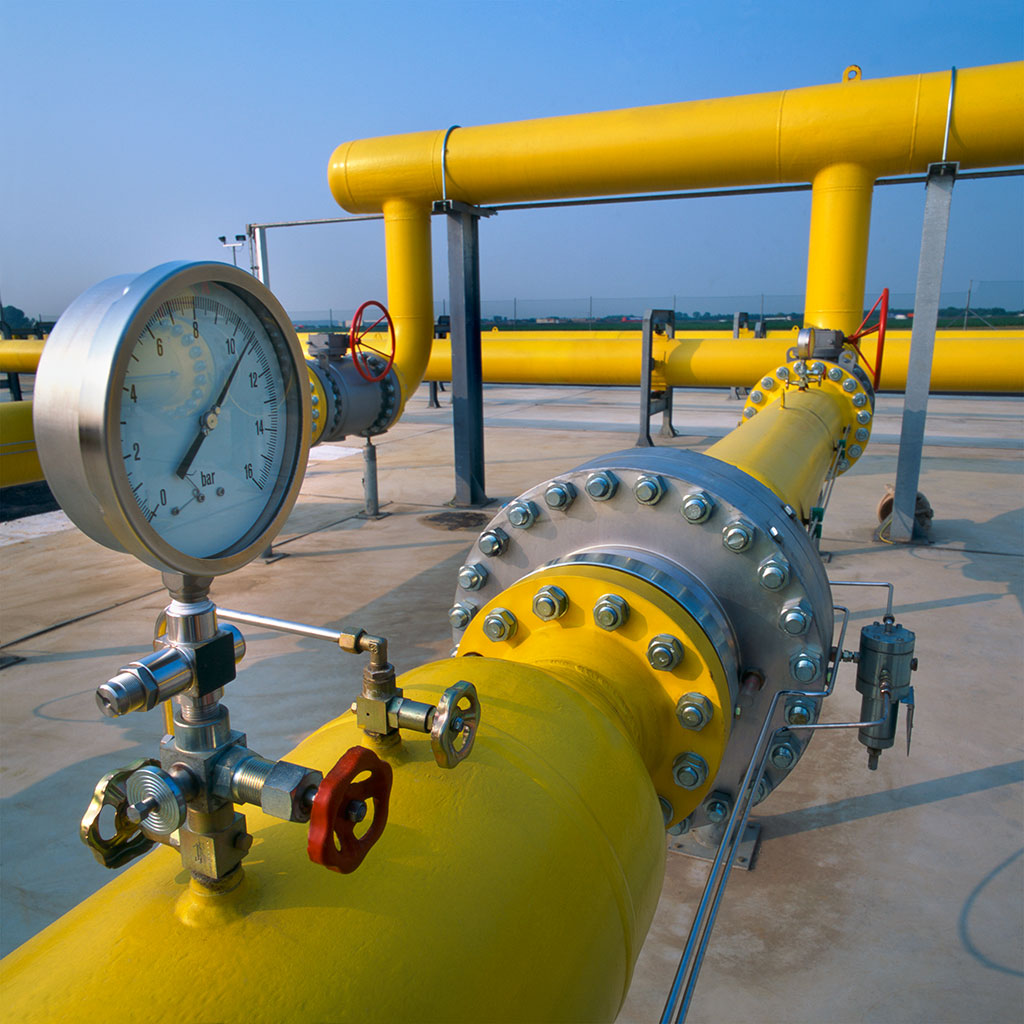
Beyond basic pressure and temperature, advanced sensing technologies are increasingly integrated into hydro testing. Acoustic emission (AE) sensors, for example, can detect the minute sounds produced by material deformation or crack propagation during pressurization, providing early warnings of structural failure before a macroscopic leak or rupture occurs. Fiber optic sensors can monitor localized strain and displacement, offering a more detailed picture of how a component responds under stress. Furthermore, automation is transforming the hydro testing landscape. Automated pressure control systems maintain precise test pressures without constant human intervention, reducing operator fatigue and improving consistency. Robotic inspection systems, sometimes equipped with visual or ultrasonic cameras, can conduct detailed inspections in hazardous or hard-to-reach areas during the hold time, enhancing both safety and thoroughness. These technological integrations contribute to more reliable, safer, and data-rich testing procedures.
Applications Across Industries
Hydro testing is a versatile technology with indispensable applications across a wide spectrum of industries where the safe handling of pressurized substances is paramount. Its adaptability makes it a standard practice from manufacturing quality control to operational safety assurance.
Oil & Gas and Petrochemical Sector
In the oil and gas industry, hydro testing is foundational for ensuring the integrity of pipelines, storage tanks, refining vessels, and offshore platforms. New pipelines, spanning hundreds or thousands of kilometers, undergo rigorous hydrostatic testing segment by segment before they transport crude oil or natural gas. This ensures that every weld and pipe section can withstand the immense pressures and corrosive environments encountered during operation. Similarly, pressure vessels in refineries, which contain highly volatile and flammable substances, are regularly hydro tested during scheduled shutdowns to prevent catastrophic leaks or explosions. This sector’s reliance on hydro testing underscores its critical role in preventing environmental disasters and ensuring human safety in high-risk operations.
Power Generation and Utilities
The power generation industry, particularly in thermal and nuclear power plants, relies heavily on hydro testing for boilers, steam lines, heat exchangers, and reactor components. Boilers, which operate at extremely high pressures and temperatures to produce steam for turbines, are subject to stringent hydro testing requirements to prevent ruptures that could lead to massive energy releases and widespread damage. Hydro testing is also applied to water distribution networks and large diameter utility pipelines to detect any weaknesses before they are put into service, ensuring reliable delivery of essential resources and preventing costly service interruptions and repairs. The integrity of these systems is vital for consistent power supply and public utility services.
Manufacturing and Fabrication
In manufacturing and fabrication, hydro testing serves as a crucial quality control step. Manufacturers of pressure vessels, industrial cylinders (such as those for compressed air, oxygen, or acetylene), fire extinguishers, and specialized industrial components perform hydro tests on every unit produced. This ensures that each product meets design specifications and safety standards before leaving the factory. For example, newly fabricated cryogenic tanks, which store liquefied gases at extremely low temperatures, must first pass a hydro test to confirm their structural soundness under pressure. This preemptive validation prevents defective products from entering the market, protecting both consumers and the manufacturer’s reputation by ensuring product reliability and compliance with regulatory bodies.
Safety, Regulations, and Future Outlook
While hydro testing is inherently safer than pneumatic testing, it is not without its risks. The immense forces involved mean that proper safety protocols, highly trained personnel, and adherence to regulations are non-negotiable.
Ensuring Compliance and Mitigating Risk
Strict adherence to industry codes and standards (e.g., ASME Boiler and Pressure Vessel Code, API Standards, EN Standards) is fundamental. These codes dictate test pressures, hold times, safety factors, and documentation requirements. Risk mitigation strategies include establishing clear exclusion zones around the test area, using remote monitoring equipment, ensuring proper anchoring of components to prevent movement during depressurization, and using calibrated and certified equipment. Personnel performing hydro tests must be certified and continuously trained on the latest safety procedures and technological advancements. The entire process requires a thorough risk assessment and a comprehensive safety plan to protect both personnel and property.

Innovations and Emerging Trends in Testing Technology
The future of hydro testing lies in continued technological innovation. We can anticipate further integration of artificial intelligence and machine learning algorithms for real-time data analysis, enabling more sophisticated anomaly detection and predictive maintenance. Advanced robotics and drone technology may become standard for automated visual inspections in hazardous environments, improving safety and efficiency. Miniaturized sensors, perhaps even embedded within materials, could provide continuous structural health monitoring, potentially reducing the frequency of extensive periodic hydro tests while maintaining safety. Furthermore, developments in non-aqueous test fluids could address concerns about water disposal and corrosion in certain applications. As industries demand higher safety standards and greater efficiency, hydro testing technology will continue to evolve, becoming even more precise, automated, and data-driven, ensuring the integrity of critical infrastructure well into the future.
aViewFromTheCave is a participant in the Amazon Services LLC Associates Program, an affiliate advertising program designed to provide a means for sites to earn advertising fees by advertising and linking to Amazon.com. Amazon, the Amazon logo, AmazonSupply, and the AmazonSupply logo are trademarks of Amazon.com, Inc. or its affiliates. As an Amazon Associate we earn affiliate commissions from qualifying purchases.