
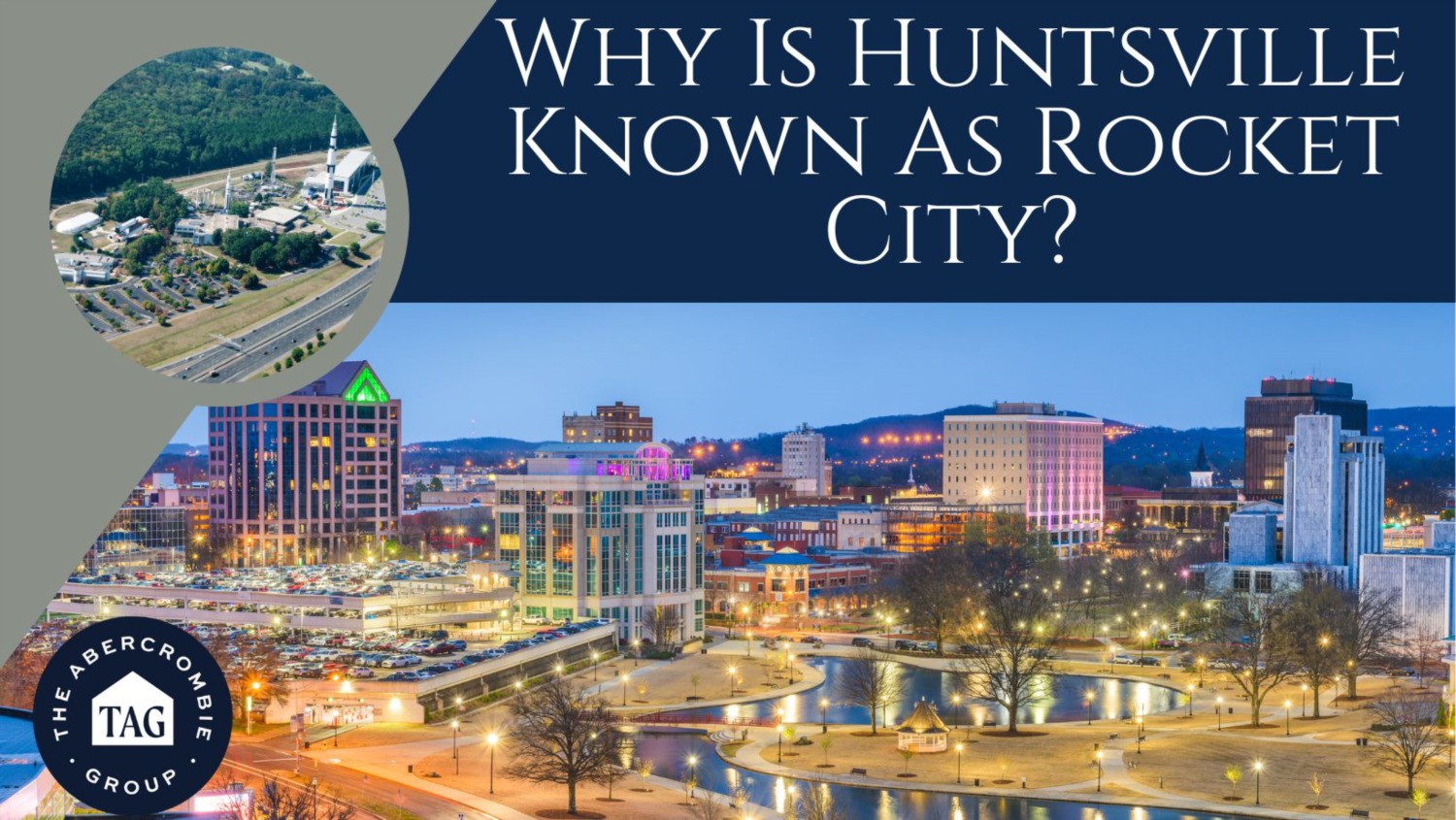
Huntsville, Alabama, often affectionately dubbed “Rocket City,” stands as a pivotal nexus of technological advancement, innovation, and scientific achievement in the United States. Far from a quaint southern town, Huntsville has meticulously cultivated an identity deeply intertwined with aerospace, defense, and cutting-edge research, making it a prominent player in the global technology landscape. Its reputation is not merely anecdotal but built on decades of foundational contributions to space exploration, military technology, and advanced engineering that continue to shape the future.
The Epicenter of Space Exploration and Rocketry
The very fabric of Huntsville’s identity is woven with the threads of space exploration. Its strategic importance emerged during the mid-20th century, catalyzed by the arrival of German rocket scientists led by Wernher von Braun. This migration laid the groundwork for what would become an unparalleled legacy in rocketry and space science.

NASA’s Marshall Space Flight Center
Central to Huntsville’s technological renown is the George C. Marshall Space Flight Center (MSFC), one of NASA’s largest and most diverse centers. Established in 1960, MSFC quickly became the primary engine for developing the Saturn V rocket, which propelled humans to the Moon during the Apollo missions. This monumental achievement cemented Huntsville’s status as the birthplace of America’s space program and a global leader in rocket propulsion and large-scale space systems.
Today, MSFC continues to be at the forefront of space exploration. It serves as NASA’s primary center for propulsion development, specializing in heavy-lift launch vehicles and in-space propulsion systems. Key projects include the Space Launch System (SLS), NASA’s super heavy-lift expendable launch vehicle designed to facilitate human exploration missions to the Moon and eventually Mars. Beyond propulsion, MSFC manages critical research in areas like advanced manufacturing for space, habitat development, and scientific instrument design, contributing significantly to missions like the Chandra X-ray Observatory and the International Space Station. Its work directly fuels the ongoing Artemis program, aiming to return humans to the lunar surface.
Army’s Redstone Arsenal
Adjacent to MSFC, the U.S. Army’s Redstone Arsenal plays an equally crucial role in Huntsville’s tech landscape, albeit with a focus on defense and national security. Originally established during World War II for chemical munitions production, Redstone Arsenal evolved dramatically to become a sprawling hub for missile and rocket development for the Army. Post-war, it became the home for von Braun’s team and a nexus for ballistic missile research, developing systems like the Jupiter and Pershing missiles.
Today, Redstone Arsenal hosts numerous critical Army commands and agencies, including the U.S. Army Aviation and Missile Command (AMCOM), the U.S. Army Space and Missile Defense Command (SMDC), and the Missile Defense Agency (MDA). These entities are responsible for developing, testing, and fielding a vast array of missile systems, aviation technology, and critical defense capabilities. The arsenal is a hotbed for advanced weaponry, missile defense systems, hypersonics research, and cybersecurity initiatives vital for protecting national interests. Its robust testing facilities and research labs make it indispensable for modern military technology development.
A Hub for Advanced Technology and Innovation
Beyond the foundational work at NASA and Redstone Arsenal, Huntsville has blossomed into a comprehensive ecosystem for advanced technology, attracting a diverse array of companies and fostering a culture of innovation across various sectors.
Aerospace and Defense Contractors
The presence of NASA and Redstone Arsenal has naturally drawn a concentrated cluster of aerospace and defense contractors to the Huntsville area. Giants like Lockheed Martin, Boeing, Raytheon Technologies, Northrop Grumman, and Dynetics (a Leidos company) have established significant operations here. These companies engage in high-stakes projects ranging from missile defense systems and advanced aviation to satellite technologies, space launch vehicle components, and highly specialized engineering services.
This robust contractor base forms a critical economic pillar, driving continuous research, development, and manufacturing of cutting-edge technologies. The synergy between government agencies and private industry contractors fosters a dynamic environment where innovation is not just encouraged but essential for competitive advantage and national security. Their work often involves integrating complex systems, developing new materials, and pushing the boundaries of what’s technologically feasible in aerospace and defense.
Cybersecurity and AI Initiatives
In an increasingly digital world, Huntsville has proactively positioned itself as a significant player in cybersecurity and artificial intelligence (AI). The concentration of sensitive defense and space assets naturally necessitates robust cybersecurity measures, leading to the development of specialized expertise and companies dedicated to protecting critical infrastructure and data. Numerous firms in the region specialize in network security, cyber warfare, threat intelligence, and secure software development.
Concurrently, the demand for advanced analytics, automation, and intelligent systems within aerospace and defense has spurred significant investment in AI and machine learning. Research groups within NASA, Redstone Arsenal, and private companies are exploring AI applications for autonomous systems, predictive maintenance, data analysis for space missions, and enhanced decision-making in complex operational environments. The integration of AI tools for modeling, simulation, and intelligent automation is rapidly expanding, making Huntsville a growing hub for AI innovation in critical sectors.
Software Development and Engineering Prowess
Underpinning much of Huntsville’s technological might is a deep well of software development and engineering expertise. From controlling complex rocket launches and managing satellite networks to developing sophisticated simulation tools for defense systems, software is the invisible backbone of the city’s tech achievements. Engineers in Huntsville develop mission-critical software for embedded systems, high-performance computing, data analytics platforms, and user interfaces that control some of the world’s most advanced machinery.
The demand for highly skilled software engineers, data scientists, and systems architects is constant, driving a vibrant tech talent market. This includes not only the colossal defense contractors but also smaller, agile tech firms specializing in niche areas like geospatial intelligence, virtual reality for training, and specialized data visualization, all contributing to the city’s reputation as a stronghold of technical precision and innovation.
Cultivating a High-Tech Workforce
Huntsville’s sustained technological leadership is inextricably linked to its ability to attract, develop, and retain a highly educated and specialized workforce. The city has consciously invested in educational infrastructure and economic strategies to support its thriving tech industries.
Educational Institutions and Research
Key to nurturing this talent pool are institutions like the University of Alabama in Huntsville (UAH). UAH is renowned for its strong engineering, science, and computer science programs, often partnering directly with NASA and Redstone Arsenal for research and workforce development. Many UAH graduates go on to work for the local aerospace and defense contractors, creating a continuous feedback loop between academic research and industry application. The university’s research capabilities often align with regional technological needs, fostering innovation in areas such as propulsion, cybersecurity, and materials science. Other institutions like Alabama A&M University also contribute significantly to the pipeline of skilled professionals, particularly in STEM fields. This academic support ensures a steady supply of fresh talent and provides a foundation for advanced research that can be commercialized or applied to governmental initiatives.
Economic Impact of Tech Industries
The concentrated presence of these high-tech sectors has had a profound economic impact on Huntsville. It boasts one of the highest per capita concentrations of engineers and scientists in the nation. This highly skilled workforce translates into higher average incomes and a robust local economy, resilient to downturns that might affect less diversified cities. The city consistently ranks high in lists for economic growth, innovation, and quality of life, largely attributable to its tech-driven employment opportunities. The continuous investment in research and development, coupled with ongoing government contracts, ensures a stable yet dynamic economic environment that fuels further technological growth and diversification.
Future Frontiers: Emerging Tech and Growth
Huntsville is not resting on its past laurels but is actively looking towards the future, expanding its technological reach into new and emerging domains while strengthening its core competencies.
Biotechnology and Life Sciences
While primarily known for aerospace and defense, Huntsville is steadily growing its footprint in biotechnology and life sciences. Initiatives are underway to leverage existing expertise in complex systems and data analysis for biomedical research, advanced medical devices, and pharmaceutical development. The HudsonAlpha Institute for Biotechnology, a non-profit genomics and life sciences research center, is a prime example of this diversification. It focuses on genomic research to improve human health and agriculture, fostering a biotech campus that attracts startups and established firms alike, bringing a new dimension to Huntsville’s scientific capabilities.

Sustaining Innovation Ecosystems
Huntsville’s trajectory suggests a future defined by continued innovation. The city is actively working to cultivate a more diverse tech ecosystem beyond government contracts, fostering startups and small businesses through incubators, accelerators, and venture capital initiatives. The convergence of aerospace, defense, cybersecurity, AI, and emerging biotech creates a fertile ground for cross-disciplinary innovation. This proactive approach ensures Huntsville remains a competitive and attractive location for tech talent and investment, solidifying its standing as a national leader in scientific and technological advancement well into the 21st century.
In conclusion, Huntsville, Alabama, is known foremost as a technological powerhouse. Its legacy is built on pioneering space exploration and critical defense development, but its future is being forged by a dynamic ecosystem of advanced engineering, software development, cybersecurity, AI, and a growing presence in biotechnology. It is a city where innovation is a way of life, constantly pushing the boundaries of what is possible and contributing significantly to national security and human advancement.
aViewFromTheCave is a participant in the Amazon Services LLC Associates Program, an affiliate advertising program designed to provide a means for sites to earn advertising fees by advertising and linking to Amazon.com. Amazon, the Amazon logo, AmazonSupply, and the AmazonSupply logo are trademarks of Amazon.com, Inc. or its affiliates. As an Amazon Associate we earn affiliate commissions from qualifying purchases.