
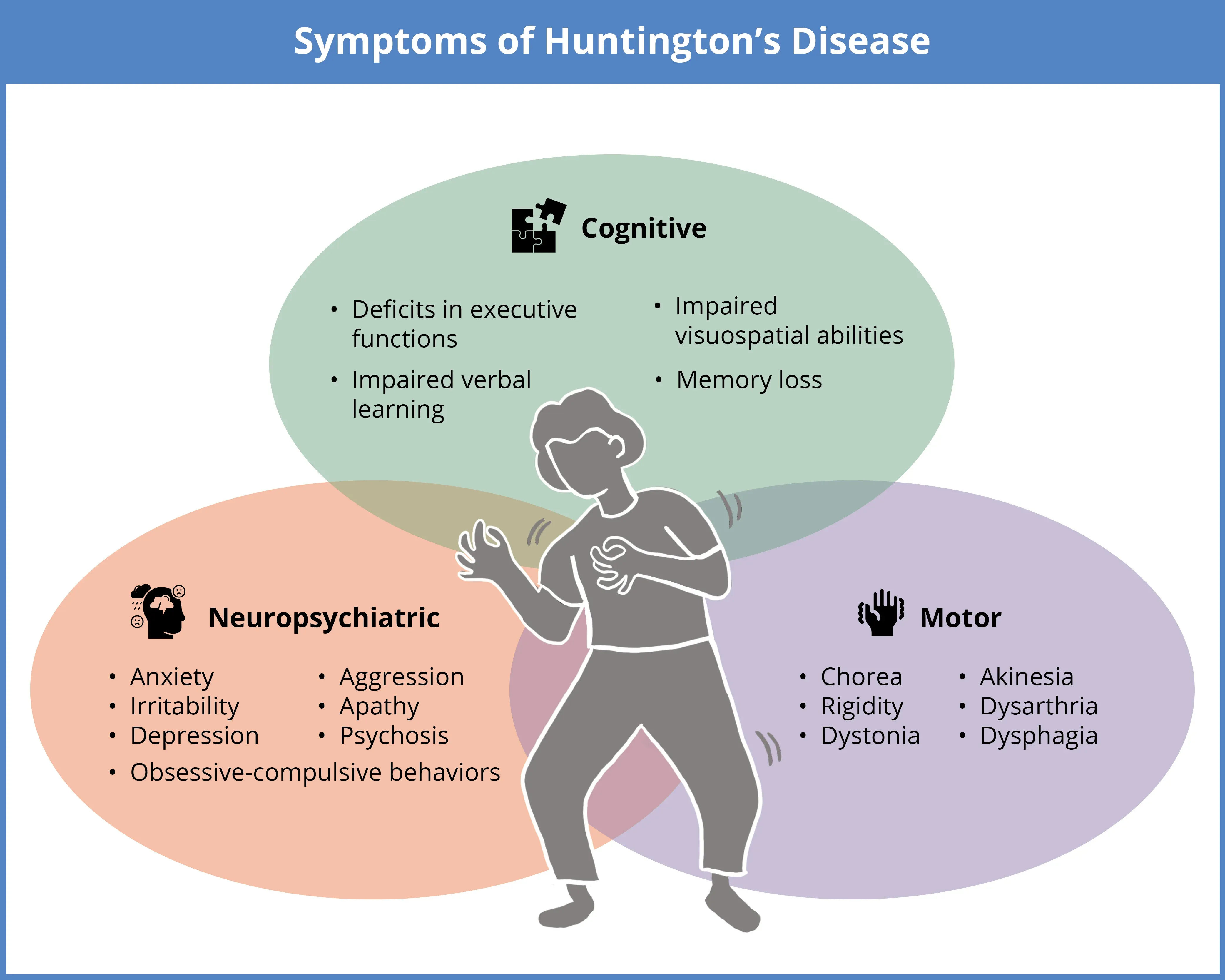
Huntington’s Chorea, more accurately known today as Huntington’s Disease (HD), is a relentless and devastating inherited neurodegenerative disorder that progressively erodes a person’s physical and mental capabilities. Often described as having the symptoms of Parkinson’s, Alzheimer’s, and ALS combined, it is characterized by uncontrolled movements (chorea, hence the original name), cognitive decline, and psychiatric problems. While the fundamental nature of HD lies in its genetic origin and neurological impact, our understanding, diagnosis, and management of this complex disease are increasingly interwoven with the rapid advancements in technology. From sophisticated genetic sequencing tools to AI-driven drug discovery and adaptive assistive devices, technology is not just an adjunct but a central pillar in the global effort to comprehend, combat, and ultimately conquer Huntington’s Disease.
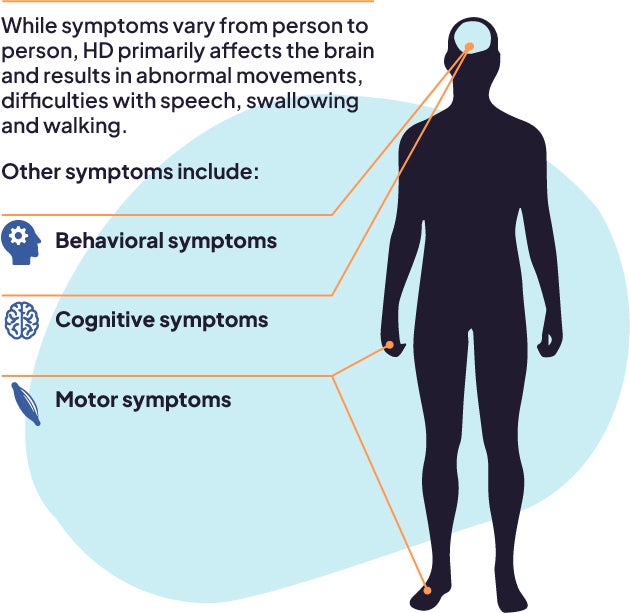
This article will delve into the essence of Huntington’s Chorea, not merely as a medical condition, but through the lens of technological innovation. We will explore how cutting-edge tech trends, software, AI tools, and specialized gadgets are revolutionizing every stage of the disease journey, offering new pathways for early detection, sophisticated research, enhanced patient care, and a glimmer of hope for future therapies. By examining HD through a technological framework, we uncover the powerful synergy between human ingenuity and scientific advancement in the face of one of medicine’s most challenging adversaries.
Unraveling the Genetic Blueprint: Diagnostics and Predictive Technologies
The defining characteristic of Huntington’s Disease is its clear genetic etiology. It is caused by a mutation in a single gene, huntingtin (HTT), located on chromosome 4. This genetic certainty, while tragic, also presents a unique opportunity for precise technological intervention in diagnosis and research. The past few decades have witnessed an exponential leap in our ability to decode, analyze, and interpret the genetic information that underpins HD, moving from rudimentary genetic tests to highly sophisticated predictive and diagnostic platforms.
The Core Genetic Abnormality and Early Detection
At the heart of Huntington’s Disease lies an abnormal expansion of a CAG trinucleotide repeat sequence within the HTT gene. In healthy individuals, this sequence typically repeats 10-26 times. In HD patients, it expands to 36 or more repeats, leading to the production of a toxic, misfolded huntingtin protein that gradually damages neurons in specific brain regions, particularly the striatum.
Early detection, even before the onset of overt symptoms (premanifest HD), has become possible through advanced molecular genetic testing. Polymerase Chain Reaction (PCR) and fragment analysis remain the gold standard for directly measuring the CAG repeat length. However, the accuracy and speed of these tests have been significantly enhanced by automation and digital integration in laboratory information systems. These systems not only streamline the testing process but also manage vast datasets of genetic information, ensuring precision and reducing human error. For individuals at risk (those with a parent who has HD), predictive genetic testing offers the profound, albeit emotionally challenging, ability to confirm the presence of the mutation decades before symptoms might emerge. This is a purely technological triumph, providing critical information that allows for informed life planning, even in the absence of a cure.
Advanced Genetic Sequencing and Biomarker Discovery
Beyond simple CAG repeat counting, next-generation sequencing (NGS) technologies are pushing the boundaries of HD research. NGS allows for the comprehensive analysis of the entire HTT gene, as well as other genes that might modify the disease course or influence its presentation. This deep genomic profiling can uncover subtle genetic variations that were previously undetectable, potentially explaining the wide variability in age of onset, symptom severity, and progression rates among individuals with the same CAG repeat length.
Furthermore, the integration of multi-omics data (genomics, transcriptomics, proteomics, metabolomics) with machine learning algorithms is revolutionizing biomarker discovery. Researchers are using AI tools to identify novel molecular markers in blood, cerebrospinal fluid, or even retinal scans that could serve as early indicators of disease activity or progression. These biomarkers are crucial for monitoring the effectiveness of experimental therapies in clinical trials, providing objective measures beyond subjective patient reporting. Predictive analytics, driven by these vast datasets and sophisticated algorithms, are becoming instrumental in forecasting disease trajectories and personalizing therapeutic approaches, moving us closer to precision medicine for HD.
AI-Powered Image Analysis in Neurological Assessment
The neurological degeneration in Huntington’s Disease is insidious and progressive, affecting brain structures long before clinical symptoms become obvious. Magnetic Resonance Imaging (MRI) and Positron Emission Tomography (PET) scans are vital diagnostic and research tools for visualizing brain changes. However, the interpretation of these complex images, especially for subtle alterations, requires expert analysis. This is where AI-powered image analysis tools are making a significant impact.
Machine learning algorithms can be trained on vast datasets of MRI and PET scans from HD patients and healthy controls to detect minute structural and functional changes in brain regions. AI can quantify volumetric loss in the striatum, identify alterations in white matter tracts, and map metabolic changes with far greater precision and consistency than the human eye alone. These tools can identify early signs of neurodegeneration years before symptom onset, serving as crucial objective measures in clinical trials for disease-modifying therapies. Moreover, AI can help correlate specific imaging patterns with genetic profiles or clinical outcomes, deepening our understanding of disease pathophysiology and progression.
Digital Frontiers in Research and Drug Discovery
The journey from understanding a disease’s mechanism to developing effective treatments is long and arduous. For Huntington’s Disease, with its complex genetic basis and widespread neurological impact, this journey is particularly challenging. However, the digital revolution is dramatically accelerating the pace of research and transforming the landscape of drug discovery, offering unprecedented tools to analyze data, simulate biological processes, and identify therapeutic targets.
Big Data and Machine Learning for Disease Modeling
HD research generates enormous amounts of data, from genetic sequences and brain imaging to clinical trial results and patient health records. The sheer volume and complexity of this “big data” would be insurmountable without advanced computational tools. Machine learning (ML) and artificial intelligence (AI) algorithms are adept at identifying patterns, correlations, and anomalies within these datasets that human researchers might miss.
ML models are being used to create sophisticated disease progression models, predicting how the disease might unfold in individual patients based on their genetic profile, demographic data, and early symptoms. This predictive power is invaluable for clinical trial design, allowing researchers to select appropriate participants and measure therapeutic effects more accurately. Furthermore, AI can help in identifying new disease pathways by analyzing gene expression data, protein interactions, and metabolic profiles. By simulating biological systems and predicting the impact of genetic perturbations, AI provides a powerful in silico laboratory for understanding HD’s intricate mechanisms, accelerating hypothesis generation and experimental design.
Virtual Screening and AI-Driven Drug Candidates
Traditional drug discovery is a time-consuming and expensive process, often relying on trial-and-error laboratory experiments. Virtual screening, powered by computational chemistry and AI, has revolutionized the initial stages of drug development for HD. AI algorithms can analyze vast libraries of chemical compounds (millions to billions) and predict their potential interactions with disease-relevant protein targets, such as the mutant huntingtin protein or enzymes involved in its degradation.
These sophisticated algorithms consider molecular structure, binding affinity, and potential toxicity, rapidly narrowing down the pool of promising candidates for laboratory testing. AI can even de novo design novel chemical compounds optimized for specific therapeutic properties, an innovation that vastly expands the chemical space explored for HD treatments. This drastically reduces the time and cost associated with identifying lead compounds, accelerating the pipeline from theoretical discovery to potential clinical application. The ability to simulate molecular interactions and predict drug efficacy in silico is a game-changer for a disease like HD, where every moment counts.
Wearable Tech and Remote Monitoring for Clinical Trials
Clinical trials for neurodegenerative diseases like HD face challenges in objectively measuring subtle changes in patient function and ensuring consistent data collection over long periods. Wearable technology and remote monitoring solutions are addressing these challenges head-on. Smartwatches, accelerometers, and other biometric sensors can continuously track motor symptoms (like chorea, gait disturbances, and balance), sleep patterns, and even cognitive function through integrated mini-games or tasks.

These devices collect real-world, high-resolution data on a daily basis, providing a more comprehensive and objective picture of disease progression and treatment effects than periodic clinic visits alone. Telemedicine platforms further facilitate remote monitoring, allowing clinicians to conduct virtual assessments, manage medication, and provide support, especially for patients in remote areas or those with mobility challenges. The integration of these digital health technologies in HD clinical trials offers significant advantages: reducing patient burden, improving data granularity, increasing statistical power, and ultimately accelerating the evaluation of new therapies.
Enhancing Patient Care: Assistive Technologies and Digital Health Solutions
While the quest for a cure for Huntington’s Disease continues, managing the multifaceted symptoms and improving the quality of life for individuals affected is paramount. Technology plays a crucial role in providing practical solutions, from aiding communication and mobility to offering personalized therapeutic interventions. These assistive technologies and digital health solutions empower patients, support caregivers, and streamline the delivery of care.
Adaptive Technologies for Communication and Mobility
The progressive motor and cognitive decline associated with HD profoundly impacts a person’s ability to communicate and move independently. Assistive technologies are vital in mitigating these challenges. For communication, speech-generating devices (SGDs) and augmentative and alternative communication (AAC) apps on tablets or smartphones allow individuals with dysarthria (speech difficulties) to express themselves. Eye-tracking technology can enable patients with severe motor impairment to control computers and communicate using only their gaze.
For mobility, smart walkers with sensors that detect falls or provide gait guidance, and robotic exoskeletons are emerging to help maintain independence. Modified wheelchairs, accessible home automation systems (e.g., voice-activated lighting, smart locks), and adaptive utensils all leverage technology to create more accessible environments. These tools not only reduce caregiver burden but, more importantly, preserve dignity and foster continued engagement with the world for HD patients.
Telemedicine and Remote Support Systems
The geographical distribution of HD patients and the specialized nature of care often mean that access to expert neurologists and multidisciplinary support teams can be challenging. Telemedicine platforms have emerged as a critical solution, allowing patients to receive consultations, therapy sessions (physical, occupational, speech), and psychological support remotely. This reduces the need for arduous travel, especially as motor symptoms progress, making healthcare more accessible and convenient.
Beyond direct clinical encounters, digital support systems, including dedicated apps and online communities, provide a vital network for patients and caregivers. These platforms offer educational resources, peer support forums, symptom tracking tools, and reminders for medication or appointments. Secure patient portals allow for seamless communication with healthcare providers, sharing of health data, and access to personalized care plans. These remote support systems are instrumental in empowering patients to manage their condition more effectively and ensuring caregivers feel connected and informed.
Personalized Digital Therapeutics and Cognitive Aids
Cognitive decline, including issues with memory, planning, and executive function, is a hallmark of HD. Digital therapeutics (DTx) are a new class of evidence-based therapeutic interventions delivered through software programs to prevent, manage, or treat a medical disorder. For HD, DTx apps can offer personalized cognitive training exercises designed to target specific deficits, track progress, and adapt difficulty levels. These programs, often gamified, can help maintain cognitive function and engagement.
Furthermore, everyday cognitive aids, like smart calendars, reminder apps, and voice assistants, can compensate for memory and organizational difficulties. AI-powered scheduling tools can help manage complex medication regimens and appointments. As HD progresses, personalized digital environments can be designed to provide structured routines, visual cues, and simplified interfaces, reducing confusion and anxiety. These technological interventions are not cures, but they significantly enhance the quality of daily life and provide valuable cognitive support for individuals living with Huntington’s Disease.
The Future of Huntington’s Chorea: A Tech-Driven Hope
The landscape of Huntington’s Disease research and treatment is dynamic, fueled by an relentless pursuit of knowledge and innovative solutions. The integration of technology at every level promises to unlock unprecedented avenues for not just managing, but potentially modifying and ultimately curing this devastating condition. The future holds the promise of more precise genetic interventions, advanced neuro-rehabilitation, and global collaborative efforts, all underpinned by cutting-edge technological advancements.
Gene Editing and mRNA Therapies
One of the most exciting frontiers in HD research involves gene-editing technologies like CRISPR-Cas9. Since HD is caused by a single, identifiable genetic mutation, the prospect of correcting or silencing the faulty HTT gene is incredibly compelling. While still in experimental stages, gene editing aims to precisely cut out or inactivate the mutated gene, preventing the production of the toxic huntingtin protein. This direct intervention at the genetic level represents a potential curative strategy.
Alongside gene editing, mRNA therapies, propelled into the public consciousness by COVID-19 vaccines, are also being explored for HD. mRNA therapeutics could be designed to produce functional huntingtin protein, suppress the production of mutant huntingtin, or deliver therapeutic factors that protect neurons. The ability to deliver targeted genetic instructions to specific cells offers a highly precise and potentially reversible therapeutic approach, leveraging sophisticated nanotechnology and delivery systems to reach the brain effectively.
Neural Interfaces and Advanced Neuro-rehabilitation
As HD progresses, direct intervention with brain function becomes a consideration. Brain-Computer Interfaces (BCIs) and advanced neural interfaces are technologies that allow direct communication pathways between the brain and external devices. For individuals with severe motor impairment from HD, BCIs could enable control over prosthetic limbs, communication devices, or even environmental controls, restoring a degree of independence. While still largely experimental for HD, the potential for these technologies to bypass damaged neural pathways and restore function is immense.
Advanced neuro-rehabilitation, augmented by virtual reality (VR) and robotics, is also evolving. VR environments can provide engaging and customizable training for motor skills, balance, and cognitive functions in a safe, controlled setting. Robotic exoskeletons and therapeutic robots can assist with repetitive physical therapy exercises, providing consistent and personalized interventions that adapt to the patient’s progress. These technologies enhance the intensity and effectiveness of rehabilitation, pushing the boundaries of what is possible in restoring function and improving quality of life.
Collaborative AI Platforms for Global Research
The complexity of Huntington’s Disease demands a concerted global effort. Collaborative AI platforms are emerging as powerful tools to unite researchers, clinicians, and patient advocacy groups worldwide. These platforms can host vast datasets from multiple institutions, allowing for unprecedented data sharing, meta-analysis, and cross-cultural comparisons. AI can identify patterns and insights that span diverse populations, accelerating the discovery of genetic modifiers, environmental risk factors, and therapeutic targets.
Federated learning, a machine learning technique, allows AI models to be trained on decentralized datasets without the data ever leaving its original location, addressing privacy concerns. This enables collaborative research on sensitive patient data across institutions without compromising confidentiality. By fostering a truly interconnected research ecosystem, these AI-driven platforms will dismantle silos, catalyze breakthroughs, and ensure that the collective intelligence of the global scientific community is harnessed to its fullest potential in the fight against Huntington’s Disease.
In conclusion, “What is Huntington’s Chorea” is a question increasingly answered not just through biology and medicine, but through the transformative power of technology. From the initial genetic diagnosis to the future of gene-editing therapies, technology is providing the tools, insights, and solutions that are fundamentally reshaping our approach to this devastating disease. The future of Huntington’s Disease treatment and management is undeniably a technological one, promising a trajectory of hope for patients and their families worldwide.
aViewFromTheCave is a participant in the Amazon Services LLC Associates Program, an affiliate advertising program designed to provide a means for sites to earn advertising fees by advertising and linking to Amazon.com. Amazon, the Amazon logo, AmazonSupply, and the AmazonSupply logo are trademarks of Amazon.com, Inc. or its affiliates. As an Amazon Associate we earn affiliate commissions from qualifying purchases.